



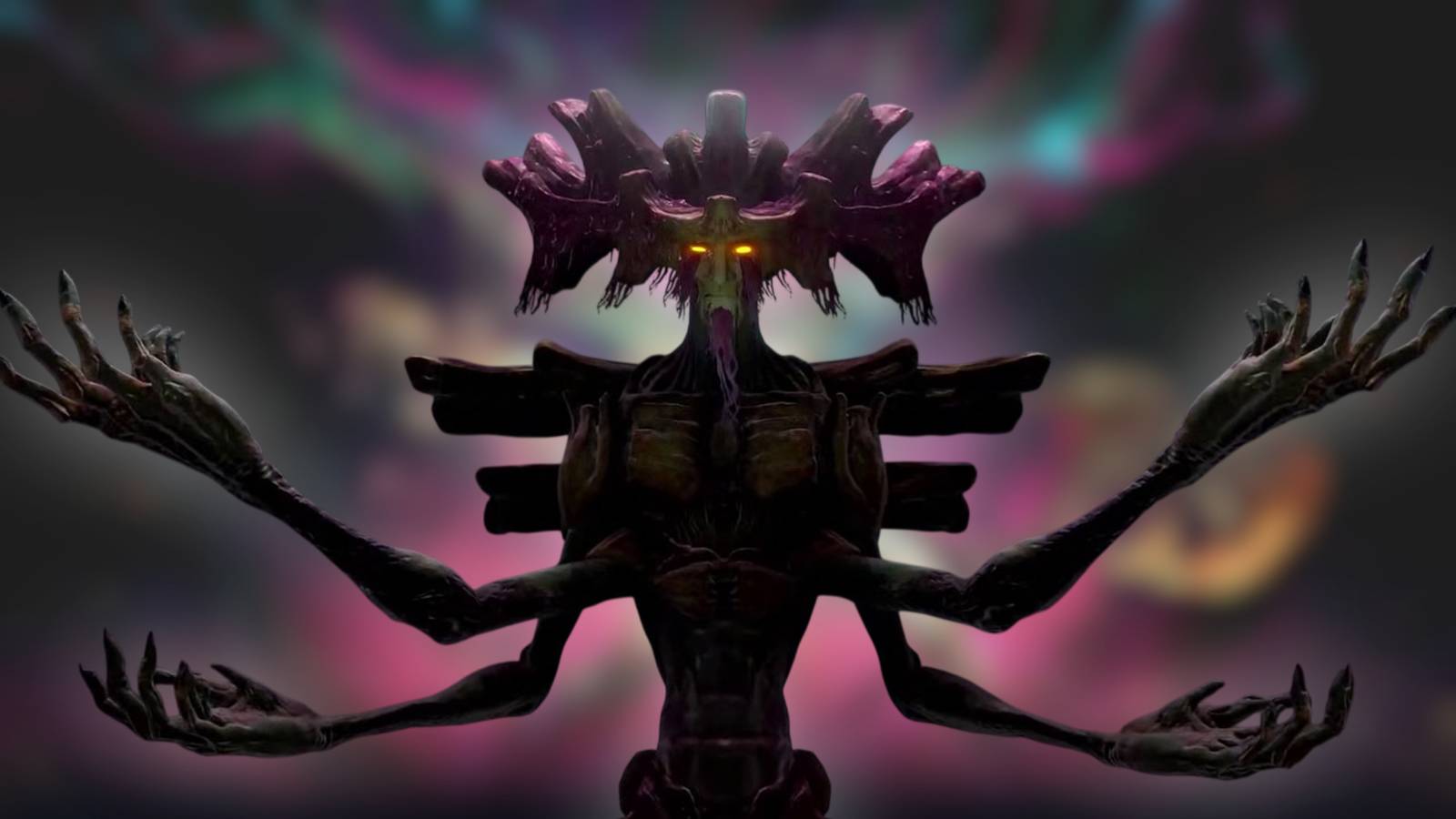
Metroidvania fans have no shortage of games to keep an eye on this year, with big titles like Castlevania: Belmont’s Curse and many more coming in 2026. What’s more impressive is the fact that some of the year’s most promising releases can still fly under the radar. With so many indie titles launching each year, it’s even easier for games from critically acclaimed studios to slip through the cracks. That makes upcoming sequels especially worth paying attention to—particularly when the original laid such a strong foundation. That’s exactly the case with Grime 2, the follow-up to Clover Bite’s 2021 fan-favorite Metroidvania.
While it may not have reached the same level of mainstream recognition as some of its genre peers, the original Grime quietly earned a reputation for its distinct style and innovative mechanics. Released in 2021, it arrived during a surge of indie Metroidvanias and still managed to carve out its own identity, blending Soulslike combat sensibilities with a surreal, almost alien world design. Players who gave it a chance found a game that was both challenging and rewarding, one that trusted them to learn its systems, experiment with its mechanics, and sit with its ambiguity. Over time, that word-of-mouth appreciation helped Grime gain cult-favorite status. And that’s exactly the kind of foundation that makes Grime 2 worth paying closer attention to.
Marathon is Being Review Bombed
Marathon’s user review score on Metacritic plummets due to numerous 0/10 scores, with the review bombers citing a number of issues with the game.
How The Original Grime Became a Critically Acclaimed Hidden Gem
When Grime launched in 2021, it immediately stood out thanks to its surreal world design and unusual gameplay systems. Set in a strange, organic-stone universe filled with cryptic characters and unsettling environments, the game leaned heavily into atmosphere and ambiguity. Critics responded positively. The game holds a favorable reception, including an 81/100 score on OpenCritic.
While the cumulative score reflects solid critical success, Grime never quite broke into the mainstream conversation in the same way as some other indie gaming hits. Still, for players who did dive in, it left a lasting impression.

Balance the critic averages
Balance the critic averages
Easy (6)Medium (8)Hard (10)
Grime’s Absorb Mechanic Helped It Stand Out

Part of what made Grime so memorable was its core gameplay hook. Like many modern Metroidvanias, it blended exploration with the best Soulslike games’ combat. But instead of relying solely on dodging and attacking, Grime introduced a unique mechanic centered around absorption. The player controls a being known as the Vessel, a humanoid figure with a black hole for a head. This design is both an aesthetic and tied to gameplay. The absorb mechanic functions as both a parry and a resource system:
- Successfully absorbing enemy attacks can reflect damage back at foes
- Absorbing weaker enemies can instantly destroy them
- Successful absorptions restore health and build Breath, a key resource for the player
- Poorly timed attempts leave the player vulnerable
This system rewards precision and timing while encouraging players to engage more aggressively with enemies rather than simply avoiding them. It also adds a layer of strategy that helps differentiate Grime from other Metroidvanias in an increasingly crowded genre.
Grime’s World and Story Lean Into Mystery

Beyond Girme‘s combat, the game also carved out a niche through its storytelling approach. Like many games in the genre, it favors environmental storytelling and cryptic dialogue over direct exposition. Players take control of a being known as the Spiral Heart, navigating a world populated by strange, half-formed creatures and conflicting ideologies. Themes of creation, destruction, and identity run throughout the game, with NPCs often speaking in riddles or fragmented thoughts. This lack of straightforward storytelling may not appeal to everyone, but it plays a key role in building the game’s haunting tone. Exploration is just as much about piecing the world’s logic together as it is about unlocking new abilities.

Major New Xbox Console Features Are Officially on the Way
Microsoft releases a fresh set of dashboard tools that give players more ways to customize their consoles and manage how their favorite games perform.
Grime 2 Has the Potential to Build on a Strong Foundation
With Grime 2 officially releasing on March 31 on both PC and consoles, the sequel has a clear opportunity to expand on what made the original so compelling. If Clover Bite builds on the first game’s strengths, players can likely expect:
- More refined Soulslike combat built around the absorb mechanic
- Expanded world design with deeper exploration
- New abilities that further evolve its Metroidvania progression
- A continued focus on surreal storytelling and atmosphere
Sequels in the Metroidvania genre often succeed by iterating on established systems rather than reinventing them entirely. Grime 2 is well-positioned to do exactly that, especially given how distinct the original already feels.
Grime 2 Is Worth Watching for Metroidvania Fans

Even years after its release, Grime remains one of those games that feels slightly overlooked despite strong reviews and creative ideas. That makes its sequel particularly exciting, as it has the potential to bring more attention to a series that deserves a wider audience.
For fans of challenging combat, unconventional mechanics, and atmospheric world-building, Grime 2 is shaping up to be a sequel worth keeping an eye on. If it can refine what worked the first time while expanding its scope, it may finally push the series into the spotlight it narrowly missed before.

Grime II

- ESRB
-
teen
- Developer(s)
-
Clover Bite
- Publisher(s)
-
Kwalee
- Number of Players
-
Single-player
- Steam Deck Compatibility
-
Unknown