





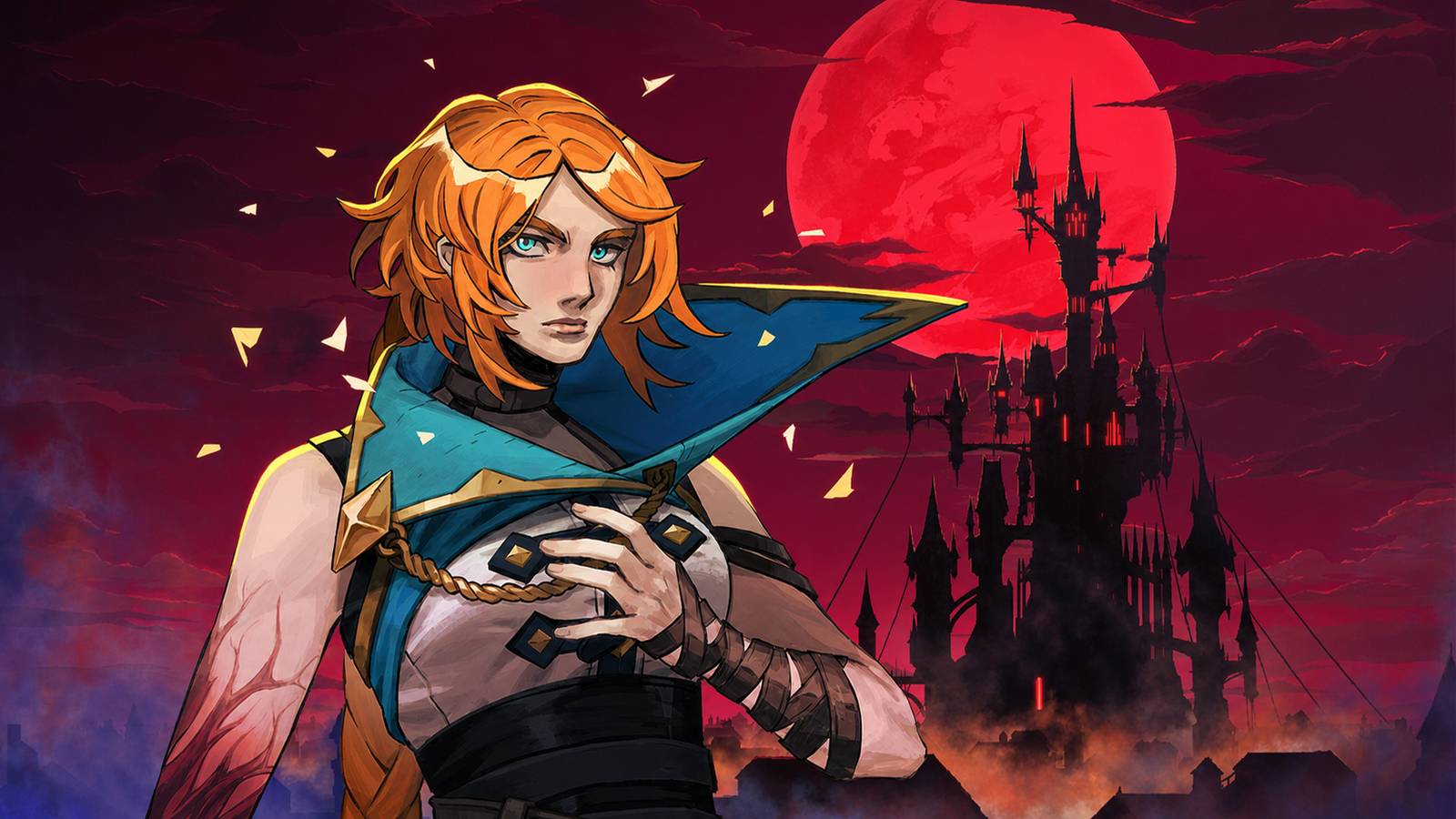
The release of Castlevania: Belmont’s Curse, the latest game in the ever-popular franchise, is quickly approaching. Castlevania: Belmont’s Curse, hailing from the minds of Emmanuel Nouaille at Evil Empire and Konami, will drop on October 15, 2026 for the Nintendo Switch. The odd way in which Konami is handling this release has raised many eyebrows, leaving many questioning why the new game was crafted specifically for the original Switch, an older console.
While some fans are upset about this strange rollout, others have been quite happy about it, as a native Switch release seems to broaden accessibility. The strategy raises unique questions about backward compatibility versus native titles and which a player prefers. One can’t be a substitute for the other, right? Whatever Konami’s reasoning for its release may be, Castlevania: Belmont’s Curse is coming, bringing with it an exciting, bloodthirsty adventure that brings the Belmont’s and their ongoing fight with the ever-fearsome Dracula back into the spotlight.
Castlevania: Belmont’s Curse is Stunted Without an Official Nintendo Switch 2 Version
-
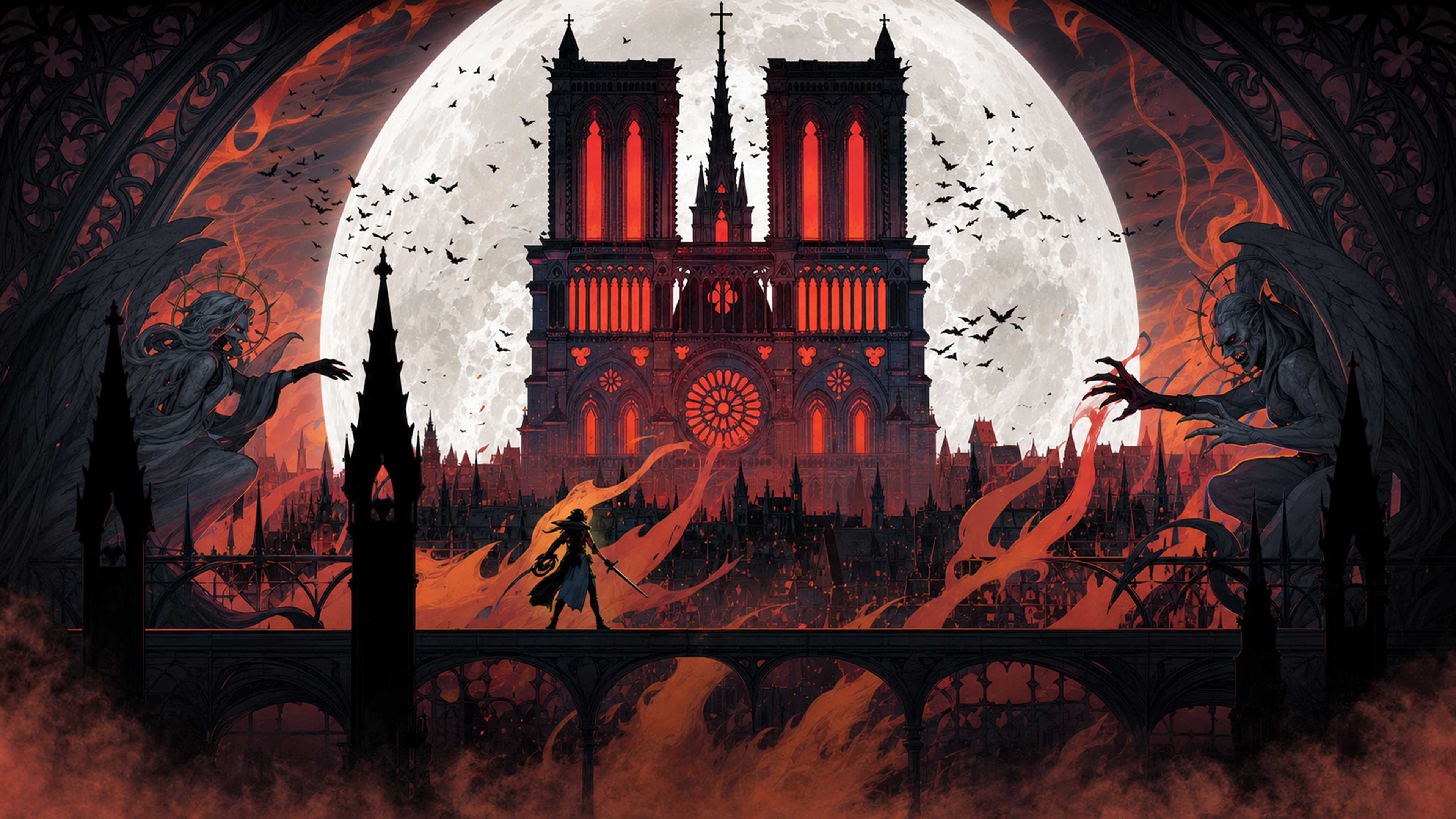 Image via Konami
 -
 Image via Konami
 -
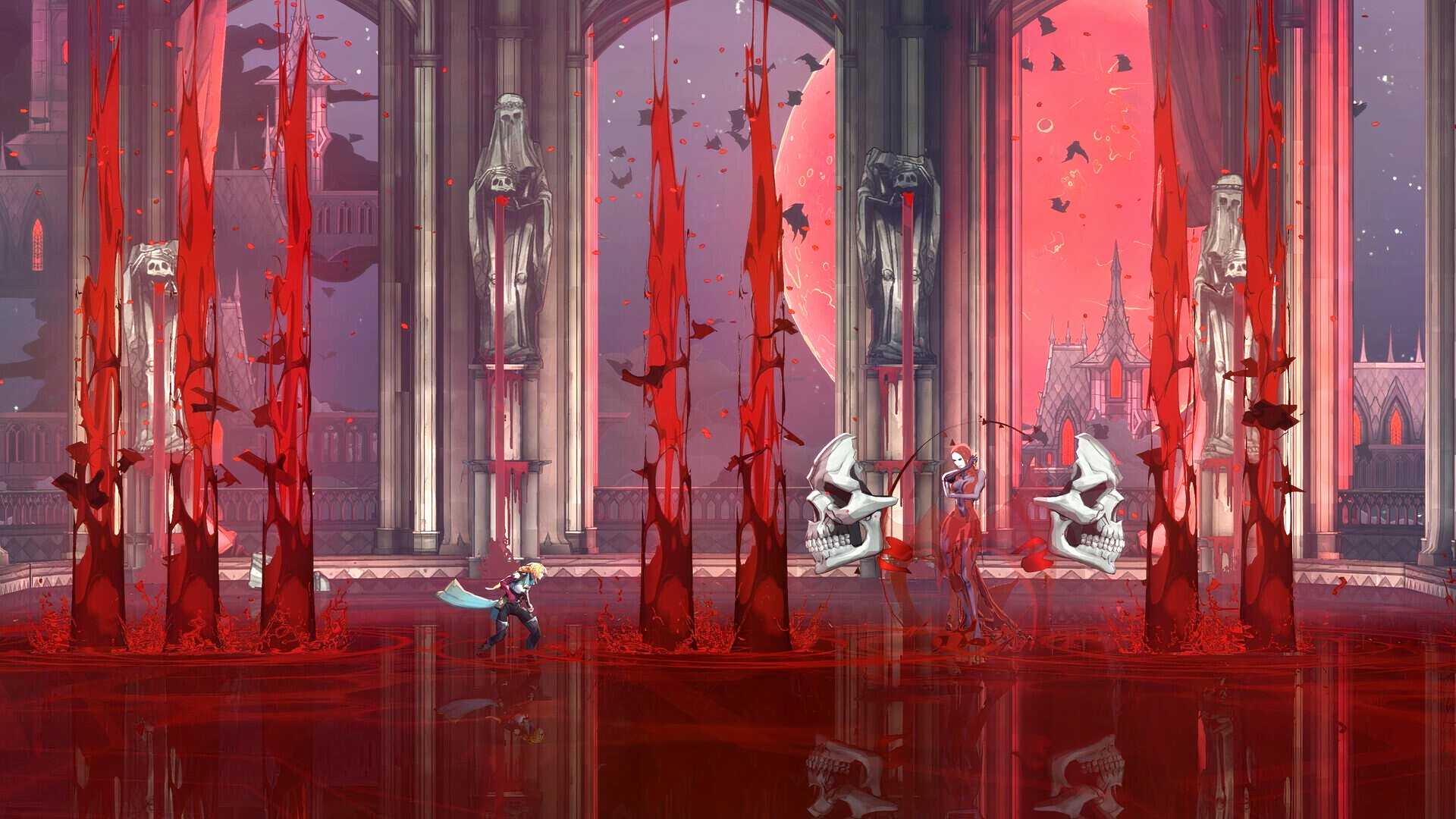 Image via Konami
Castlevania: Belmont’s Curse was developed specifically for the Nintendo Switch, but can also be played on the Switch 2 via backwards compatibility. Developers usually strive to launch new games on new consoles, but Konami has strangely handled this launch, doing the opposite of what most expected. An actual Switch 2 version of the 2026 title was not created. This serves as an issue because relying on older games to run via backward compatibility, or more like forward compatibility in this case, is not the same as—and should not replace—developers making games specifically optimized for Nintendo’s current console. Newer tech should not be pushed to the wayside, especially if developers have the best experience for players in mind.
Who’s That Character?
Identify the silhouettes before time runs out.
Why put a new game on an older console with fewer capabilities? A native Switch 2 title would serve to improve assets or resolution, creating a more pleasant visual. Fans would be treated to faster loading times and smoother frame rates, playing the new game as it should be played at its highest potential. While the OG Switch still holds up, the Switch 2 serves as an improvement, upgrading features that make playing video games more enjoyable. While playing a 2026 release like Castlevania: Belmont’s Curse on the original Switch, the game could appear a bit chunky or blocky. The game runs when played on the Switch 2, but it is still fundamentally designed for the older hardware.
Relying on older games to run via backward compatibility, or more like forward compatibility in this case, is not the same as—and should not replace—developers making games specifically optimized for Nintendo’s current console.
In simple terms, this is like introducing a new flavor of ice cream but serving it with an archaic scooper and bowl. Something new is meant to be amplified via new technology. I don’t want my ice cream served in this way when an employee could easily scoop my ice cream using a modern scooper and a normal bowl. Video game fans want to experience a game to its fullest potential, and releasing something this new on an older console feels like Konami wants the game to fail. Backwards compatibility shouldn’t substitute for an optimized version because they are fundamentally different.
-
 Image via Konami
 -
 Image via Konami
 -
 Image via Konami
Kit Ellis, ex-senior PR manager at Nintendo of America, expressed his confusion at Konami’s approach to releasing a Switch version but not a native Switch 2 version of Castlevania: Belmont’s Curse. The game will run at 60 FPS when played on the Switch 2, but 30 FPS on the original console, which is a cause for concern for fans with the original Switch. In his statement on Instagram posted on October 6, Ellis said,
If you’re a Castlevania fan who mostly plays on Nintendo Switch 2, I wouldn’t blame you for having some mixed feelings about Castlevania: Belmont’s Curse. The way Konami has handled this game is a little weird….This is a Switch One game and I don’t understand why.
Optimized or native games are created to work specifically for newer tech, while backwards-compatible games run on newer consoles, but their legacy code keeps them stuck in the past. Even with the new tech making it look better, the performance of the game depends on the hardware differences between generations and how the game was originally coded. Optimized titles take full advantage of the new tech that they are optimized for, presenting better overall. They are two different scenarios that should be treated as such. Not a replacement for one another. It is a unique move on Konami’s part, and one that has some fans in a tizzy. This is the first time in a long time that I have been confused about a release.
-
 Image via Konami
 -
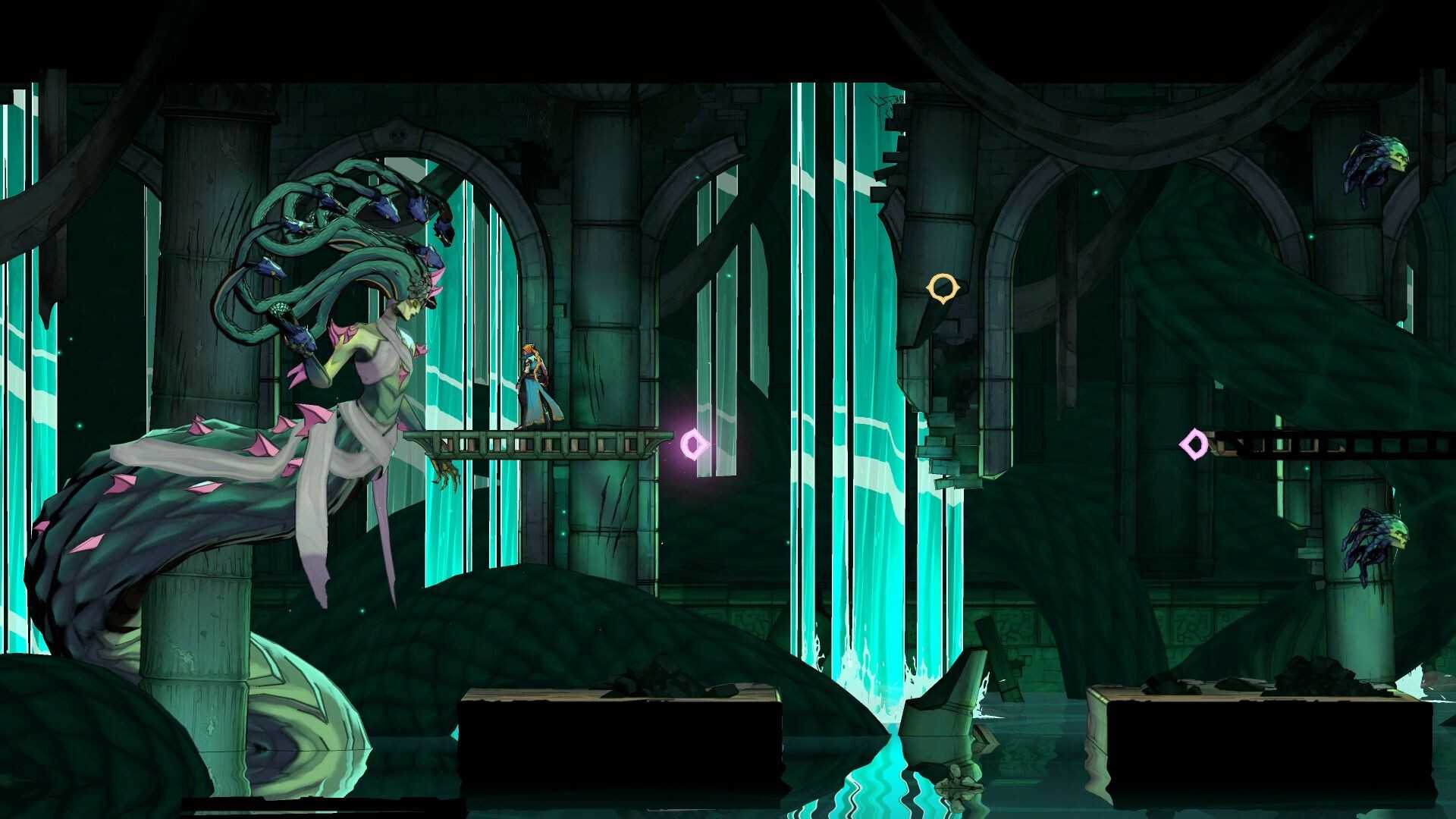 Image via Konami
 -
 Image via Konami
If fans still want to experience Castlevania: Belmont’s Curse to its fullest potential, they’ll have to settle for a non-native Switch 2 version that performs a little better than its native counterpart. The Switch 2 has been out for almost over a year at this point, which would have given Konami ample time to optimize the game for that console. Instead, the game was designed specifically for the older console, but can still be played on Switch 2. Despite all its weird release issues, the title looks just as fun as the rest of the Castlevania series, bringing fans back to the Belmont family and their fight against blood-sucking baddies in a big way.
Backwards Compatibility Sometimes Offers a Bare-Minimum Experience for Some, but Others Enjoy It
At the end of the day, games running through backward compatibility offer a slight boost in frame rate, but won’t feature custom graphical overhauls, textures, or hardware-level optimizations that a dedicated “next-gen” patch or native version would provide. In short, backward-compatible games do not utilize systems to their fullest potential. There are a select few that enjoy them for accessibility reasons, in particular, which I believe is the main draw.

Backwards compatibility is great for those who had to miss out on a console during the previous generation. I never had a PS1, but when I got a PS2, I was able to play PS1 games. It was like getting a 2-for-1. Folks won’t have to go out to buy a new console to play Castlevania: Belmont’s Curse, which is also nice, utilizing what they might already have instead of overhauling their setup for a singular game. This is, in a way, cost-effective gaming.
I appreciate backwards compatibility because it preserves older titles, allowing for more repeatability. That’s why I loved my Wii so much. I could play all the Wii games I wanted, while also being able to play GameCube games like Animal Crossing or Pikmin all on one console. Too often we see titles trapped on older consoles. The best way to revive an older game beyond a remake is to make it available on newer consoles. It exposes the title to new fans, while giving older fans something to fawn over all over again.
Older works are kept alive for older fans while newer players get to enjoy an old classic while seeing how far we’ve come in the world of game development. It’s a “best of both worlds” scenario. This argument doesn’t extend to Castlevania: Belmont’s Curse, unfortunately. New games deserve to be launched on new consoles that can showcase the devs’ hard work. The Switch is nine years old, while the Switch 2 is barely a year old with tech that will make games like Castlevania: Belmont’s Curse shine. Switch 2 demo playthroughs already showcase how brilliant the side-scrolling title looks in comparison to the 30 FPS OG Switch version. Love it or hate it, that’s what Konami decided to do.

- Released
-
October 15, 2026
- ESRB
-
Teen / Blood, Mild Suggestive Themes, Violence
- Developer(s)
-
Evil Empire, Motion Twin