


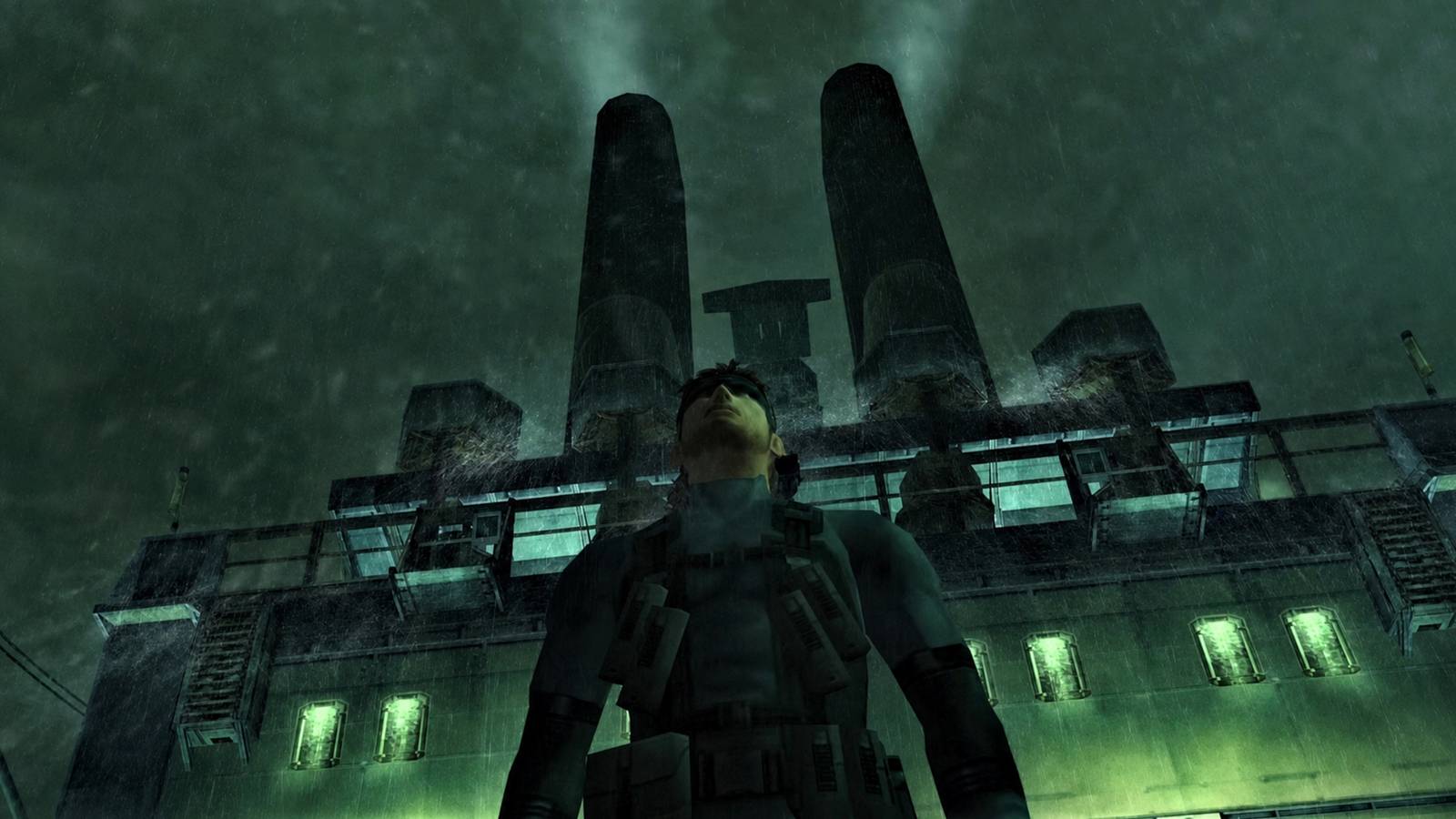
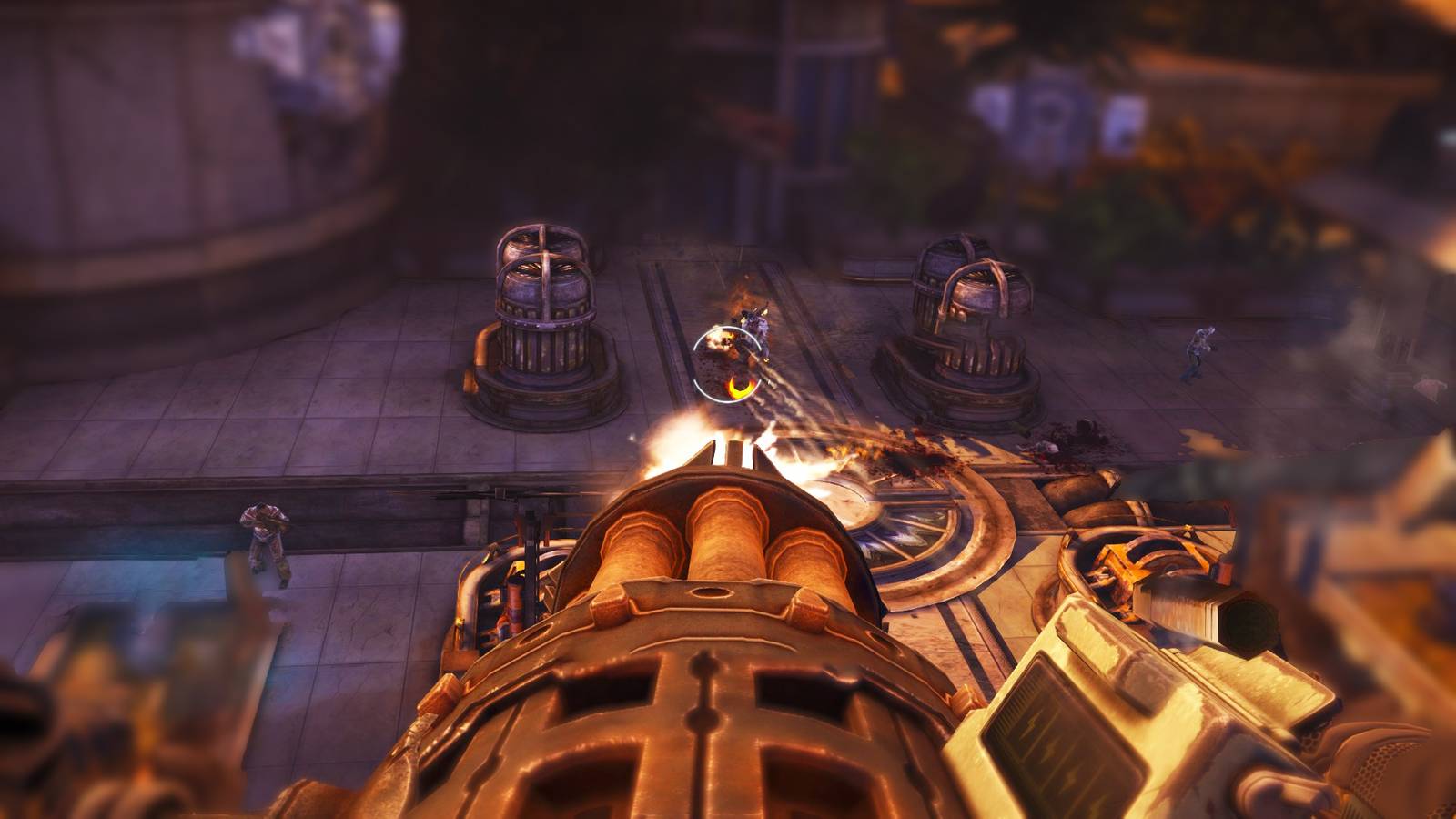



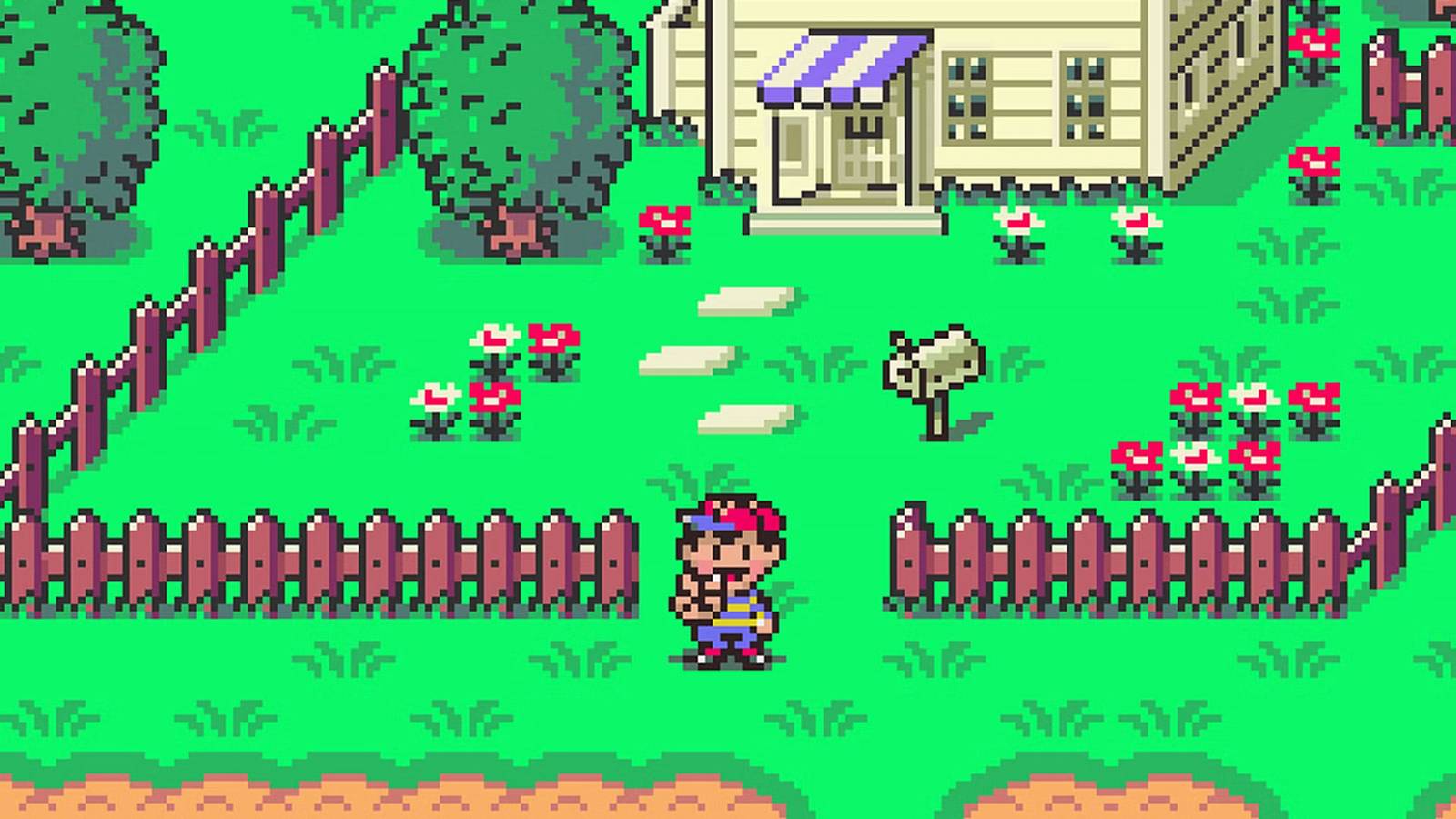
Nintendo released the SNES more than 35 years ago, and it perseveres as a top contender for the greatest console of all time. As important as the NES and PS1 were, SNES games have aged way better, and there’s a reason indie devs love to copy the hardware’s 16-bit aesthetic. Ultimately, just because a game still looks good doesn’t mean it is fun to play, but these SNES masterpieces certainly don’t have that issue.
You can boot up these classics right now and have a fantastic time, provided the emulation works as it should (or you have an SNES lying around). They don’t feel as industry-pushing as they once did, but their fundamentals are so perfect that they can be appreciated on their own, without any further context.
EarthBound Exists Outside Of Time And Space
The Most Forward-Thinking SNES Game
- Visuals, innovative gameplay, and surreal story have aged beautifully.
While Mother, aka EarthBound Beginnings, on the NES hasn’t stood the test of time, its sequel, Earthbound, has aged so well that it could be mistaken for a modern indie darling. A huge influence on modern RPGs like Undertale and LISA, Earthbound set itself apart from the 16-bit crowd by shifting away from high fantasy and towards urban satire, all the while incorporating forward-thinking mechanics that were light-years ahead of the trends.
More so than any other legendary SNES game, Earthbound is timeless. The game tells a fantastic surreal story that blends comedy and horror, all the while emphasizing immersion both thematically and mechanically. The lack of random encounters and the option to instantly beat weak enemies became staples of modern RPGs thanks to EarthBound, although not enough titles copy its rolling HP meter.
A Link to the Past Is The Definitive Zelda Game
A Winning Formula
- Everything. Everything has aged well.
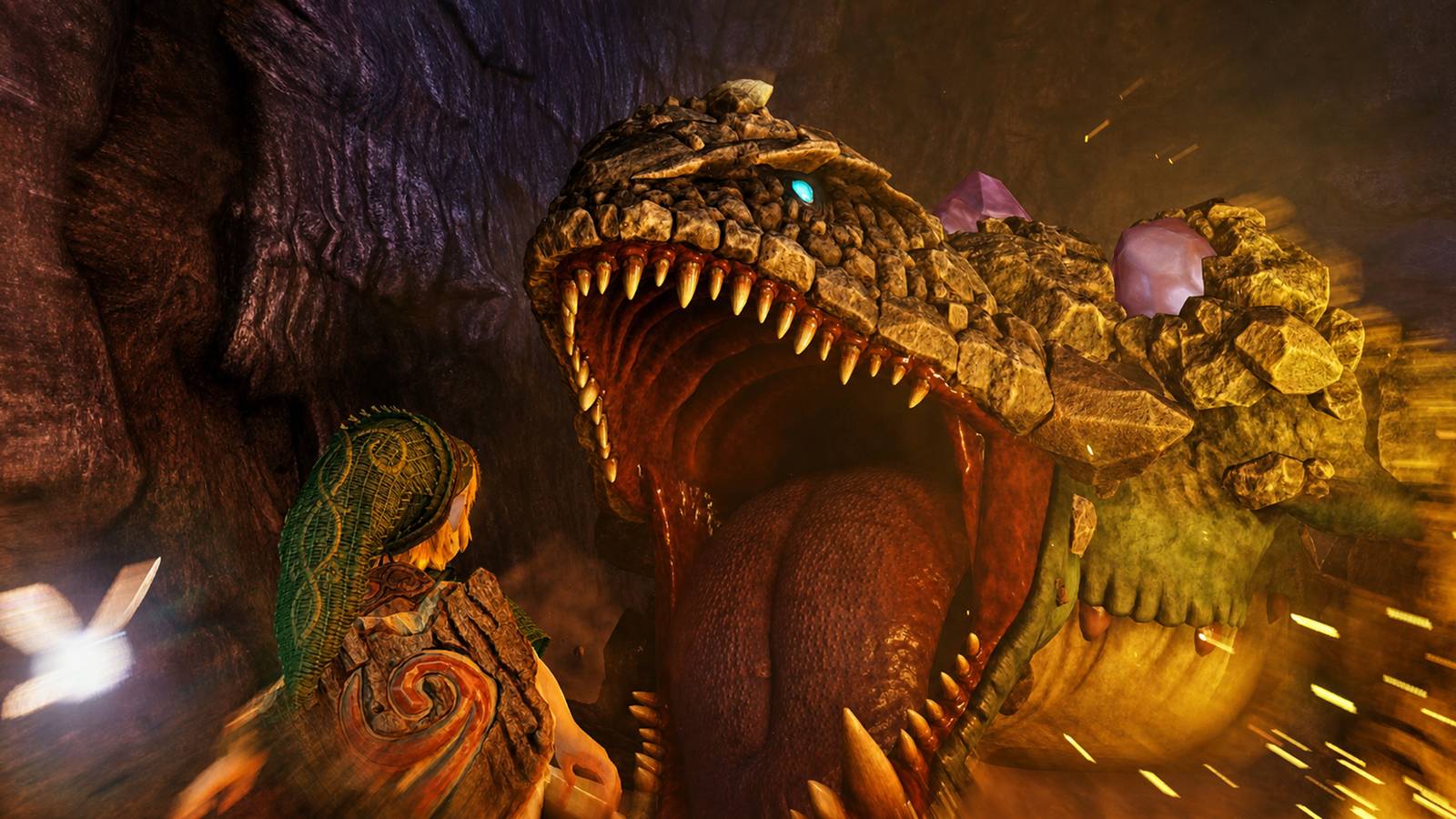
I almost skipped The Legend of Zelda: A Link to the Past, just to avoid throwing in such an obvious candidate; however, there’s really no denying its eternal 10/10 status. If the original NES game sketched a rough outline of what a Zelda game should be, then A Link to the Past filled in the colors and brought everything into focus. This marked the birth of the Zelda formula that remained a fixture until roughly Twilight Princess, and continues to be relevant today.
From the Dual-World dynamic to the fantastic 12-dungeon lineup and the simple but fluid combat, A Link to the Past is the ultimate action-adventure experience that can be revisited time and again. Preferences aside, this game’s visuals arguably represent the absolute peak of 16-bit art, and I mean of all time and not just on the SNES.
Terranigma Perfected The Action RPG Genre On The SNES
A Forgotten Masterpiece

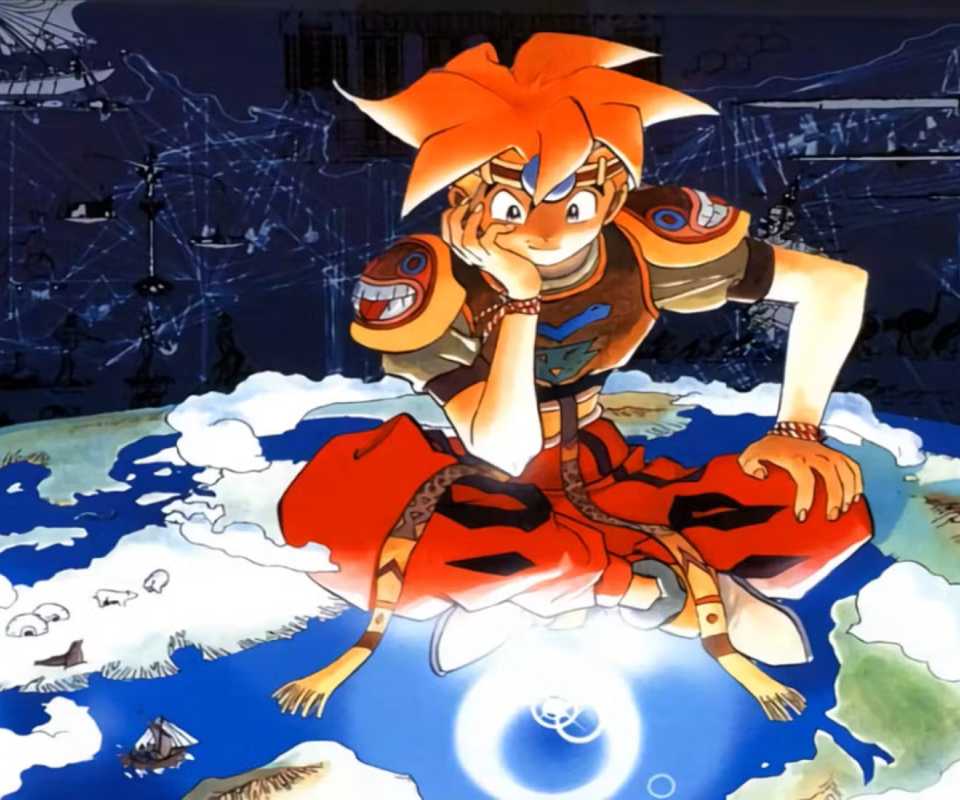
- Scope is wildly impressive for a classic RPG, and the combat still ranks among the best in the genre. Great music, too.
Time to step away from famous SNES masterpieces to highlight something a touch more unknown. Terranigma never established itself as a foundational JRPG like Dragon Quest 3 or Final Fantasy 6, but that comes down to distribution and its release date rather than quality. A strong argument could be made that Terranigma is the best action RPG on the SNES, followed by an even stronger argument that it has aged better than nearly all of its rivals.
Building on the ideas of Soul Blazer and Illusion of Gaia, Terranigma very much feels like Quintet’s magnum opus, both in execution and even in scale. The story goes for broke by challenging you to restore a dying planet, going through different evolutionary stages in the process. Along the way, the game tackles mature themes like ethics, reincarnation, and civilization’s impact on nature. More importantly, the gameplay feels so, so good, even nowadays!
Super Metroid Cemented Samus Aran As A Legend
That Classic Nintendo Hard SNES Game That Is Worth The Pain
- Non-linear exploration, detailed environments, and Metroidvania progression hold up perfectly.
1986’s Metroid contained all the parts that would become synonymous with the franchise, and Super Metroid fine-tuned those same ideas to near-perfection. While quite a few of the early entries in the series haven’t aged that well, the same cannot be said for Super Metroid, which might still be the gold standard for 2D non-linear exploration games.
Samus Aran finds herself exploring Planet Zebes, a haunting world that seems confusing but begins to make sense once you get your bearings right. The interconnected level design expertly uses environmental storytelling, visual cues, and enemies to guide you through the maze, rewarding your hard work with upgrades that greatly expand the map. Revolving around momentum, movement feels incredibly snappy and intuitive, all the while allowing room for experimentation and mastery.
I guess Super Metroid’s difficulty might be a wall in this day and age, but it isn’t that hard by the genre’s early standard. I don’t consider myself to be “good” at Metroidvanias, but I found Super Metroid fairly doable, aside from a couple of moments.
Chrono Trigger Is The Best RPG… End Of Sentence
No Nostalgia Goggles Required
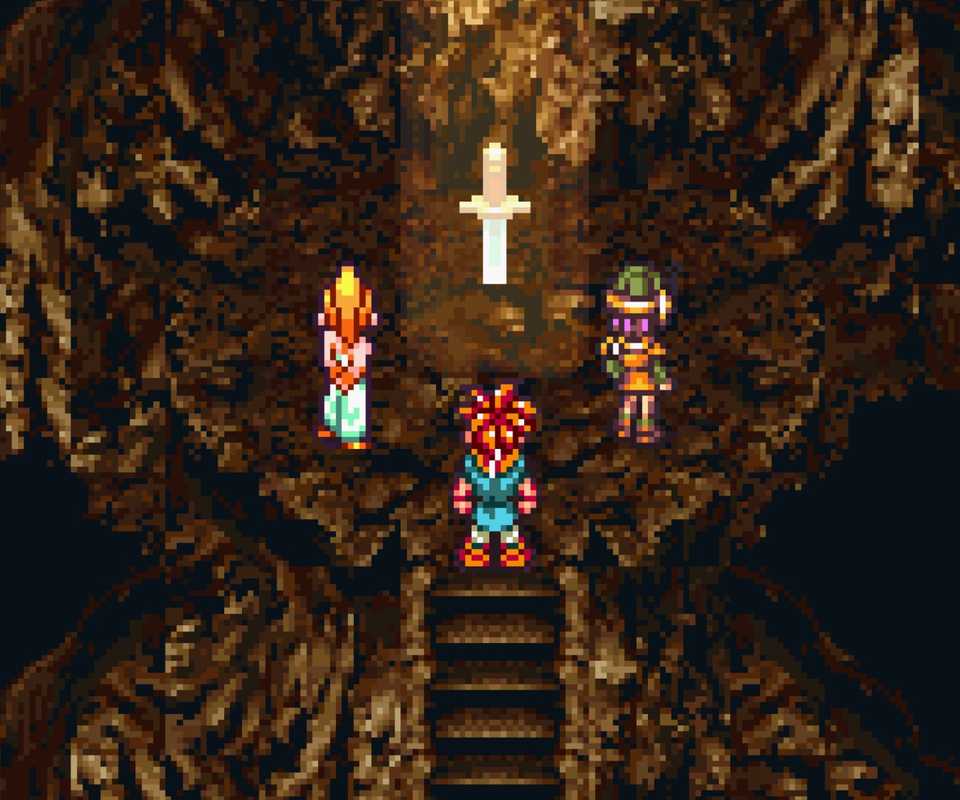
- Time travel, battle system, New Game+, and visuals… honestly, everything is a 10/10.
Chrono Trigger is the best RPG of the ’90s, if not all time. Despite those types of statements being inherently controversial, I don’t anticipate too much pushback on this one. Created by the ultimate dream team (Hironobu Sakaguchi, Yuji Horii, and Akira Toriyama, Chrono Trigger was a true lightning-in-a-bottle creation that Square Enix has yet to truly recapture, and that’s by no means a criticism of any subsequent RPG.
Unlike so many all-time masterpieces from yesteryear, Chrono Trigger can be simultaneously appreciated as a historical milestone AND enjoyed purely as an RPG. At roughly 20 hours, the campaign never outstays its welcome, with each dungeon and side quest bringing something crucial to the overall journey. The story implements time travel as well as any game in history, not only narratively but also through its multiple endings and the way they encourage New Game+.
Super Mario World 2: Yoshi’s Island Is A Gamble That Paid Off
Even Better Than The First Game
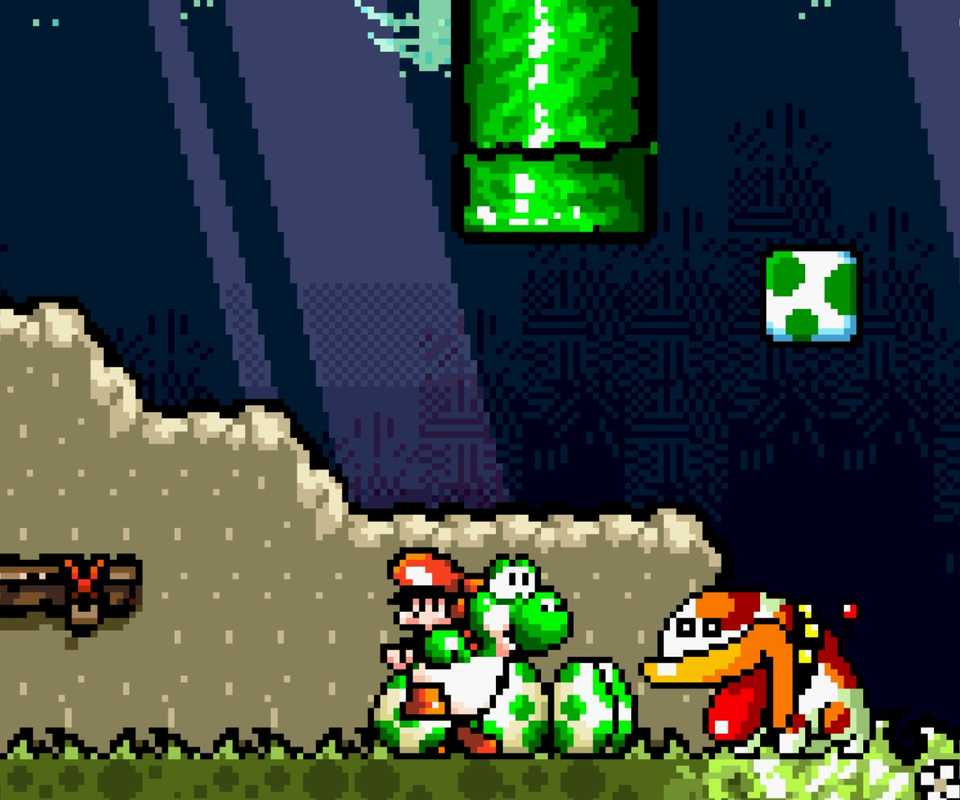
- Art style, puzzles, and boss fights are immaculate.
Both Super Mario World games are basically perfect, but I opted for Yoshi’s Island since it took so many unnecessary risks. Rather than playing it safe, Nintendo released a sequel that turns Mario into a baby, features a new protagonist with a completely unique moveset, and emphasizes slow exploration instead of fast-paced platforming. This could have been a disaster, but it ended up becoming an enduring classic.
Yoshi’s Island looks gorgeous, with the storybook aesthetic aging better than the early 3D renders that were coming out at the same time. Yoshi’s primary mechanics revolve around swallowing enemies and throwing eggs, both of which turn each level into a unique puzzle rather than a traditional jumper. Although some levels threaten to be more frustrating than fun, the campaign mostly hits the mark from beginning to end, including actually great boss fights (which is never a given for a Mario game).
And Just One Of The Best Capcom Games
- Gothic identity, gameplay, and open overworld map still rock.
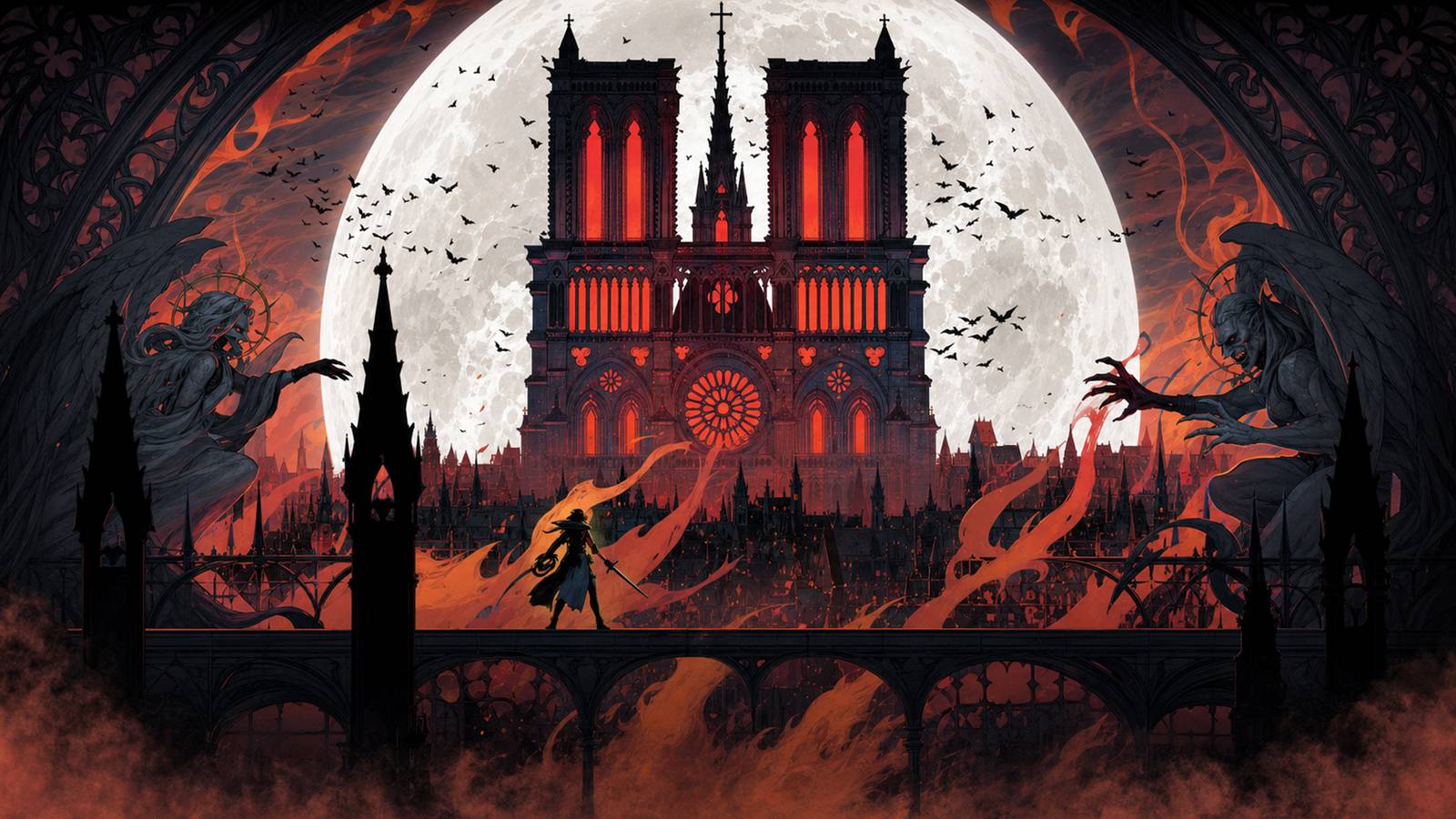
Capcom’s legacy tends to be tied to its defining franchises, but the developer didn’t just come into existence when Resident Evil dropped in 1996. In fact, Capcom had created quite a few masterpieces already, and Demon’s Crest might be its crowning achievement on the SNES.
Casting you as Firebrand, the villain from Ghosts ‘n Goblins, the game sends you on a hard-but-fair journey to take control of the Demon Realm. Embracing non-linear design, Demon’s Crest is a stage-based platformer with the spirit of a Metroidvania, granting players the choice of which regions to invade next. The structure is kind of like Demon’s Souls, honestly. While not lacking variety, the environments all possess a gothic charm that is absolutely delightful.
Demon’s Crest‘s main gameplay hook is transformations that pretty significantly alter Firebrand’s abilities, providing both uses for combat and exploration.