



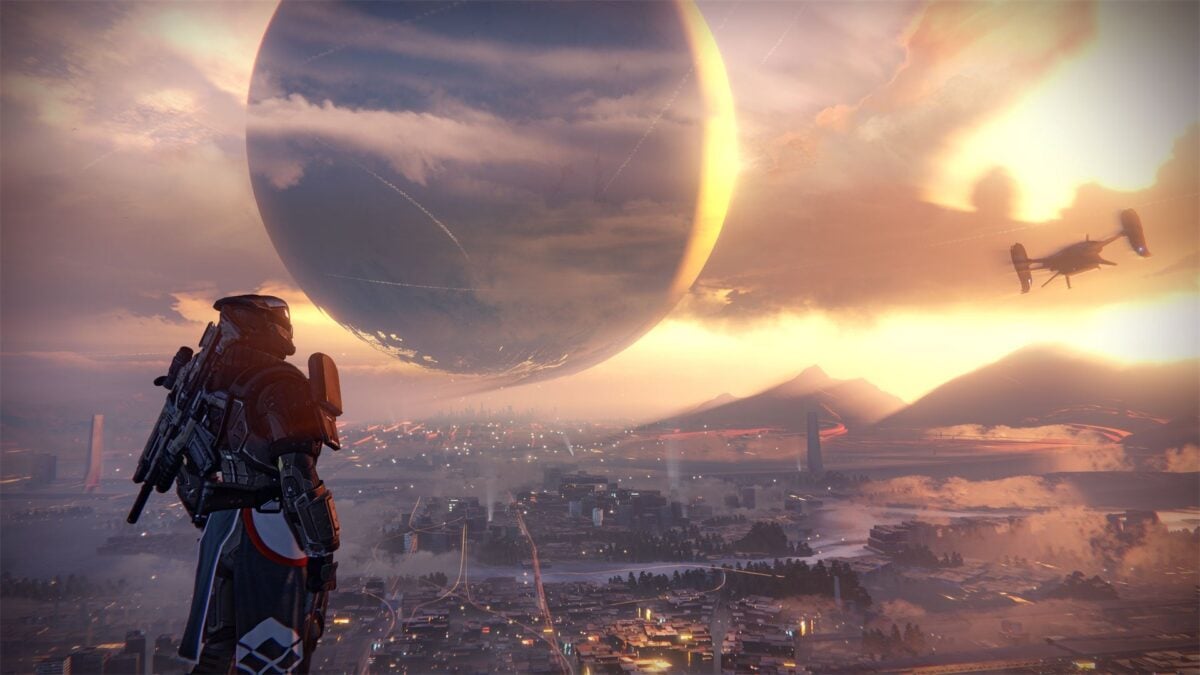
On May 21, Bungie broke my heart. It announced that after 12 years of operation, it would be pushing one last major update to Destiny 2 and calling it quits (for now) on one of my favorite imaginary worlds. A place in which I’ve spent an unimaginable amount of time—likely thousands of hours. A place I called home.
Despite previously announcing a timeline full of upcoming expansions that were meant to round out what Bungie was calling the “Fate Saga” of Destiny 2, it seems the only thing truly fated is Destiny‘s end. The team at Bungie is rolling many of the planned features meant to come to the game into one final update and sunsetting the troubled game, which had struggled to retain players and momentum after a monumental conclusion to its long-running Light and Darkness saga with its expansion The Final Shape, and a lackluster spate of releases afterwards.
The game will run in perpetuity, much like the original Destiny still does, but the already-slow crawl of new content will come to a stop on June 9, and Destiny 2 as we know it will come to a standstill.
Now, I expect some people will be quick to call Destiny 2‘s impending end of life a failure. I’d wager that the fact that it has not beaten the odds and continued to deliver the promise of constant content for players, as well as infinite growth for Bungie and Sony, will cause some to call it a disappointment. I expect many to interpret this titanic shift as a sign that games like this—live-service games with “treadmills” of seasonal missions and rewards for players, not to mention larger yearly expansions—can’t find any measure of success anymore if even a game like Destiny and a studio like Bungie can’t cut it.
Destiny is—was—by all measures, one of the most resounding successes in its field, though, and its end is little more than the failure of management, not the game itself, nor the team and community that propped it up time and time again, or the vision that fueled it. Destiny was a pioneer of the live-service formula. It was one of the earliest games of the 2010s to try to deliver constant goods, whether they took the form of missions, new loot rewards, or skins, to a console audience.
Of course, much of this framework was borrowed from the world of PC gaming, primarily MMOs, and this was yet another way in which Destiny was a novel success. Though there were often growing pains involved, it is easily one of the most successful hybrids of a console-first FPS with the content and stylings of an MMORPG like World of Warcraft.
To be clear, looter shooters like Destiny already existed by the time it arrived on the scene in 2014—look no further than the Borderlands series, which was already several installments deep by then. But Destiny’s mixture of hub areas like the Tower and the Farm with instanced destinations jam-packed with content was revelatory to much of Bungie’s diehard audience, many of whom had likely come up with the Halo series which the studio created and shepherded for Microsoft’s Xbox line of consoles.
For many Destiny players, including myself, the Vault of Glass was the first endgame raid of any sort that they ever completed, and represented the first step that many took into a whole new dimension of gaming. Destiny would continue to be a destination where console (and eventually even PC) players could experience setpieces that blurred and often collapsed the boundaries between these once-distinct genres and audiences.
Time and time again, Destiny reinvented itself and bounced back from the brink of what would’ve been the death of other games and studios. This meant stylistic shifts (like the brooding and dark fantasy of The Witch Queen expansion followed by the neon-tinged, sci-fi-heavy Lightfall expac) as well as changes in content. When raids, which required six-player teams, proved too inaccessible for fans of Destiny that desperately wanted to engage with the endgame, the team found a halfway point with dungeons that allowed for smaller teams with less time to engage in their own endgame activity.
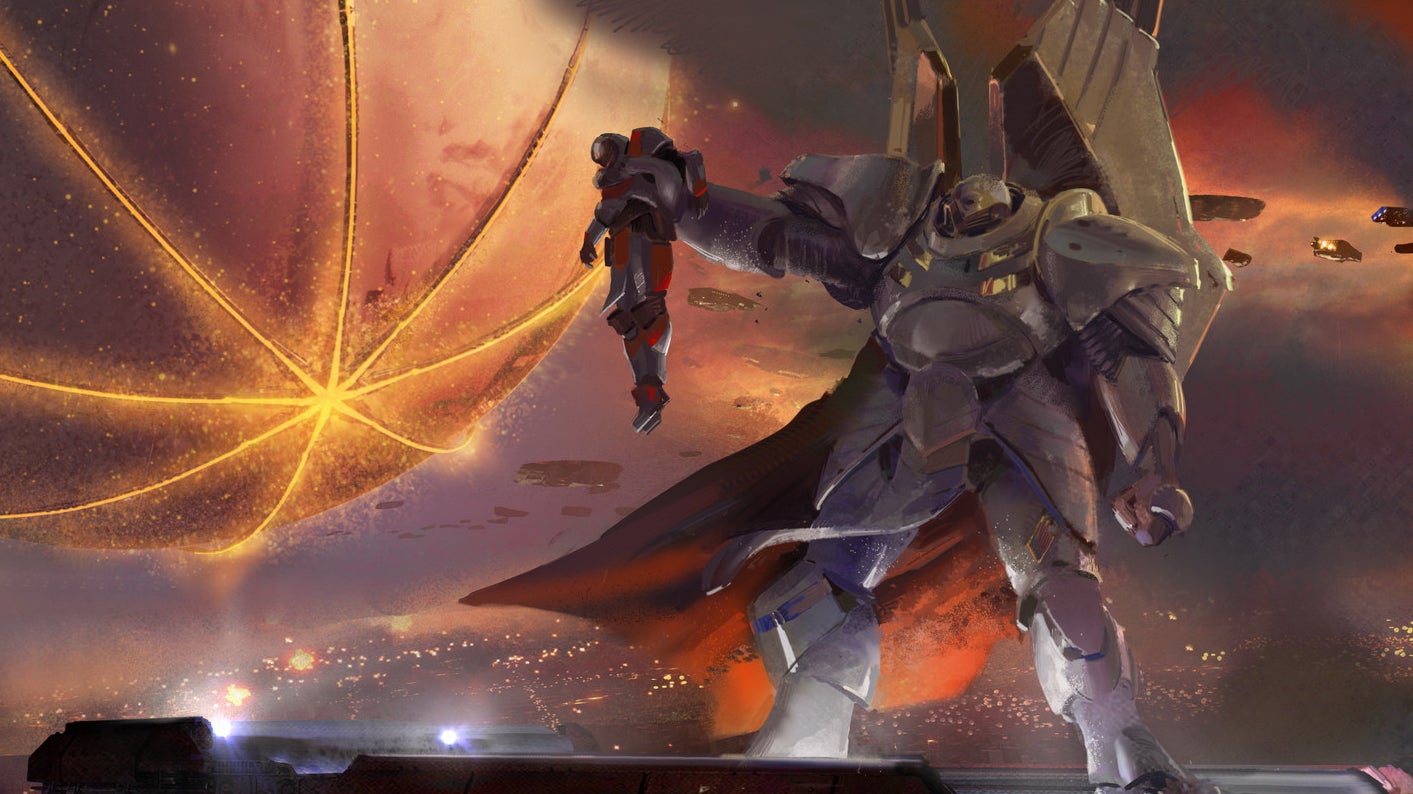
The Destiny team made effort after effort to retool the sandboxes of both the PvE and PvP offerings to make a balanced game for all parties, even if many of these changes often upset large swaths of the community. Bungie blended these elements into the PvPvE mode Gambit, which never got the love it deserved, and yet the team kept picking away at it in the hope that it might connect, or at least eventually become the best incarnation of itself for its small but dedicated audience. Even within a rigid form, the Destiny team kept innovating to the very end and always did things its own way.
Destiny formed a global community, one that came together to celebrate the game and aid in humanitarian causes. The Gaming Community Expo began life originally as the fan-led DestinyCon (before then becoming GuardianCon, and finally landing on the GCX name and branding only a few years ago), an event meant to connect Destiny’s online communities and clans in person. Through both the GCX and the work that the playerbase does with the Bungie Foundation, Destiny’s audience has raised millions of dollars in support of institutions like the St. Jude’s Children’s Research Hospital.
Even just looking through Bungie’s weekly updates—once known as This Week at Bungie, but since renamed This Week In Destiny—revealed a community that was constantly eager to use the game as a canvas to create even more art. Movie-of-the-week submissions regularly spotlighted creators making wonderful and odd machinima-like films and series within the confines of the game, and there was never a shortage of fan art centered on the series’ beloved characters, locales, and of course, incredible loot.
Though it is now ending, 12 years is a long run for anything, especially a live-service game, to entertain and accomplish even half of the things that Destiny accomplished. I don’t know about you, but little of that sounds anything like a failure to me. In so many ways that count more than the longevity of a product, Destiny soared. So even though all things do and must end, Destiny‘s end is far from failure. It’s one of gaming’s most profound successes. Long may it live.