





Live service, gacha and freemium games are among the top-earning in the industry. With the likes of Fortnite and Roblox especially popular among children, international regulation boards have begun crafting new ways to stymie predatory monetization practices. Last week, the EU announced it will be taking actions against ten specific companies, including Activision, Riot and Ubisoft, over some of the oldest grievances in gaming.
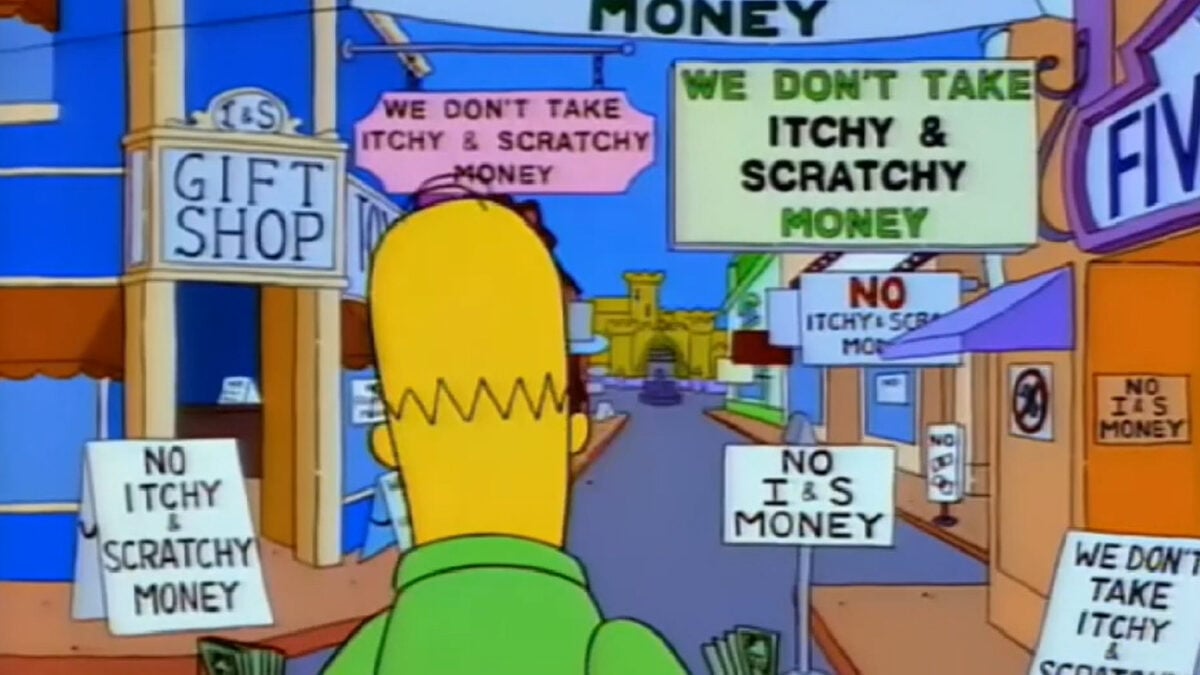
Spearheaded by the Italian Competition Authority, the EU is challenging Activision Blizzard, Mojang, Ubisoft, Riot Games, Crytek, Supercell, InnoGames, King, Plarium and Playrix over their monetization systems. The concern revolves around a practice that has frustrated since the early days of WiiWare and XBLA: platform specific currencies that rarely align to the price you’re looking to pay. You can buy bundles of 3,000 Itchy Dollars, but the cosmetics or upgrades you want only cost 2,999, forever leaving you with an unspendable angel’s share.
“In-game purchases (such as cosmetic upgrades and weapon upgrade packs) are often priced in currencies other than euros,” reads the press release, “but ultimately involve– a payment in euros, either directly or indirectly, via multiple virtual currencies… This is accompanied by other game-design mechanisms (such as selling virtual currency in bundles), the use of dark patterns, inadequate parental controls, and a lack of assistance when accounts are blocked.”
You might be asking, “wait, where’s Fortnite in all this?” Heading the consumer protection board at the pass, Epic already announced that starting this month players will be able to spend “exact amounts” of V-Bucks on specific purchases (except on PlayStation). While fun money used to be standard practice for paying real money within video games (again, except on PlayStation), most major companies have modernized, no longer paying footsie with your spare change. But these changes haven’t been across the board. A foundation of in-game monetization, the EU cited games like Call of Duty as needing to get its act together.
While this seems to address one of the original sins decades after the fact, it is hardly the only action taken by an international court. Through the year, consumer protection boards around the world have begun to hammer down on gaming practices, whether it’s adjusting age-ratings for gambling-like design (even in Mario Kart) or shoring up precedence for digital ownership.