
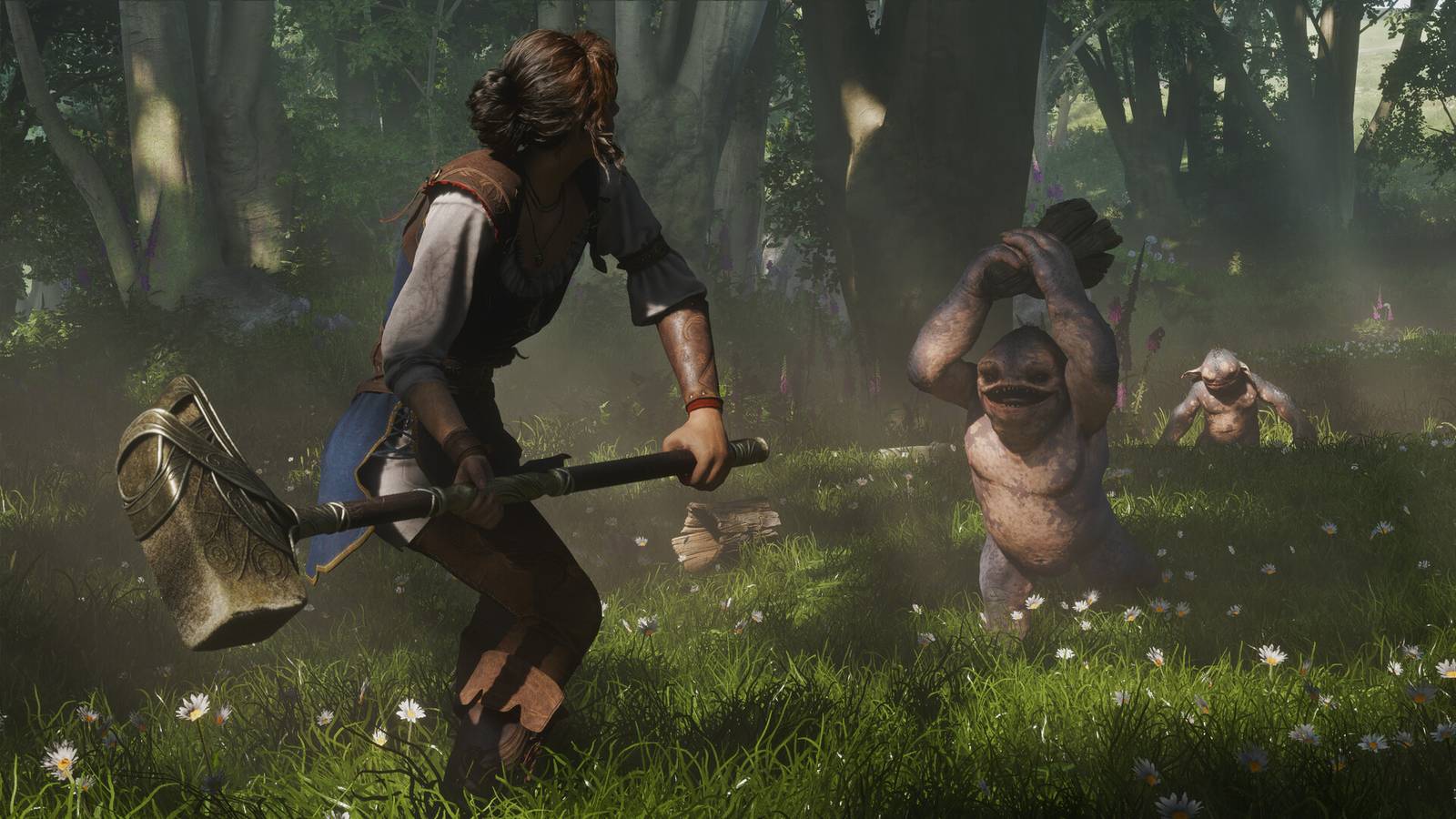




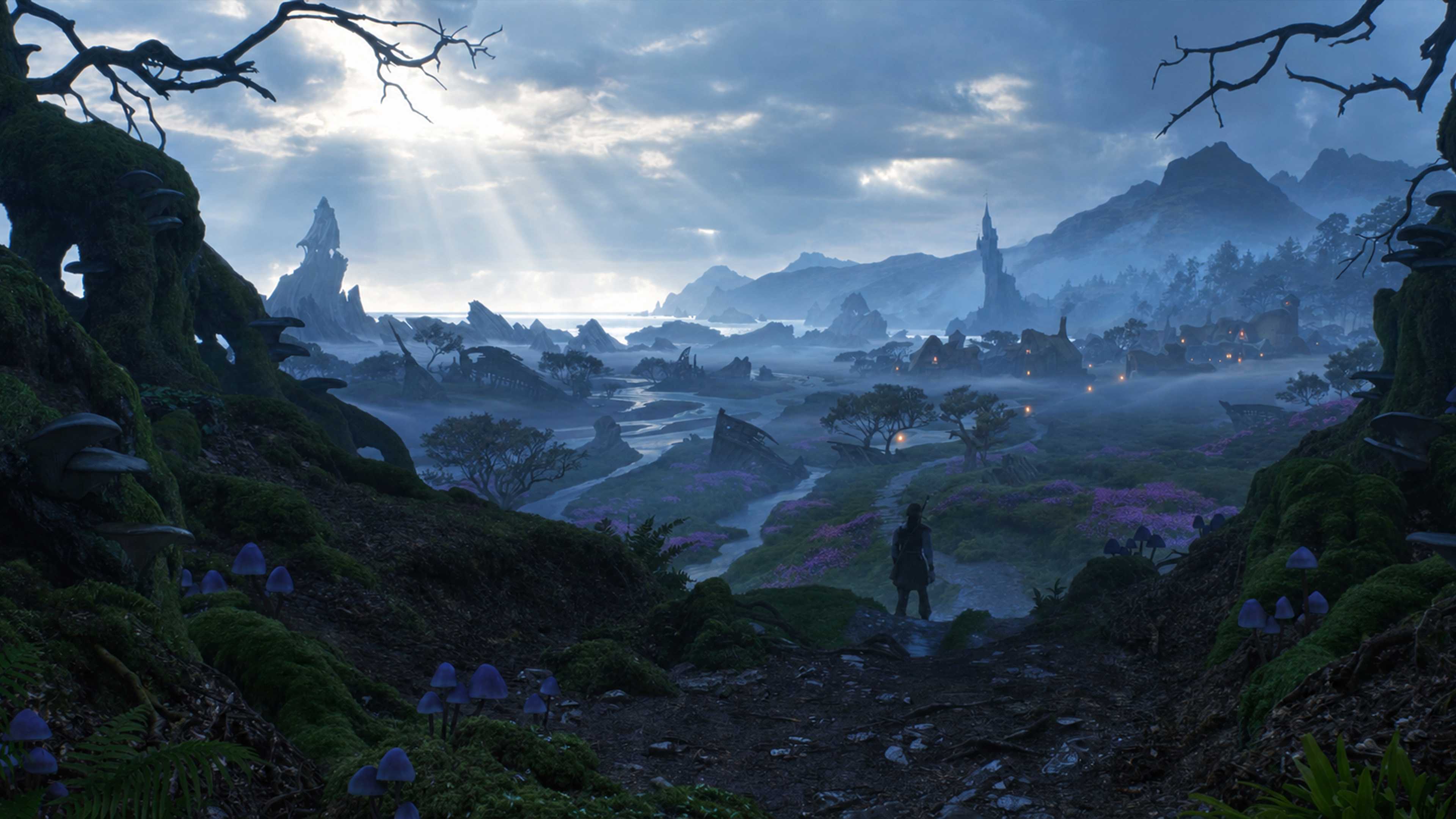
Playground Games just gave us another look at Fable for Xbox’s 25th anniversary, and I have to say, I’m glad to see that its latest four-minute walkthrough begins with something relatively small. The Hero of Briar Hill accompanies a local Hero named Arden into Deepwood to investigate strange magic that’s been affecting the people of Oakshire. Eventually, they discover that the forest’s natural magic has been corrupted by what appears to be an outside force, hinting that there’s more going on here than a few frightened townspeople might realize. I don’t mind that the mystery seems to be getting bigger, but I hope Oakshire doesn’t become irrelevant once the game reveals who’s behind it. If there’s one game that has demonstrated why those smaller stories can actually be so effective, it’s The Witcher 3: Wild Hunt.
I know comparing Fable to The Witcher 3 might seem a little unfair when we haven’t played the reboot yet, but I’m not suggesting Fable should copy CD Projekt Red’s writing or trade its iconic humor for something relentlessly depressing. The original Fable came out in 2004, more than a decade before The Witcher 3, and already let players make decisions that affected the people throughout Albion. What The Witcher 3 did particularly well, though, was make even the most ordinary problems worth taking seriously. By the time its larger threats became impossible to ignore, you had already spent enough time with the people living in that world to care about what happened to them.
The Witcher 3 Proved That Smaller Stories Can Be Just as Important
In the new Fable footage, Oakshire’s troubles are what send the Hero into Deepwood in the first place. It’s a fairly simple premise, and four minutes isn’t enough to judge how the full quest turns out. But I like that its starting point isn’t just some grand speech about saving Albion. Someone has a problem, and the local Hero wants to investigate it. That sounds much closer to the Fable I remember than a game that uses its main narrative alone to remind players of how important their character is. Of course, the outside force teased near the end could still be connected to a much larger threat, but that doesn’t have to make Oakshire’s problem any less compelling.

Guess the games from the emojis.
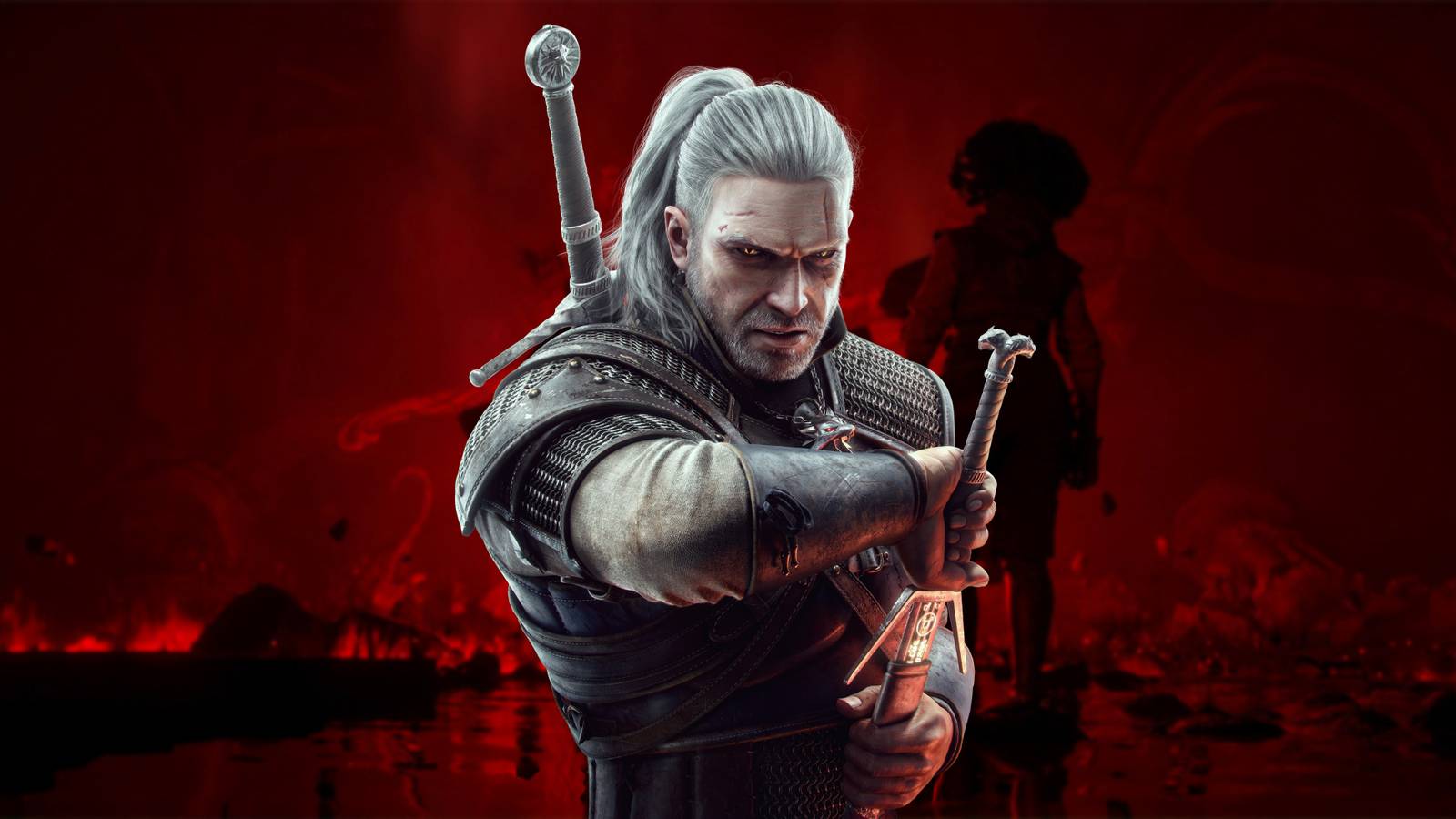
The Witcher 3 offers a pretty good example of how to handle that. Geralt is searching for Ciri while the Wild Hunt pursues her, so there’s already plenty to worry about. However, some of its best writing comes from dealing with people whose problems would exist, whether there was a larger threat, and also whether Geralt was there to deal with it. A contract that initially sounds like ordinary work can actually end up revealing something genuinely upsetting about the person who hired him. Sometimes the monster isn’t even the most troubling part of the situation, and the game also makes it clear that helping someone doesn’t automatically mean everybody involved gets a happy ending.
Just look at the Bloody Baron questline, which is actually part of The Witcher 3‘s main story but ends up being one of its most memorable personal stories. Geralt initially needs information about Ciri, only to get involved in a deeply unpleasant family situation that becomes more complicated as he learns what happened. I won’t get into every detail, because I’d rather not spoil it for anyone who hasn’t played the game, but the choices Geralt faces aren’t as simple as picking the obviously good option. In fact, the quest was so well received that it won Best Gaming Moment at the 2015 Golden Joystick Awards, a nice connection to this week’s ceremony. A story about one troubled family earned that recognition in a game with a threat as enormous as the Wild Hunt.
If there’s one game that has demonstrated why those smaller stories can actually be so effective, it’s The Witcher 3: Wild Hunt.
I think that’s worth considering when looking at Fable‘s new quest, particularly given Playground’s comments about the series. In an Xbox Wire interview, game director Ralph Fulton discussed an old Lionhead document describing Fable as a fairy tale rather than conventional fantasy, and emphasized the importance of choice and consequence in the reboot. That’s encouraging, because Fable never needed to be The Witcher in order to make Albion’s residents worth caring about. Its original games already let seemingly minor decisions affect how people treated the Hero, often with a rather ridiculous sense of humor attached. I’d much rather see Playground expand on that than borrow another game’s tone just to make its story appear more mature.
Fable Could Make Its Bigger Story More Meaningful by Starting Small
-
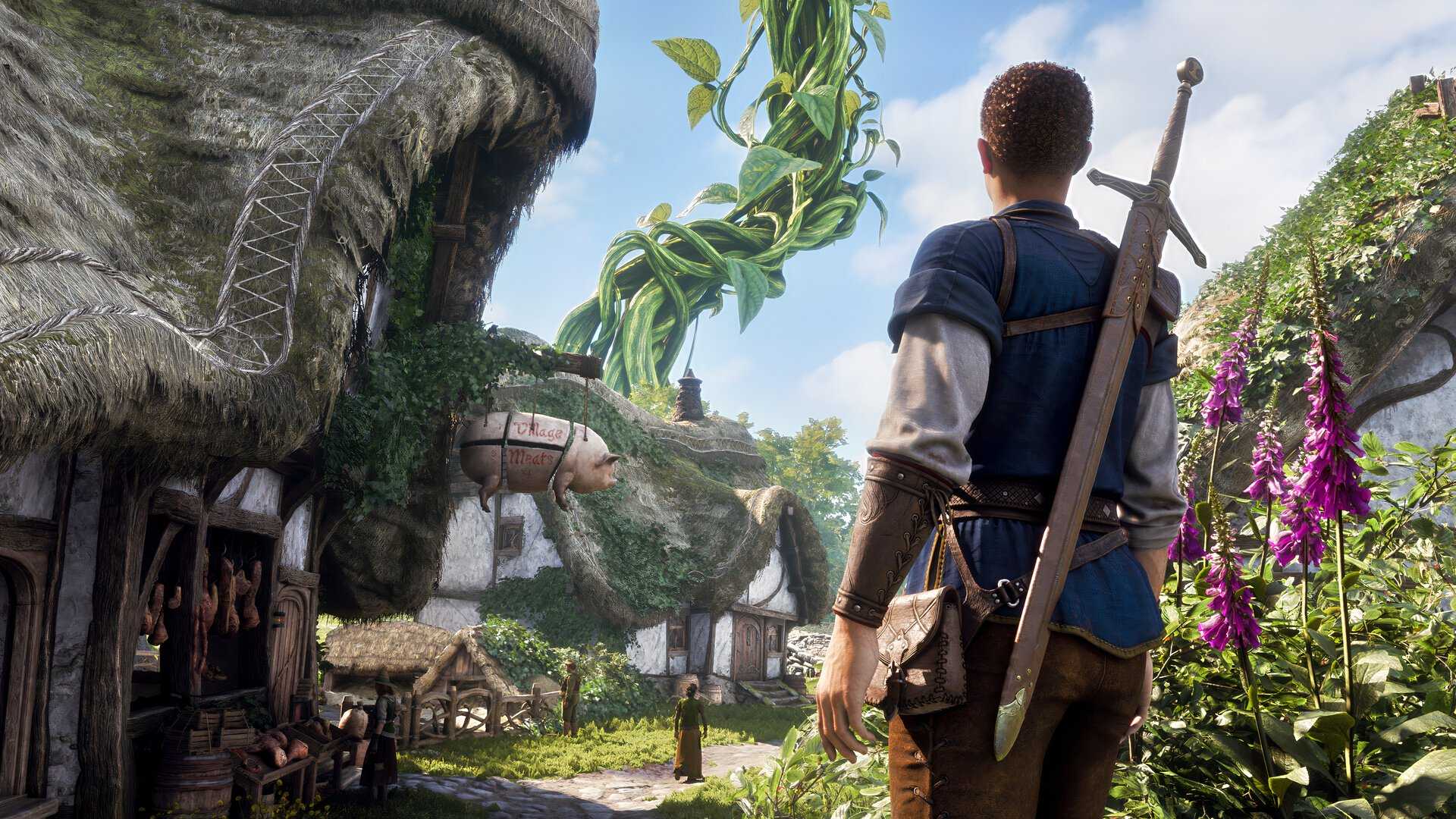 Image via Playground Games.
-
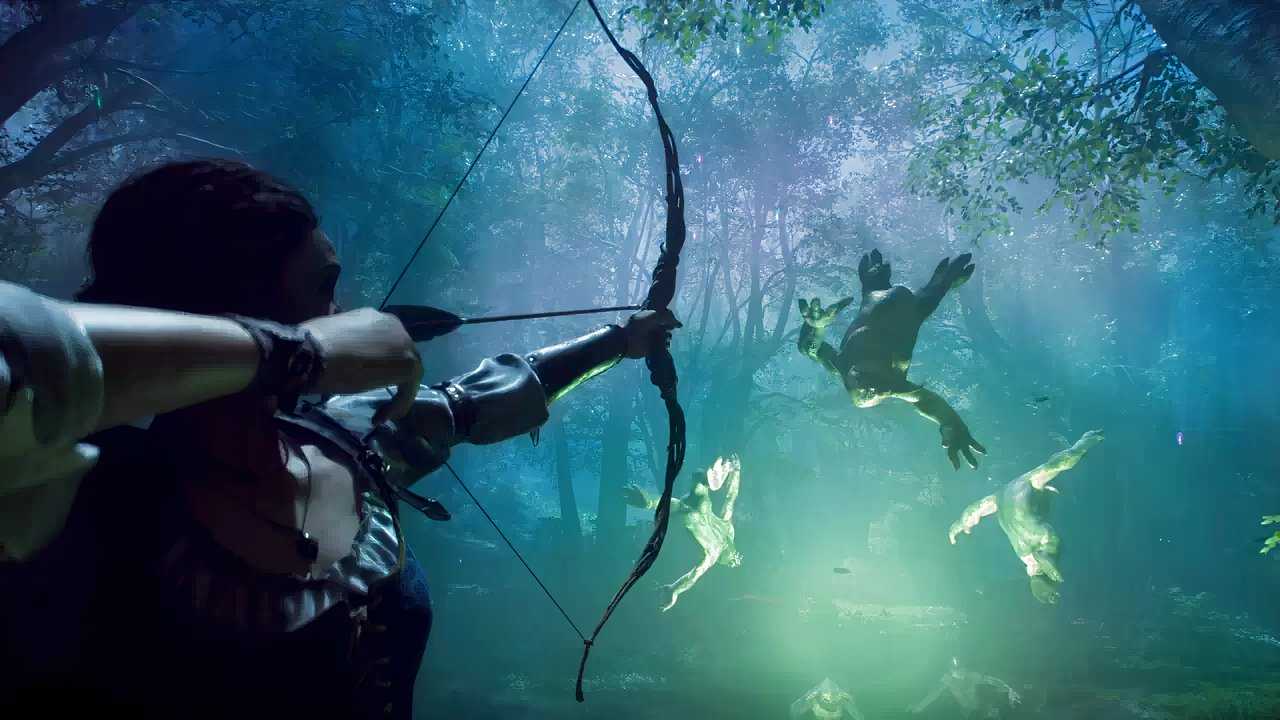 Image via Playground Games.
-
 Source: Playground
The other thing The Witcher 3 gets right is that its smaller stories don’t distract from the bigger threat. In fact, they usually make that threat matter more. After spending so much time meeting ordinary people and seeing what war has already done to them, the prospect of something even worse happening carries a lot more weight than it would if the whole game were only concerned with Geralt and Ciri. I can imagine Fable doing something similar without giving up the humor that made the original games so enjoyable. If the people of Oakshire still have something to say after the quest is finished, I’ll be much more interested in whatever comes out of Deepwood than I would be if they are forgotten the moment the Hero moves on.
For now, the four-minute walkthrough doesn’t tell us whether Oakshire will get that kind of attention, and I don’t want to pretend otherwise. We don’t even know how important the force corrupting Deepwood will be to the overall story, and Playground could still have plenty of surprises in store before Fable launches on February 23, 2027. But I like the decision to show a local mystery instead of another sequence meant to show off the game’s size. The Witcher 3 set a remarkably high bar for telling stories about people who might never have been important to the main plot otherwise. Fable was interested in those people long before The Witcher 3 existed, and this latest footage gives me some hope that Playground hasn’t forgotten it.

- Released
-
February 23, 2027
- ESRB
-
Mature 17+ / Blood, Sexual Themes, Strong Language, Violence
- Publisher(s)
-
Xbox Game Studios
- Engine
-
unreal engine 4, forza tech