




It goes without saying that morality systems in video games have come a long way; after all, maybe it is time we moved away from choosing between being a saint and kicking a puppy for pocket change. In any case, whether players agree with it or not, it seems like games are moving toward a more realistic approach when it comes to whether players are deemed as good or evil. The upcoming Fable has taken on the ambitious task of developing one of the most elaborate takes on subjective morality the genre has seen so far.
It aims to introduce a reputation system that allows the residents of Albion to decide what they think of the player. Actions can build different reputations, and individual NPCs are free to interpret the exact same behavior differently. Baldur’s Gate 3 has already demonstrated that a deeper approach towards morality may actually be an excellent decision. However, Fable‘s old morality system was one of the franchise’s most recognizable features, and by replacing it, the game may risk losing part of what gave the series its identity in the first place.
Fable May Be Walking a Very Fine Line

The original Fable trilogy is iconic, there’s no doubt about it, and one of its most memorable features is that it tells players whether they are good or evil. The reboot builds reputation around what other people witness, meaning there is no universal verdict about what kind of person someone is. However, this is not all. Firstly, earning a certain reputation in a settlement doesn’t mean everyone there agrees with it, because it depends on their own personality. Secondly, up to six reputations can exist at the same time, and each NPC can interpret that combination, again, according to their own personality.
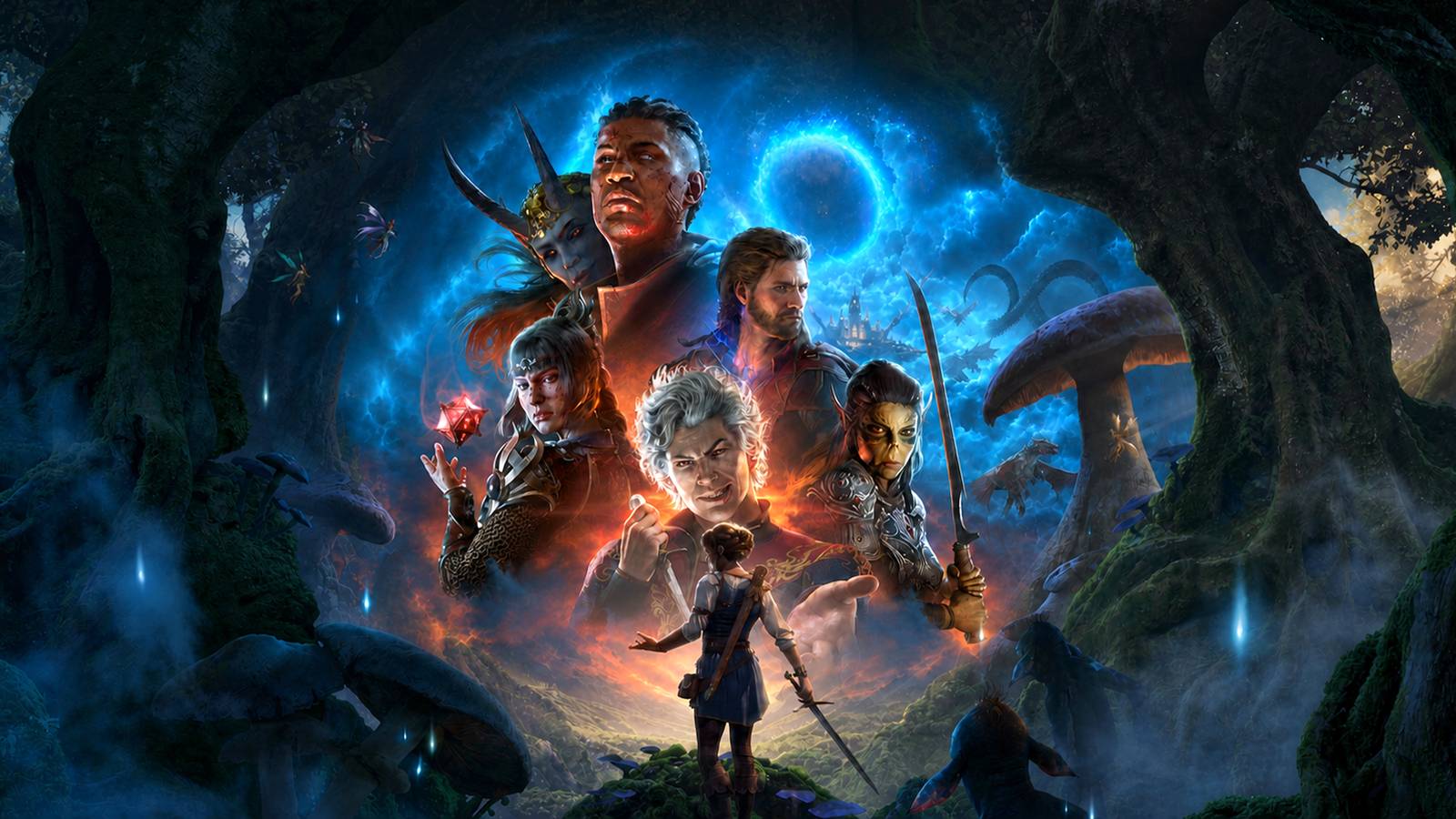
Although Baldur’s Gate 3 is a great example when it comes to introducing a more complex morality system, it also might be true that it had considerably less riding on the idea. For those who are not familiar with how it works, it doesn’t have a traditional morality meter—the player’s companions judge decisions based on their own personalities. Fable is applying this same idea on a much larger scale, allowing entire populations to form individual opinions on the Hero’s reputation.
And although Baldur’s Gate 3 also moved away from the global reputation and alignment systems used by its predecessors, its identity was never truly threatened. The strict good/evil morality system was particularly central to the Fable franchise, with Playground itself describing the original trilogy as inextricably linked with the concept in an interview with Xbox Wire. Players could deliberately become unmistakably good or evil, but reaching those same extremes will no longer be possible with such a subjective system.
Reputation in Fable is local, meaning the Hero can be viewed differently across different parts of Albion.
Fable Is Making Morality Everyone’s Business
-
 Source: Playground
 -
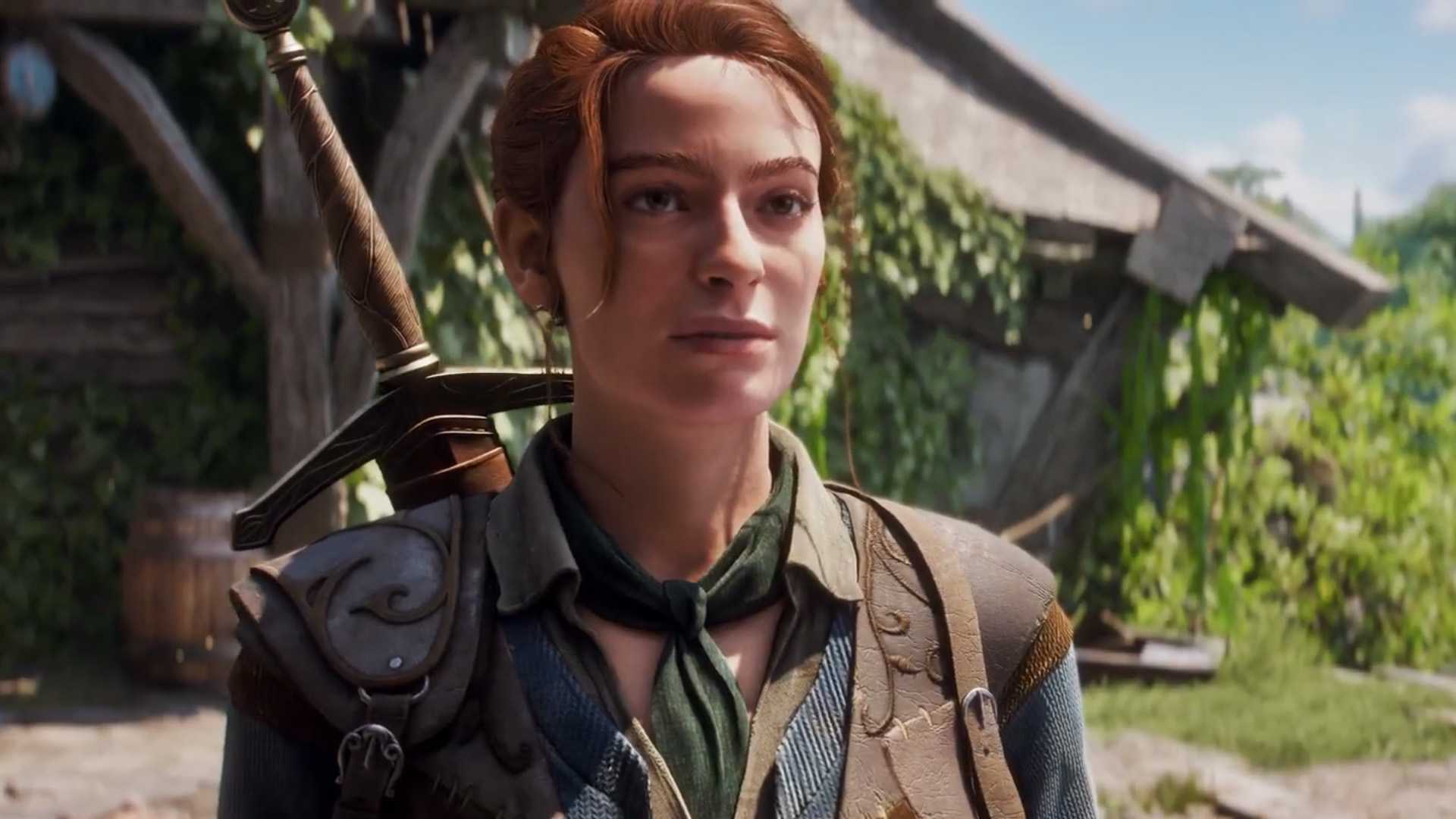 Image via Playground Games
 -
 Image via Playground Games/Xbox Games Studio
Fable‘s reputation system connects not only with the personalities of the NPCs, but also with their memories, relationships, property, romance, and even the economy. If an NPC dislikes the Hero, they can refuse to work for them or leave their property, which would leave the player with no income. This is a much bigger challenge than changing a few dialogue lines and calling it a day.

Rearrange the covers into the correct US release order.
Rearrange the covers into the correct US release order.
Easy (5)Medium (7)Hard (10)
For example, not all moral choices will be big. Sometimes, the Hero will give a beggar some money, or they’ll hand a fruit to a snobby noble; these actions may be small, but they will be remembered and will contribute to one’s reputation. It’s true that Baldur’s Gate 3 also allows smaller decisions to influence the way companions see the player, but on Fable‘s scale, replacing Good and Evil may turn into a system that is constantly running in the background.
The New System May Actually Be More Fable Than the Old One

Despite the risks, there’s a huge possibility that the new morality system will be a success. After all, such an immersive and detailed system is not something we see every day, and even if it doesn’t prove to be an indisputable success, it could still lay the foundations for a completely new approach to morality in RPGs. And yes, it is true that the good/evil system was central to Fable, but so is the humor, for example. The same could be said about Albion itself, with all of its freedom to build relationships, buy property, and spend time doing whatever you want.
Losing one familiar mechanic shouldn’t automatically erase everything else the game has to offer. Of course, this is true only if such an important change as this one is executed properly. Otherwise, there’s a risk of Fable ending up losing one of its most iconic mechanics with nothing to replace it. At the same time, franchises probably wouldn’t get very far if they never replaced a recognizable feature just because many players remembered it fondly. Sometimes keeping a series alive means taking a few risks.

- Released
-
February 23, 2027
- ESRB
-
Mature 17+ / Blood, Sexual Themes, Strong Language, Violence
- Publisher(s)
-
Xbox Game Studios
- Engine
-
unreal engine 4, forza tech