


Few pieces of media, gaming-related or not, have been as influential and consistently successful as the Grand Theft Auto franchise—something we will all no doubt be reminded of when Grand Theft Auto 6 launches. While the game industry is currently bracing for GTA 6’s meteoric impact, this is far from the first time the IP has shaken the entertainment world; it has done so many times before, in many different ways.
The first Grand Theft Auto, released for Windows, MS-DOS, and PlayStation 1 in 1997, is basically unrecognizable next to the high-definition exploits of Niko Bellic; Michael, Franklin, and Trevor; and Jason and Lucia. Adopting a top-down 2D aesthetic and score-based system, these older games are decidedly arcade-like in nature, creating a branch universe within GTA canon. A few years later, the developer did it again, leading to the three distinct generations of GTA we know today. But how exactly do these three different universes work, and how does GTA 6 factor into the mix?
How to Play All Grand Theft Auto Games in Order (Release + Chronological)
Playing through all of the GTA games is a great way to prepare for Grand Theft Auto 6. Here’s what we think is the best order to do so.
The 2D Grand Theft Auto Universe
GTA Games in the 2D Universe
- Grand Theft Auto
- Grand Theft Auto 2
The first couple of Grand Theft Auto games were not actually developed by Rockstar, but by a studio called DMA Design. After the original game’s release, Take-Two Interactive acquired both the series’ publisher and, later, DMA Design itself, bringing the studio under the Rockstar Games umbrella. It’s fitting that the earliest GTAs were released under a non-Rockstar banner, as the differences between them and future titles are striking.

Rearrange the covers into the correct US release order.
Rearrange the covers into the correct US release order.
Easy (5)Medium (7)Hard (10)
Grand Theft Auto 1 allows players to choose between one of eight protagonists seeking to work their way up the criminal ladder. This contextualizes GTA‘s over-the-top gameplay, which consists of players reaching a certain score threshold in various levels. Points are earned by committing crimes like killing police officers and ramming cars.
While GTA takes place in the familiar locales of Liberty City, San Andreas, and Vice City, GTA 2 flings players into the far future and into a setting called Anywhere City. Anywhere City boasts a stark, retro-futuristic design reminiscent of Gotham City in Batman: The Animated Series, and this, coupled with the vagueness of the time period, makes GTA 2 uniquely detached from the rest of the franchise.
The 2D GTA universe also encompasses GTA: London 1961 and GTA: London 1969, two expansions for GTA 1 set in the titular English city.
The 3D Grand Theft Auto Universe
GTA Games in the 3D Universe
- Grand Theft Auto 3
- Grand Theft Auto: Vice City
- Grand Theft Auto: San Andreas
- Grand Theft Auto: Liberty City Stories
- Grand Theft Auto: Vice City Stories
The last GTA game developed under the DMA Design label, Grand Theft Auto 3, thrusts players into the world of 3D, offering a fresh start for the series’ continuity. It takes place in Vice City, but the various factions, characters, and even the layout of the Miami-inspired metropolis are radically different from their GTA 1 counterparts. Aside from the names of certain locations and some fictional brands, GTA 3 is totally severed from the GTA world that came before it.
But it is connected to the 3D entries following it. There are literal, objective parallels seen with recurring characters like Catalina, but also more fundamental similarities. There’s the shift to full 3D, of course, but also the decisive pivot to more cinematic storytelling. Whereas narrative often took a back seat in the top-down GTA games, it began to take center stage in the 3D Universe. Even in the PSP-exclusive Liberty City Stories and Vice City stories, it was clear that Rockstar was evolving the GTA formula to be less arcade-like and more nuanced—an evolution that would only continue with the advent of the HD Universe.
The HD Grand Theft Auto Universe
GTA Games in the HD Universe
- Grand Theft Auto 4
- Episodes from Liberty City (The Lost and the Damned and The Ballad of Gay Tony)
- Grand Theft Auto: Chinatown Wars
- Grand Theft Auto 5
- Grand Theft Auto 6
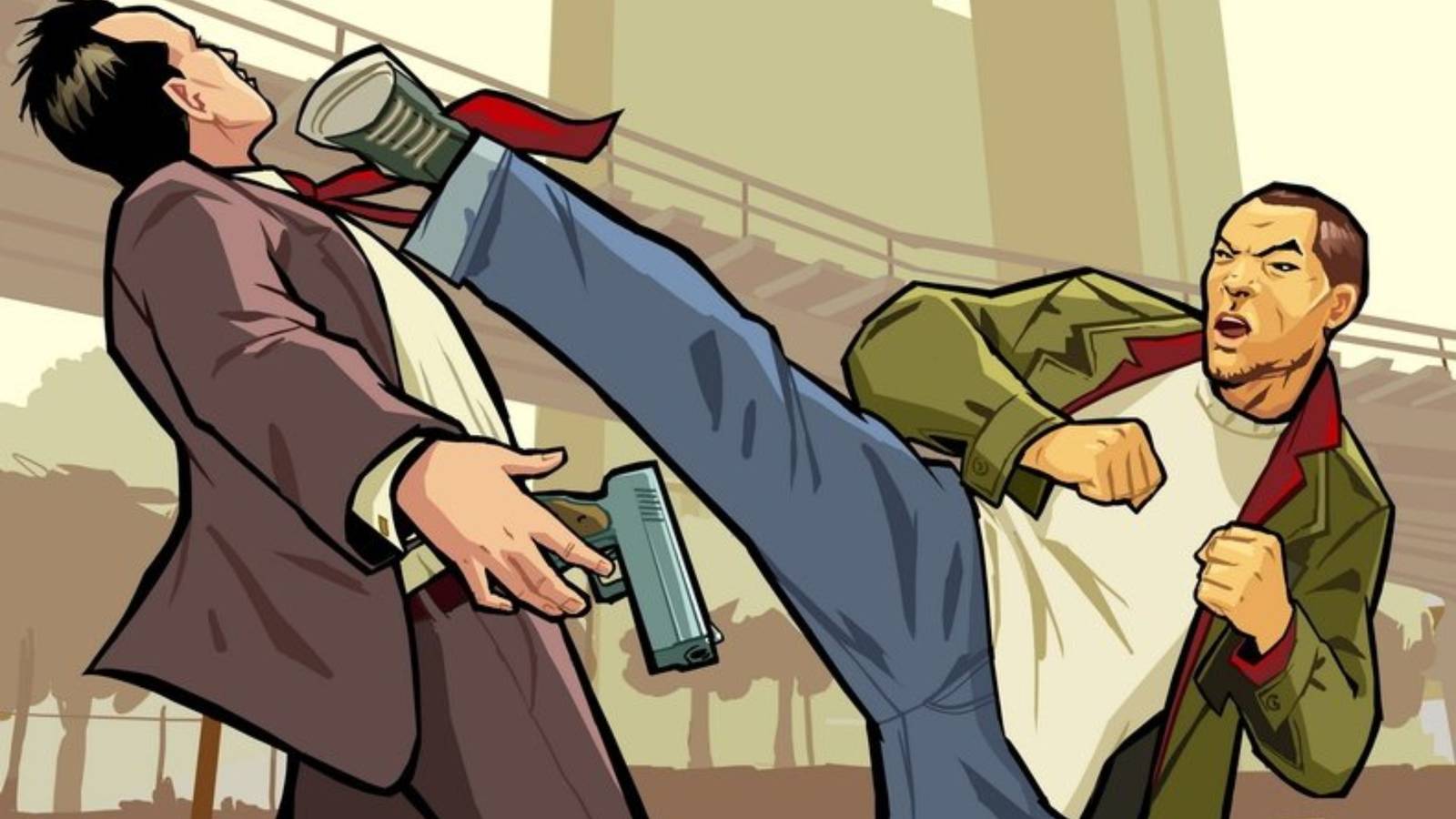
The current continuity of GTA is referred to as the HD Universe, which kicked off with 2008’s Grand Theft Auto 4. GTA 4 introduced players to a very different Liberty City, one that is more drab, dreary, and detailed than its 3D Universe counterpart. This is reflected in the game’s story, which is far more complex and mature than those that came before. The Episodes from Liberty City expansion and Chinatown Wars, which further flesh out this rendition of the city, also adopt this shift in tone.
GTA 5 is relatively lighthearted, but still fairly mature and dark at times. Moreover, it does to Los Santos what GTA 4 did to Liberty City: reinvigorates and redesigns it for a new generation. While there are some Easter eggs referencing San Andreas, the 3D Universe game also featuring Los Santos, it’s clear that this is a new incarnation of the setting, not meaningfully connected to what came before.
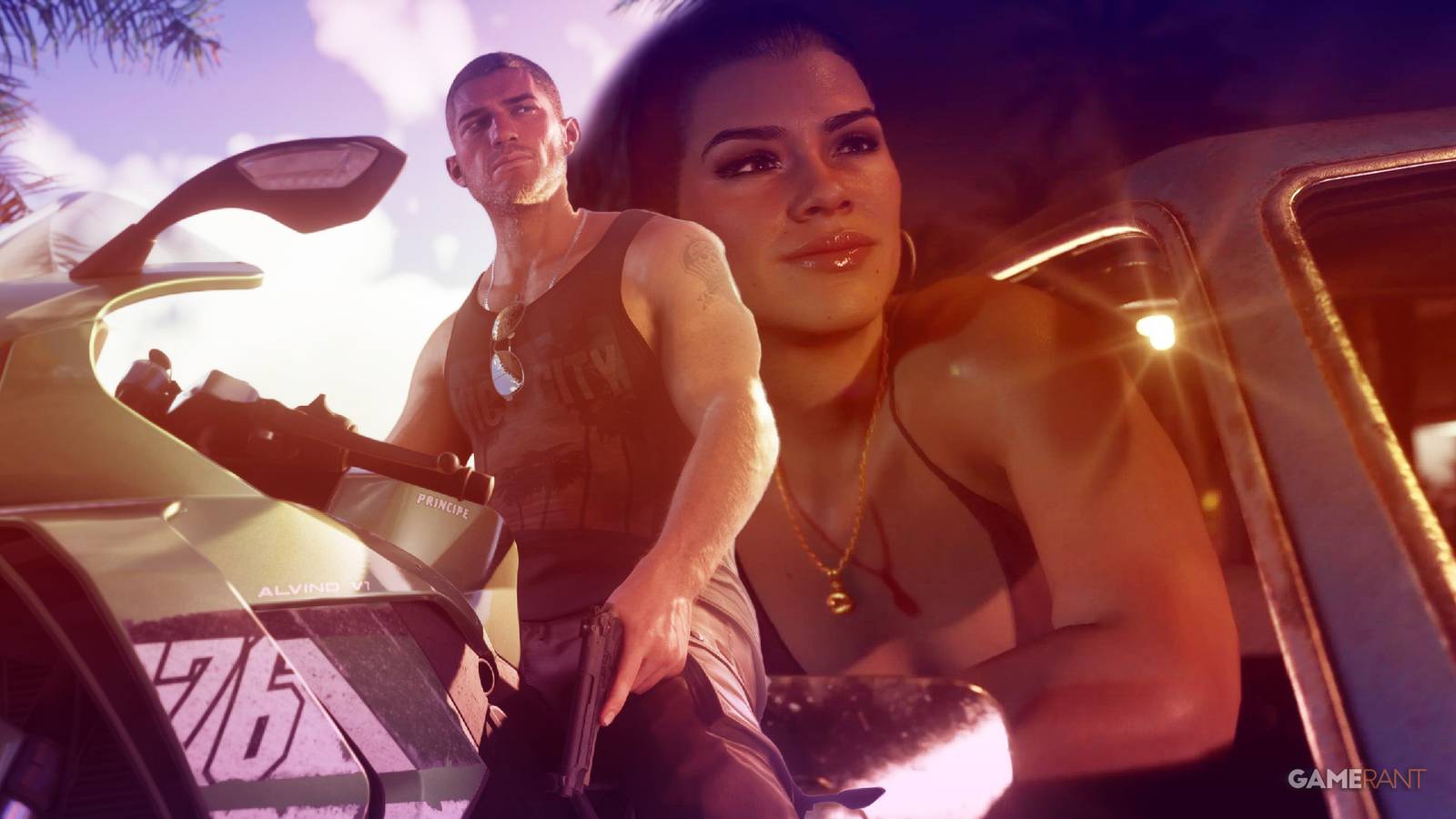
This is likely what we will see when GTA 6 launches, but for Vice City. As part of the HD Universe, GTA 6 shouldn’t be expected to present a familiar version of the locale, as it’s less of a return and more of a reinvention. Similarly, it probably won’t connect to GTA 4 or GTA 5 in any major way, though it does take place in the same timeline, so crossover characters and other references aren’t out of the question.



- Released
-
November 19, 2026
- ESRB
-
Rating Pending – Likely Mature 17+