




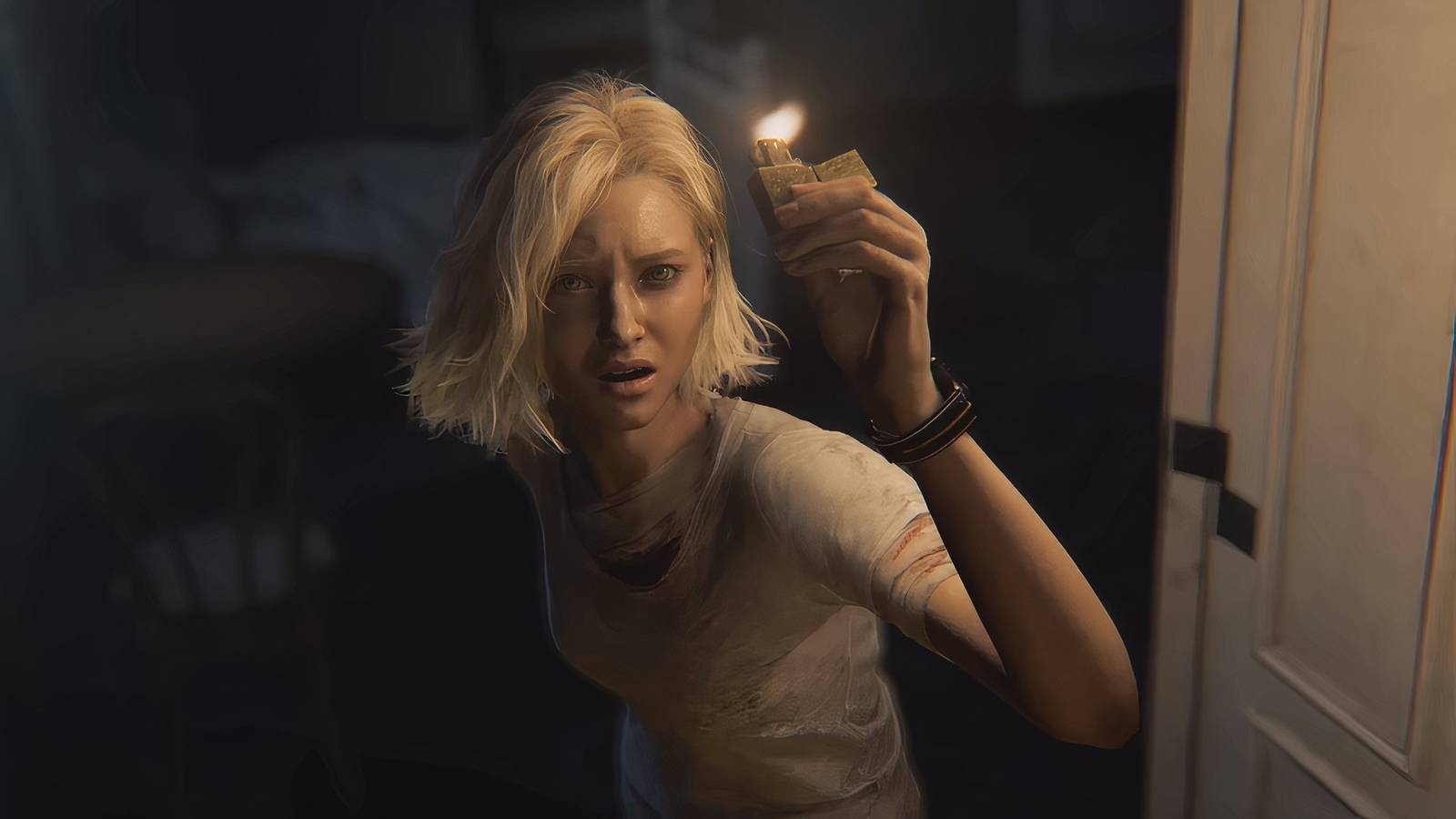
The producer of Resident Evil Requiem has given his thoughts on the controversy surrounding the game’s role in Nvidia’s DLSS 5 reveal. Resident Evil Requiem was one of the more recent titles showcased by Nvidia, having been released just a few weeks prior to DLSS 5’s unveiling.
Serving as the ninth entry in the storied survival horror franchise, Resident Evil Requiem launched to rave reviews across the gaming landscape. From the game’s impressive visuals to its surprising narrative turns, many have heralded Requiem as one of the strongest entries in the long-running Resident Evil series. Critics and fans were especially taken with the impressive duality of the game’s protagonists, with returning hero Leon Kennedy allowing fans to experience Resident Evil’s more aggressive and action-packed gameplay, while newcomer Grace Ashcroft leaned into the series’ scarier side as a more vulnerable playable character.
13 Best Resident Evil Characters, Ranked
The Resident Evil games are packed with memorable characters. These are the best RE characters from across the series.
Resident Evil Requiem Producer Responds to DLSS 5 Reaction From Fans
Resident Evil Requiem’s producer has given his take on Nvidia’s controversial DLSS 5 unveiling, and the passionate response that the reveal received from the game’s fans. In an interview, producer Masato Kumazawa was asked about his team’s response to Nvidia’s AI-fueled visual alterations to Resident Evil Requiem’s main characters, focusing specifically on the changes that the technology brought to the game’s newest playable character, Grace Ashcroft. According to Kumazawa, the outcry “meant we got the design right,” with the producer noting that “the fact a lot of players commented they really liked the original design of Grace and didn’t want to see it changed was a positive.” Kumazawa also stated that “Grace quickly established herself as a fan-favorite,” despite this being her first appearance in the 30-year-old series.
Nvidia’s March 2026 DLSS 5 announcement showcased the newest edition of its graphics enhancement technology, with the company noting that the latest version of DLSS was the “GPT moment for graphics.” Many video game fans across the internet responded negatively to the reveal, which utilized AI to alter lighting, textures and even character appearances across multiple different games, including titles like Starfield and EA Sports FC. Resident Evil Requiem’s DLSS 5-enhanced footage quickly became a major point of contention among gamers, with Grace’s appearance being heavily altered. The technology appeared to give her entirely new features such as fuller lips and more makeup, changes that many considered wholly unnecessary.
Despite Nvidia’s CEO coming to the defense of the new tech, DLSS 5 has sparked debates about AI’s place in game development. Many fans and even industry insiders consider AI-fueled enhancements like the ones provided by DLSS 5, as a negative step in the creativity and individuality of game development. Nvidia’s newest suite of graphical enhancements appear to take major liberties regarding what has changed, with drastic alterations to lighting and visual design often shifting the aesthetic of entire scenes and characters. The work is considered by many to be disrespectful to the developers and designers who painstakingly determine the art direction of the games they help to create.
What’s That Weapon?

Identify the silhouettes before time runs out.
Identify the silhouettes before time runs out.
Easy (7.5s)Medium (5.0s)Hard (2.5s)Permadeath (2.5s)
Resident Evil Requiem has already proven to be a major success story, and the game’s characters and visual style are clearly well-received by both long-time fans and newcomers. The impassioned pleas of the game’s fans should serve as a reminder that a clear artistic vision is more important than a generalized series of graphical enhancements.

- Released
-
February 27, 2026
- ESRB
-
Mature 17+ / Intense Violence, Blood and Gore, Strong Language, In-Game Purchases
Source: Eurogamer