





Tokyo Game Show 2026 was light on major upcoming releases, in part due to a quieter-than-normal fall for gaming outside of the unavoidable spectre of Grand Theft Auto VI. That being said, there were still things to see at this year’s event—you just had to know where to look. Take a glance at the world of Japanese indie gaming showcased on the convention floor, for example, and you would find a wonderful assortment of unique experiences rooted in Japanese social issues and experiences, the results of a notable divergence from how Japanese indie games have historically been developed, supported, and shared with players.
It may be somewhat surprising that it’s taken until the last few years for a groundswell of Japanese indie developers to establish themselves within the domestic games industry. Indie gaming has thrived since the late 2000s outside of Japan thanks to digital storefronts on consoles, and Japan itself is host to events like Comiket, where both amateur original and derivative works in various art forms, including video games, can be sold. These works are known as doujin.
At their core, doujin games were acts of love created by hobbyist developers to sell to core fans, whether original or derivative of another IP. The Touhou franchise, arguably the biggest example of Japanese independent gaming media in the past 30 years, rose from this subculture. Otherwise, however, doujin has been mostly a passion-fueled endeavor, a way to share creations with like-minded fans more than a path to profit or a potential career.
Yet as global indie darlings like Undertale, sustained marketing efforts like Nintendo’s Indie World, and Japanese indie companies like Q-Games and Orbitals developer Shapefarm find success, some have felt encouraged to break from the norm of major company employment and challenge themselves to give indie game development a shot. With more teams and creators embracing this field, the results are often unique experiences that channel Japanese societal practices and personal experiences.
Mask It, featured at Tokyo Game Show this year as part of the Selected Indie 80, a program designed to bring attention to standout indie efforts, began as a Game Jam project during this year’s Global Game Jam. Players assume the role of a news editor whose job is to make the everyday news more “exciting” to hit targets and please editors, often by deliberately blurring over photographs or making other edits in stories as you seek sensationalistic virality. These tweaks could merely be done for comedic effect, or to insinuate sinister implications and have a corrosive impact on public discourse or opinion, making the game a reflection of increasing concerns in Japan over the spread of false information on social media and by politicians, alongside concerns about AI.
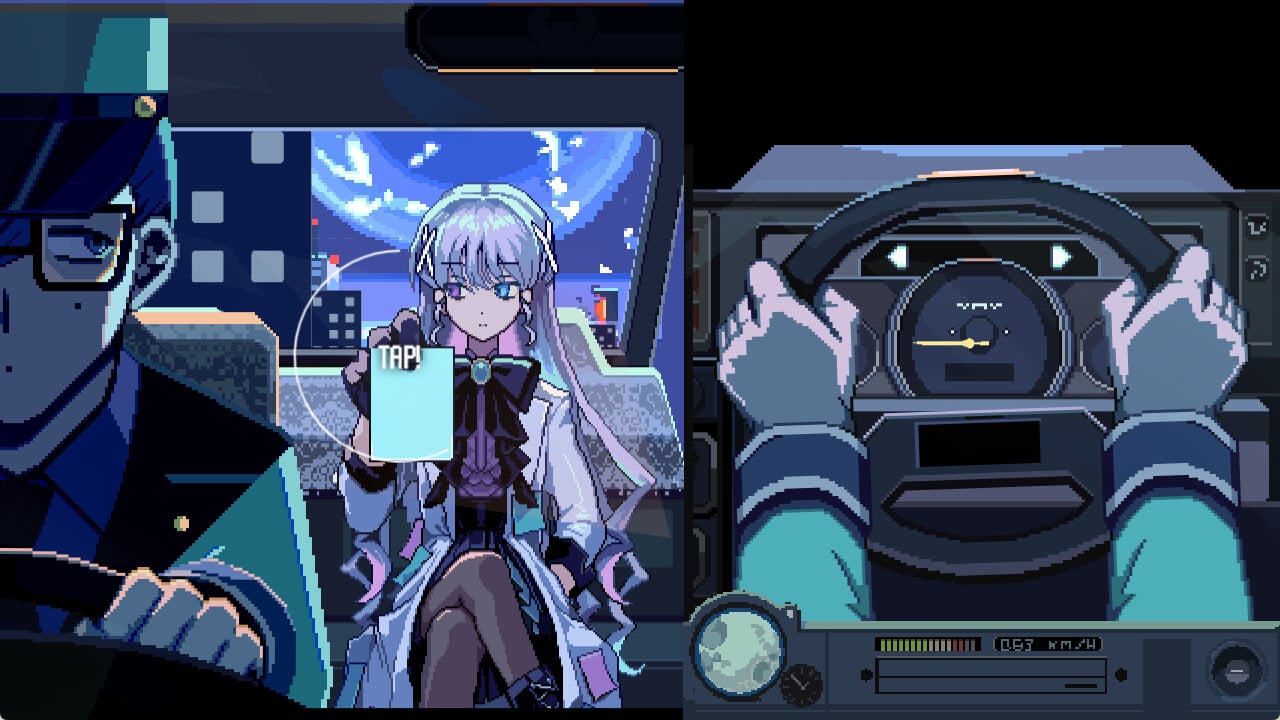
Timemoon, from developer Kenkou Land, is a narrative adventure in which you play as Clark, a taxi driver in the near future taking passengers in his time-traveling taxi. A passenger’s destination may not just be a location but a moment in time, and following the mysterious death of the president, your chauffeuring of high-profile passengers may be key to understanding the possible use of time travel in their murder.
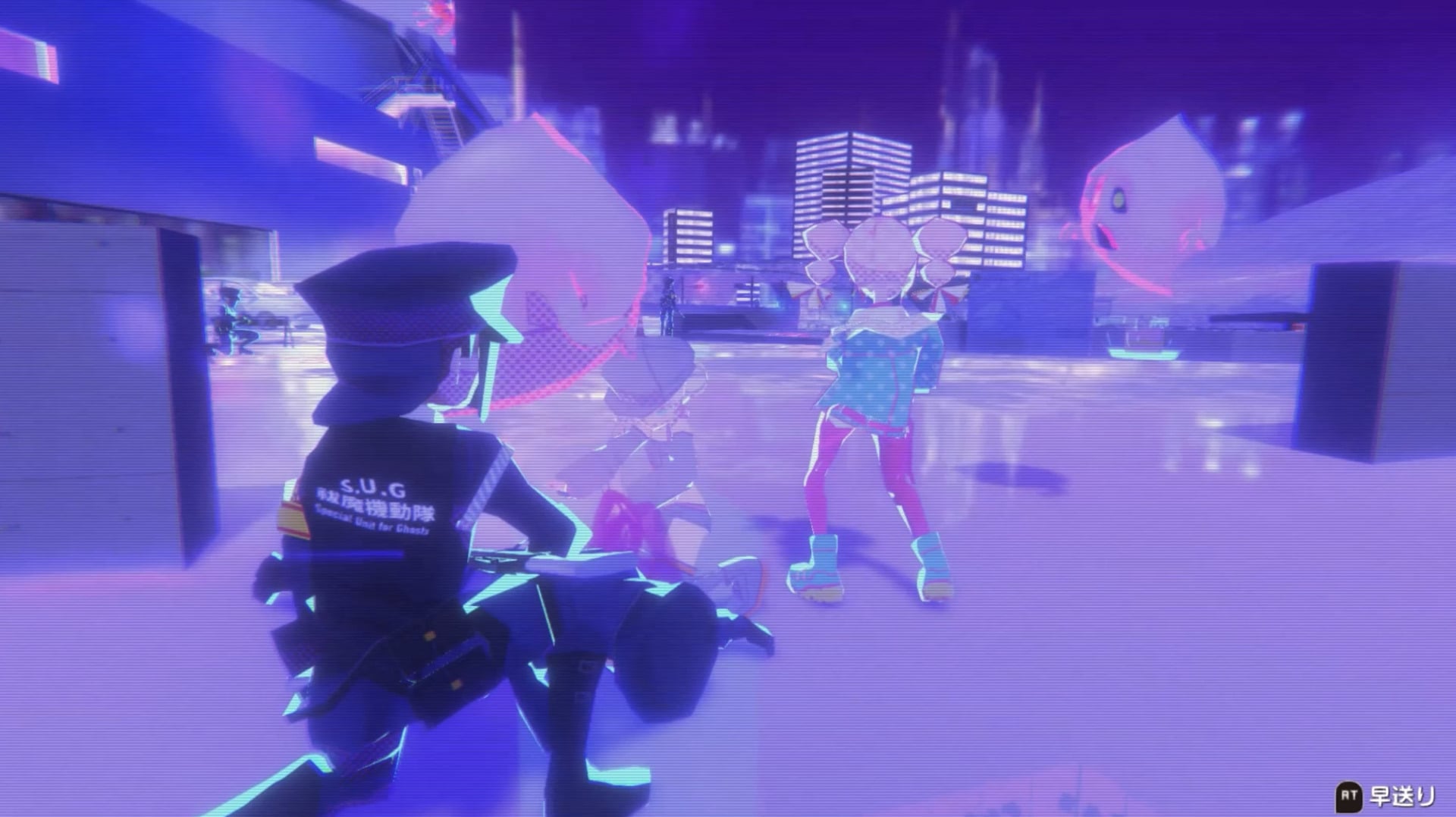
Then you have Late Fee Girls, an RPG following three girls who run a video store and make secondary revenue as Exorcist Streamers, going out to fight ghosts from haunted videotapes. It’s an ambitious project for solo developer Urimo, who is concurrently selling doujin comics that contain character sketches and in-universe commentary from the characters as development continues.
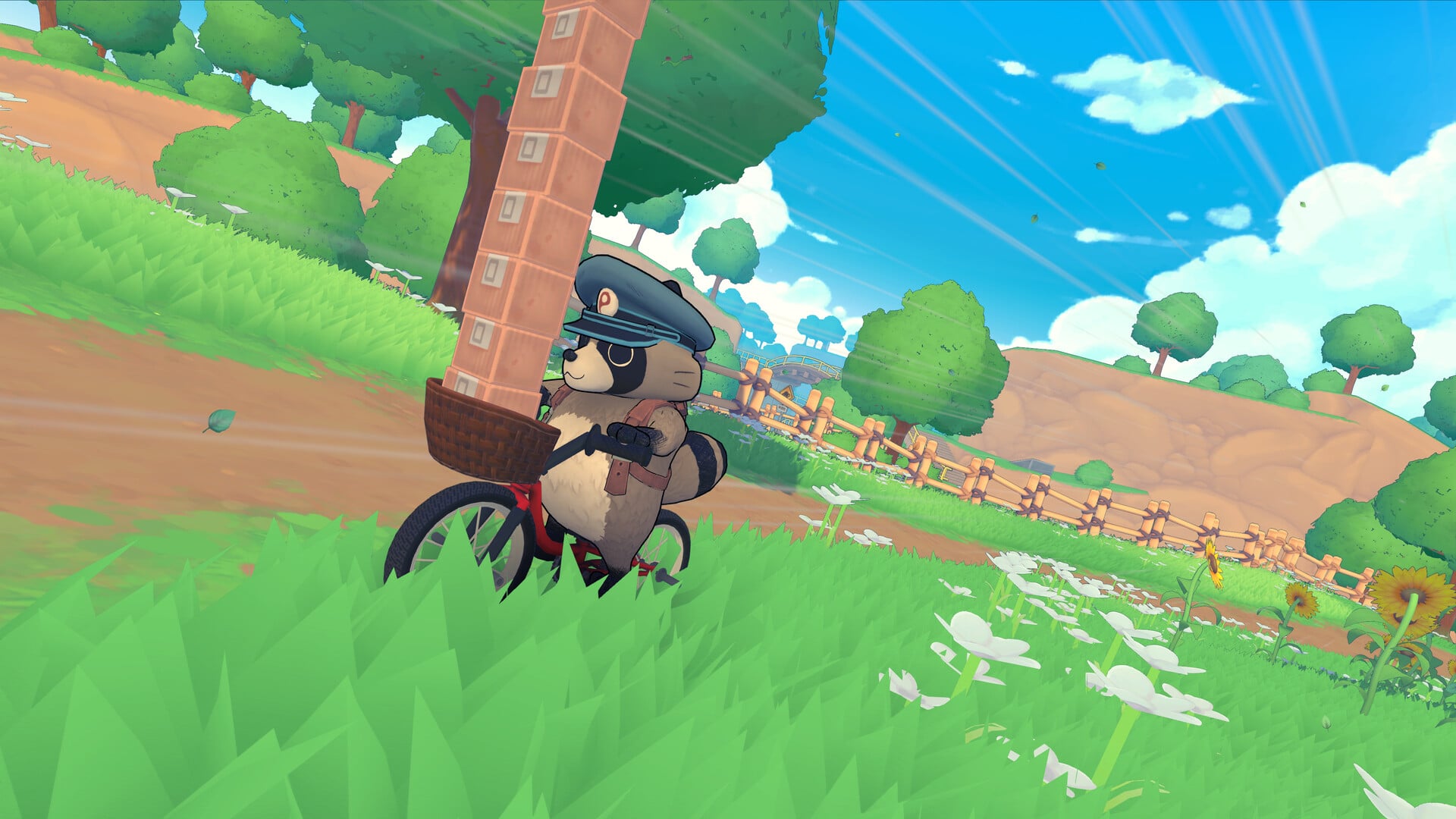
There were plenty of other exciting indie games at TGS this year, too, like Tanuki: Pon’s Summer, which features a bicycling tanuki running errands and pulling tricks like Tony Hawk, and Iron Bramble, a Metroidvania with a unique grappling hook–driven movement system. But it’s the doujin magazines of Late Fee Girls that reveal, on a more intimate scale, how Japanese doujin and indie game creators are finding different pathways toward funding development, building audiences, and sustaining their work.
Developers like them are increasingly embracing the ecosystems in place for small creators to sell their creations and showcase their work at everything from vast conventions to minor art gallery spaces as a way to fund game development. Selling stickers or postcards or a small zine of concept art may not make a huge dent in development budgets, but it helps by also leaving the people who buy them invested in the game as they wait for the release and spread the word.
And these events, even those that aren’t gaming-specific, can draw thousands of eyes to your game. Some will sell doujins even at more generalized events like Comitia, whose quarterly Tokyo events attract over 30,000 attendees each, while Comiket can attract over 300,000 people over its two days.
This strategy of selling merchandise for in-development and post-release games while also looking toward multimedia expansion to make an impression and grow an IP’s audience was the founding principle of a number of Japan-centric publishers showcasing at this year’s TGS.
The winner of the best indie game at Tokyo Game Show, taking away the Platinum Prize for best game as part of the event’s Selected Indie 80, was Finding Polka, a beautiful game about searching for a missing dog in a dense town, with a visual style defined by hand-drawn sketches for every character and animation. Also taking away top prizes at Gamescom and Japanese indie gaming event Bitsummit, the game is published by Parco Games worldwide, a new games publisher founded by the Japanese department store chain of the same name.
The company’s large department stores across Japan are home to far more than just clothing, with Parco investing heavily in everything from art exhibitions to stage plays. Parco Games is also forming partnerships outside of publishing, like a pop-up store for Kojima Productions, and its efforts with indie developers extend to merchandising.
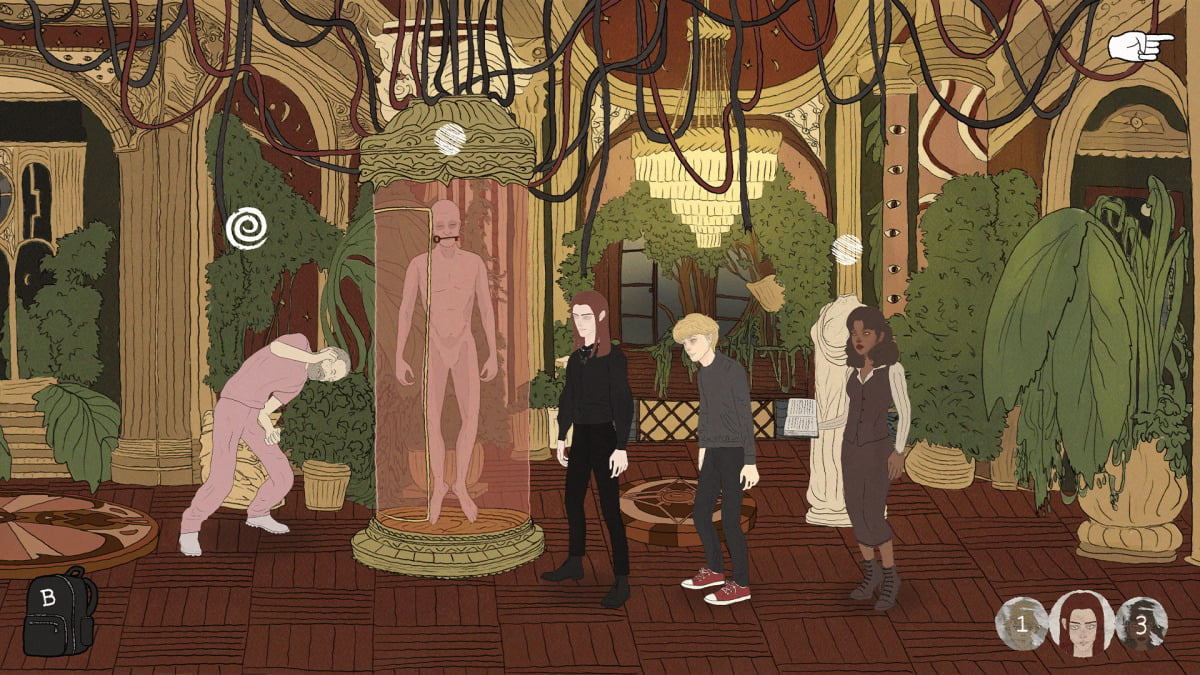
Thus, you can buy Finding Polka t-shirts from Parco, sold alongside major fashion brands online, and the company is embracing an arts-driven approach to the games it partners with. Finding Polka is one of the first titles it’s publishing globally, but the company is also working with Turkish team Error Thing to publish Deperson worldwide, a highlight of the show for its unnerving creativity. This psychedelic horror game set inside a mental hospital features alluring hand-drawn art as you speak with other patients, learning about their conditions and dealing with amnesia. While not a Japanese game, Parco’s interest in artistic expression made partnering with it a natural fit, according to the Parco Games team.
“We aren’t a game-centric company, but we have a long history of discovering new talent and innovative forms of expression, and bringing their appeal to a wide audience,” explains Yudai Kawamura from Parco Games. “We believe our experience here can be applied to the world of gaming as well. Parco has physical spaces where people can gather such as stores, event spaces, galleries and theaters, and allowing people to experience games not just by selling them but through exhibitions and events is something unique to what we offer.”
The company’s hope is that emphasizing a game as a long-term piece of art beyond just the video-game space will help it to resonate. And this approach doesn’t stop with Parco Games. In recent years, Shueisha Games has used its parent company’s experience as a manga publisher to assist in expanding its successful games into new mediums like novels and pop-up merchandising stores in physical retail locations.
Beyond simply being great games by a breadth of developers from a range of backgrounds, these games all feature original ideas and are being supported by publishers for whom gaming is just one avenue to promote the developers they work with. It elevates games to the level of an exhibition in an art gallery, and a conversation piece that can linger beyond the next refresh of a digital storefront, creating an environment in which it’s easier to take a risk on a new idea.
Currently, the Japanese indie games able to break out internationally are viral phenomena like Meccha Chamelion and Exit 8, but it’s titles like Finding Polka that showcase a creative indie scene that can sustain itself, and that invites global players to explore what it holds. Japanese indie gaming was thriving at Tokyo Game Show, because it chose to do things differently.