


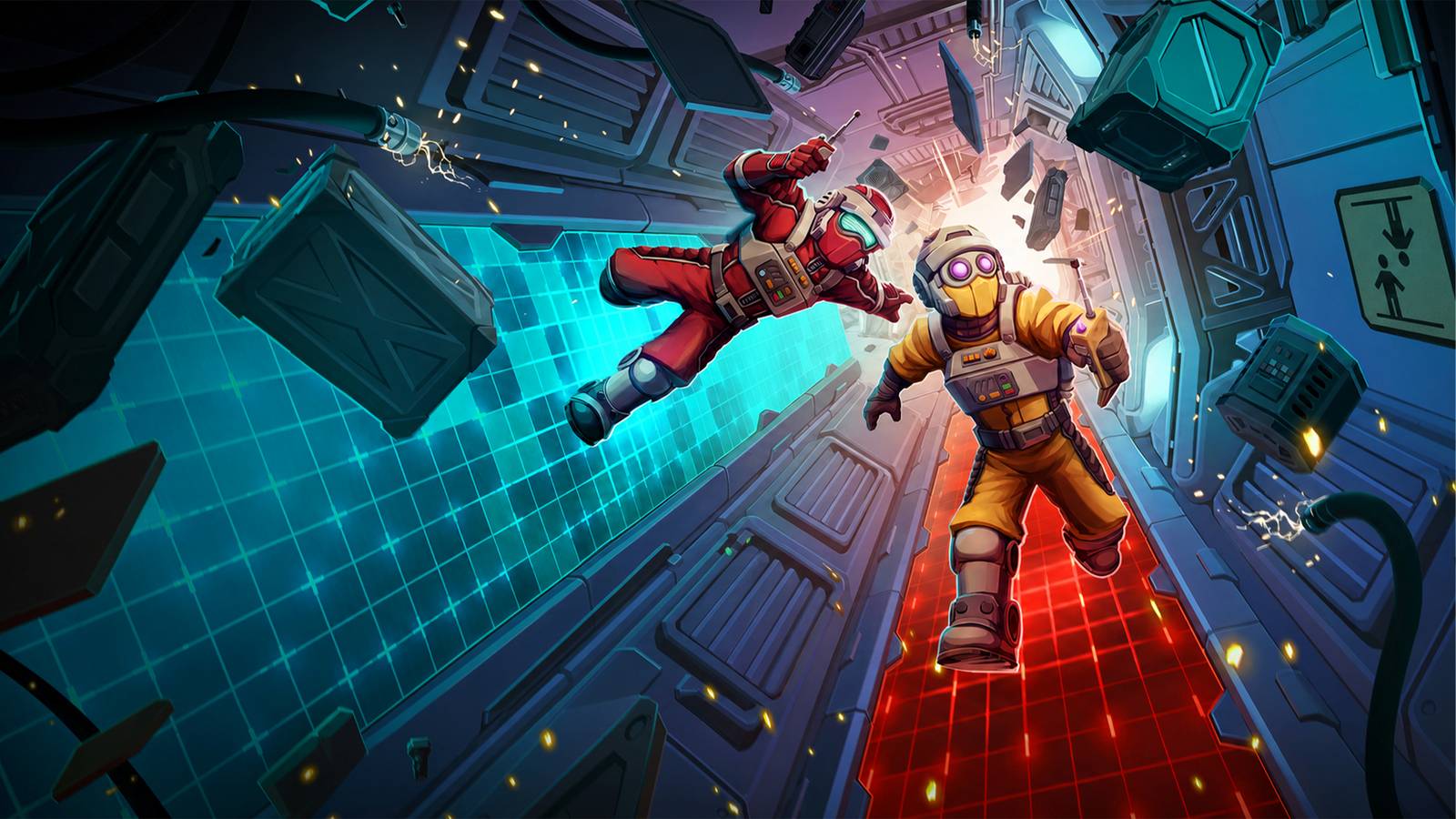



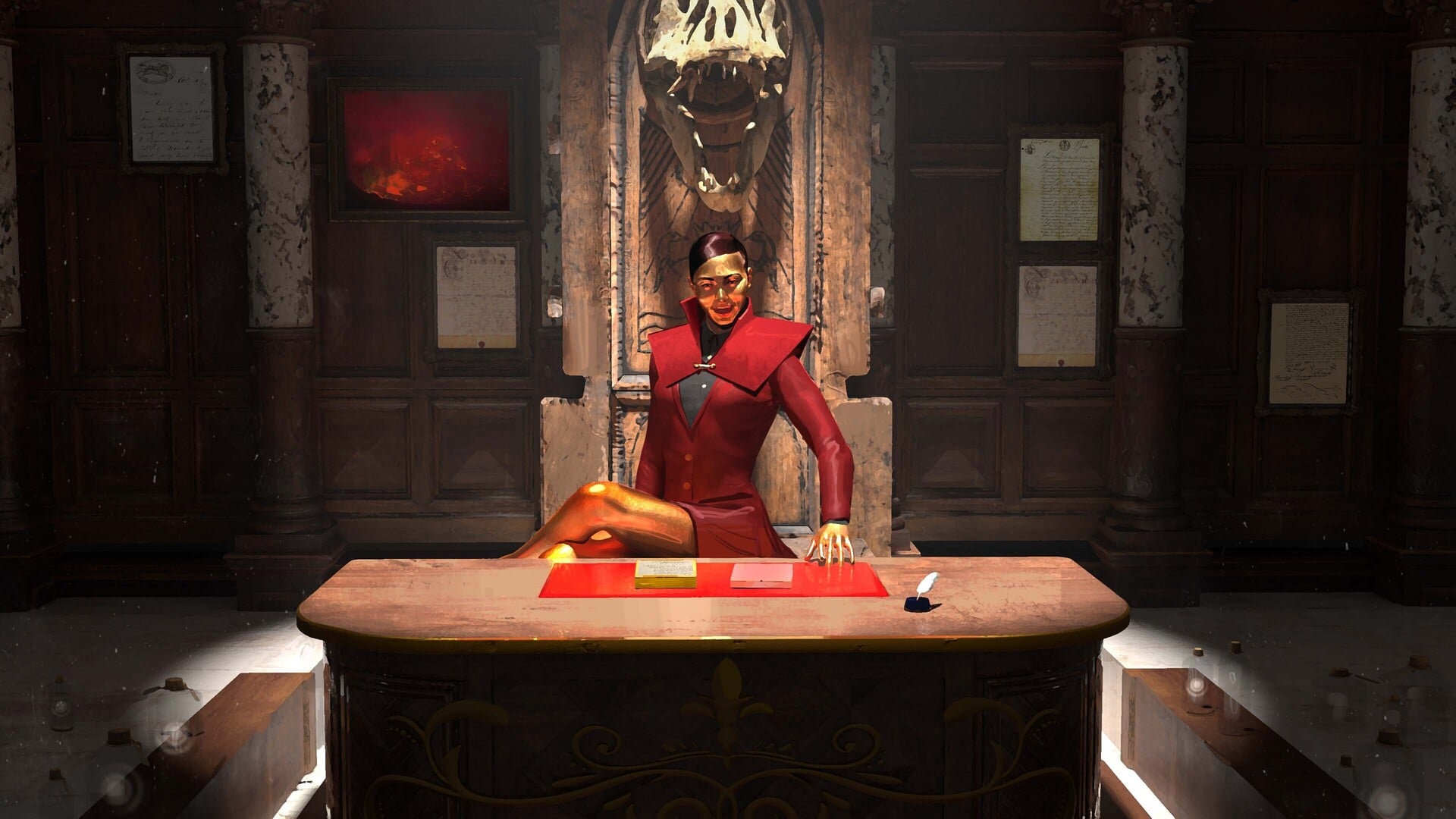
My first campaign in Thousand Hells: The Underworld Heists, the new game from King of Dragon Pass creator David Dunham, went surprisingly smoothly. The queen of the Eternal City hired me to recover two princes, slain by their uncle, from the nether realm. Despite being challenged by mercenaries, giant spiders and a poetry battle, my entire crew emerged from the world below unscathed. Albeit with only one prince in tow.
“Just for my curiosity, were you playing on a Steam Deck?” Dunham asked me on a call. I was. Apparently my first-time win was flagged on the developer’s end. An illustration of how lucky I really was. And don’t worry. The campaigns that followed were far more turbulent. By the third encounter in my second descent, I had already pissed off the god of the raging ocean.
From 1999, King of Dragon Pass is a cult classic RPG. In essence a kingdom management game, it is expressed solely through story prompts. Instead of balancing gold and resources, the fate of your people is decided by your decisions. The weight of King Solomon’s guiding hand on each prompt. By comparison, Thousand Hells is more straightforward adventure book experience. In this game you’re just looking after numero uno. Numero cinco at most. While streamlined, it doesn’t sacrifice depth or detail, as each campaign presents an ornate and unpredictable journey into death and beyond.
This underworld is ever shifting in nature. Inspired by a stew of early civilizational beliefs, you must prepare for anything. At the start of each campaign, you’ll select your own traits and three additional crew members, who can range from surly lockpicks to nimble academics. Their class and characteristics introduce their own set of tiles, representing actions and ideas that can be called upon to deal with new situations. You will task one character to lead in each encounter, though they’ll have the ability to pull a few tiles from other crew members. You can imagine how much I was kicking myself when, standing before a mechanized door, my troublesome thief ready to take the bat, I accidentally clicked on the philosopher. A choice I had to live with, among all others. No take-backsies in the afterlife.
You may not see the immediate value in squading with sailors or poets initially, but the laws below are not the same as those above. In hell, words and stories can bend granite. Dry chunnels flow into raging seas if that seems like a fitting punishment. Despite my initial success, I suffered. My crew suffered. Yours will suffer. Campaigns usually last 40 minutes to an hour. With seemingly endless permutations, you’ll be dusting your knees off plenty of times.
You may have to curry favor with gods, big and demi. You may need to interrogate shades to safely navigate the sprawling labyrinths. Fend back packs of howling beasts. Blend in with marching armies. Outwit ghouls whose curses mix ancient hauntings with more modern folklore or Junji Ito-ian talltales. You will almost assuredly need to temper the emotions of your team, easily made manic from exposure to a place with no formal shape. If your hires warn you that they’re no fans of alcohol, insects or seducing demons, Dunham told me that at least one of them will likely come to fruition. Personally, it seems like an ominous thing to say out loud before plunging into hell, unless that demon kissing guy was attempting reverse psychology.
Dragon Pass exercised the power of words to shape a defiant kingdom. While your headcount is much smaller in Thousand Hells, the power of your words are two-fold. The undefined underworld presents a place where semiotics can rule supreme. The signified and signifier vying for power. Where irony takes precedent over hard physics. And whether you’re attempting to reshape the balance of power for the living, or hoping to plunder that one treasure that got away, how you tell your own story can quickly spiral into a hell of your own making.