










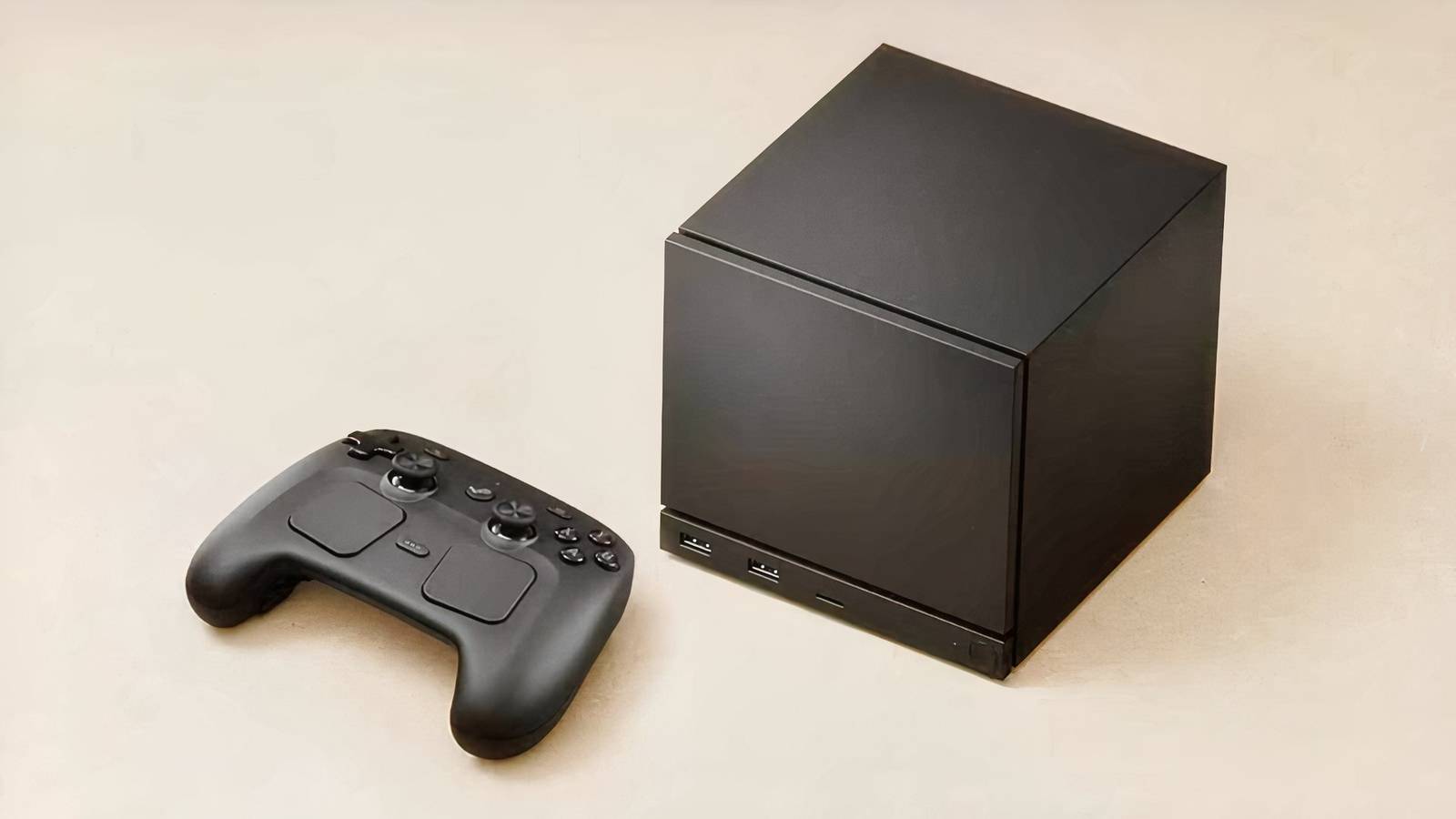
Circana research analyst Mat Piscatella has shared a fresh cost projection for Valve’s highly anticipated Steam Machine gaming console. According to online reports tracking the brand’s hardware developments, this sudden forecast comes amid a broader period of economic volatility in the interactive media market. Media outlets report that these updated projections indicate the unreleased Steam Machine could place a significant financial strain on potential buyers’ bank accounts.
Valve delivered some major price shocks to portable gaming fans just a few days ago. In the United Kingdom, prospective buyers witnessed the high-end one-terabyte portable unit of the Steam Deck OLED skyrocket from £569 to £779, while the smaller 512-gigabyte internal storage tier jumped from £479 to £649. Consumers in the United States faced an identical crunch, with the premium handheld model climbing from $649 to $949, and the baseline version increasing from $549 to $789 overnight. The manufacturing company publicly blamed these steep adjustments on a global shortage of solid-state storage components and the skyrocketing cost of dynamic memory components. Because these exact electronic components are currently being swallowed up by the massive computing demands of the ongoing artificial intelligence boom, device creators across the globe are struggling to keep assembly lines affordable.
Valve Hints at Steam Machine Launch Finally Being Close
A new signal coming directly from Valve suggests that the Steam Machine may finally be close to launch, potentially debuting in June 2026.
Squeezing the Living Room PC Market
This chaotic component crisis is precisely what prompted market researcher Piscatella to outline a pair of startling cost numbers for the upcoming living-room computer hybrid. Writing on his personal Bluesky social media account, the well-known industry specialist shared a realistic reality check for anyone hoping to bring the new box home. Piscatella threw out an estimated baseline price of $1,399 for the standard version, while warning that a higher-end iteration could cost buyers a staggering $1,699. This update marks a noticeable jump from thoughts he previously expressed to Eurogamer, where he originally estimated an entry price of $1,200. He openly admitted that the erratic nature of the electronics sector makes commercial forecasting incredibly difficult, stating, “This market is not behaving normally, meaning that there are several external forces impacting it that do not allow for high confidence forecasting.”
These intimidating four-digit numbers seem to align with older industry whispers, suggesting that the Steam Machine was never going to be cheap. Windows Central insider Jez Corden noted on a recent episode of The Xbox Two Podcast that a highly reliable internal source told him the machine was originally set to carry a $1,000 target price when it was first drawn up last year. Speaking on the broadcast, Corden shared, “I heard, last year when it was first announced, it was gonna be $1000… from a very, very good source, like a very good source.” Financial analysts point out that if the hardware manufacturer applies the exact same percentage price hikes to this upcoming desktop box as it did to its mobile handhelds, a single configuration could easily cost consumers around $1,450. Along those same lines, tech leaker Brad Lynch previously noted that his own source network confirmed the living-room rig would easily exceed the retail price of any handheld console on store shelves.

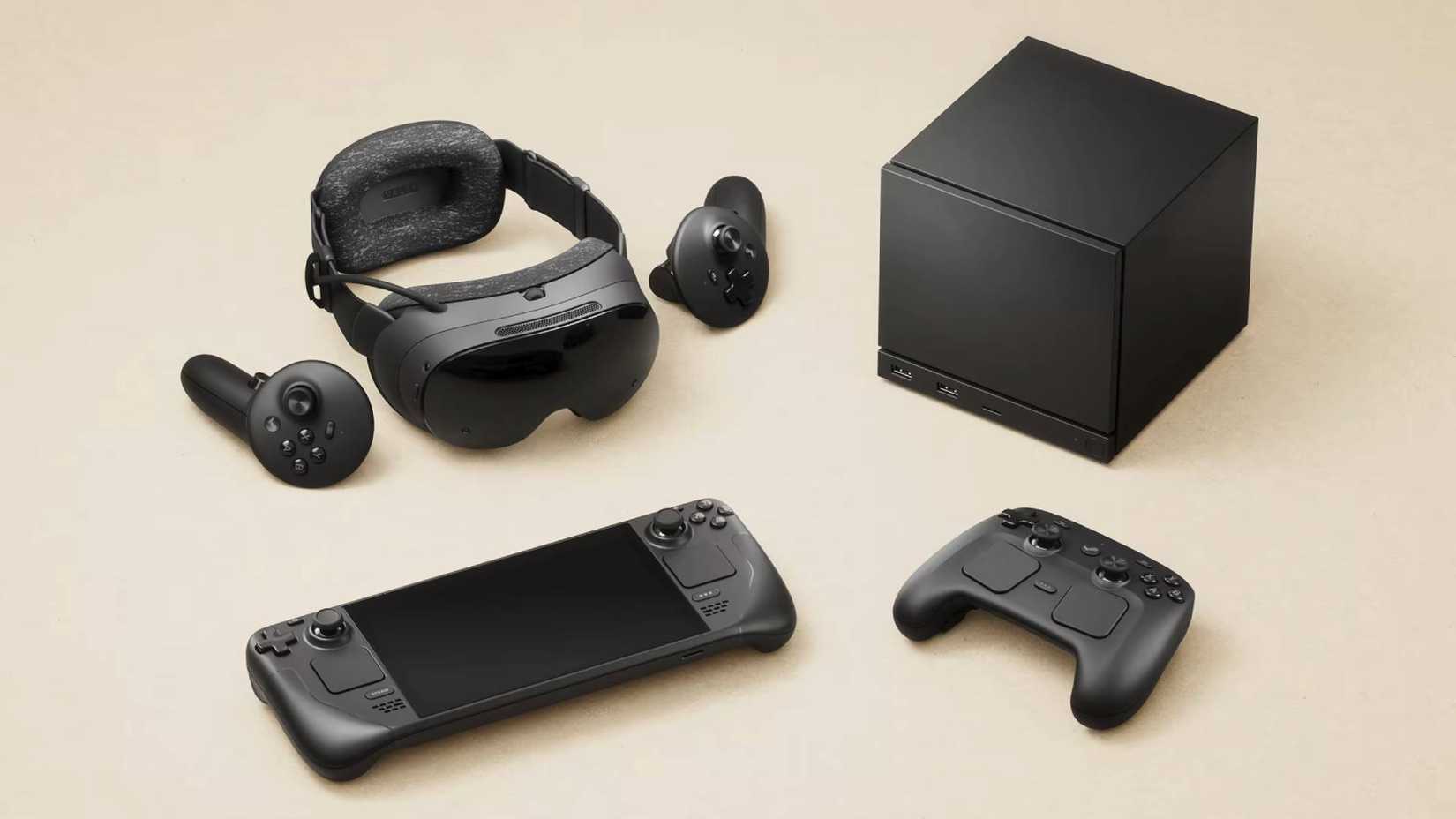
Despite the potential for major sticker shock, the actual mechanical engineering embedded in the unit goes a long way toward explaining the high baseline valuation. According to the technical specifications, the desktop cube utilizes a specialized Zen 4 processor with six cores and twelve threads, capable of boosting to a rapid 4.8 gigahertz clock speed at a 30-watt thermal design power. This heavy-duty central engine works alongside a powerful RDNA 3.5 graphics processing architecture featuring twenty-eight compute units clocked up to 2.414 gigahertz to easily translate heavy PC experiences to the big screen. The actual physical frame measures a compact 162.4 by 156 by 152 millimeters and includes custom user-swappable front panels for the aesthetic modding crowd. Current production leaks suggest the product will eventually hit the market in four distinct options, offering a base 512-gigabyte model, a larger two-terabyte unit, and two independent bundles that come packed with an official input controller.
Scratch & Peek


Identify the cover art while scratching off as little foil as
possible.
Identify the cover art while scratching off as little foil as possible.
EasyMediumHardPermadeath
Even though an official public release date remains unannounced, a recent discovery in digital database frameworks suggests a formal reveal could happen relatively soon. Independent trackers discovered that Valve recently added a hidden “Welcome Tour” file structure to its operational backend, a database update that previously occurred just a few weeks before the company announced the launch window for its physical controller accessory. However, business analysts like Chris Dring of The Game Business warn that introducing a luxury gaming unit during an intense cost-of-living crisis might severely stunt its market growth. Ultimately, while early sales trends prove that dedicated gamers are perfectly happy to buy out premium SteamOS hardware, the real test will be whether a high-priced mini computer like the Steam Machine can carve out a permanent home between standard plug-and-play consoles and custom home-built rigs.
