





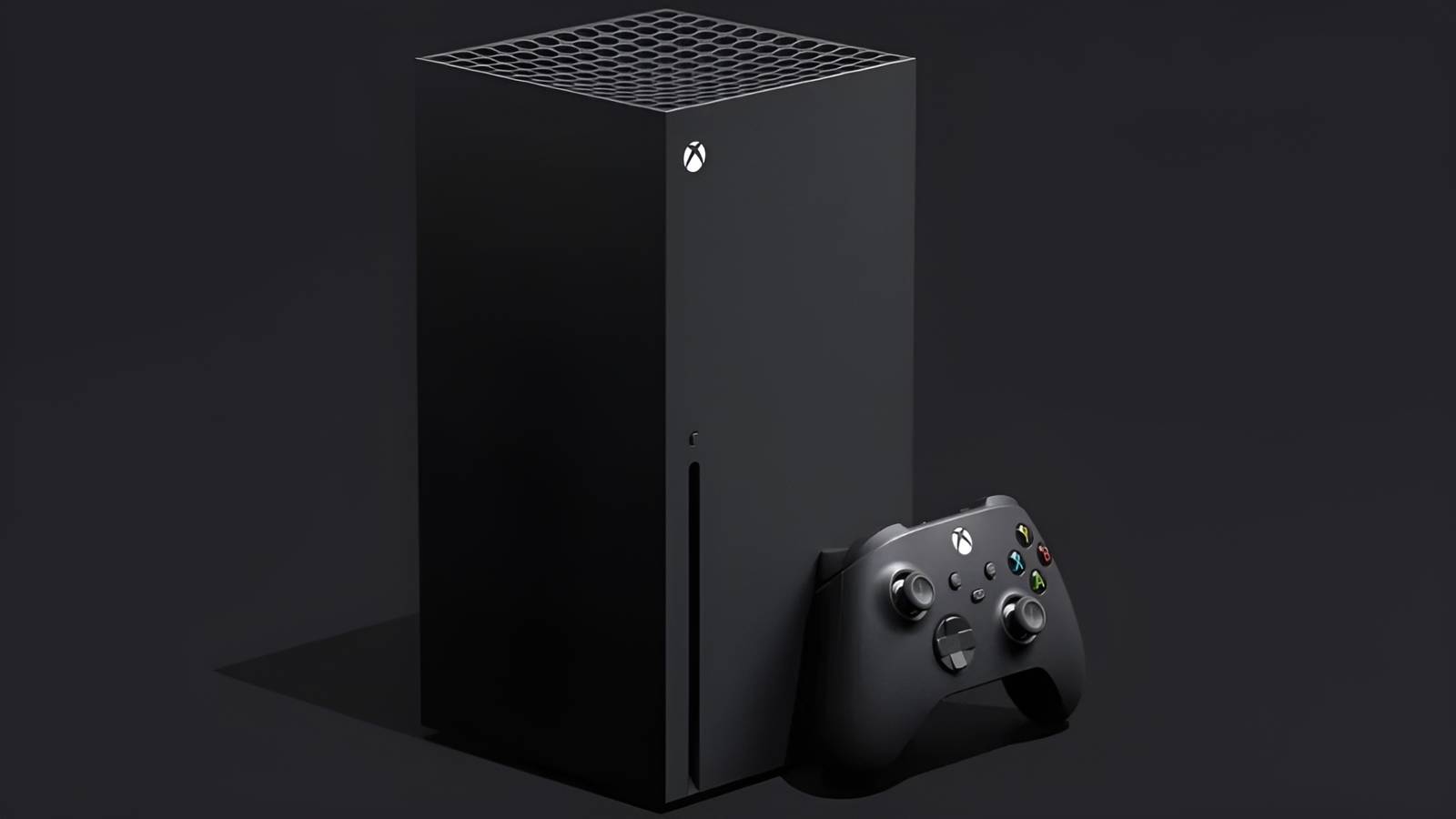
Microsoft has officially addressed why it decided to pull its divisive “This is an Xbox” marketing push. This move follows a period of major transitions within the Xbox leadership team as they re-evaluate how the brand presents itself to the public. For those following the Xbox hardware updates, this shift signals a return to more traditional gaming concepts.
Over the last few years, the gaming giant has been navigating a tricky path between maintaining its console identity and expanding its reach. Fans have watched as traditional boundaries between platforms began to blur, with several high-profile titles making their way to competing systems. This era was marked by a heavy push toward cloud gaming and mobile accessibility, aiming to bring the library to any screen imaginable. During this time, the leadership team was heavily invested in a strategy that prioritized the ecosystem over any single piece of hardware. This led to a variety of promotional efforts that sought to redefine what it meant to be a part of the gaming community under Xbox.
‘We’re Long On Gaming’ Microsoft CEO Has Good News Regarding Xbox’s Future
Microsoft CEO Satya Nadella promises that Microsoft is in it for the long run with Xbox, suggesting that fans might be able to rest easy, for now.
A New Direction for the Xbox Brand

The silence regarding the campaign’s sudden end was finally broken when a representative explained that Xbox’s new CEO, Asha Sharma, decided to retire the initiative because it simply didn’t resonate with the core identity of the platform. According to a statement provided to Windows Central, the leadership felt the ads “didn’t feel like Xbox” and that a total reset of the brand’s image was necessary. This decision led to the immediate removal of dedicated Xbox-branded websites and blog posts that had previously championed the idea that anything with a screen could be considered a console. Sharma is now personally overseeing how the company shows up in the public eye, moving away from the “everywhere” messaging that had defined the previous campaign.
It turns out that the marketing strategy wasn’t just unpopular with the most loyal fans, but also caused significant friction within the company’s own walls. Many Microsoft staffers reportedly felt that their hard work on dedicated Xbox hardware was being undermined by advertisements that actively encouraged people to skip buying a console in favor of using a smart TV or a phone. A report from The Verge suggests that this “Xbox everywhere” push was closely tied to former executive Sarah Bond, whose departure coincided with the campaign being scrubbed. The Verge noted that the messaging actually offended many employees who felt the pivot away from hardware was too drastic. By partnering with manufacturers like Samsung and LG to promote cloud apps over physical boxes, the company had created a confusing message that seemed to discourage customers from purchasing its own primary products.

Sharma’s arrival has brought a noticeable shift in energy within the internal teams, who, according to insiders at Windows Central, are happy to see a reduction in bureaucratic red tape and approval processes. While some critics pointed to her background in AI, sources suggest her true value lies in her proven track record of growing massive online audiences at places like Instacart and Facebook Messenger. She has been vocal about a “return to Xbox” and is focusing on shipping updates and features that the community has been asking for. This includes bringing back “fun” features to the Series X and S consoles that had previously been on hold while the company was chasing a wider, less-connected audience. Sharma’s goal appears to be refocusing on the core Xbox audience that actually buys the hardware, rather than chasing hypothetical users who might not have any brand loyalty to begin with.
Looking forward, the company is preparing for a new era of hardware with Xbox’s next-generation device, currently known as “Project Helix.” This system is expected to bridge the gap between consoles and PCs more effectively than ever before, potentially offering access to other storefronts like Steam and Epic. Sharma has hinted that the next steps will involve breaking down old expectations and emphasizing the enjoyment and usability of the hardware rather than just the service. While the industry faces global economic challenges and rising costs, the focus has moved back to making the console a “reference” point for the entire market. For now, the “This is an Xbox” era is officially over, as the brand looks to reclaim its identity and prove that it still values the traditional console experience.