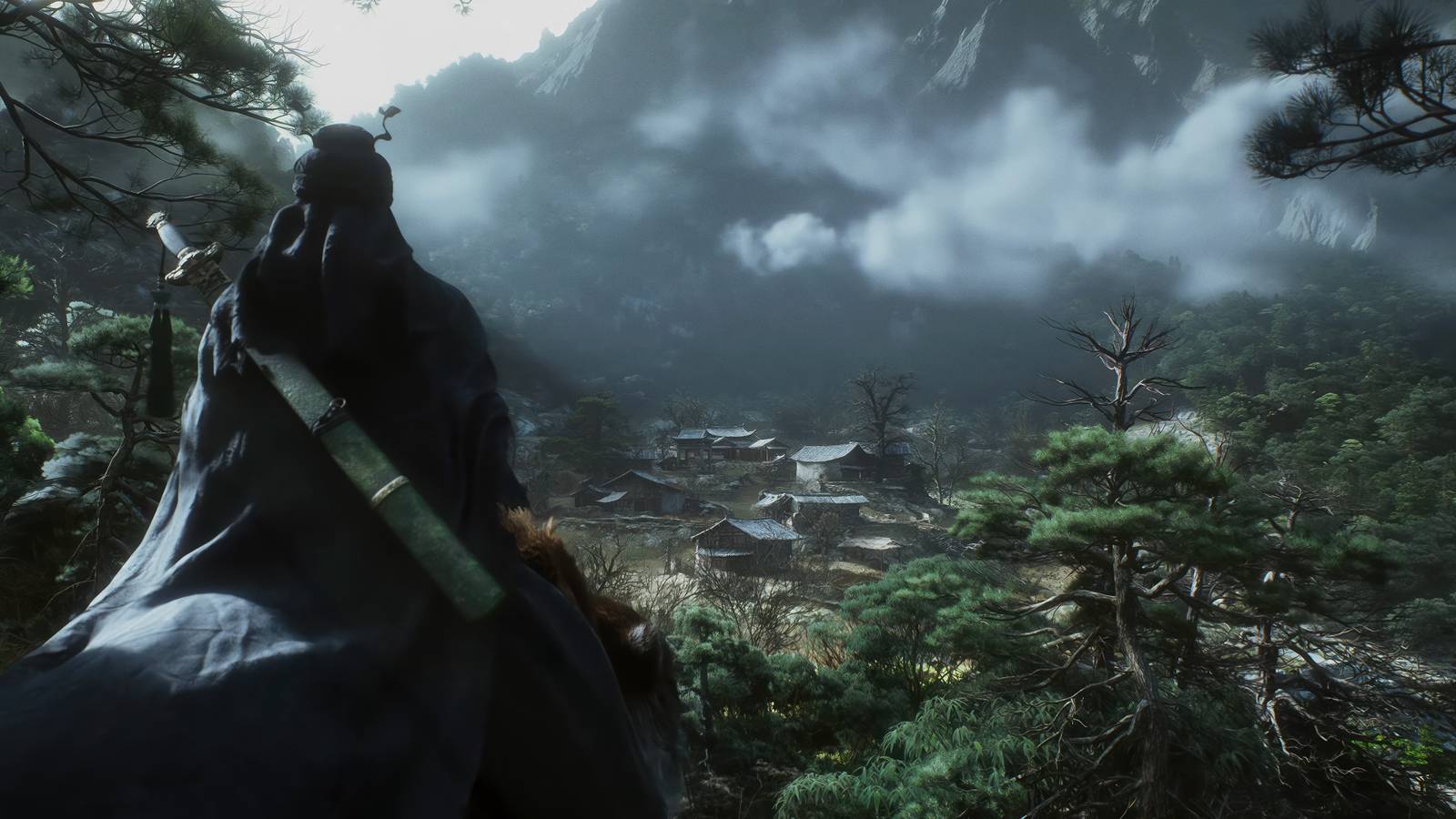







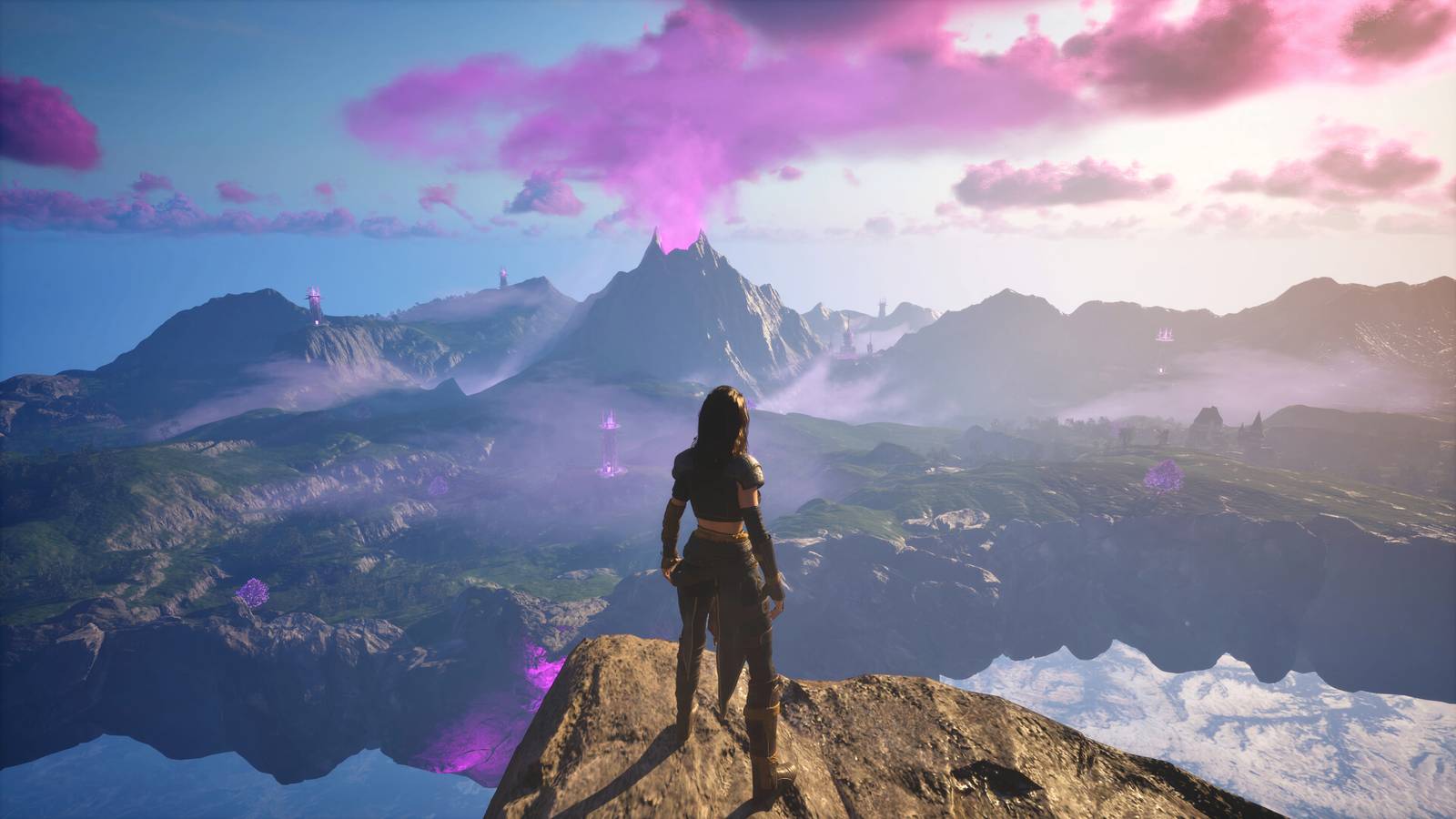
With Fable now unfortunately delayed to February 23, 2027 (thank you for that, GTA 6), I’ve been on the lookout for something that will scratch a similar itch until that day finally arrives. Well, I managed to find a game that does exactly that, all while bringing in bits and pieces of one of the best Legend of Zelda games ever made, Breath of the Wild, and after trying out the demo, I can safely say this is one that I’m thoroughly excited about. Luminary is an upcoming Fable-meets-Breath of the Wild action RPG by Refractive Entertainment, and it’s officially set to launch on Steam Early Access on August 11, 2026.
To this day, I’m not quite sure how Luminary managed to fly under my radar. I consider myself someone who is a big enough fan of both Fable and Breath of the Wild that I’m always searching for something even remotely similar, and yet, Luminary‘s demo has been available to try since October of last year, and I had no idea it even existed. However, it recently appeared in my X feed, with the developer unashamedly calling it “Temu Fable,” and I immediately began downloading the Luminary demo on Steam. Now, I can’t wait for August to roll around so I can experience more of this admittedly not-so-Temu Fable, which happens to have Breath of the Wild‘s knack for discovery and exploration. The thing is, though, it actually has a huge advantage over both of those games that absolutely needs to be acknowledged.
Forget The Witcher 3’s New DLC, New Vampire Game on Steam is Basically Blood and Wine 2
While The Witcher 3 getting a new expansion in 2027 is as surprising as it is exciting, this upcoming vampire RPG may resemble its best DLC more.
Luminary Already Feels Like the Kind of Fable Substitute I’m Looking For, With Benefits

Let me be clear up front that Luminary is largely similar to Fable in its presentation and tone, though its gameplay loop is indeed similar as well. As far as what I experienced in the demo goes, what you see in the environments, hear in the music, and feel in the gameplay is highly reminiscent of Fable in the best ways. So, if you saw this comparison and immediately thought you’d be getting Lionhead’s iconic humor out of Luminary, I’m sorry to disappoint you. The only humor you might find in this are potential bugs surfacing during the game’s Steam Early Access period that could make playing with a friend a more memorable experience.

Guess the games from the emojis.
Guess the games from the emojis.
Easy (120s)Medium (90s)Hard (60s)
And speaking of co-op, that’s where the aforementioned advantage comes in. Neither Fable (as far as we know) nor Breath of the Wild features co-op gameplay, which ultimately takes Luminary up a notch or two on the pole, even if it is beginning as an indie Early Access game with plenty of rough edges. Even in its demo, I could feel the influence of Fable in its gorgeous color palette, whimsical themes, and perky, fantastical soundtrack.

In its early days, Fable featured both local and split-screen co-op, with Fable 2 being the first to introduce it. The only problem is that the second player generally acted as little more than a glorified henchman sent to do the main player’s bidding, going wherever they go and completing whatever task they had in mind. Fable 3 did expand its predecessor’s co-op gameplay, though, allowing players to share gold, properties, and even interact with shops together.
In Luminary, players can play in groups of up to three online, with a planned 2-player local couch co-op option.
As far as Luminary‘s use of co-op goes, the game’s progression system is built largely around the player’s character, with what it calls “World Tiers” baked into it as well. Players start the game by creating a character using a rather simple character creator with multiple fantasy races to choose from, as well as regional backgrounds, hairstyles, eye colors, and makeup. That character then becomes the focal point of the player’s progression, to the point where it stays with players no matter what they’re doing—whether it’s heading into a co-op session, beginning another playthrough, trying out the next World Tier, or starting a New Game Plus run.

While I’ve mentioned its Fable similarities, as well as the likeness it shares with Breath of the Wild (though I haven’t delved into that one yet), Luminary is also similar to classic RPGs like The Elder Scrolls 4: Oblivion in its character progression. Rather than earning skill points that can then be used to unlock abilities via a skill tree, players increase their proficiency in certain skills by using them. As those skills each increase in level, players then earn XP towards their character’s level and a point to spend on six different stats: Health, Stamina, Mana, Melee ATK%, Ranged ATK%, and MagicATK%. It’s the kind of RPG progression system that I miss, because it feels a bit more personal to my playstyle.
Luminary’s Key Features
- SOLO OR DROP-IN/DROP-OUT CO-OP with shared progression
- CHARACTER CREATOR with six races, various hairstyles, and more
- FORGIVING ARPG-LITE COMBAT with melee, ranged, and magic options
- TRAVERSAL MECHANICS like climbing, swimming, and gliding
- WORLD TIERS that increase in difficulty
- OPEN-WORLD ACTIVITIES like mining, fishing, animal catching, and resource gathering
- TOWN REBUILDING and upgradeable vendors
- NEW GAME PLUS town progression
Luminary‘s World Tiers function as another form of progression for the RPG, offering players more opportunities as those tiers increase. By “defeating,” as the game puts it, a World Tier in Luminary, players can then create another world on a different World Tier, while keeping their character’s progression intact. Heading into a higher World Tier can mean a greater number of enemies, increased difficulty, fewer tutorials, and more XP to gain. Based on what I experienced in the demo, “defeating” a World Tier ultimately meant beating the boss at the end of the path and then jumping off of a cliff and gliding into the horizon. However, that might change once the game enters Early Access and then eventually reaches its full release.
Where Luminary digs even deeper into RPG/Fable territory is in its settlement building mechanics, which I didn’t get to see in the demo but are promised on the game’s Steam page. According to the description there, players can “Save the towns people and use gathered resources to help them rebuild to their former glory. The Blacksmith, Armorer, Arcanist and Chef can level up as well, granting the ability to sell and craft better equipment.” That’s the kind of thing that I can’t wait to experience firsthand, as it offers players yet another layer of progression in the game that feels similar to Fable‘s landlord system.
Luminary is also similar to classic RPGs like The Elder Scrolls 4: Oblivion in its character progression.
Finally, Luminary‘s gameplay in general really does sink its teeth deep into the RPG space, and its combat, especially, feels like Fable. While I would love it if the developers eventually added a bit more impact to the combat, it did its job in the demo, and everything from the way the characters move to the enemies I encountered feel like they were ripped right out of a fantasy storybook titled “Fable.” Its combat is real-time and skill-based as well, and playstyles can be swapped instantly at the press of a button/key. On the broader RPG side of things, players can also mine, fish, and catch animals, among many other things.
Luminary Adopts Some of Breath of the Wild’s Iconic Exploration Mechanics
And then come Luminary‘s Breath of the Wild similarities, which really come down to a few surface level things that are hard to ignore. No, this isn’t the massive open-world dream that Breath of the Wild is, but when I’m out there exploring, it really does feel like I’m playing a version of Fable if it were given a few of Breath of the Wild‘s bones. For starters, there’s a glider, and I realize that featuring a glider doesn’t automatically make a game like Breath of the Wild—but also, it kind of does. And it’s even better, because using the glider doesn’t cost me any stamina in Luminary.
Luminary‘s gameplay in general really does sink its teeth deep into the RPG space, and its combat, especially, feels like Fable.
The thing is, you can also climb mountains freely and swim underwater, with what the developer calls a “robust fun locomotion system that allows you to go anywhere.” I mean, that just screams Breath of the Wild, assuming it actually turns out to be true, because Breath of the Wild is one of the few games that actually followed through with the promise that players could, in fact, go anywhere. There are far too many open-world games out there that say “See that mountain? You can go there,” and then I can’t go there. Hopefully, that doesn’t turn out to be the case in Luminary, but the demo made it feel promising.

But that leads me to my final point that the only way we’ll truly know whether Luminary is up to the task of scratching that Fable-meets-Breath of the Wild itch is when we get to play it come August. The demo is solid, albeit with plenty of rough spots. However, it sold me on the game enough to give it a try once it launches on Steam Early Access. If nothing else, there’s enough here to make the wait for Playground Games’ Fable reboot feel shorter than it does right now.
Luminary launches on Steam Early Access on August 11, 2026.