




It is no secret that Baldur’s Gate 3 is one of the most impressive RPGs ever made, and a big reason why so many people love and adore it is due to the amount of decision-making that you, as the player, are afforded. Instead of presenting you with a situation and giving you one solution to the problem, you can come up with all kinds of crazy methods to take down bosses, sneak past enemies, and interact with the world in interesting ways. That concept of player freedom is exactly what Warlock: Dungeons & Dragons is hoping to deliver, only on a more open playing field that doesn’t rely on the current conventions of the genre.
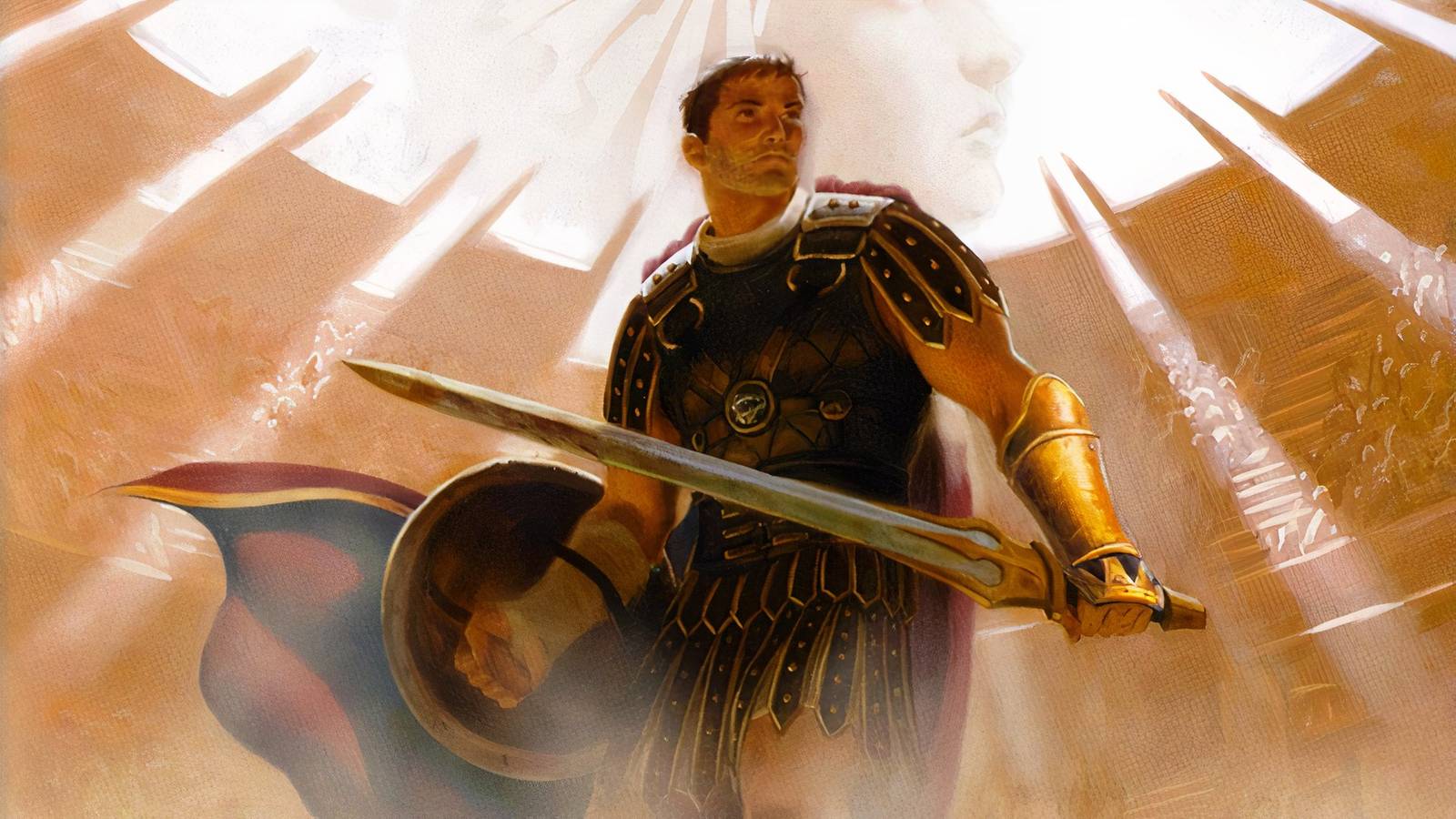
Set in a D&D-inspired open world, Warlock: Dungeons & Dragons has you adventuring across the land and into the depths below, uncovering secrets and using all kinds of magic to traverse, fight, and unlock the environment around you. From the initial gameplay reveals, we can already see that this isn’t just another standard fantasy RPG, as, rather than moving through caves and taking out anything that comes too close, you see the player make creative choices about which spells to use, where to cast from, and how to move through each segment unscathed. All in all, it is a nice departure from modern open-world design, where freedom is often promised but rarely delivered.
Warlock Is Putting Player-Driven Problem-Solving First
From the first two hours of exploring Baldur’s Gate 3, it is clear you are about to experience something truly special. Much like a tabletop RPG, you immediately have all the freedom in the world to speak to characters however you choose and carve out the story that you want to tell, and I can say from my personal playthroughs that things can quickly stray far from the beaten path. You might decide to lean heavily into the darkness, disregarding kind travelers and letting the urge take over, or you might just want to see how many barrels you can stack on top of one another in one spot; the point is that the game knows that this is your adventure, and it simply gives you the tools to make it happen.
Warlock has obviously seen the success of Baldur’s Gate 3 and chosen to apply those principles of expression to the open-world space, placing player freedom front and center and seeing just how far people are able to push things. The focus is primarily on magic and spells, but instead of throwing around a couple of different elements and hoping for the best, there are actually significantly more archetypes and options at your disposal that radically alter how the game plays and functions. For instance, if you venture out into the world, you can change the weather to make it rain, opening the doors for some impressive electrical combos, whilst still ensuring the rest of your arsenal remains intact.
Rather than moving through caves and taking out anything that comes too close, you see the player making creative choices about which spells to use, where to cast from, and how to move through each segment unscathed.
With that said, it isn’t all magic wands and effects, as you can also get up close and personal, swinging swords and delivering some weighty finishing blows that add a nice flow to the combat that many other games fail to deliver. The contrast between melee and ranged fighting also makes the protagonist look a lot more powerful and menacing, as even if an enemy manages to dodge your attacks and get into the danger zone, then you are still able to stab back, reposition, or use their own aggression against them depending on what kind of target you are up against.
-
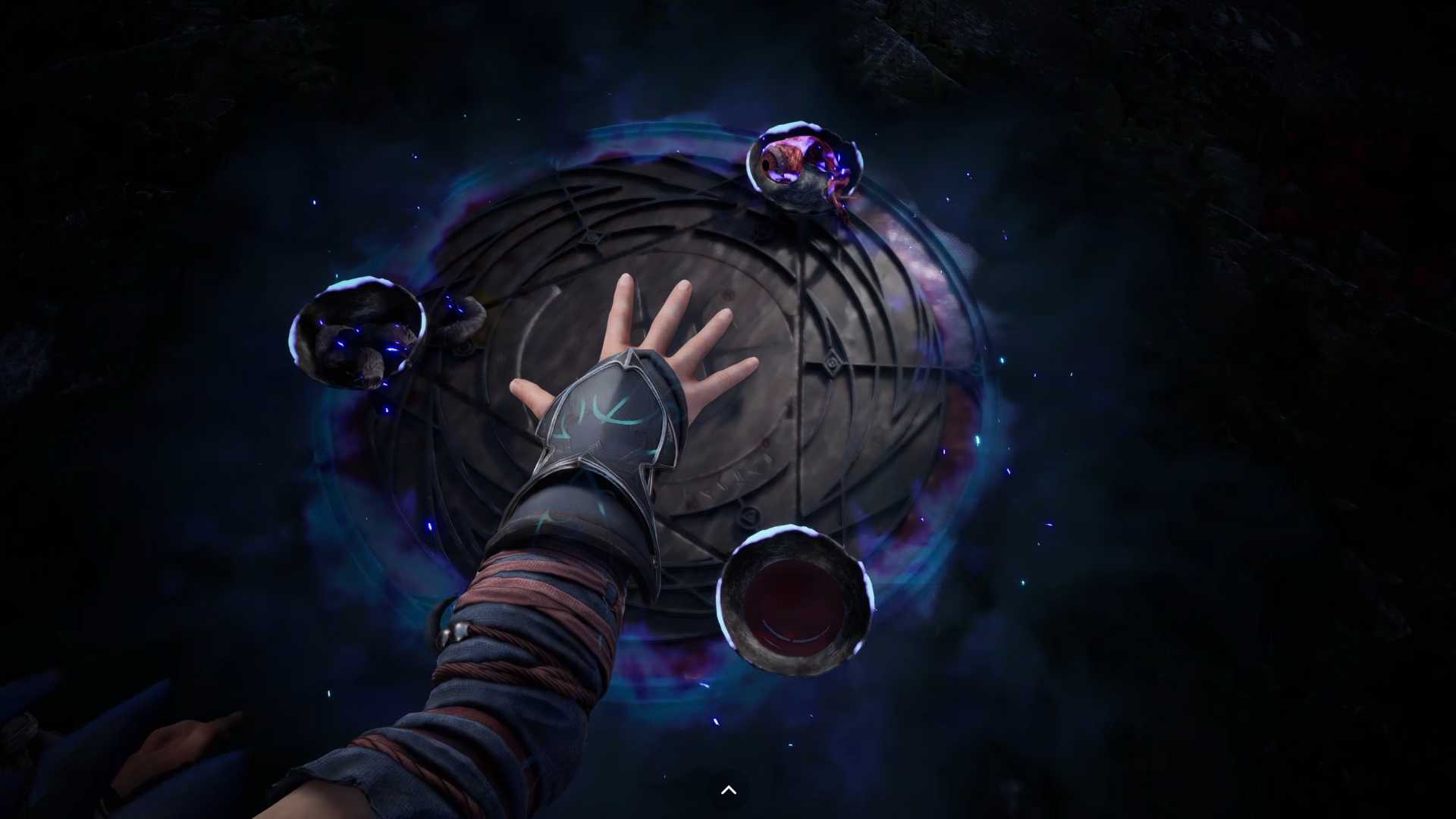 Image via Invoke Games
 -
 Image via Invoke Games
 -
 Image via Invoke Games
Perhaps the most important part of all these flashy spell casts and attacks is that they just look super cool. There is no friction between the movement abilities and damaging ones, and regardless of whether you are standing out in a field or exploring an underground dungeon, that level of freedom remains throughout. It also means that your choices have a much greater impact on how the gameplay flows, because it isn’t simply a case of choosing which ability to use and when, but how. How should I use the pushing spells, and how can I avoid this larger troll and take out the smaller enemies at the same time? And, as it turns out, there are almost always more ways to approach the situation than the actual spells on offer.
The Problem With Modern Open-World Freedom
One of the reasons why I think Warlock could mark a major shift in the open-world RPG genre is due to its lack of adherence to convention and its genuine delivery on the promises it makes. A lot of other open-world games market themselves as having creative and unmatched freedom to explore and play how you want, but more often than not, when you actually arrive somewhere, your options are far more limited. You may have dozens of spells, weapons, and armor to choose between, and be able to go in whatever direction you want, but in terms of actual problem-solving, there ends up being next to none.
Take something like Elden Ring, for example, a huge open-world RPG that gives you a gigantic landscape and never tells you how to explore it. One player may run off to Caelid before quickly scurrying back, while another might press on into Stormveil Castle, each having a vastly different playthrough right from the get-go. However, while the path to progression may be diverse between players, the actual key moments and fights are far more scripted, and even if you run into a boss with a greatsword or a staff, you are still just hitting the boss until it dies without much additional thought.
-
 Image via Invoke Games
 -
 Image via Invoke Games
 -
 Image via Invoke Games
None of that is to say that Elden Ring is worse than Warlock or any other open-world RPG, but in terms of player-driven problem-solving, one is almost devoid of it, and the other prioritizes it. Another reason having more choice in how you approach the world is a good thing is that it can alter how you engage with the narrative. Playing through the same series of scripted events is great and all, but by offering options like different paths through an area or ways to take out larger groups in the open field, then suddenly, the exploration part of the game can feel just as exciting and fun as the story itself, something that every good role-playing game should strive to be like.
I am all in on the Warlock hype train, and I really believe we are in for a bold new experience that other developers may want to take notice of if they want to keep competing in the RPG world. Out of all the upcoming RPGs, it is easily one of the more exciting, and hopefully, in the months leading up to launch, we get to see even more of that creative freedom in the world and in the combat before we eventually get to experience it firsthand.

Warlock
- Released
-
2027
- Developer(s)
-
Invoke Studios
- Publisher(s)
-
Wizards of the Coast
- Franchise
-
Dungeons & Dragons