





Horror video games explore a variety of subgenres, from gore and body horror to apocalyptic wastelands and cosmic terror, and Dreadline Express finds itself straddling a curious line between end-of-the-world doom and meaning-of-life existentialism. Dreadline Express just launched exclusively for PC via Steam on October 16, and the so-called “metroidbrainia” has already achieved a 98% positive rating on Steam, with audiences praising the title as a perfect example of how “less is more” stands out in an industry where abundance and excess so often bog down the messages hidden within subtle storytelling.
While the AAA gaming space has been largely dominated by established franchises and polished graphics, the indie horror sphere has seen a notable resurgence in games with old-school graphics and simple gameplay that serves to introduce thought-provoking stories. Often, the lack of hyperrealism is exchanged for a focus on surrealism, and Dreadline Express looks to be yet another indie game that focuses just as much on asking questions as it does on providing answers.
Dreadline Express Introduces Deck-building in Psychological Horror
-
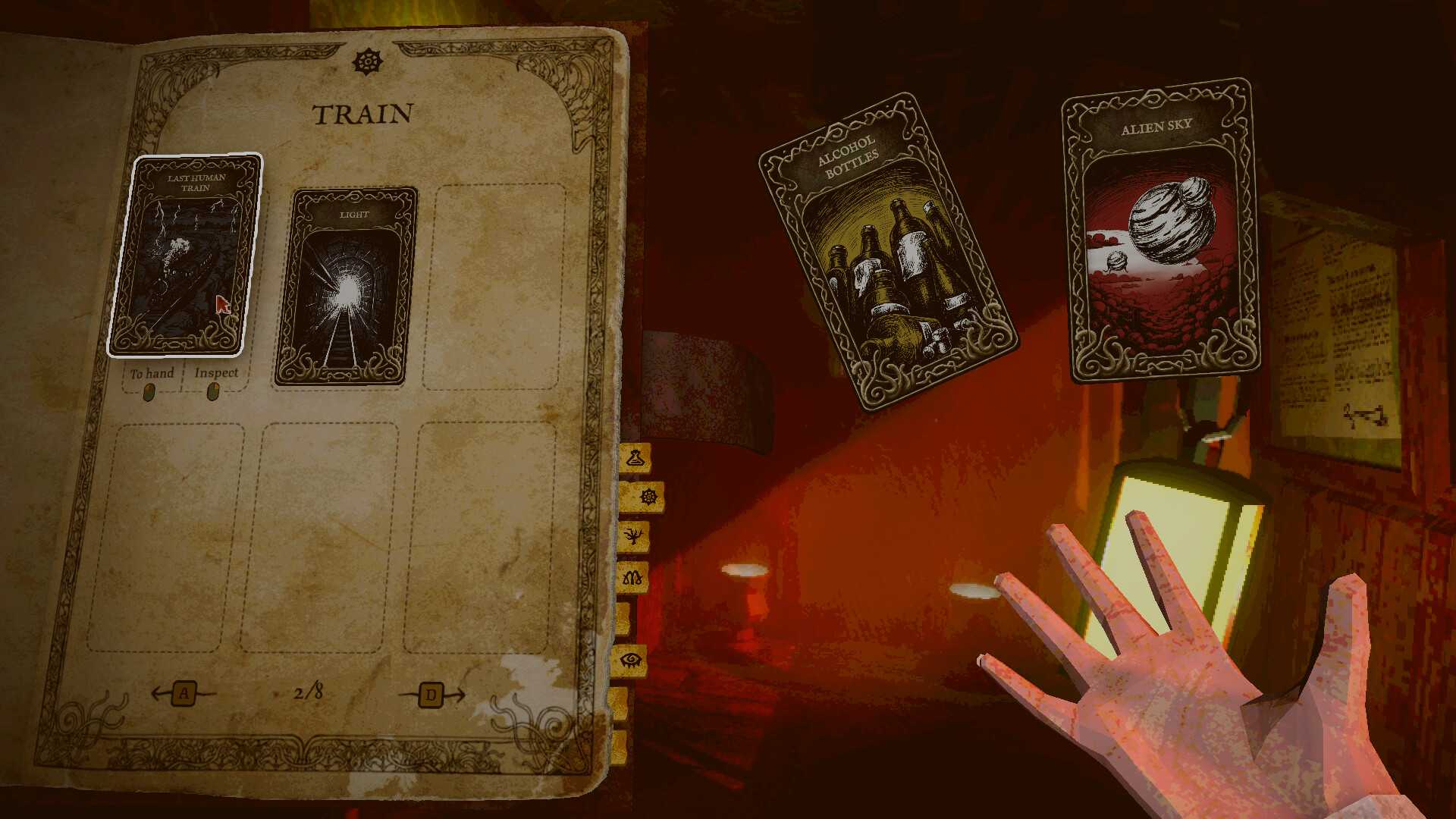 Image via Shorline Games, David Konecny
-
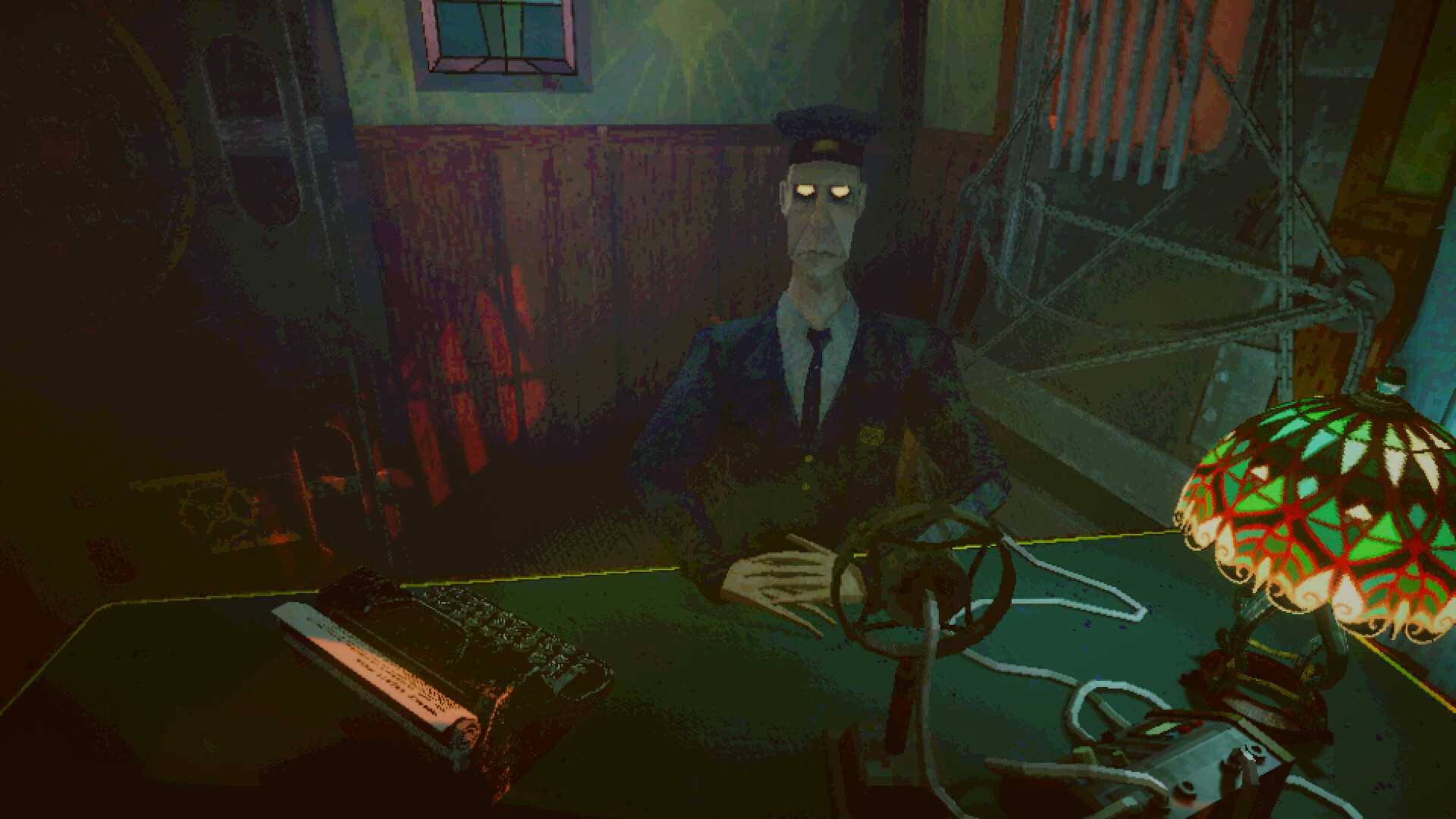 Image via Shorline Games, David Konecny
-
 Image via Shorline Games, David Konecny
Speaking in an interview with Deadline, developer David Konecny named horror games like SOMA and films by Ari Aster, such as Midsommar, as inspirations for his approach to making Dreadline Express. The Czech developer experienced a “crisis” while trying out a variety of projects that never fully came to fruition and eventually decided to combine various elements into a singular experience with Dreadline Express. Konecny drew upon his love for trains and Lovecraft while also adding splashes of his own life growing up with his great-grandmother and decided to create a game that lets players decide which direction they want the story to go in. The resulting project, which also features card collecting and deck-building gameplay, offers a unique gameplay loop that invites players to unravel the somber story of Dreadline Express in new ways.
Players will need to make various observations and interact with certain objects in Dreadline Express to gain cards that they can then utilize to speak with fellow passengers on the train and learn the origins and mindset of everyone aboard the “last human train in existence.” This grants players full narrative control, with audiences able to choose between positive or negative conversations to either make friends or enemies, all while attempting to solve a grander mystery that has wrapped the train and its passengers in melancholy. Between its story like SOMA and gameplay like Inscryption, it is perhaps unsurprising that Dreadline Express has struck an early, resonant chord among fans of psychological horror.
Despite concerns of the indie horror market becoming oversaturated with projects that try to follow the same formula as iconic horror games from the 90s, many of these newer titles differentiate themselves from one another, and from their predecessors, with innovative gameplay twists and bold storytelling. Dreadline Express does so with its card interactions and close-quarters exploration, and its uncommon premise may be one worth checking out. Whether it will reach the same mainstream success of SOMA or Mouthwashing remains to be seen, but popularity is not necessarily the “end all, be all” of gaming, particularly among indie horror.
