



I’ll admit that retro-style games don’t normally grab me all that much these days. Call me spoiled if that’s what it ultimately comes down to, but modern gaming has just shown me how much more potential there is in the medium that we once couldn’t tap into due to technological restraints. However, I won’t deny that the formula and mechanics of some retro games are still just as effective today as they once were, and Chrono Trigger is one of those. As a massive fan of turn-based RPGs, in spite of their inability to truly grab audiences in the same way they used to, games like Chrono Trigger and even Super Mario RPG still effortlessly capture my attention, especially once I sit down and actually put my fingers on the sticks. Well, a little JRPG called Toada Brava is the latest to do just that, as after spending around an hour with its free demo on Steam, I found myself pleasantly surprised at where this game is headed.
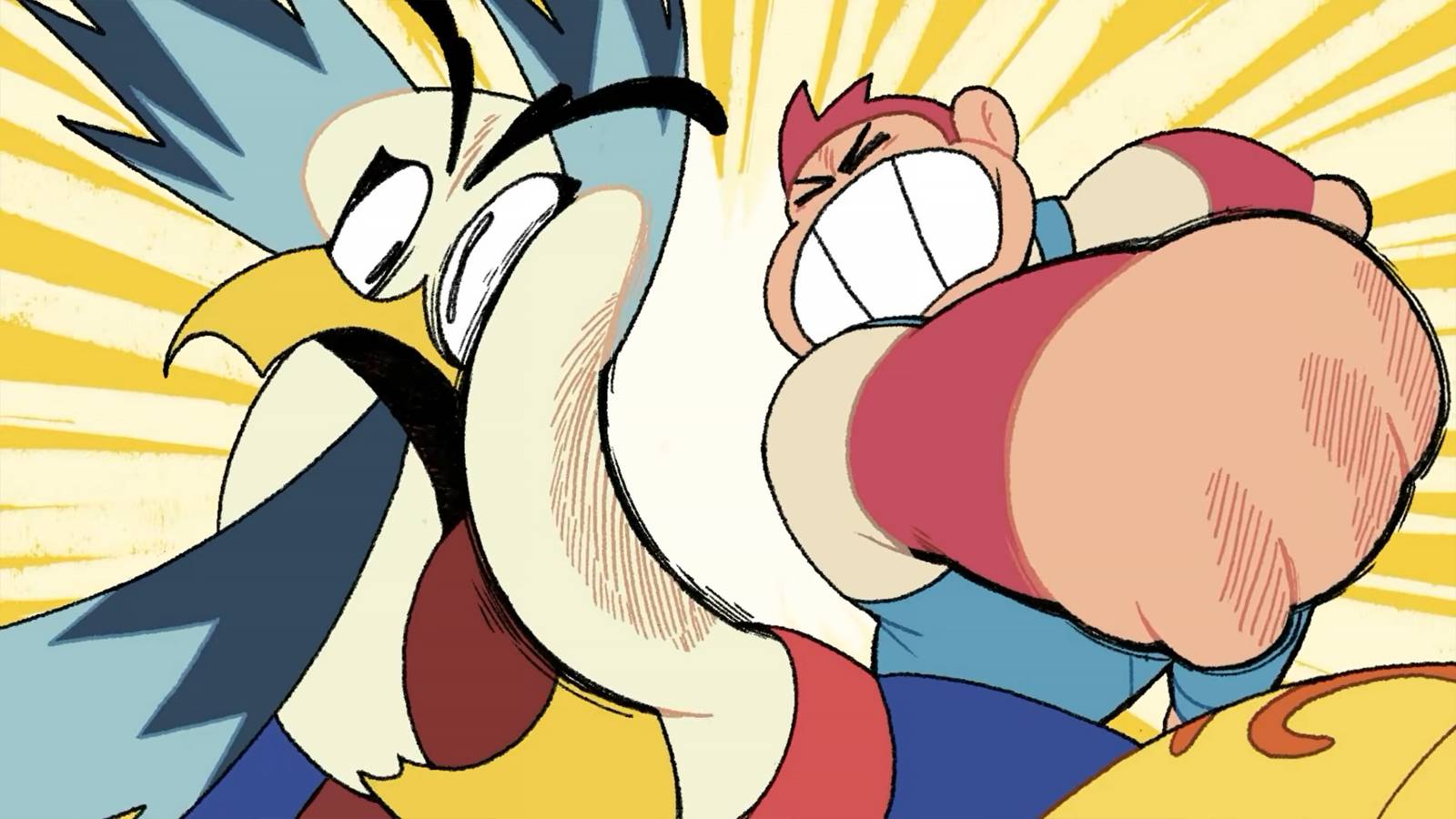
Developed by Asteristic Game Studio, Toada Brava is a fully hand-drawn 2D top-down RPG inspired by classic JRPGs like Chrono Trigger, Super Mario RPG, and Vagrant Story. The free Steam demo takes around an hour to complete if you run rather than walk, and it gives you a glimpse of how I assume the rest of the game’s dungeons work—which are actually similar to classic Zelda as well. Like the RPGs it was inspired by, Toada Brava features ATB turn-based combat with timing mechanics that will keep you actively engaged during battle, and its hand-drawn animations give it a charm and quirkiness that will have you grinning from ear to ear. And if the presentation doesn’t do that, the dialogue will, as it’s raw, occasionally unhinged, and matches the game’s tone perfectly. If all of that sounds like something you’d be interested in, head to Steam right now and give the demo a try yourself. Otherwise, here are my hands-on impressions of Toada Brava for a deeper look at what it has to offer.
Toada Brava Has More in Common With Chrono Trigger Than Just Its Looks
Check Out Toada Brava’s Free Demo on Steam
The story of Toada Brava follows a little monkey named Kako, whose life takes a rather unfortunate turn when the Duke of Santacrúz attempts to seize his family’s land to mine for gold. Kako’s mother doesn’t take too kindly to that, though, and ends up punching the Duke in the face, which ultimately gets her arrested and thrown into prison. Naturally, Kako sets out to rescue her, but that means making his way through the Santacrúz Dungeons, where he’ll meet a colorful cast of fellow prisoners who have their own reasons for wanting to escape. As it turns out, however, there’s more going on here than just an oppressive ruler taking advantage of his people, as the Duke apparently possesses supernatural powers that no ordinary person should have. The whole thing is also heavily inspired by Brazilian history and folklore, which gives Toada Brava a rather unique identity compared to the JRPGs that inspired it.
But where Toada Brava‘s roots really start to show is in its exploration and combat. If you’ve ever played Chrono Trigger or Super Mario RPG, you’ll be able to pick up Toada Brava‘s combat mechanics fairly quickly. Firstly, rather than featuring solely random encounters, enemies can be attacked during exploration to trigger a battle. Not only does that give you an advantage right off the bat, but it also allows you more direct control over how much time you actually spend in combat. Of course, one caveat is that Toada Brava still has a habit of interrupting you with unavoidable combat encounters as you progress the main story, but I don’t say that with total confidence that the entire game is that way. After all, the demo only covers the game’s prologue, so, naturally, there are quite a few interruptive story beats as Toada Brava sets up its main narrative.

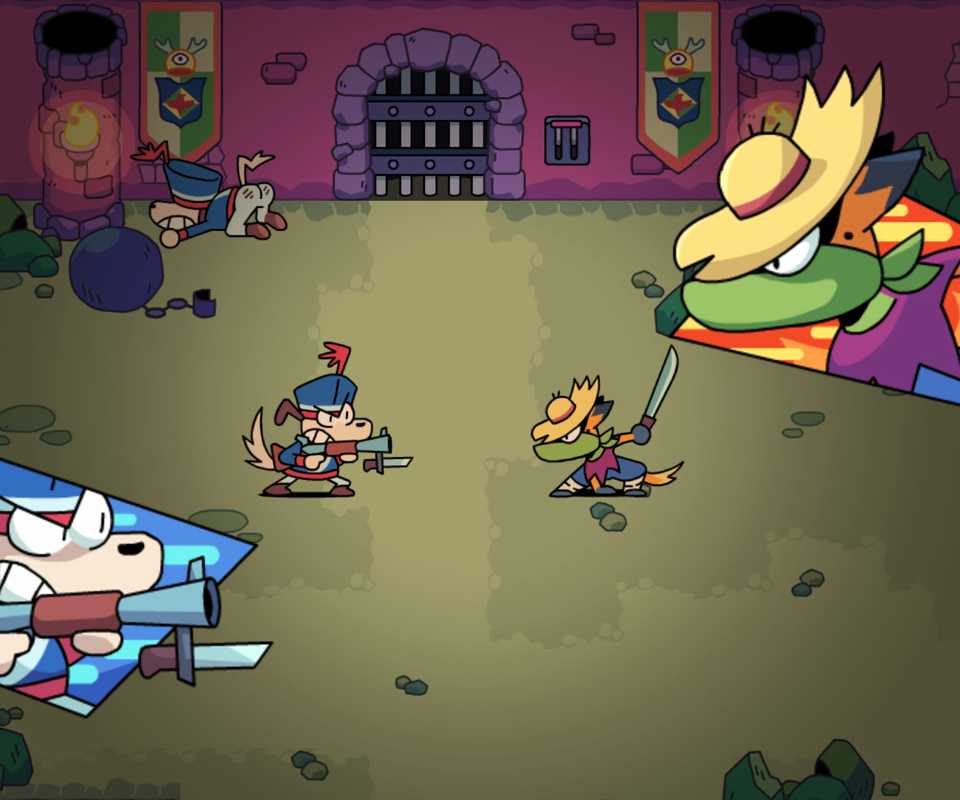
Combat itself isn’t too complex or fast-paced at all in Toada Brava, but that simplicity actually works in its favor for a game that really is trying to recreate the feel of classic JRPGs like Chrono Trigger. When performing a standard attack, players have a chance to attack twice if they hit the action button when an exclamation point appears above Kako’s head, and the same works for blocking and parrying during an enemy’s attack. Apart from standard attacks, Kako can play a Toada, which is a little musical number that can either deal damage to enemies or buff himself. Pressing the action button at the appropriate time during a Toada can also improve its effects. And finally, Toada Brava has a Buddies system, which grants Kako temporary allies that can also be controlled during battle and come with their own unique skills.
Like the RPGs it was inspired by, Toada Brava features ATB turn-based combat with timing mechanics that will keep you actively engaged during battle, and its hand-drawn animations give it a charm and quirkiness that will have you grinning from ear to ear.
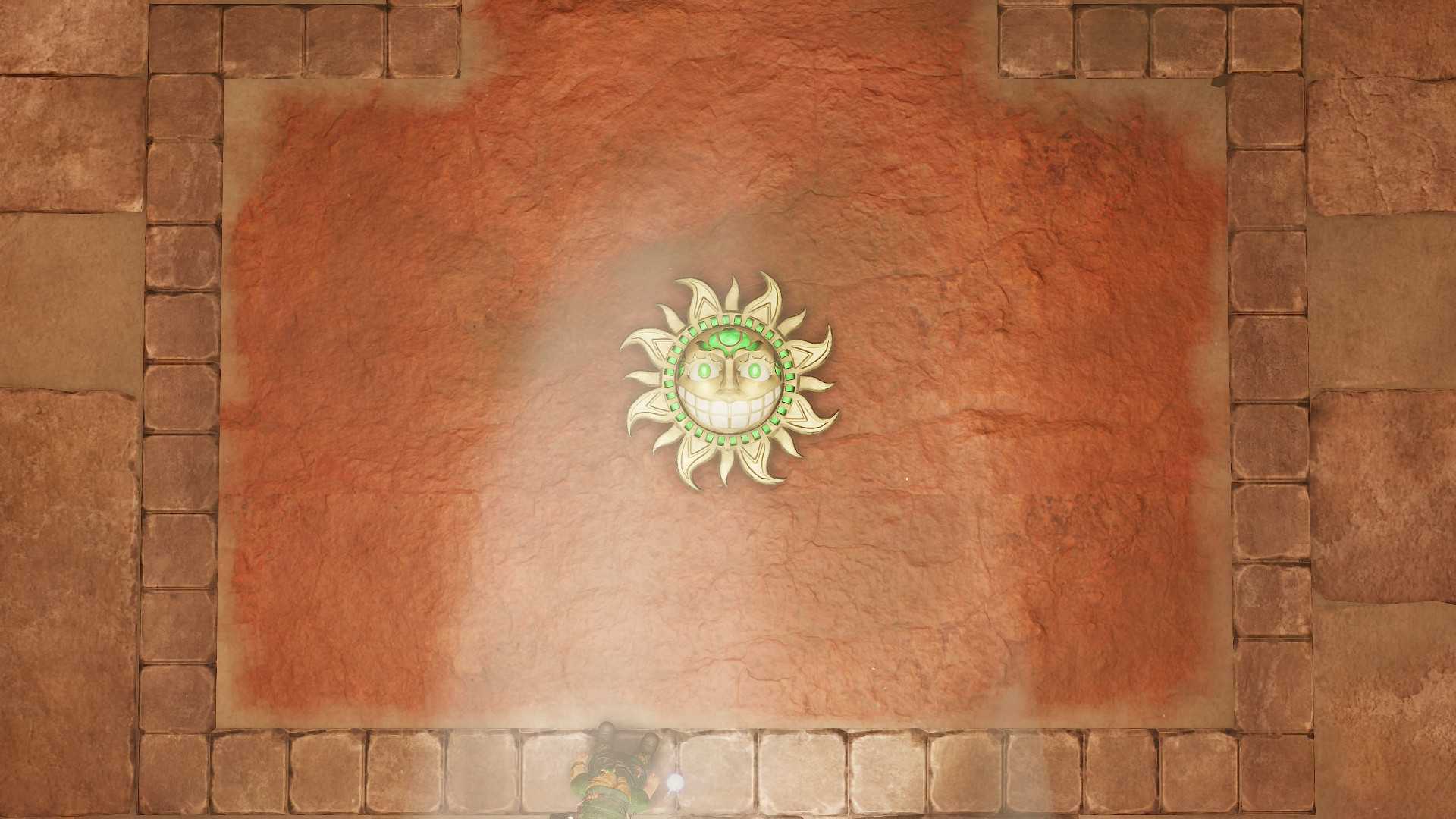
The exploration side of things in Toada Brava offers a pretty fulfilling adventure, especially when it comes to interacting with the game’s various characters and solving puzzles. As I mentioned, the demo brought me through the game’s prologue, which happened to be a dungeon, and it was immensely satisfying figuring out how to find the route forward. There’s quite a bit of backtracking involved as you find helpful items or discover that falling down a hole in the floor is actually less of a trap and more of an actual route you’re supposed to take. That part, in particular, was reminiscent of games like Pokemon or Zelda, and I appreciated the break in monotony. But finding the way forward isn’t the only highlight of the experience in Toada Brava, as its eccentric characters help bring its world to life and are therefore worth talking to.
Toada Brava Proves There’s Still Plenty of Life Left in Classic JRPGs
I think what surprised me most about Toada Brava is just how much I enjoyed it despite how little it really tries to reinvent the wheel. There’s nothing here that feels particularly groundbreaking, at least from what I experienced in the demo, but I don’t necessarily think there needs to be. In fact, I would argue that Toada Brava is better off for sticking so closely to the formula that made games like Chrono Trigger so memorable in the first place. Its combat is simple enough that I never felt overwhelmed by it, but the timing mechanics kept me from ever feeling like I was just mindlessly selecting commands from a menu. And while its dungeon design certainly isn’t doing anything we haven’t seen before, I still found myself enjoying every little discovery I made along the way.
All of that is to say that I really enjoyed my time with Toada Brava, and I’m genuinely looking forward to seeing where the full game ends up. If anything, the demo reminded me that a game doesn’t necessarily need to push the boundaries of what’s possible to be worth playing, especially when the foundation it’s building on is already so strong. Toada Brava is about as classic as they come, and while I might normally see that as a reason to move on to something else, it actually ended up being one of the things I appreciated most about it. There’s obviously still plenty I haven’t seen, and an hour-long demo can only tell me so much about what the finished product will be like. But if the rest of the game manages to be as enjoyable as its opening hour, I have a feeling Toada Brava will be one of those little indie RPGs that I’m glad I didn’t overlook.
Toada Brava is currently without a release date, but players can try its demo on Steam right now for free.