






By now, we all know that artificial intelligence has become the most contentious topic in the video game industry, and its potential impact on creative jobs is a cause for concern for many. AI has prompted understandable scrutiny about whether developers are using the technology to replace human talent, especially as it can assist anywhere from generating in-game assets to recreating familiar voices. It’s there, in voice acting, that a major flashpoint has arisen, with The Witcher 3: Wild Hunt‘s upcoming Songs of the Past expansion presenting a different but relevant situation.
CD Projekt Red is using Respeecher’s AI technology to help restore the familiar sound of Geralt’s Polish voice in The Witcher 3‘s Songs of the Past expansion, which has raised quite a few questions surrounding consent and compensation. But Jacek Rozenek hasn’t been replaced: following a stroke in 2019, Rozenek’s voice changed, and it made it difficult for him to recreate the performance players have known for years. However, the developer hasn’t just generated Geralt’s dialogue using AI like many of us may have first guessed. CD Projekt Red has instead brought Rozenek back to record the new lines himself, with his consent for the technology to adjust his performance, and I do think it’s an important distinction as we move forward with the discussion of this particular use of AI.
AI Voice Acting Has Become a Major Point of Contention in Gaming
I think there are obvious and understandable reasons here on why AI acting has become such a volatile subject among video game developers and players. Voice actors spend years developing recognizable performances, and it can sometimes be inseparable from the characters they portray. That means that the possibility of developers using AI to recreate these voices raises many a question of consent, and more importantly, the future of the profession. If a studio can reproduce a familiar voice using AI, I struggle to see an incentive to bring the actor back to record new dialogue.


Guess the games from the emojis.
When the question of health comes into play, though, it’s important to distinguish between using AI to replace a performer and using it to support one. Jacek Rozenek’s situation with The Witcher 3: Wild Hunt’s upcoming Songs of the Past is with its complications here, and I do have to wonder if illness or injury means losing the opportunity to continue portraying such a prominent and popular character as Geralt. Furthermore, Respeecher doesn’t generate Geralt’s Polish dialogue independently, and CD Projekt Red is working with recordings of Rozenek performing the new lines himself.
CD Projekt Red has instead brought Rozenek back to record the new lines himself, with his consent for the technology to adjust his performance.
The technology is being used, most crucially, with Rozenek’s consent. He isn’t giving permission for somebody else to imitate his performance, especially if he’s actively participating in the process and remaining as the person delivering Geralt’s beloved dialogue. I feel like it’s an arguable case for treating this differently from AI-generated performances that sideline the original actor entirely. Not only that, but it raises an interesting point about whether health-related circumstances should be considered when discussing the ethics of AI in voice acting altogether.


I do imagine that this approach will receive a considerably different reception from AI being used to replace voice actors, and for those who want to hear Rozenek return as Geralt, it is a welcome compromise. Still, transparency matters. CD Projekt Red can provide nuance if players understand what has been altered and how the technology has been used, as well as what I think is the main concern: whether the actor has retained meaningful control over the final performance. The key thing here to remember is that AI is helping Rozenek continue his work, rather than taking advantage of his absence as an opportunity to replace him.
The Witcher 3 Could Offer a Different Perspective on AI Voice Acting
-
-
-
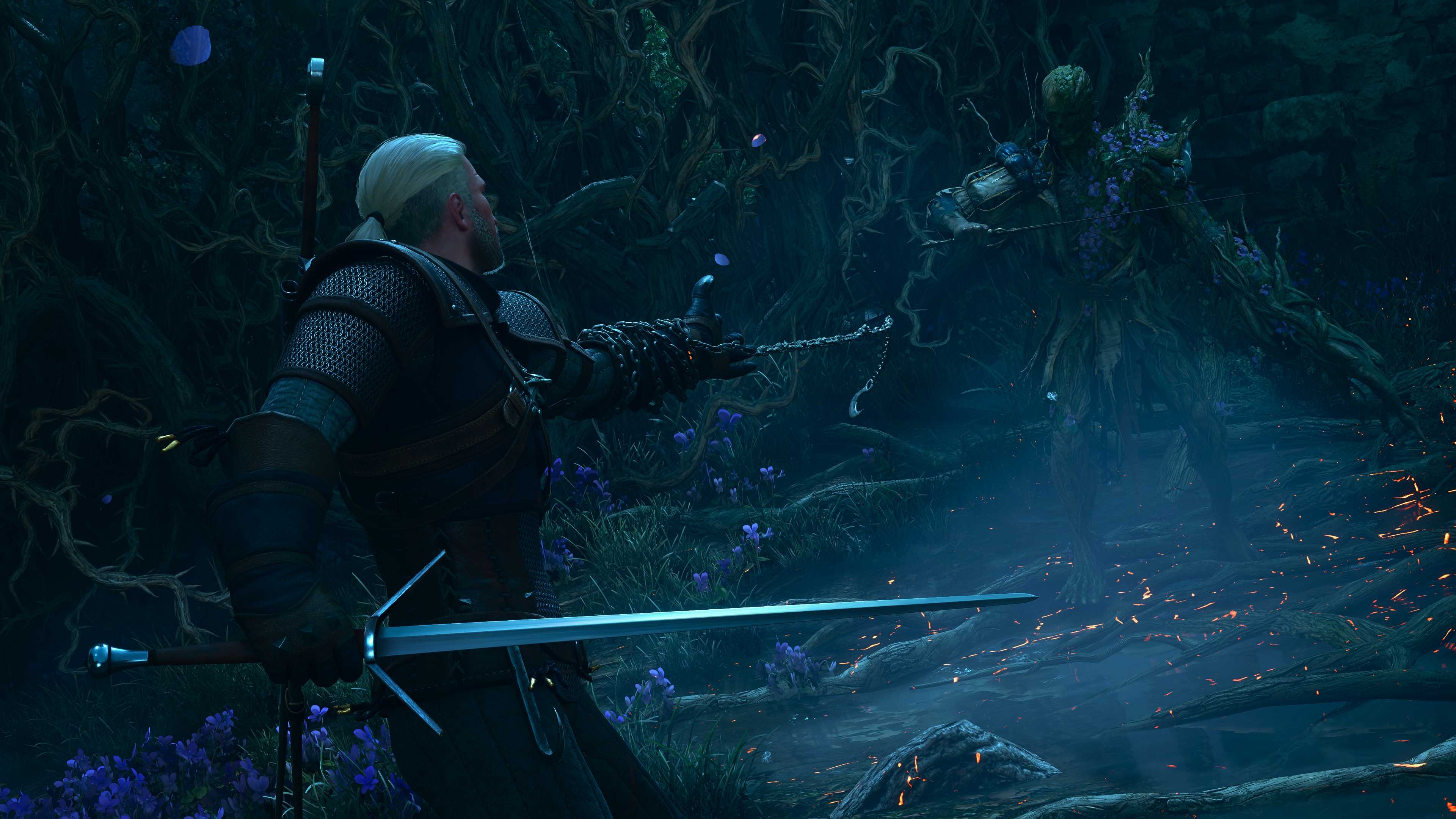

The Witcher 3: Wild Hunt’s Songs of the Past clearly presents an interesting example of how AI could be used in video games, without necessarily coming at the expense of human performers. Jacek Rozenek’s return as Geralt is also meaningful to many, many of whom will appreciate that technology isn’t being used to erase his involvement or manufacture a replacement for his performance. It will, in fact, help him continue playing such a critical and significant character—one that he has played for years. It’s a very different proposition from developers using AI to avoid hiring voice actors altogether.
By no means do I think that the wider concerns surrounding AI voice acting should be dismissed. That said, the industry should be careful to condemn every application of AI without considering who benefits from it and how it is being used. If you want to see the impact AI has on the reception of video games, I would say that this example with CD Projekt Red comes at a very critical time. The bottom line is this: if technology can help an actor overcome a health-related obstacle, and continue doing work they love, it’s difficult to argue that this should be treated as harshly as if it was replacing them. Rozenek’s return is thus a major reminder that the real issue isn’t whether AI has a place in video games, but whether the people whose performances make those games special continue to be given a place in them.


- Released
-
2027
- ESRB
-
Mature 17+ / Blood and Gore, Crude Humor, Intense Violence, Nudity, Sexual Content, Strong Language, Use of Drugs and Alcohol