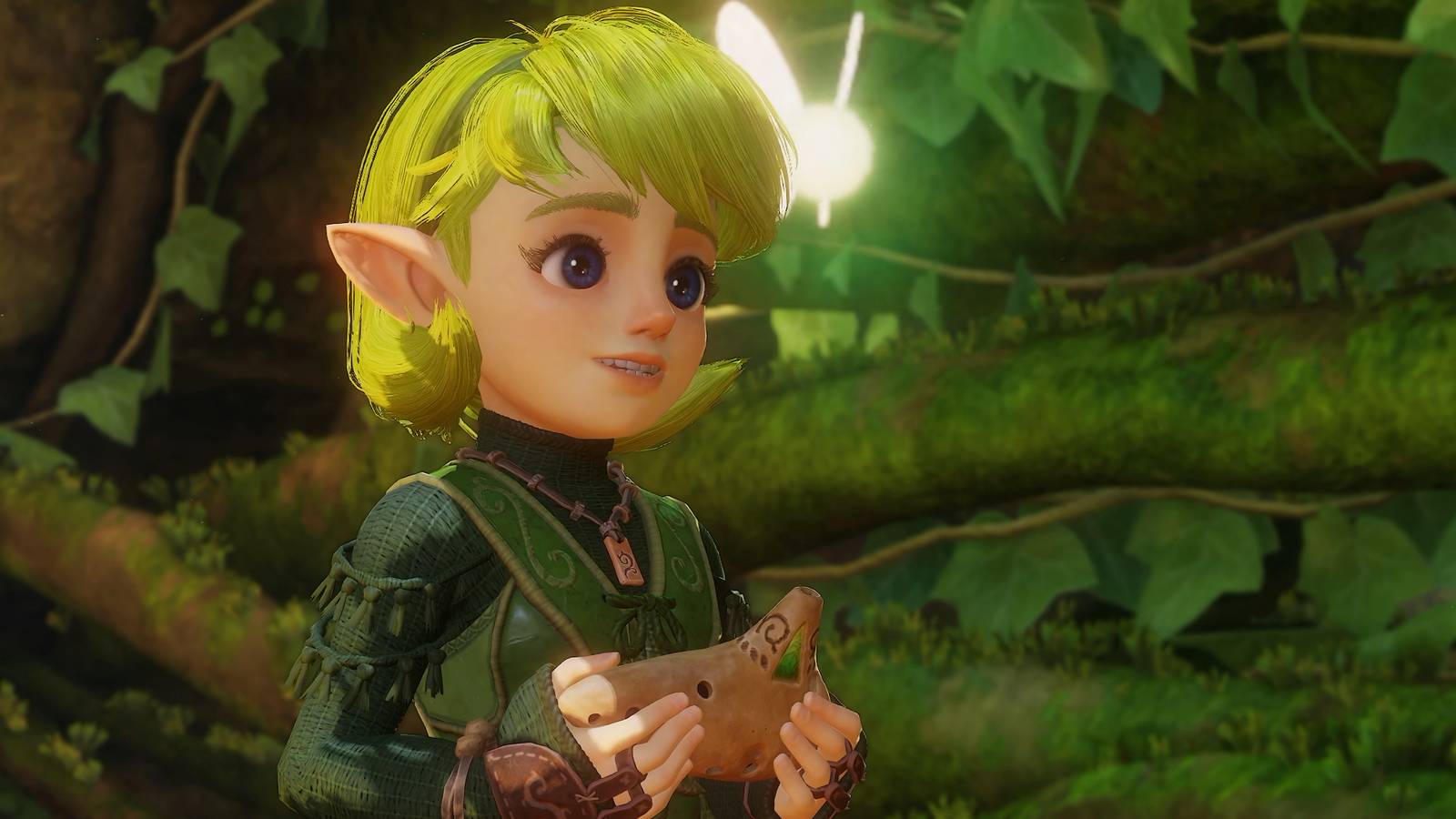
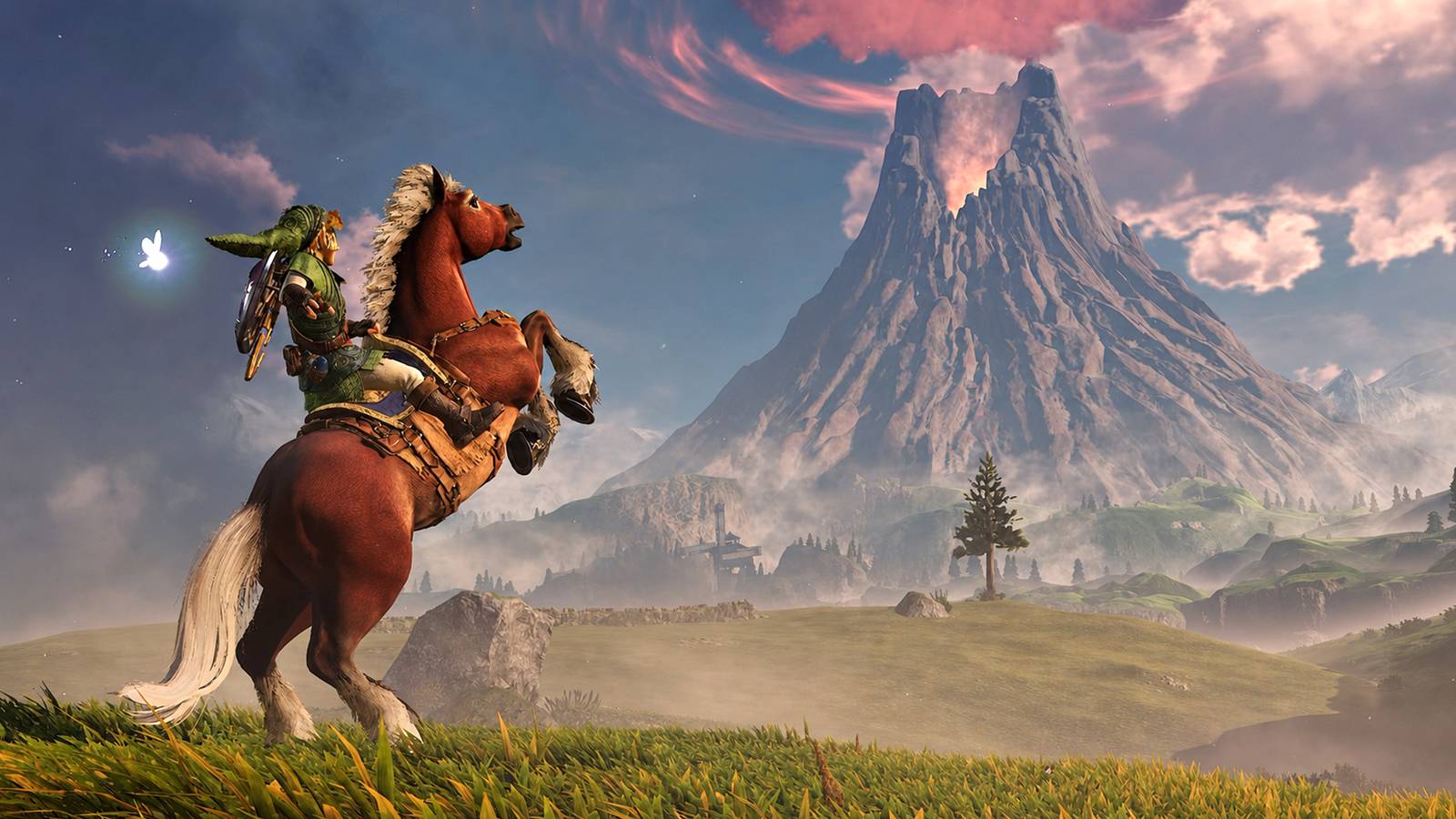
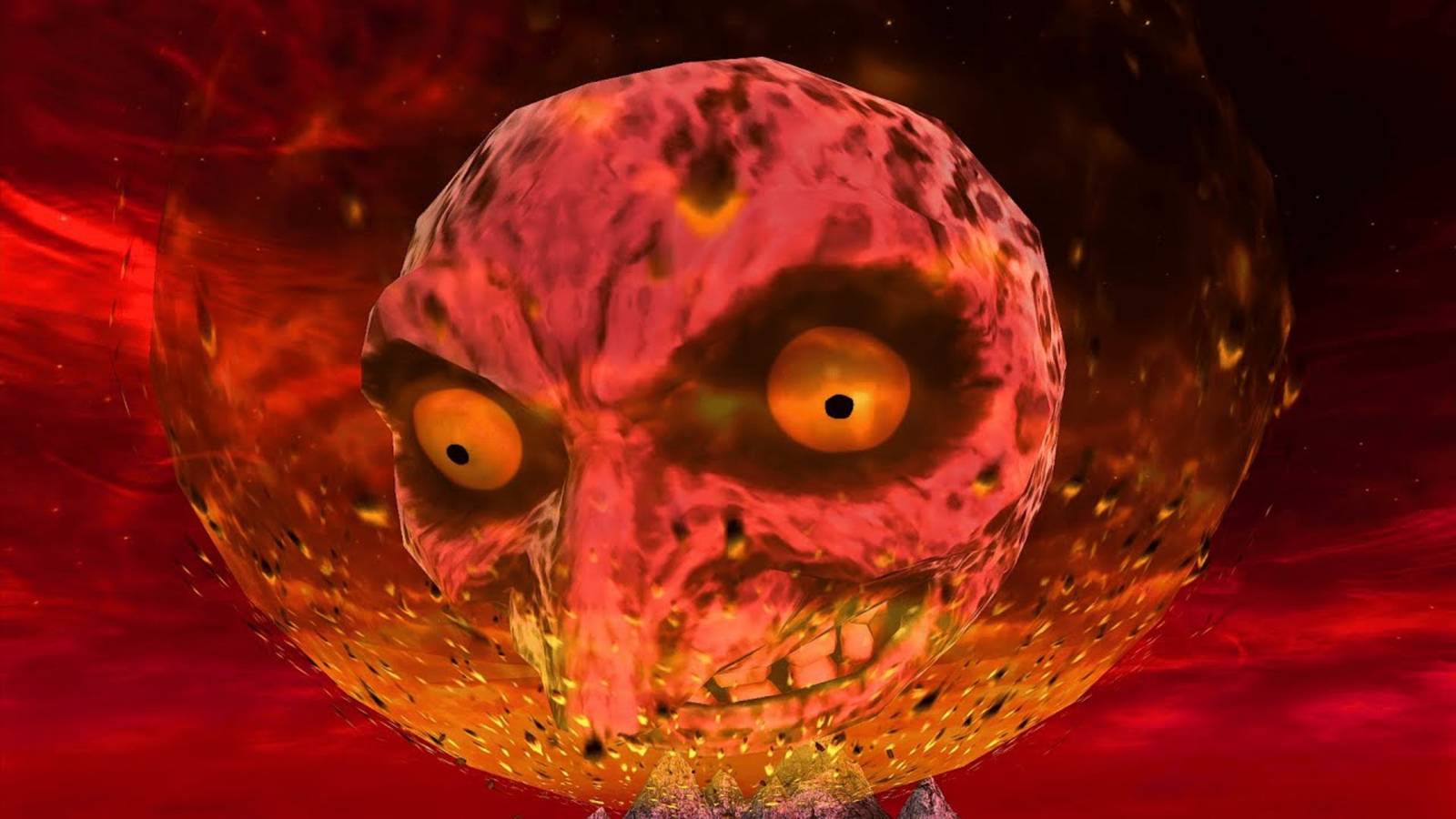




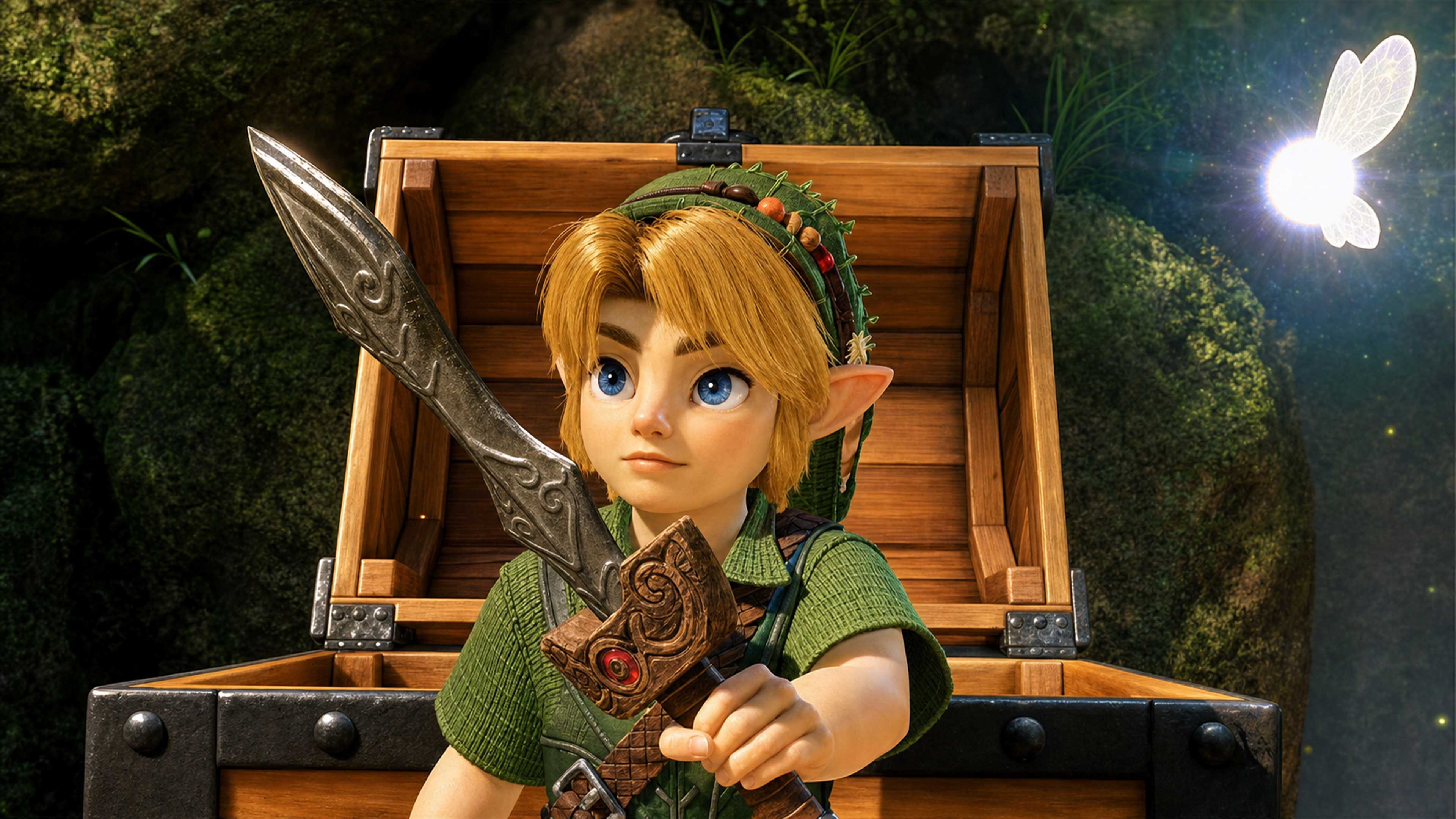
Of all the reasons Nintendo could have had for remaking The Legend of Zelda: Ocarina of Time, I don’t think I would have guessed that one of them was to teach its own developers something about Zelda. However, according to series producer Eiji Aonuma, that’s actually part of the reason the remake exists in the first place. Apparently, many of the developers working on Zelda today are much more familiar with developing games like Breath of the Wild and Tears of the Kingdom than they are with the older games in the franchise, and Aonuma wanted them to understand what ultimately made Ocarina of Time such a beloved masterpiece. More importantly, he hoped that rebuilding the N64 classic would give those developers some new ideas they could eventually use in future Zelda games, and I have to say, that’s probably one of the most encouraging things I’ve heard about the franchise’s future in quite some time.
Let me clarify that I’m not suggesting Zelda needs to abandon the open-world formula established by Breath of the Wild, because I genuinely love what it and Tears of the Kingdom did for the series. The amount of freedom they give players is unprecedented for Zelda, and I don’t think Nintendo should necessarily sacrifice that just to satisfy those who prefer the older games. But I’ve also never been convinced that the traditional Zelda formula needed to be benched entirely, especially when it comes to dungeon design. And after reading Aonuma’s comments, I’m beginning to wonder whether Nintendo might eventually find a way to bring more of those elements back without compromising what makes Zelda‘s modern era so good.
Ocarina of Time Has Plenty to Teach Modern Zelda Developers
-
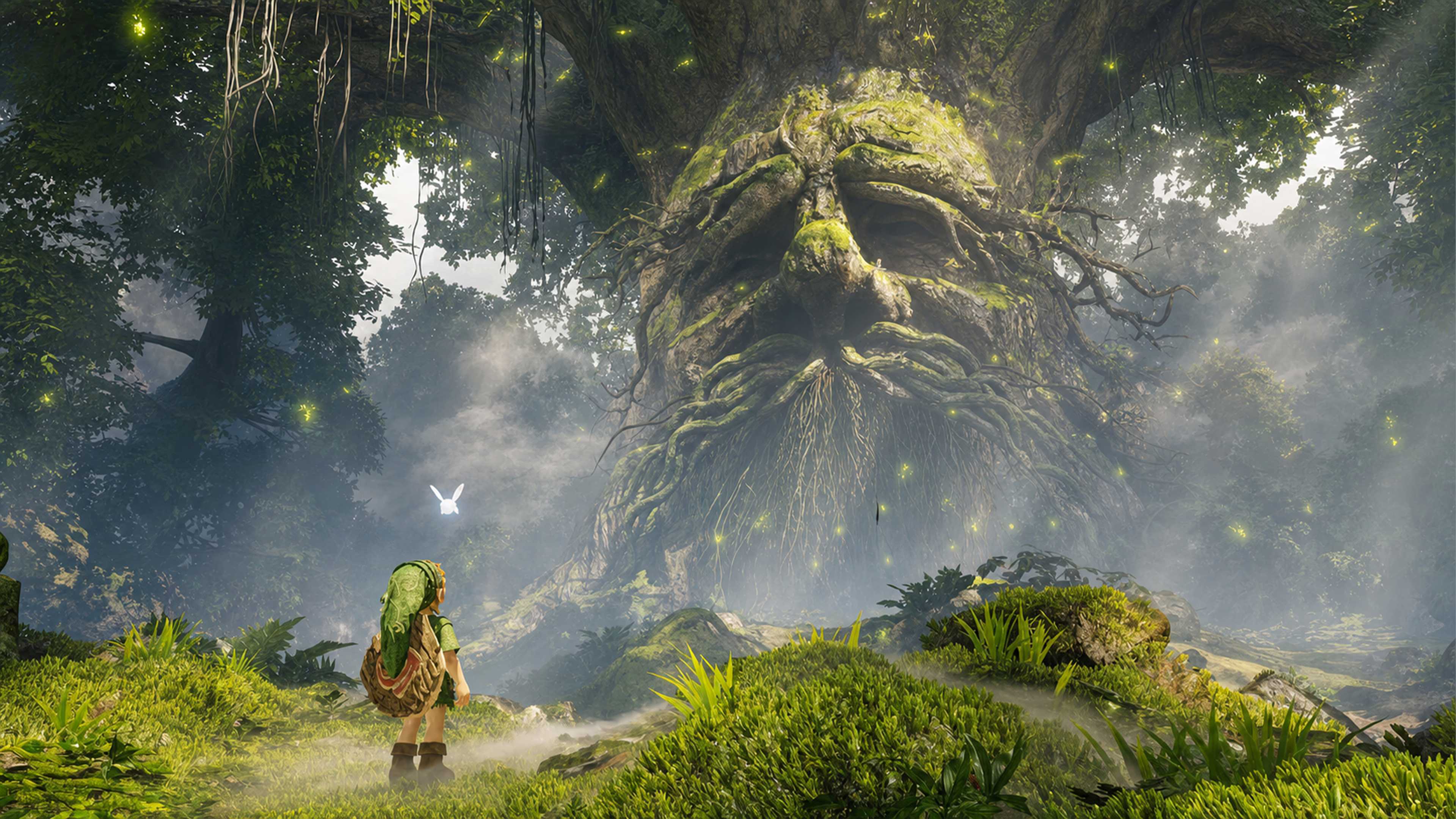 Image via Nintendo
-
-
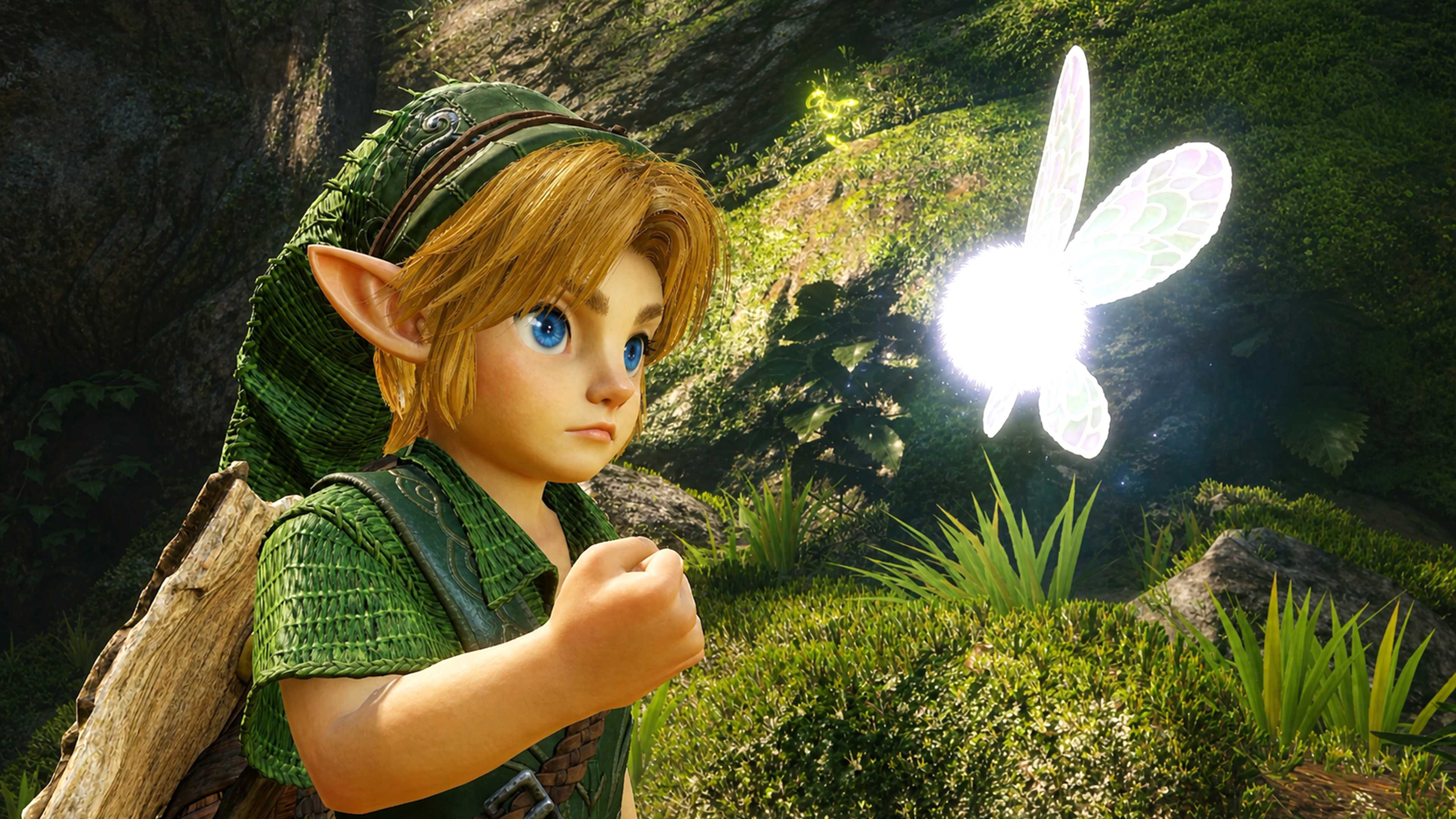 Image via Nintendo
In Nintendo’s recent Ask the Developer interview, Aonuma explained that, while the series’ 40th anniversary was certainly part of the reason for remaking Ocarina of Time, he also wanted the development team to understand the significance of the original game. Specifically, he hoped that learning its structure and actually rebuilding it from scratch might inspire ideas that could be implemented in future Zelda games. He also pointed out that Ocarina of Time offered something considerably different from Breath of the Wild, as, rather than allowing players to choose their own path almost immediately, it controls their progression, giving them a set route to follow that makes Link increasingly capable along the way. While that might sound like a pretty straightforward difference between the two games, I think it’s one of the biggest things Nintendo could stand to learn from revisiting its older design philosophy.

Guess the games from the emojis.
One of the standout features of Breath of the Wild and Tears of the Kingdom is their emphasis on creative problem-solving, as they allow players to essentially invent their way forward using whatever abilities and tools they’ve unlocked. Honestly, that’s one of my favorite things about those games, right next to the fact that the pressure of remembering what you were doing after you’ve been away for so long is made almost completely obsolete by each game’s open-ended structure. But what’s interesting is that those elements that happen to be positives in my eyes are precisely where Breath of the Wild and Tears of the Kingdom got Zelda wrong for others—and I’m even a lifelong Zelda fan.
-
 Image via Nintendo
-
 Image via Nintendo
-
 Image via Nintendo
See, earlier Zelda games like Ocarina of Time curated progression, not just by putting story events in a particular order, but by ensuring you wouldn’t even be able to witness those moments ahead of time unless you had a specific tool you could only acquire from a previous dungeon or story event. In that sense, they weren’t technically metroidvania games, but they could be considered cousins of the genre, at the very least. And the same could absolutely be said of their dungeons, which gated their own progression behind a particular tool that you could only obtain within the dungeon. That’s largely one of the reasons Breath of the Wild—Tears of the Kingdom less so—removed dungeons altogether, because the idea of players inventing a solution conflicted with the curated progression of classic Zelda dungeon design.
Aonuma explained that, while the series’ 40th anniversary was certainly part of the reason for remaking Ocarina of Time, he also wanted the development team to understand the significance of the original game.
But these weren’t the only things Aonuma wanted to teach Zelda‘s newest developers, as he also recently shared an example of how revisiting Ocarina of Time helped him reconsider modern Zelda‘s use of fast travel. During development, he suggested adding more warp points to the remake, similar to the ones players use to quickly get around Breath of the Wild‘s massive world. However, once the team implemented them, Aonuma realized they were causing players to miss some of the smaller discoveries they would otherwise encounter while making their way around Hyrule, so he had the additional warp points removed. Of course, it made more sense for Breath of the Wild and Tears of the Kingdom to have fast travel due to the size of their maps, but classic Zelda games like Ocarina of Time were never about the size of their maps but about how large the map could feel while still retaining a sense of modesty.
Zelda’s Future Doesn’t Have to Be Either Open-World or Traditional
What I’d really love to see from the next Zelda game is something that takes the best parts of both formulas and finds a way to make them work together. Give players another enormous world to explore if that’s what Nintendo wants to do, but make acquiring new tools and abilities feel more essential to the experience again, even if that means certain places can’t be reached until later in the game. Bring back dungeons that require players to pay attention to their surroundings, solve increasingly complicated puzzles, and eventually use everything they’ve learned to reach the boss. There’s no reason the next Zelda couldn’t allow players creative freedom while still giving them the sort of carefully designed dungeons and progression that made Ocarina of Time so special.
Of course, Aonuma never actually confirmed that Nintendo intends to bring traditional Zelda mechanics back in its next game, so I don’t want to get too carried away with what his comments might mean. Still, I think it’s significant that he specifically wanted developers who are familiar with modern Zelda to learn from Ocarina of Time, rather than simply having them remake it for the sake of celebrating the franchise’s history. After spending nearly three decades playing Ocarina of Time, I’m certainly not going to argue that the series needs to become exactly what it was in 1998 again. But I also don’t believe everything that made the older games so good has been surpassed by what Nintendo is doing today, and I’m glad Aonuma apparently sees value in making sure his developers understand that. If rebuilding Ocarina of Time eventually helps Nintendo create a Zelda game that combines the freedom of Breath of the Wild with the progression and dungeon design of the N64 classic, then I think this remake could end up being one of the series’ most important entries for its future.


- Released
-
November 5, 2026
- ESRB
-
Everyone 10+ / Animated Blood, Fantasy Violence
- Developer(s)
-
Nintendo
- Publisher(s)
-
Nintendo