

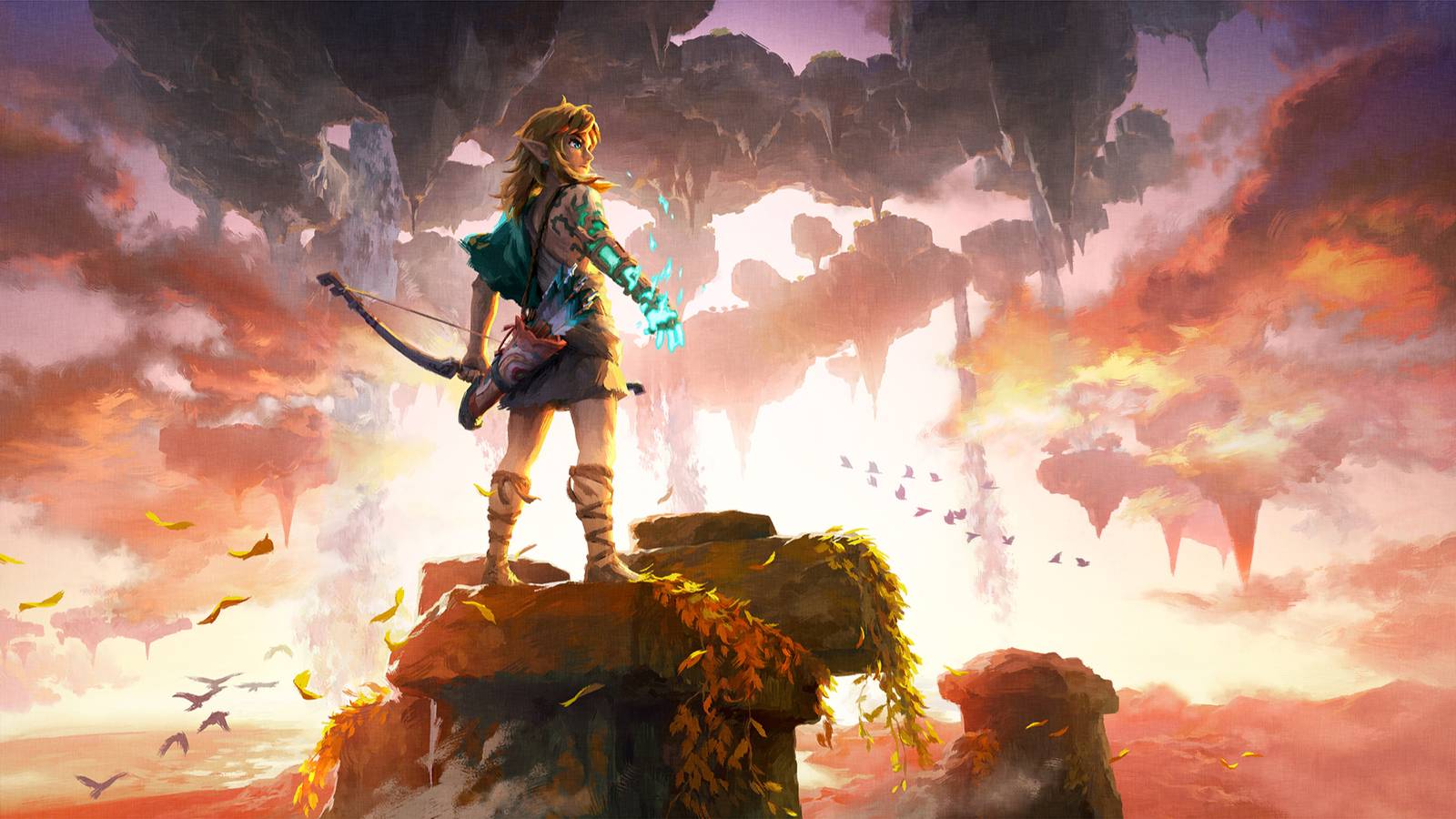



Ahead of The Legend of Zelda: Ocarina of Time remake’s big gameplay reveal during the 40th Anniversary Zelda Direct on September 8, 2026, I and many others speculated on whether the Switch 2 remake should remain more faithful to the N64 classic or take the original game further with some of the series’ modern interpretations of the franchise’s iconic formula. Despite being more on the side of someone who initially wanted to see the Ocarina of Time remake become a brand-new experience in its entirety, I saw and have always seen the value in both sides. But that’s especially true now that even more has been revealed about the game through early hands-on previews, and the evidence is pointing to a much more extensive reimagining than it first appeared.
There are quite a few major changes that have surfaced that prove the Ocarina of Time remake might feel like a genuinely fresh experience for veteran players like myself who have completed the original game more times than we can count. From alterations made to the game’s Forest Temple to even some combat encounters being made more difficult, there’s no reason to go into the Switch 2 remake thinking this is going to be the same game we played almost 30 years ago. However, Nintendo hasn’t just changed Ocarina of Time‘s dungeons or its more obvious moments. In fact, having recently learned that one of the original N64 game’s best secrets has been removed entirely, I’m wondering what other surprises I might stumble on when my muscle memory leads me to do things that quickly became a habit in 1998.
One of Zelda: Ocarina of Time Remake’s Best Secrets Was Removed, Paving the Way for Even More Changes
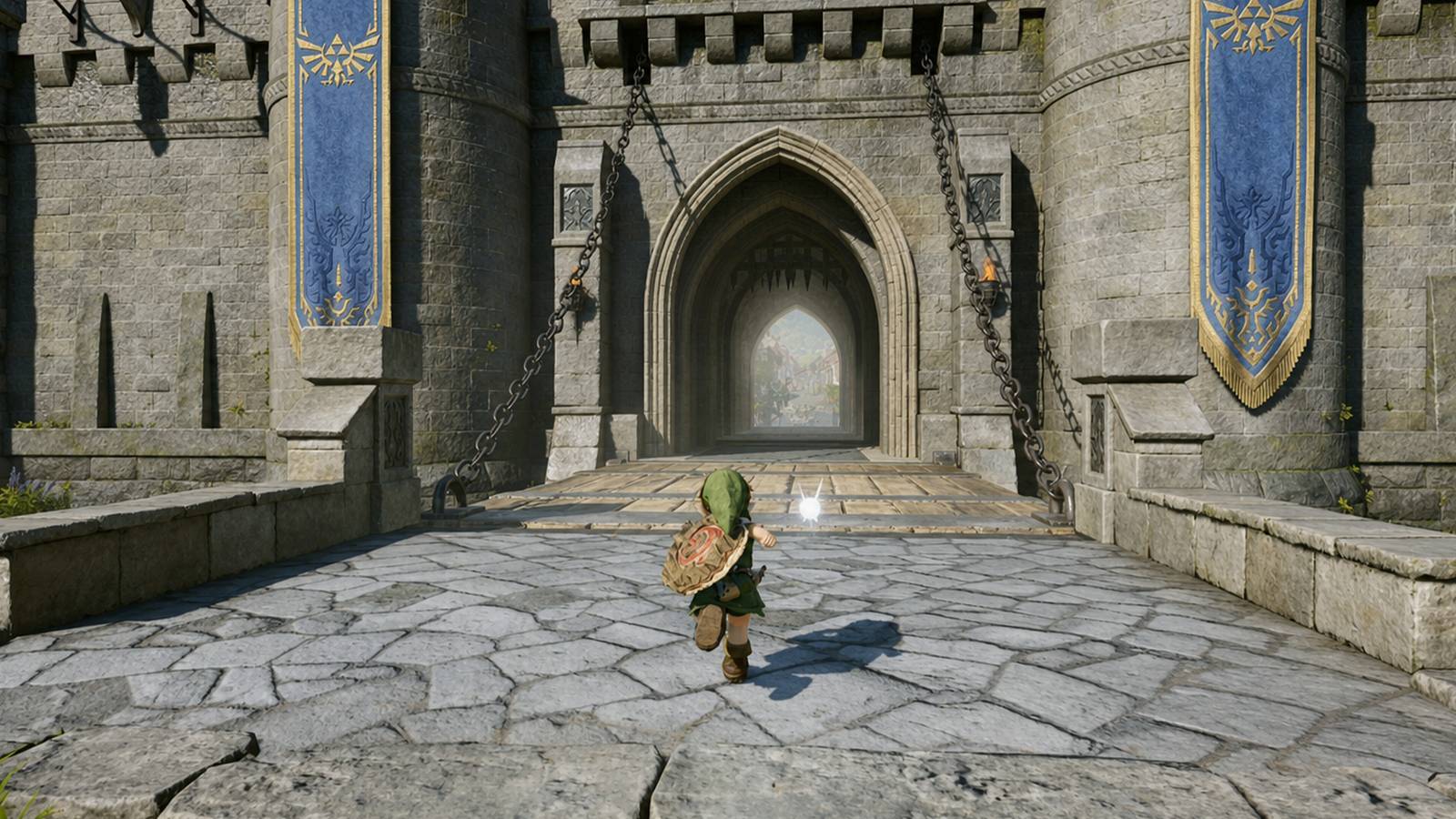
If you haven’t guessed yet, the secret I’m referring to is none other than the three invisible Red Rupees worth 60 Rupees total on the Hyrule Castle drawbridge. In the original game, players could walk up the chain on either side of the drawbridge, then once they reach the top, jump from the chain toward the center of the drawbridge, and they’d have a chance at obtaining up to 60 Rupees within seconds from a few floating Red Rupees that are invisible until acquired. It’s one of those secrets that you’d learn by word of mouth—especially considering the internet wasn’t all that prominent in 1998—but heading into Hyrule Castle Town for the first time with a wallet full of Rupees instantly made Link a VIP in those days.


Put the consoles in the correct order.
Unfortunately, early previews of the Zelda: Ocarina of Time remake confirmed that the Hyrule Castle Town drawbridge Red Rupees secret has been removed from the Switch 2 game. In Andrew Brown’s preview of the game for GamesRadar, for example, the author outright says, “You can no longer run up the drawbridge chains to grab a hidden rupee.” I honestly can’t say I didn’t see it coming, because changes like this, while they might not be all that necessary, are nonetheless expected in a fully fledged remake.
If you haven’t guessed yet, the secret I’m referring to is none other than the three invisible Red Rupees worth 60 Rupees total on the Hyrule Castle drawbridge.
But it has naturally made me wonder which other secrets the Zelda: Ocarina of Time remake has changed or removed, and after doing some more digging, I learned that yet another Rupee-based secret will not be obtainable in the Switch 2 version either. In IGN’s hands-on preview of the game by Logan Plant, as written on MMO.net, the author mentioned that “jumping across the stone platforms next to the Kokiri Forest shop no longer rewards you with a secret five rupees. Instead, additional blue rupees are scattered throughout the forest.” That’s actually one of the earliest secrets players can find in the original game, and what made it so important is the fact that Link couldn’t progress to the Deku Tree until he had a sword and shield—both of which needed to be bought from the shop in Kokiri Forest.
Now, while these are just two of the original secrets the Zelda: Ocarina of Time remake has removed, it’s a sign that many others have been removed as well. But the reason for these changes, though I hate to put words in Nintendo’s mouth, is likely accessibility. Rather than forcing players to seek out secrets in order to get ahead in the game, it made the goal behind uncovering those secrets more accessible. The additional blue rupees scattered throughout Kokiri Forest, for instance, suggests Nintendo wants to make progress more intentional, more visible, rather than spontaneous and invisible. And honestly, that would make sense, especially if Zelda: Ocarina of Time remake wants to bring some new players into the fray.
Zelda: Ocarina of Time Remake’s Missing Secrets Could Make Rediscovering Hyrule Even Better
All of that said, I sure hope there are still plenty of classic secrets like those for us to find in the remake. After all, hidden “cheats,” if you will, like that in the N64 era were a massive part of their appeal. Plus, I wouldn’t want all of that muscle memory to go to waste. As I watched the gameplay for the Ocarina of Time remake during the 40th Anniversary Zelda Direct, I fully expected Aonuma to run up the drawbridge chain as he approached Hyrule Castle Town, simply because I was so used to doing that in the original N64 game. Alas, he did not, though I wondered if the secret was still there and he just wasn’t spoiling it. However, that turned out not to be the case.
Still, I don’t think removing secrets like these is necessarily a bad thing, especially if Nintendo has added some new ones in their place. In fact, I think that’s one of the things I’m looking forward to most about the Ocarina of Time remake. I’ve played the original game enough times that I could probably find most of its secrets without even thinking about it, but I would love nothing more than to go into the remake thinking I know exactly where everything is, only to find out I don’t. Of course, I’ll miss running up the Hyrule Castle Town drawbridge for those easy Rupees, but if losing a few familiar secrets means getting to experience that feeling of discovery all over again, I’m more than willing to make that trade.



- Released
-
November 5, 2026
- ESRB
-
Everyone 10+ / Animated Blood, Fantasy Violence
- Developer(s)
-
Nintendo
- Publisher(s)
-
Nintendo