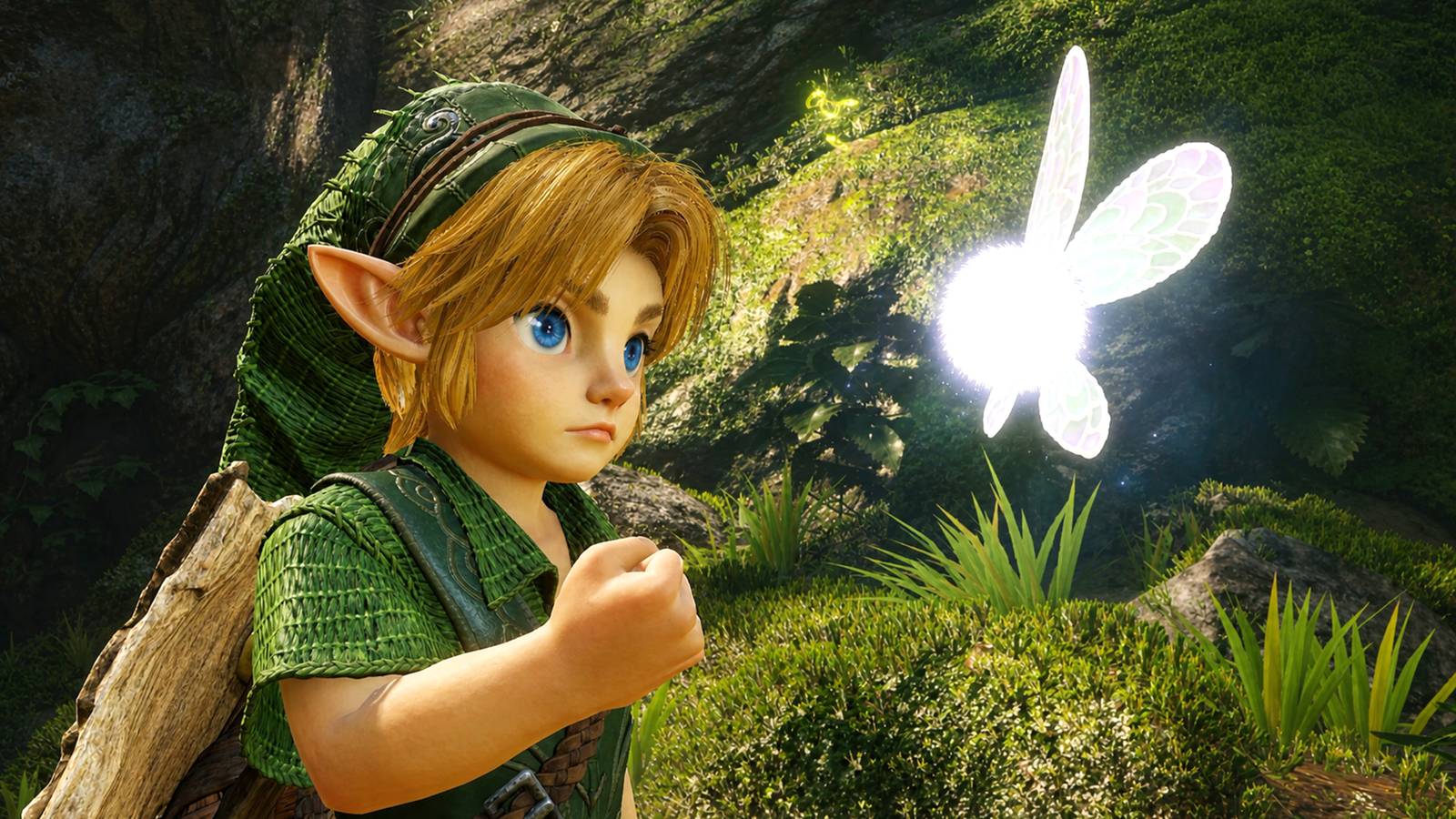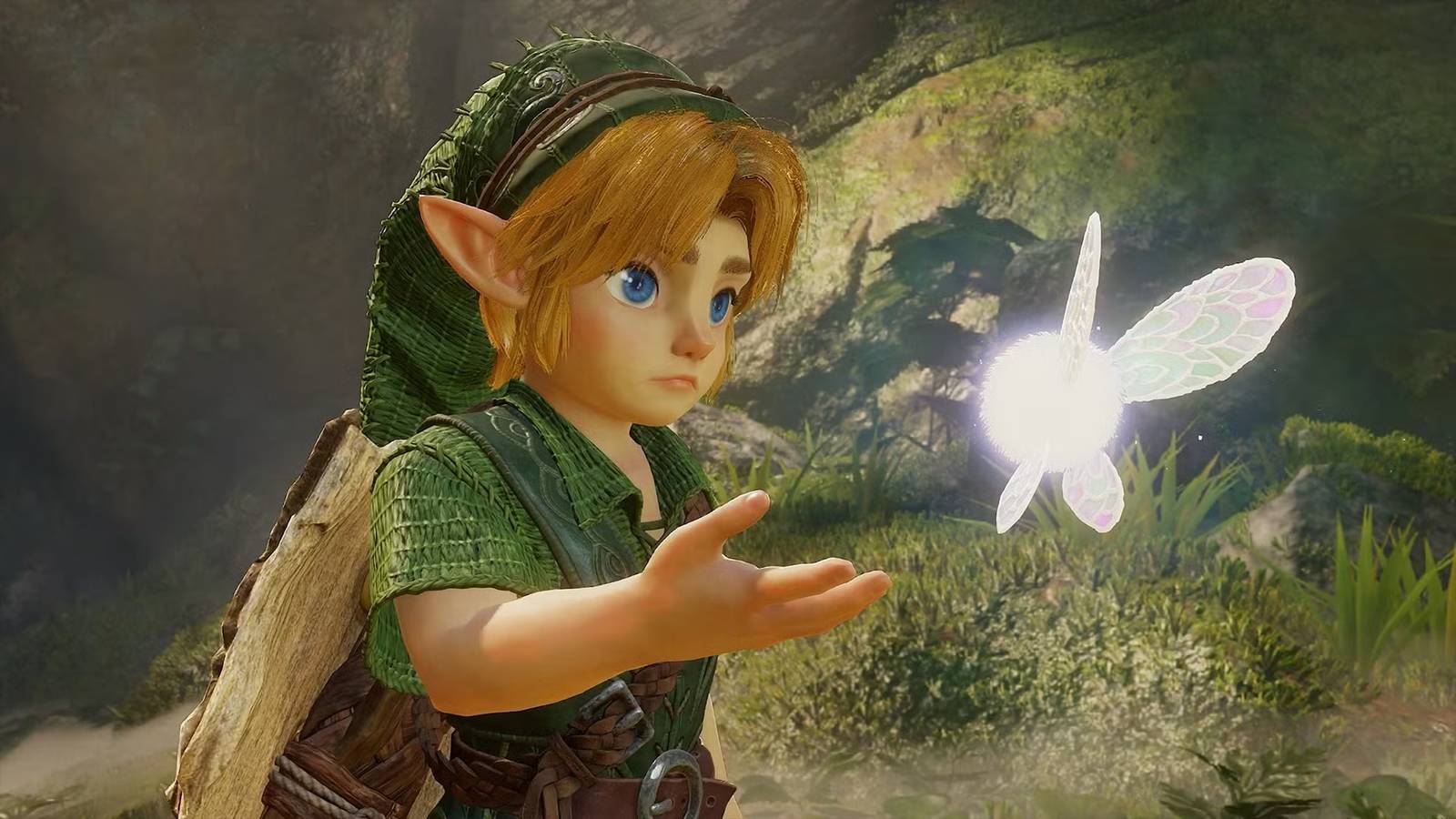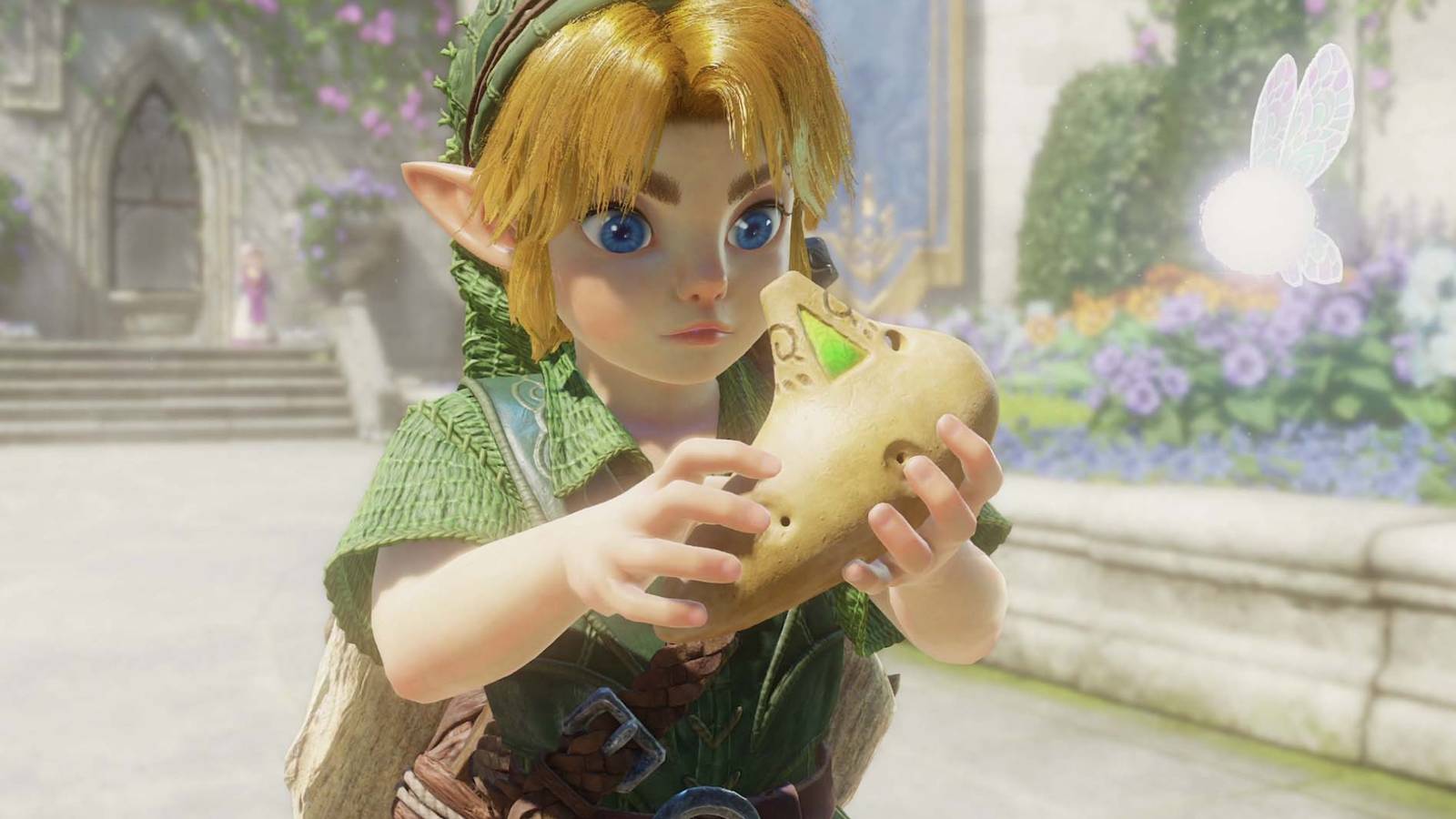

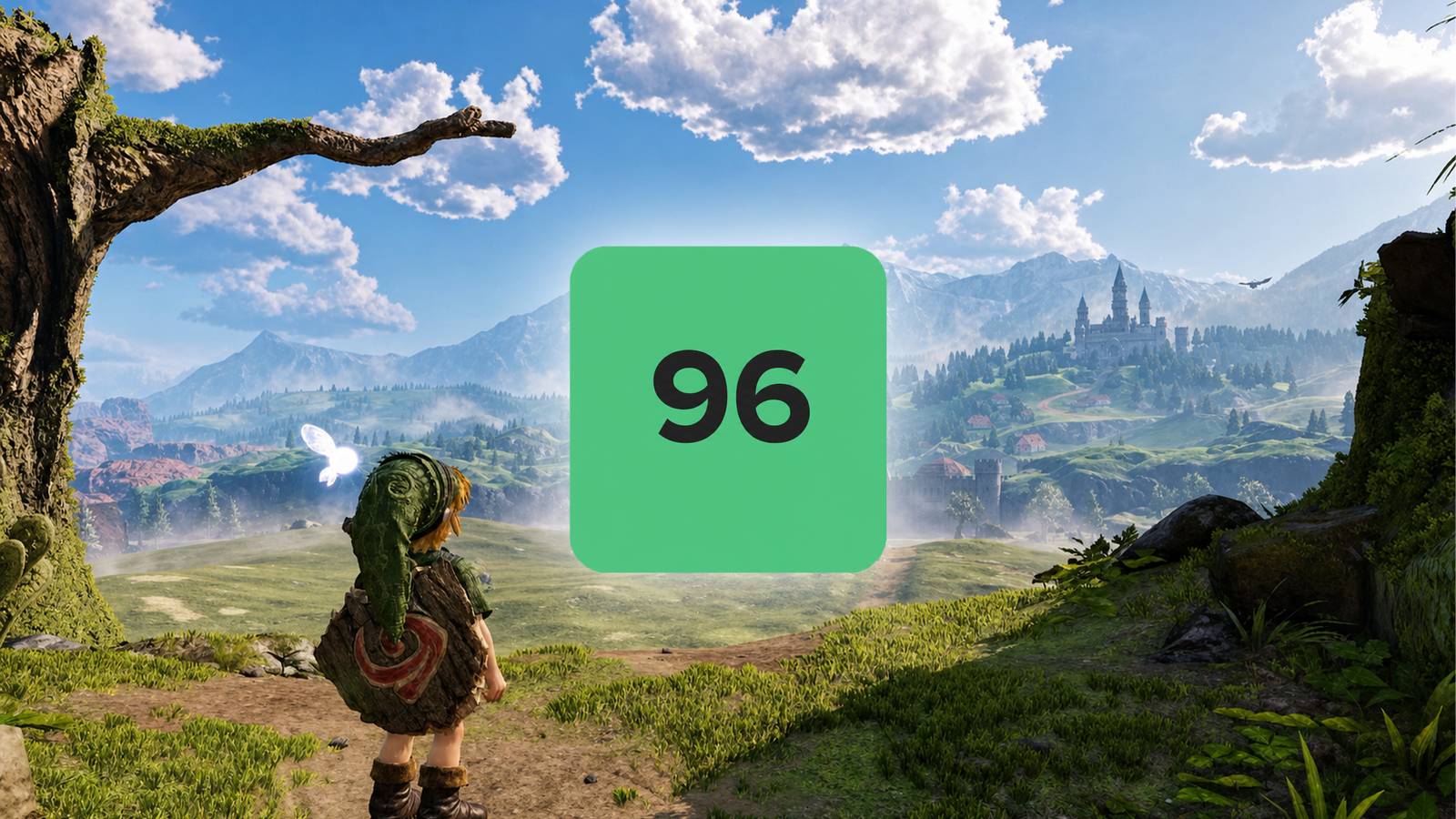


Before Nintendo showed off the Legend of Zelda: Ocarina of Time remake’s gameplay in September, I was leaning toward the idea that it should be a much bigger reimagining of the N64 original. I’ve played Ocarina of Time enough times that I could practically navigate parts of Hyrule without looking at the screen, so the thought of being surprised by a completely different version of one of my favorite games was pretty appealing. But with the Switch 2 remake now sitting at a 96 on Metacritic, I’ve been paying particular attention to what critics have had to say about Nintendo’s approach. And strangely enough, one of the complaints that keeps coming up is also what I suspect helped it earn such an extraordinary score.
In Nintendo Life’s review, Ollie Reynolds describes the remake as “very safe,” pointing out that its familiar structure offers little challenge to returning players and that Master Quest is nowhere to be found. Destructoid’s Scott Duwe also suggests Nintendo might have played things too safe, while Game Informer’s Kyle Hilliard says the game looks new without feeling particularly new. Here’s the part I find interesting, though: those same reviewers awarded it a 9, a 10, and a 9.25, respectively. So perhaps Nintendo’s unwillingness to reinvent Ocarina of Time wasn’t a weakness nearly as much as it was an acknowledgment of just how well the original still works.
Ocarina of Time Didn’t Need to Become a Different Zelda Game
I can understand why someone who knows the N64 game inside and out would want a remake to take more risks, especially after Breath of the Wild and Tears of the Kingdom demonstrated how much the series could evolve. But the more I consider what an extensive reimagining would actually involve, the less convinced I am that it would have improved Ocarina of Time. Its gradual journey from Kokiri Forest into Hyrule, the transformation of familiar places after Link becomes an adult, and the way each dungeon builds around its own mechanics are all part of what makes it such an extraordinary adventure. Expand Hyrule Field into another enormous open world or completely redesign the dungeons, and you’d be changing considerably more than the scenery.

Put the consoles in the correct order.
Nintendo’s developers seem to have understood that from the beginning. In Part 3 of the company’s Ask the Developer interview, program director Hiroki Taguchi explained that the team rebuilt the game from scratch, repeatedly comparing its work with the N64 version to preserve how it felt to play. That didn’t stop them from making meaningful changes, including manual jumping, free camera control, and a sprint that means players no longer have to roll across Hyrule Field just to get somewhere faster. The Iron Boots are also easier to use, which makes revisiting the Water Temple considerably less tedious without requiring Nintendo to replace the dungeon itself.
And that restraint extends to Hyrule’s actual geography, which I find especially important considering how much the newer Zelda games emphasize uninterrupted exploration. In Part 2 of the interview, director HokWai Ng explained why the team kept separate maps instead of turning Hyrule into one seamless environment. Traveling out of Kokiri Forest and seeing Hyrule Field open up is supposed to feel like an event, just as discovering a new region should still give players that little moment of anticipation. I don’t see how making every area larger and more connected would automatically improve any of that, particularly when Ocarina of Time was never built around the freedom of its modern successors.
The more I consider what an extensive reimagining would actually involve, the less convinced I am that it would have improved Ocarina of Time.
Of course, I wouldn’t dismiss the criticism entirely, because there are legitimate reasons to wish Nintendo had pushed a little further. The missing Master Quest is disappointing for veterans hoping to put their knowledge of the original to the test, and Destructoid’s review specifically notes that the updated combat can feel too easy. But VGC gave the remake five stars after acknowledging the temptation to imagine a larger Hyrule or expanded dungeons, ultimately praising Nintendo for resisting it. I think that illustrates why the “too safe” complaint is so unusual here: even critics who wanted more surprises found that the adventure Nintendo chose to preserve was still exceptional.
Playing It Safe Was a Bigger Risk Than It Sounds
I still understand the appeal of an Ocarina of Time remake that changes practically everything, and I’d be lying if I said I wasn’t curious about what that version of the game might have looked like. After all, part of the fun of revisiting Hyrule has been discovering that not every familiar secret is where I remember it, including some of the old Rupee tricks Nintendo removed. But I also wouldn’t want that curiosity to come at the expense of the adventure I’ve been returning to since 1998. It’s possible to make Hyrule feel different enough to explore again while keeping the things that made players want to return there in the first place.
A 96 on Metacritic doesn’t prove that fidelity caused the score, of course, and I don’t imagine every player will agree with Nintendo’s decisions. Still, when Game Informer’s reviewer admits he was rarely surprised but was moved to tears by the ending, I think that says quite a bit about how well Ocarina of Time has held up. Nintendo could have used this remake to reinterpret one of the greatest games ever made, but instead it gave that game room to prove itself again, with enough modern improvements to let players appreciate what was already there. And considering I originally wanted Nintendo to give me something considerably different, I’m beginning to think I may have underestimated just how much the original Ocarina of Time still has to offer.


- Released
-
November 5, 2026
- ESRB
-
Everyone 10+ / Animated Blood, Fantasy Violence
- Developer(s)
-
Nintendo
- Publisher(s)
-
Nintendo