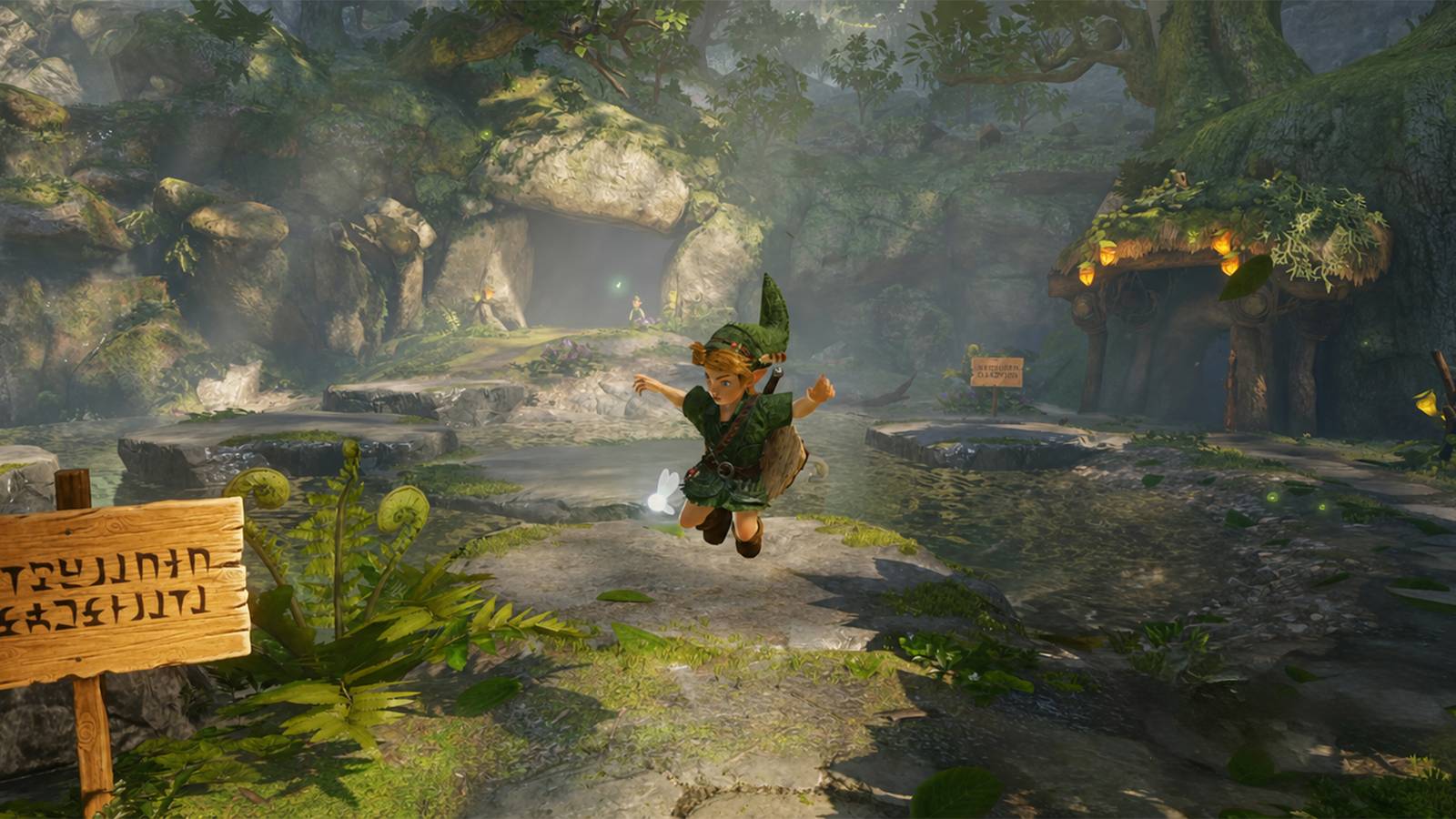




It’s actually pretty funny looking back on The Legend of Zelda: Ocarina of Time now, considering the original N64 game allowed you to take one of Nintendo’s most recognizable characters and call him whatever you wanted. I mean, Link could literally spend the entire game being called something completely ridiculous, and everyone around him would just go along with it, so long as the name fit within the character limit. And with three separate save files, multiple people sharing the same cartridge could each have their own version of Link, complete with a different name that would even appear in the game’s dialogue. However, the Ocarina of Time remake on Switch 2 has officially put an end to that tradition, replacing the original’s three save slots with one manual save per user profile and removing Link’s name customization altogether. Personally, I actually like this change, especially now that the remake has fully voiced cutscenes where characters can finally address Link by his actual name.
I think what’s interesting about this particular change, though, is that it removes something that was once intended to make Ocarina of Time more personal, but in doing so, it actually makes the game more immersive—at least in my opinion. After all, even though the original allowed players to give Link whatever name they wanted, he was never actually a character of their own making. His appearance, his relationships with other characters, and even his destiny were already established long before players ever got their hands on the game. The only real difference was what those characters called him, and while I certainly appreciated the customization back then, I don’t think it’s something Ocarina of Time necessarily needs anymore. In fact, I would argue that the remake is better off without it, particularly because of how much more effort Nintendo has put into bringing its characters to life.
Ocarina of Time’s Original Save Files Let Everyone Have Their Own Link
As I’ve already mentioned, the original Ocarina of Time allowed players to select from three different save files, each of which could be assigned a name of up to eight characters. It was a pretty straightforward system, but it was also incredibly convenient for households where more than one person wanted to play the game. Of course, each file also carried its own name, so it wasn’t just a matter of having three different games going on the same cartridge. It was entirely possible for three people to play the same game, on the same cartridge, and have the characters in Hyrule address each of them by a different name.


Guess the games from the emojis.
The Switch 2 remake, on the other hand, has done away with that system, offering one manual save file alongside several autosaves. However, I don’t really consider that much of an issue, especially since the Switch 2 allows multiple users to have their own save data anyway. In fact, it’s actually possible for more people to have their own Ocarina of Time save than it was on the N64, as up to eight users can be registered on the same Switch 2 console. The difference, though, is that none of those players can give Link their own name. Regardless of which user profile is selected and what the name on that user profile may be, Link will always be Link, and while that’s technically one less customization option than the original had, I think it ultimately works in the remake’s favor.
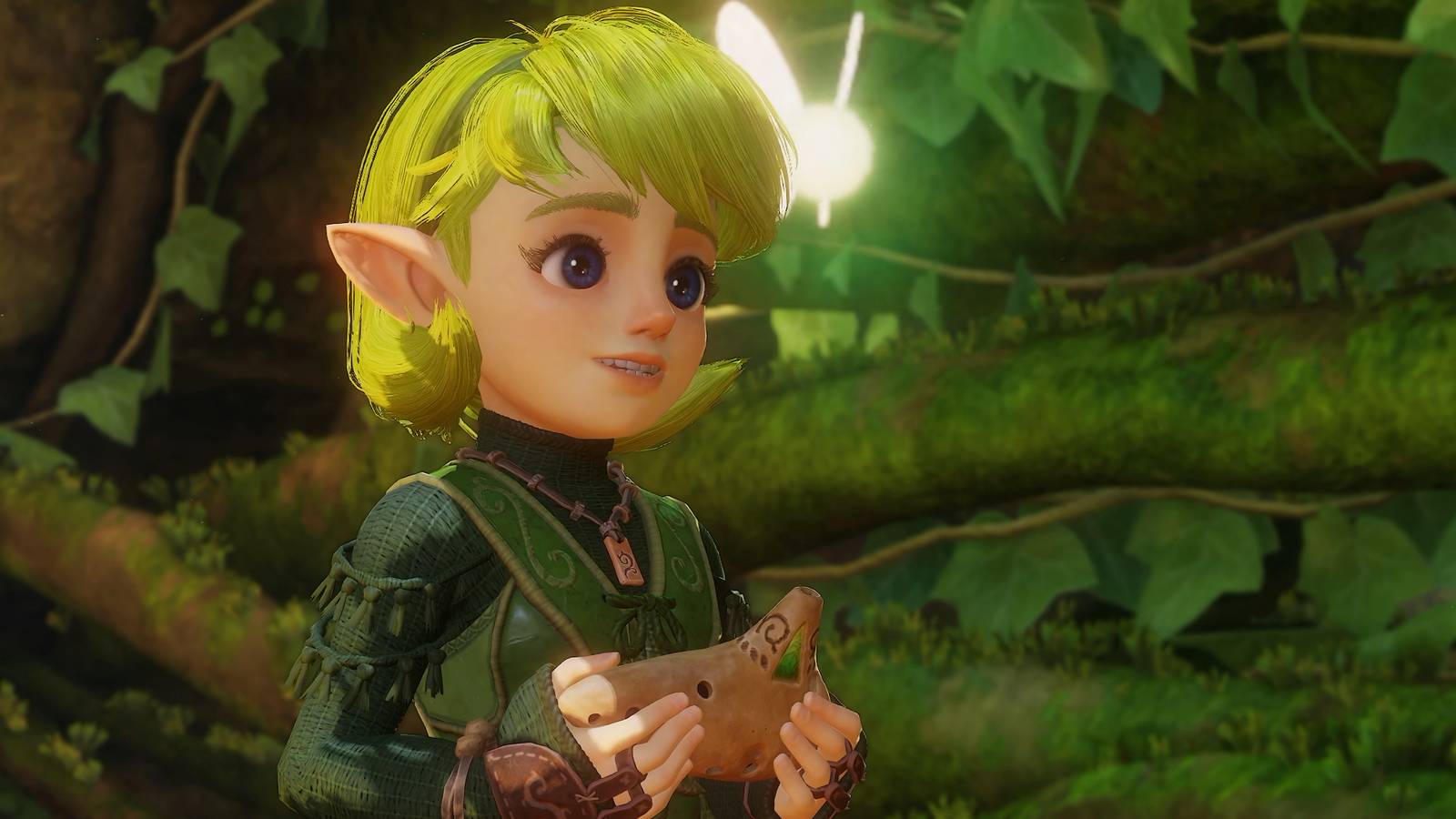
See, the original Ocarina of Time didn’t just let players name their save files. It actually carried that name into the game itself, meaning characters who had supposedly known Link for years would suddenly address him by whatever someone decided to type in before starting a new save. Saria is probably the best example of this, as she’s the first person Link encounters after leaving his house at the beginning of the game, and she greets him using the name assigned to that particular save file. In the remake, however, Saria’s original greeting has been rewritten, and she now says “Hello, Link!” rather than using a customizable name. That might not sound like a particularly significant change, but I think it makes a lot of sense, especially considering Saria is supposed to be Link’s childhood friend, not someone who’s just meeting him for the first time.
Even though the original allowed players to give Link whatever name they wanted, he was never actually a character of their own making.
There’s also the matter of voice acting, which I think is probably the biggest reason the name change works so well. Ocarina of Time‘s characters can actually speak during cutscenes now, and while Link himself remains silent, hearing characters like Saria and Zelda talk to him makes their relationships feel a little more believable. Nintendo hasn’t explicitly said whether voice acting is why it removed the naming option, but director HokWai Ng explained in a recent Ask the Developer interview that the team went to great lengths to preserve how players remembered these characters sounding. Personally, I think having them address Link by his actual name fits that approach exceptionally well.
Ocarina of Time’s Remake Is More Immersive When Link Gets to Be Himself
Something else I think is worth mentioning is that Link has always had an identity of his own in Ocarina of Time, even if the original game allowed players to rename him. He’s a child who grew up in Kokiri Forest without a fairy, despite every other Kokiri having one, and Saria was already his friend long before the player ever took control of him. The Great Deku Tree also specifically chooses him for a task that eventually leads to him becoming the Hero of Time, and none of that changes just because someone decides to give him a different name. I understand that seeing your own name in a game’s dialogue can make the experience feel more personal, but even then, I named my character Link because I didn’t want all of Hyrule referring to him as “Josh” to jerk me out of the experience. What makes Ocarina of Time so special to me isn’t necessarily the idea that I am Link, but rather that I get to experience his story and see how his relationships develop over the course of it. And hearing those characters speak his name makes that story feel more authentic to me than seeing a name I chose in a text box ever did.
Perhaps the best thing about the remake’s decision to keep Link’s name permanent is that nothing particularly meaningful has been lost in the process. Families can still have their own adventures on the same Switch 2, and players still get to experience everything that made the original Ocarina of Time so memorable, only now with characters who can actually speak to one another. I’ve spent nearly three decades playing this game, and the more I think about it, the more I appreciate how much the remake is doing to make its characters feel like actual people with established relationships. I don’t need to see my own name in the dialogue to feel connected to Link’s story, and if anything, hearing Saria call him by the name she’s presumably known him by his entire life makes the whole thing feel just a little more believable. It might be the end of a rather charming N64 tradition, but I think Ocarina of Time is better for it.

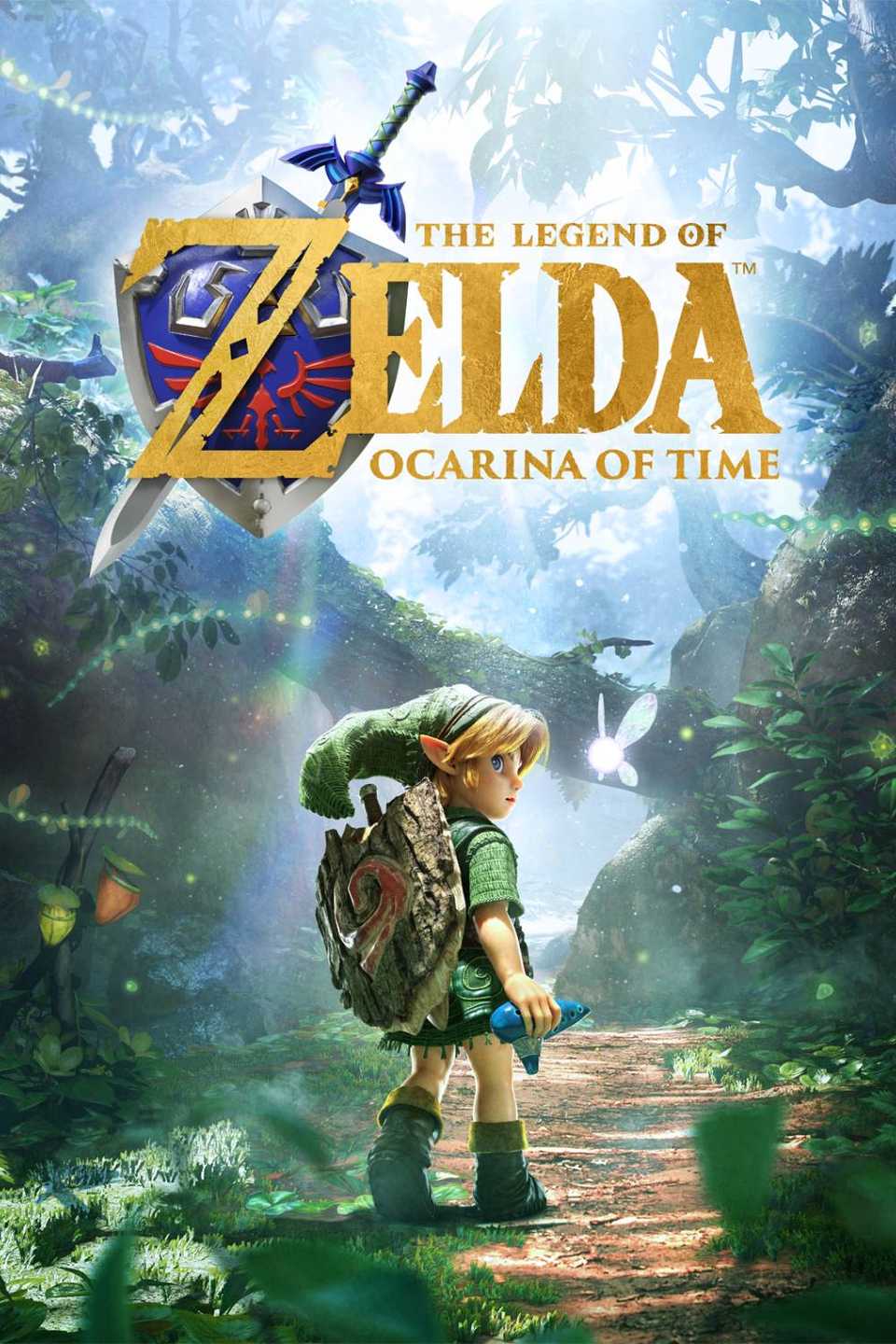


- Released
-
November 5, 2026
- ESRB
-
Everyone 10+ / Animated Blood, Fantasy Violence
- Developer(s)
-
Nintendo
- Publisher(s)
-
Nintendo