

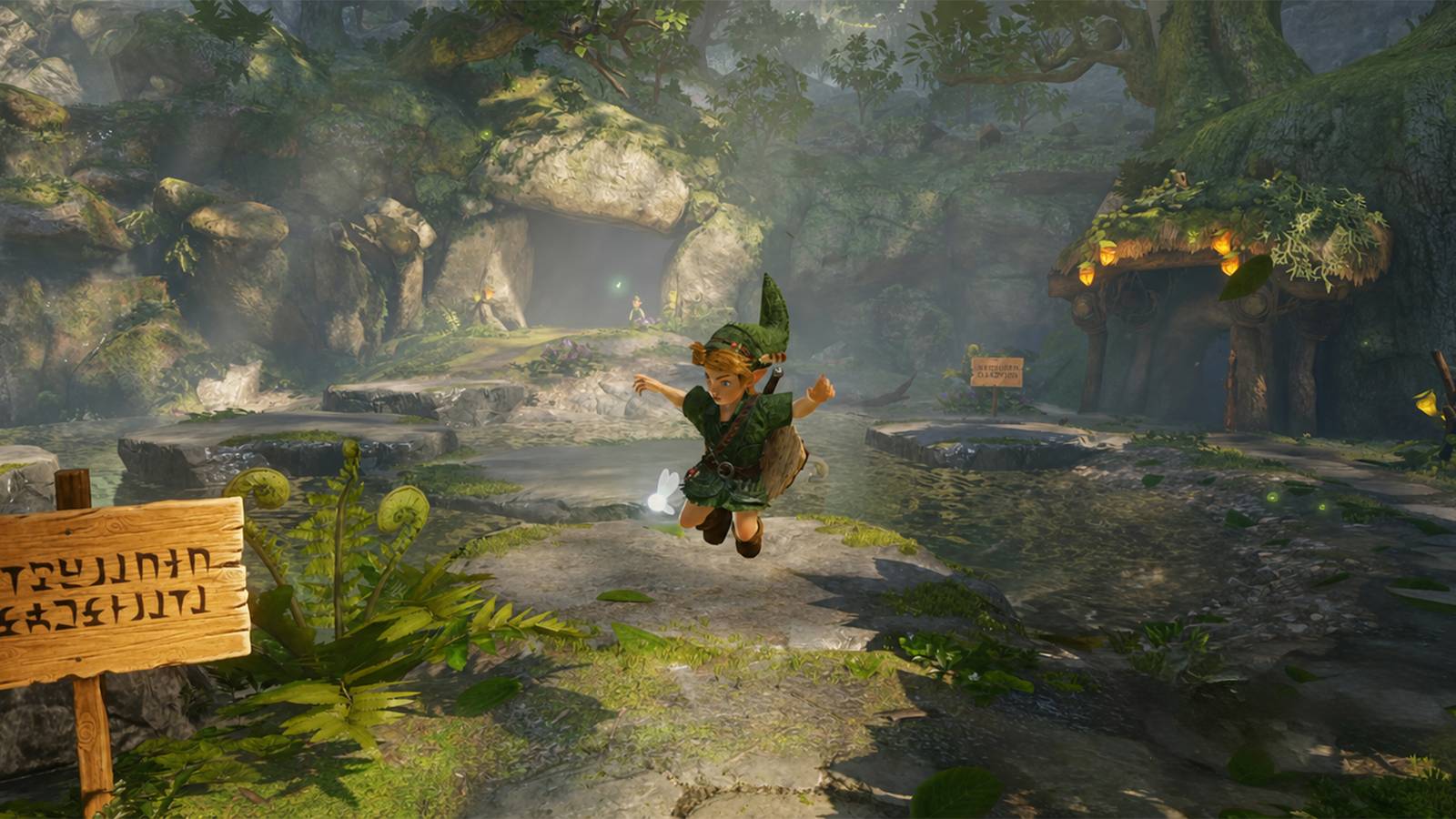
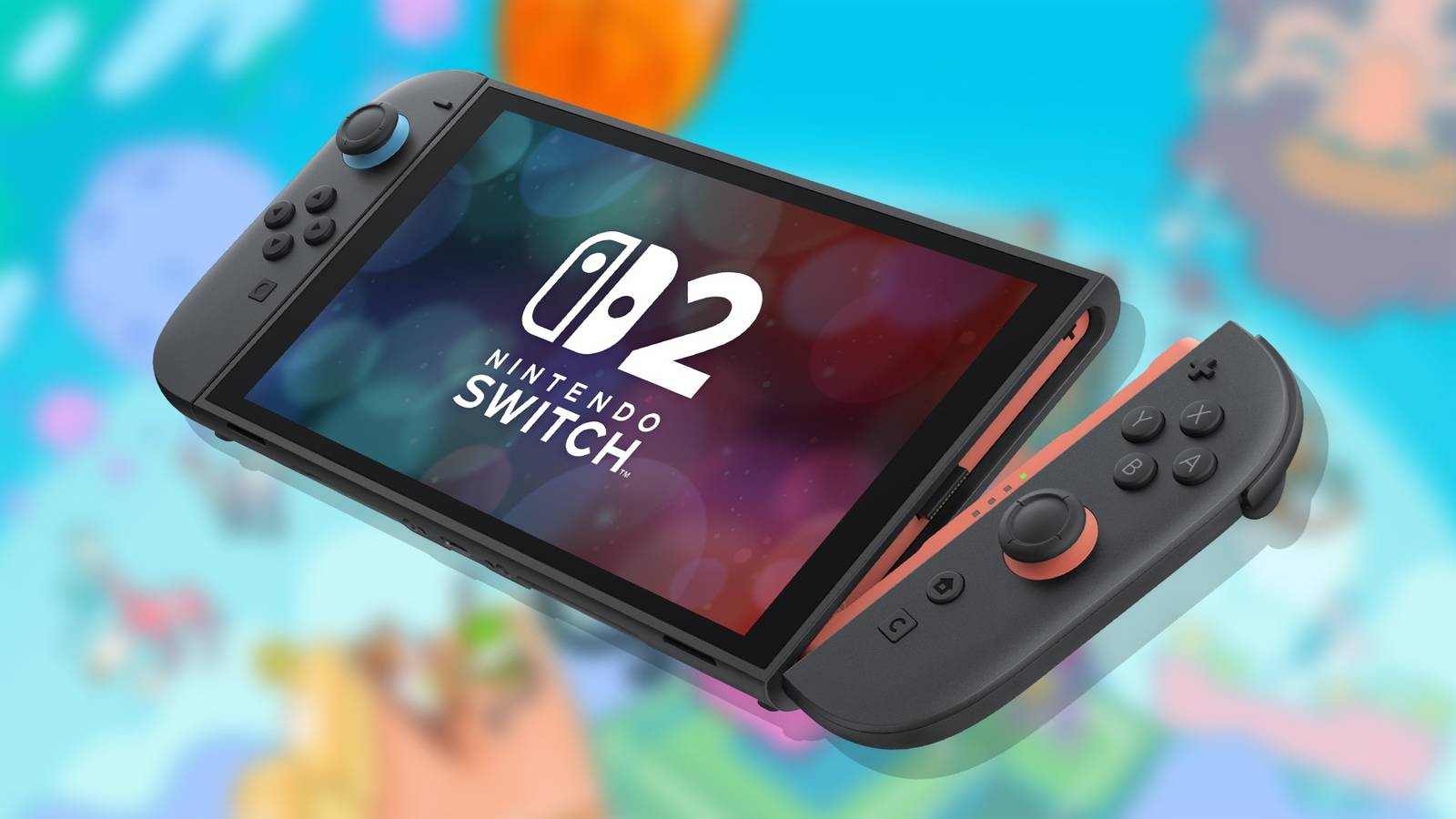



I’ve been playing The Legend of Zelda: Ocarina of Time since 1998, and one of the things I’ve always found impressive about the original game is just how thoroughly its speedrunning community has managed to break it over the years. After nearly three decades, players have discovered ways to skip entire dungeons and complete the game in a matter of minutes, often through glitches that I couldn’t begin to imagine figuring out on my own. So, when Nintendo announced that the Ocarina of Time remake would introduce a manual jump button, I was naturally curious about how that might affect the game’s more established speedrunning strategies. As it turns out, the new movement controls have already given players opportunities to break the remake in ways that simply weren’t possible with the original N64 game’s movement system.
It hasn’t even been a week since Ocarina of Time launched on Nintendo Switch 2 on November 5, but speedrunners have already discovered some pretty ridiculous exploits involving the game’s new jump mechanics. In fact, players have managed to send Link flying into the air, reach areas much earlier than intended, and even complete the Shadow Temple as Child Link, which is something I never expected to see in this version of the game. And while these discoveries haven’t necessarily resulted in faster completion times just yet, they’re already demonstrating how significantly Nintendo’s seemingly minor adjustments to movement have changed the way Ocarina of Time can be played. Considering how familiar I am with the original game, I find it particularly interesting that something as simple as jumping has managed to introduce so many new possibilities.
Ocarina of Time’s New Jump Button Has Already Broken Some of Its Old Rules
One of the biggest changes Nintendo made to Ocarina of Time was replacing the original game’s automatic jumping with a dedicated button that allows players to jump practically anywhere. In a recent Ask the Developer interview, producer Eiji Aonuma actually acknowledged how complicated that decision was, explaining that the original game’s restricted jumping system made it easier for developers to control where players could go. He even admitted that allowing Link to jump freely meant the team had to anticipate considerably more player behavior, since certain areas were never designed with that level of movement freedom in mind. Considering what speedrunners have already accomplished, I imagine the developers are discovering that even their extensive preparations couldn’t account for everything players would eventually try.


Put the consoles in the correct order.
Perhaps the most impressive discovery so far is a technique called actor jumping, which allows Link to launch himself much higher than his normal jump would permit. According to IGN’s coverage of the early speedrunning discoveries, players can perform the trick by standing on certain objects, such as treasure chests or movable tombstones, using an aimable item like the Hookshot, and carefully timing their lock-on and jump inputs. If performed correctly, Link can suddenly gain an enormous amount of height, potentially allowing players to bypass obstacles that would normally require an entirely different route. And because the original Ocarina of Time didn’t allow players to jump freely in the first place, these particular combinations of movement and item interactions weren’t even available to experiment with back in 1998.
But actor jumping is hardly the only new exploit players have discovered, as speedrunners have also found ways to manipulate the remake’s jumping animations by switching items while Link is airborne. One technique involves beginning a jump attack with a Deku Stick and changing to another item before the animation finishes, allowing players to reach ledges that would otherwise be too high. Repeating certain item switches can even allow Link to remain airborne much longer than intended, with similar tricks reportedly working with the Megaton Hammer as Adult Link. And in a November 7 video showcasing several early discoveries, Zelda speedrunner Linkus7 demonstrated other exploits involving Magic Bean platforms, infinite Hover Boots movement, and a shortcut through the Deku Tree, giving players a pretty good idea of how much the community has already uncovered.
Perhaps the most impressive discovery so far is a technique called actor jumping, which allows Link to launch himself much higher than his normal jump would permit.
However, I think the most interesting discovery involves the Shadow Temple, which speedrunner ZFG has reportedly managed to complete while playing as Child Link. Normally, the Shadow Temple is intended to be completed much later in the adventure, after Link has become an adult and acquired the necessary equipment, but the remake’s movement exploits have apparently made it possible to bypass some of those restrictions. According to GamesRadar’s coverage of ZFG’s discoveries, completing the dungeon this way actually forces Link to become an adult, although the resulting cutscenes can produce some pretty horrifying character-model glitches when the game attempts to display the wrong version of him. Unfortunately, there’s still a progression obstacle preventing the sequence break from becoming a practical speedrunning strategy, but considering how recently the remake launched, I wouldn’t be surprised if the community eventually figures out a way around it.
The Ocarina of Time Remake Is Giving Speedrunners an Entirely Different Challenge
What’s especially interesting about these discoveries is that the remake’s movement changes have also affected something considerably less complicated. Rather than using these exploits to skip entire dungeons alone, speedrunners are using them to simply get from one place to another as quickly as possible. Nintendo introduced a new dash command that allows Link to sprint by holding down the roll button, which initially seemed like it might replace the habit we all had of repeatedly rolling in the original N64 game. However, players have already discovered that interrupting a roll with an attack can potentially produce faster movement, while another technique involves combining a forward target-hop with a roll to gain a little extra speed. Neither method has been conclusively established as the fastest way to travel in every situation, but I think it’s pretty funny that Nintendo finally gave Link a proper sprinting mechanic, only for speedrunners to immediately begin experimenting with ways to make it obsolete.
Of course, the original Ocarina of Time has been one of the most extensively studied games in speedrunning history for years, so I don’t think anyone should expect the remake’s earliest discoveries to come anywhere close to matching everything players have accomplished with the N64 version. In fact, some of the original game’s exploits aren’t necessarily going to work anymore, especially those that depended on its automatic jumping or other mechanics Nintendo has completely rebuilt. But I also think there’s something appealing about seeing a community that knows Ocarina of Time almost better than anyone suddenly having to figure out how the game works all over again. I’ve spent much of my time with the remake appreciating how carefully Nintendo preserved a game I’ve loved for nearly three decades, but speedrunners are already finding ways to make that same familiar experience behave like something entirely different. And considering what they’ve accomplished in less than a week, I have a feeling we’ve barely begun to see what the remake’s new movement mechanics are capable of.

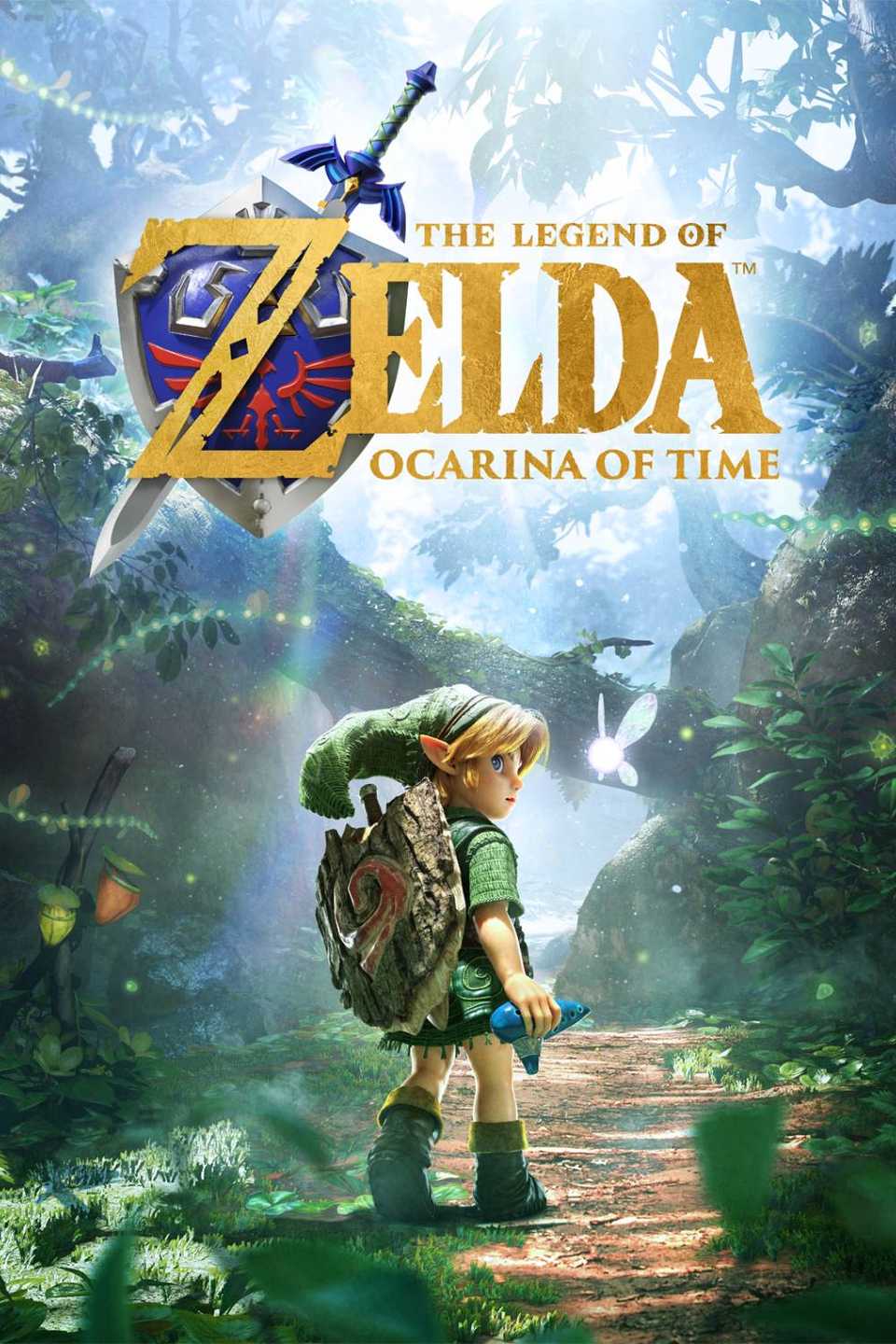


- Released
-
November 5, 2026
- ESRB
-
Everyone 10+ / Animated Blood, Fantasy Violence
- Developer(s)
-
Nintendo
- Publisher(s)
-
Nintendo