

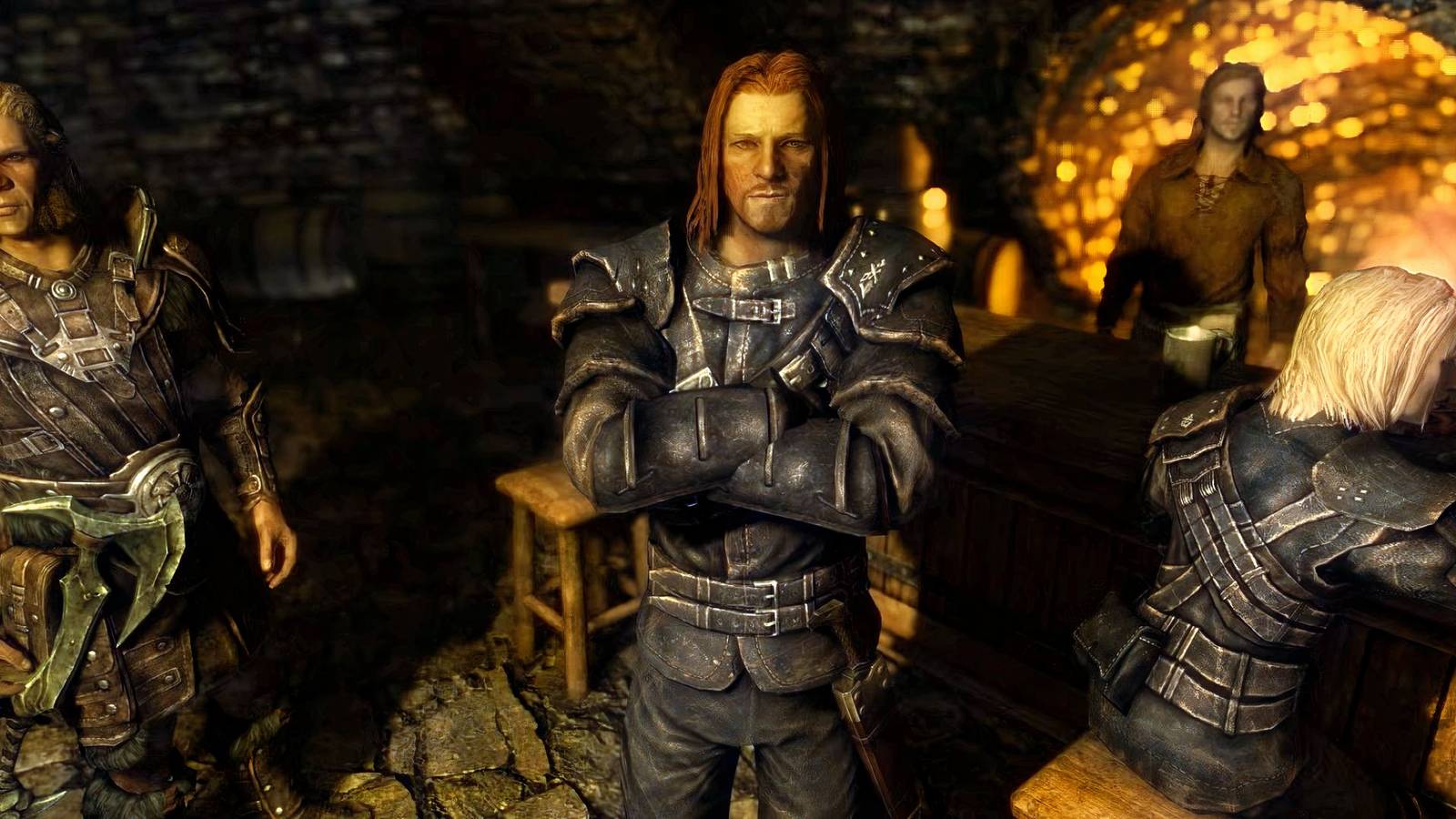




I’ve always loved how Skyrim lets me do just about anything I want, even if some of those things don’t necessarily make sense together. I can fight for the Stormcloaks, become Arch Mage of the College of Winterhold, and join the Companions, all without anyone really questioning why I’m involved with so many different groups. It’s part of what makes Skyrim such an enjoyable RPG, but I’ve started to wonder whether that much freedom is actually a good thing. After all, if I can join every faction in the game without any real consequences, does choosing one over another actually mean anything? That’s something I hope Bethesda takes into consideration with The Elder Scrolls 6: Sentinel, especially considering the direction RPGs have taken since Skyrim first launched.
Former Skyrim lead designer Bruce Nesmith recently weighed in on that very idea, and his comments about Baldur’s Gate 3 have only made me more convinced that Sentinel should do things a little differently. As much as I appreciate being able to experience nearly everything Skyrim has to offer in a single playthrough, I also think there’s something to be said for making decisions that prevent me from seeing certain parts of a game. Nesmith apparently feels the same way, even if he still stands by Bethesda’s approach to player freedom. And with Sentinel taking players to Hammerfell, a province with plenty of political divisions of its own, there’s a pretty good opportunity for Bethesda to make those decisions count.
In a recent interview with The Examined Game on YouTube (via PC Gamer), Nesmith reflected on the differences between Bethesda’s approach to player freedom and Larian Studio’s decision-driven design in Baldur’s Gate 3. He explained that Bethesda has traditionally allowed players to experience every major faction storyline, regardless of their character’s other allegiances. In my current playthrough, I’m a Stormcloak, Companion, Vampire, Arch Mage and Thane of Whiterun, which is as contradictory as it sounds. Nesmith still supports that philosophy, but admitted that he found something so rewarding about Larian’s alternative: “I was pleasantly surprised to see how positive it felt to me to make consequential decisions that closed off gameplay in Baldur’s Gate.”


Guess the games from the emojis.
He went on to explain that it’s because of these restrictions that have made his decisions feel that much more meaningful: experiencing alternative outcomes requires creating another character and pursuing a different path. Rather than viewing this as a drawback, though, Nesmith appreciated the opportunity to experience both approaches to RPG design. As he put it, “They were both fun, they’re just fun in different ways.” It’s definitely an important distinction for Bethesda to consider. There’s no reason Sentinel should abandon the open-ended approach that has made The Elder Scrolls so appealing, but that doesn’t mean every decision needs to accommodate every possible outcome—sometimes, I think that it dilutes the authenticity of the experience. Actually, being unable to experience everything in one playthrough is precisely what makes an RPG worth returning to.
Bethesda’s classic philosophy of letting players experience everything has its merits, Sentinel could benefit from introducing more mutually exclusive faction storylines.
Although I may appreciate being able to experience so many different quest lines in Skyrim, I sometimes feel like joining a faction means very little beyond gaining access to another set of missions. There’s also next to no pressure to consider whether values and allegiance align with my character’s beliefs. Even the Civil War allows me to pursue several other major fealties without making many sacrifices elsewhere. It makes Skyrim incredibly accommodating, of course, but Bethesda could actually technically look back at their previous RPGs when developing The Elder Scrolls 6: Sentinel.


The Elder Scrolls 3: Morrowind features conflicts between the Fighters Guild and Thieves Guild, with certain quest developments making it impossible to fully progress through both storylines. I think bringing more of that philosophy into Sentinel could make its factions feel like genuine political and cultural institutions. If I pledge myself to one group, I want its rivals to recognize that decision, potentially changing how they treat me—that, in itself, is a more fun way to play any game.
Sentinel Should Make Choosing a Side More Meaningful
-

-

ice wraith skyrim -
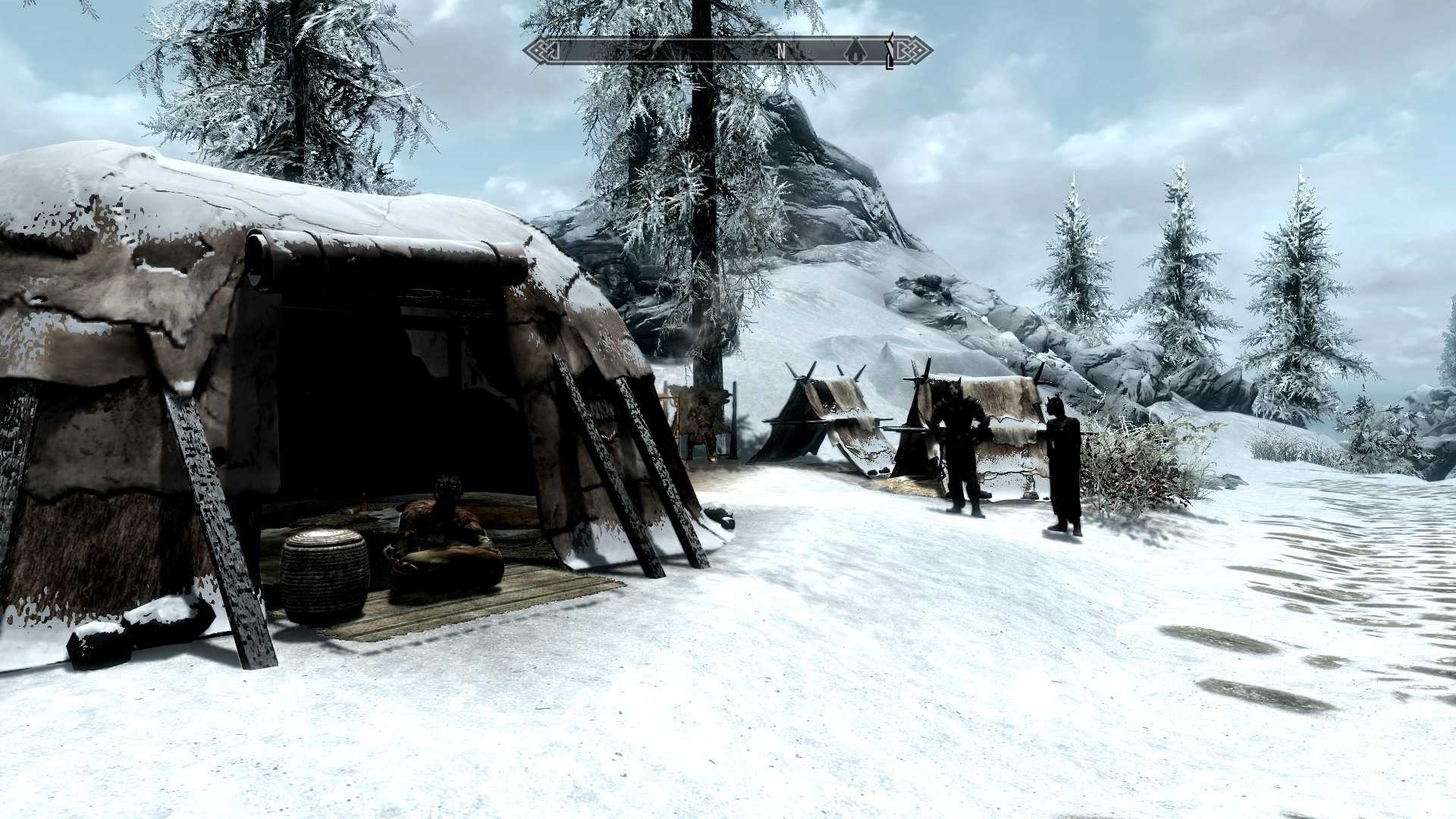
The Khajiit trader Ahkari in Skyrim.


Hammerfell would be a fascinating setting for this approach, given its established political divisions and distinct Redguard cultures. I want to see Sentinel introduce competing factions with different visions for the province, and force players to consider which interests they want to support. Perhaps siding with one political power means losing the trust of another, and these decisions could also affect smaller quests, settlements, and how certain regions respond to the Dragonborn.
Skyrim‘s exploration, character progression, and ability to approach quests in different ways should absolutely be carried over to Sentinel, but 15 years later, there is a need for a more reactive world in which certain decisions genuinely close doors while opening others. If Bethesda can combine its trademark sandbox design with the kind of consequential storytelling Nesmith praised in Baldur’s Gate 3, Sentinel could deliver an RPG where freedom isn’t just about how much content I can experience, but also about how much my choices matter.





- Developer(s)
-
Bethesda Game Studios
- Publisher(s)
-
Bethesda Softworks