



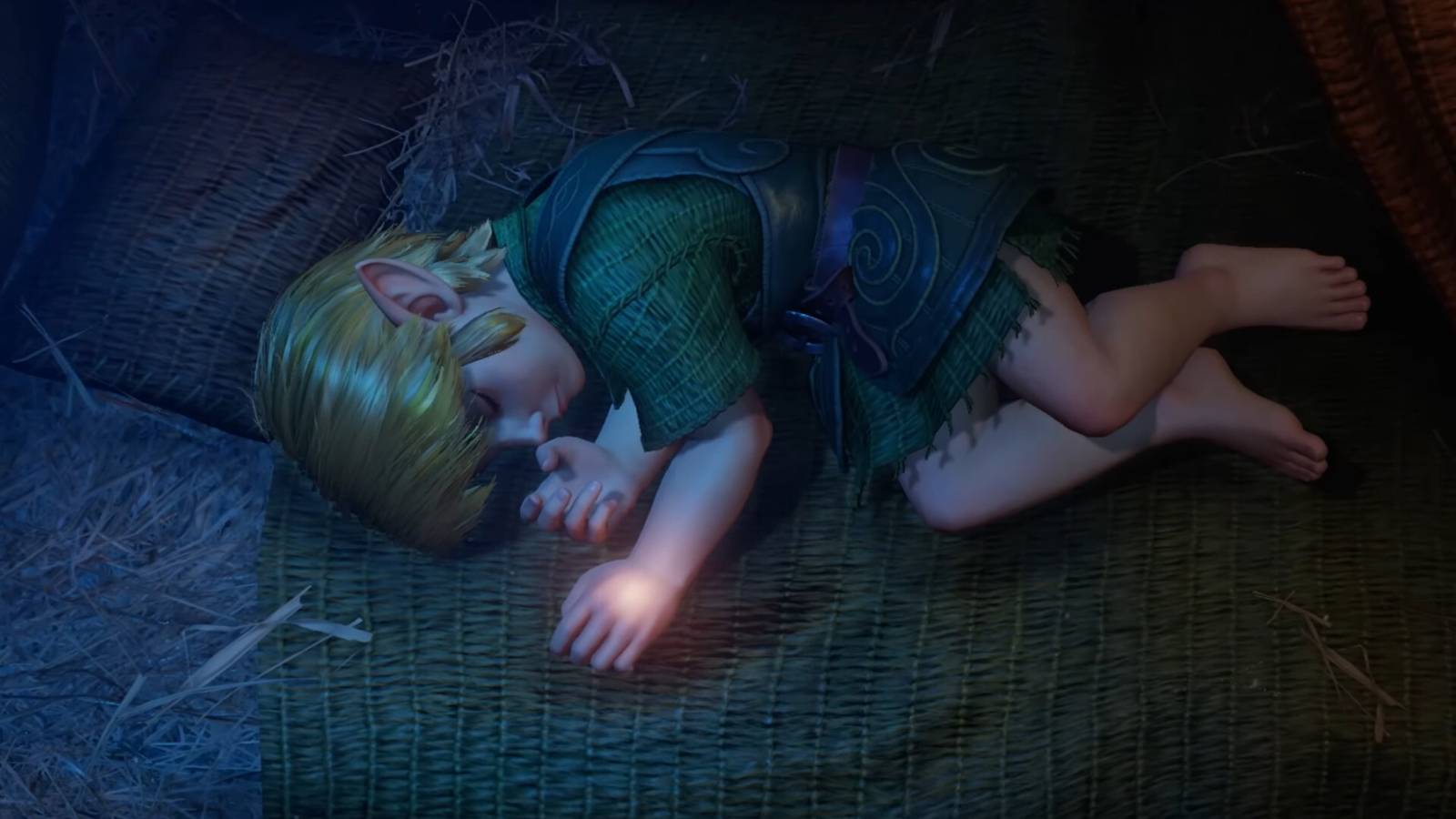
As was long-rumored, Nintendo is remaking The Legend of Zelda: Ocarina of Time, an entry that’s widely considered the best in the series, even after ambitious open-world forays Breath of the Wild and Tears of the Kingdom. Indeed, The Legend of Zelda: Ocarina of Time is a masterwork that holds up remarkably well, so it will be interesting to see what sorts of creative liberties Nintendo takes with respect to its recreation.
The last decade has shown us just how diverse the video game remake space can be. On the one hand, you have something like the recent Final Fantasy Tactics: The Ivalice Chronicles, which injects the 1997 TRPG with sharper visuals and much-needed quality-of-life features, but is ultimately the same experience. Alternatively, you have something like the Resident Evil or Final Fantasy 7 remakes, which are more like reimaginings of their source material, offering a completely distinct mechanical and narrative sandbox. When it comes to the Ocarina of Time remake, this question of approach hangs like a sword of Damocles, and while it’s impossible to say just how far on the remake spectrum it will land, it’s not hard to see how going full open-world would be the right move.
The Original Ocarina of Time Isn’t Open-World by Contemporary Standards
-
-
-


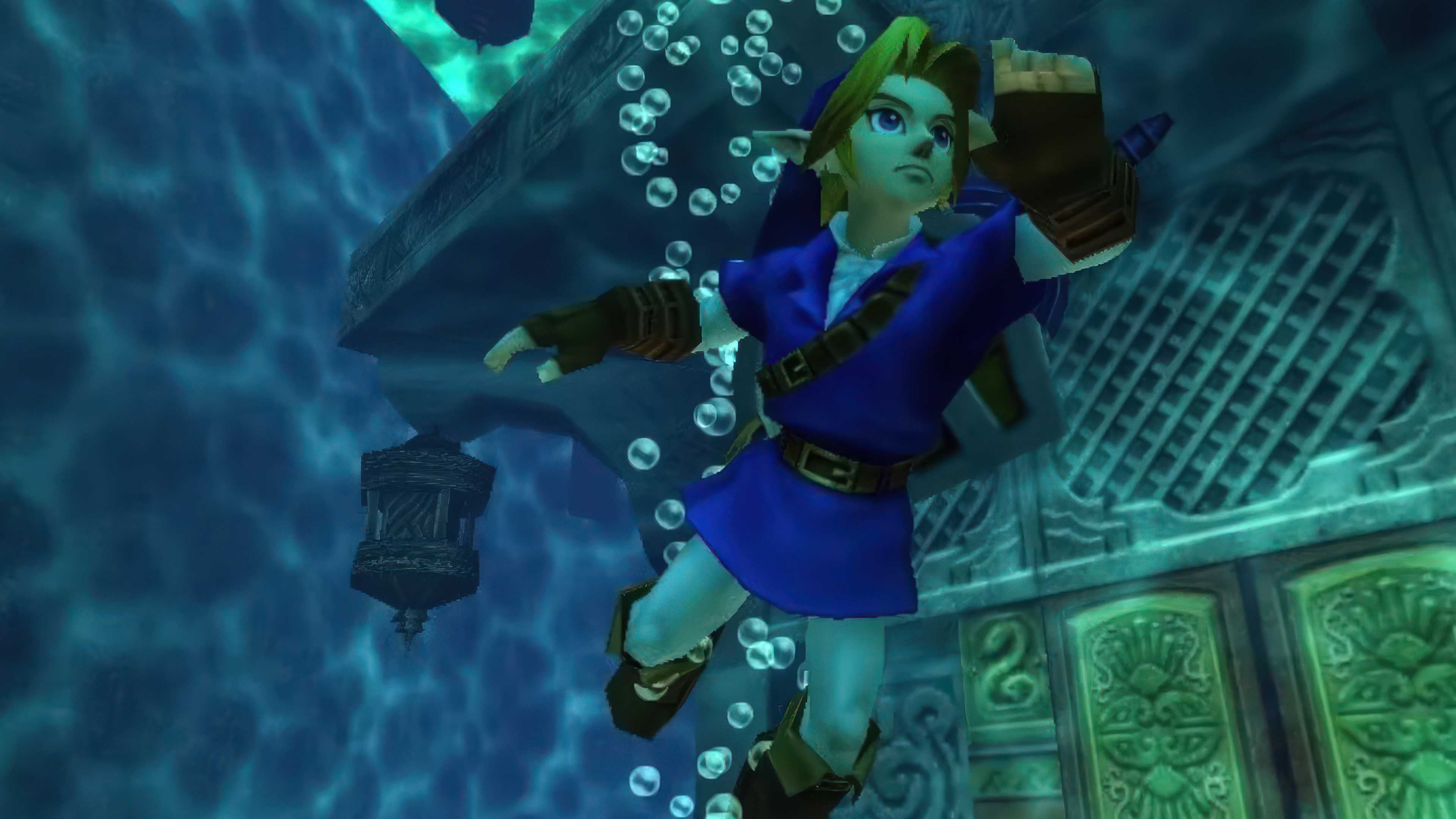
The open-world genre wouldn’t be what it is without The Legend of Zelda. Even the first game in the series, which launched back in 1986, introduced key genre staples of exploration, freedom of movement, environmental secrets, and so on. With Ocarina of Time, Nintendo translated many of these elements into three dimensions: Ocarina of Time allows players to move through relatively expansive environments like villages, towns, and the iconic Hyrule Field, at will. The game even has some opportunities for non-linear progression, something that a lot of modern games struggle to implement in a meaningful way.
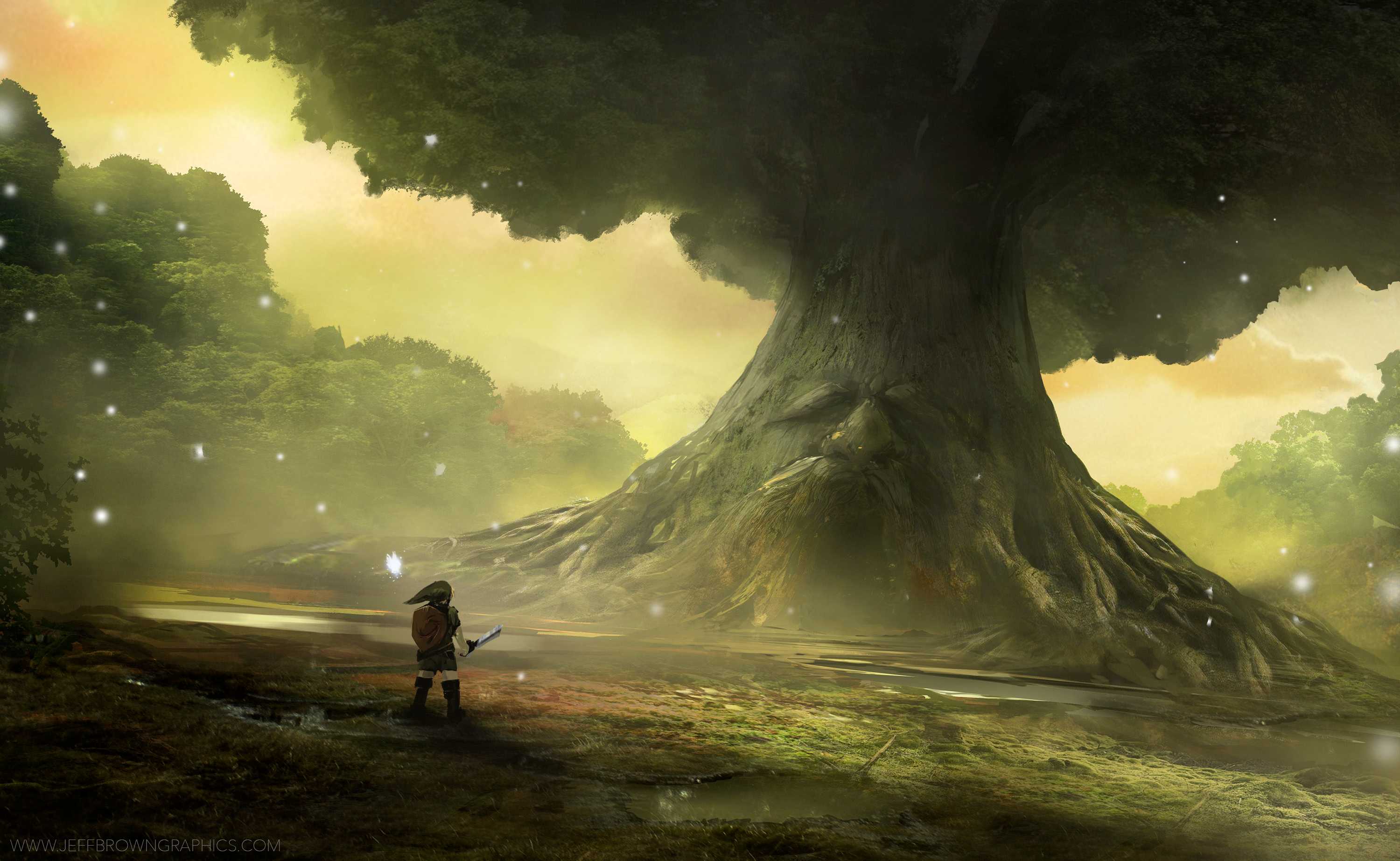
A great strength of Ocarina of Time‘s world is its powerful sense of place, propped up by diverse, intentional level design. Castle Town is a stark change from Kokiri Forest, Death Mountain is a stunning inversion of Zora’s Domain—you could never mistake one for another. In a sense, this strength relies on a relative lack of cohesion, as each zone is distinct both visually and technically, separated by interspersed loading screens and title cards. This sort of compartmentalization is uncommon in traditional open-world games, which are typically designed to be as seamless as possible.
The open-world genre wouldn’t be what it is without The Legend of Zelda.
To be clear, this compartmentalized, stylized, intentionally inconsistent world design is neither better nor worse than what we might call “true” open-world design. It’s a sign of Ocarina of Time‘s age, certainly—there weren’t really any seamless open-world adventure games a la Far Cry or Elden Ring in the 90s—but the approach can still work well in contemporary titles. The Ocarina of Time remake shouldn’t abandon this approach because it’s outdated or objectively bad. It should abandon it because it would be fun.
Ocarina of Time’s World Is Its Most Essential Element, and It Might as Well Get a Transformative Makeover
Any discussion of why the Ocarina of Time remake should or should not change its traditional adventure game formula is predicated on the question of just how much of a “remake” it will truly be. Again, this Zelda: Ocarina of Time re-release could be a visually and technically rejuvenated version of the original, fulfilling the dreams of Unreal Engine OOT fan mock-ups around the globe, or it could reimagine it from scratch, giving us a genuinely new, potentially experimental, gaming experience adapted from a timeless classic.
The Ocarina of Time remake shouldn’t abandon this approach because it’s outdated or objectively bad. It should abandon it because it would be fun.
I’m generally in favor of remakes that dramatically or fundamentally alter the original experience. At least, I prefer these sorts of projects to “HD upgrades” and the like, which offer a mostly unchanged game with better visuals, and maybe some quality of life improvements if you’re lucky. Even if it’s a miss, I’d rather Nintendo take a big swing with this revised Ocarina of Time. I’d much prefer this remake to be like the Resident Evil 4 remake than GTA: The Trilogy – The Definitive Edition.
We can’t forget that Ocarina of Time already got a modest remaster/remake for the Nintendo 3DS. This version of the classic title leaves the gameplay virtually unchanged (except for key QoL changes like gyro aiming and easier gear mechanics), while making substantial changes to its late-90s graphics. This is the “face-lifted” Ocarina of Time—I don’t think we need another one so soon. It would be far more interesting and culturally significant, for better or worse, if Nintendo were to really shake up the established OoT norms, and a more expansive open-world would be part of that mission.
None of this is to say that I think a full-scale Ocarina of Time remake is especially likely. The scope of the project is still very much in the air, and the short window between reveal and release makes such a transformation slightly less likely, if anything.
This doesn’t mean that the 2026 Ocarina of Time remake should just be Breath of the Wild, but it does mean that Nintendo can afford to get experimental and ambitious with its world design. A version of Ocarina of Time that takes cues from, say, Bowser’s Fury, using the same ingredients as the original but contextualizing them in a more open-ended capacity, would have a chance to be remarkably special.
Worth noting is that this might also be the most surefire way to avoid audience backlash to the Ocarina of Time remake. In the eyes of a lot of gamers (myself included), the original Ocarina of Time is basically perfect. It’s hard to imagine it being improved in any considerable way by merely injecting modern conventions. Ocarina of Time will still be the same game at its core, regardless of whether Nintendo adds contemporary features, so it might be best to try and alter that core through a substantive restructuring, which could include BOTW-style open-world design. This might actually be better than trying to repackage the original game with awkward or forced new ideas like voice acting, companions, and the like.


- Released
-
2026
- Developer(s)
-
Nintendo
- Publisher(s)
-
Nintendo
- Number of Players
-
Single-player