




Overwatch Rush is currently in the midst of development, with Blizzard rolling out tests across various regions to ensure the game is as polished as it can be. Offering top-down gameplay instead of Overwatch’s usual first-person combat, Rush will start with a much smaller roster and introduce more of the base game’s 50 heroes over time. To better suit the mobile experience and live up to its name, matches will be significantly shorter and more fast-paced than they are in normal Overwatch, but the goal is for them to remain competitive and reward teamwork and synergies. On paper, Overwatch Rush has a ton of potential, but it will live or die by one thing: whether Blizzard gives players content to work toward long-term.
Overwatch’s Jetpack Cat and Orisa Are a Deadlier Combo Than You Might Think
While it wasn’t the first combo that Overwatch players thought of, many are quickly realizing that Orisa and Jetpack Cat are a deadly duo.
Overwatch 2 Didn’t Become Rewarding Enough Until Several Season In, and Rush Has to Be Wary of This
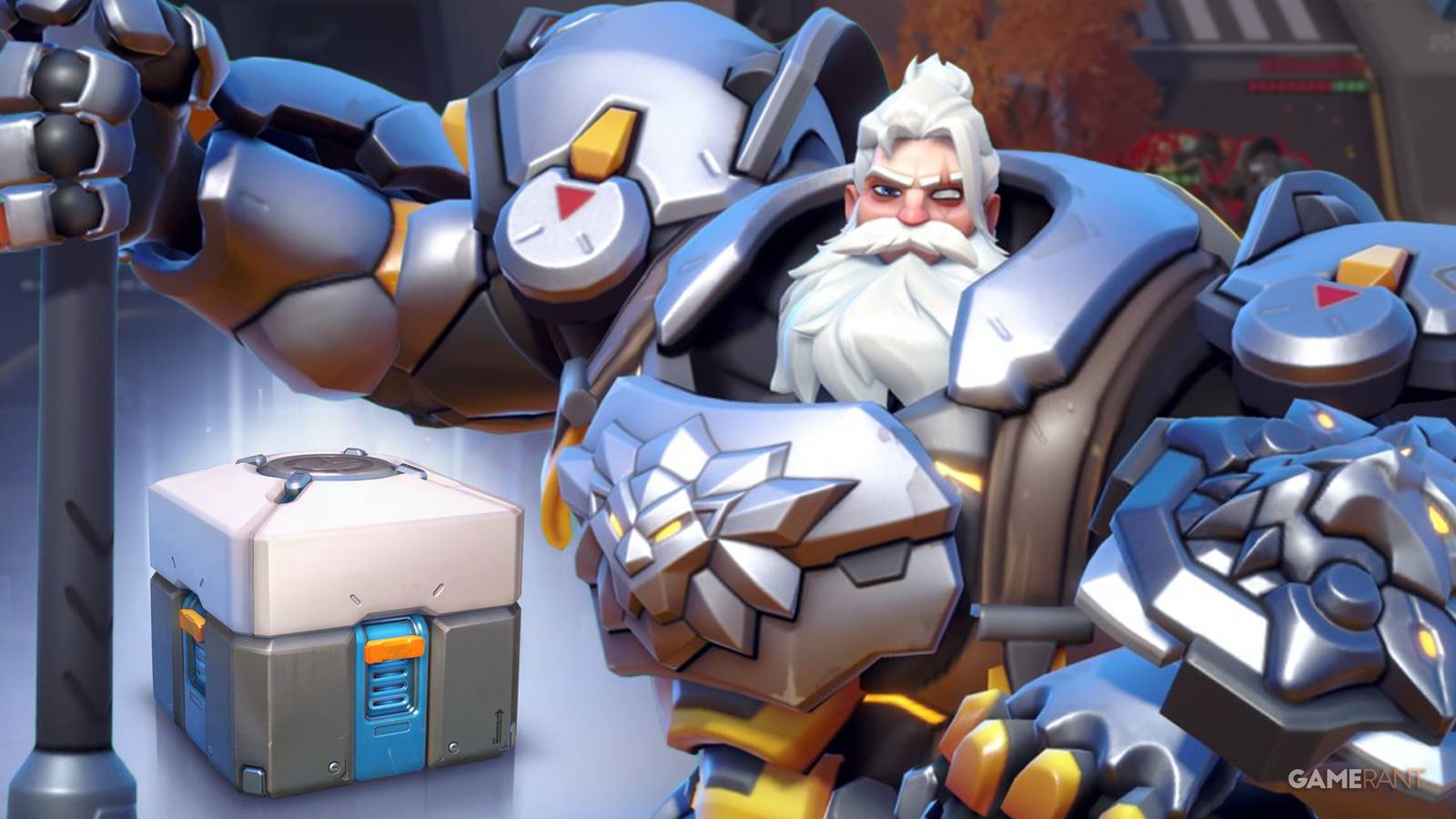
While Overwatch 2 kicked it into another gear in 2025, the year before it dropped the 2 and re-launched as just Overwatch, there was a long road that led to that point. Not only did perks and Stadium come to the game three years after its debut, but it wasn’t until 2025 that there were some much-needed rewards to chase for those investing time in the game. Overwatch 2 didn’t launch with earnable loot boxes or Progression 2.0. Free credits via the battle pass came later, as did the weekly challenges for leveling up heroes that provided them. Free event rewards were hugely limited for a time, too. The current Overwatch is a far cry from the original version, which really only saw players getting cosmetics from paying, and this is a significant mistake that Overwatch Rush can’t repeat if it wants to be a long-term success.
Overwatch Rush offering fun, bite-sized matches is all well and good, but players also need goals to work toward. And when it comes to things to grind for, the importance of cosmetics within live-service games can’t be understated. Overwatch Rush‘s gameplay has already highlighted how its heroes will be getting a mix of fan-favorite skins from the base skin and new designs, but making all of these outfits microtransactions would be a misfire. Some skins should be earnable, as Overwatch has been at its best when it’s rewarding loyal players with cool skins that can be earned instead of purchased. Even if they’re hard to come by, loot boxes with a range of voice lines, emotes, victory poses, and yes, skins, will hopefully be earnable within Overwatch Rush. Titles, name cards, icons, and sprays tied to hero-specific challenges would also be welcome.

Drag weapons to fill the grid
Drag weapons to fill the grid
EasyMediumHard
Alongside earnable cosmetics to collect, something akin to Progression 2.0 would be massive for player retention in Overwatch Rush. Sure, it’s nice to get loot boxes, name cards, and so on at certain level milestones, but for some players, the best part is simply seeing the level of certain heroes they love grow higher. If someone is a Mercy main who plays nothing but the angelic healer, then having a level 300 Mercy to show off will feel like a badge of pride. Similarly, a Tank main being able to flex their multiple level 100 heroes can fill them with a sense of accomplishment. Profile levels in Overwatch Rush are all well and good, but the base game has proven how individual hero levels to grind for can also be a boon.
Overwatch Rush May Live or Die By Its Competitive System
Even if Overwatch Rush is more casual by design, the reality is that it’s based on a franchise known for its competitive aspect.
With Overwatch Rush likely to be free-to-play, though, microtransactions for skins will surely be its bread and butter when it comes to long-term profits. This is perfectly acceptable so long as there are at least some things that can be unlocked through regular gameplay, and so long as said gameplay is engaging enough to keep players hooked. If it is, then giving those addicted gamers motivation to get better would be a smart way to retain them, and a ranked mode is the obvious route to doing just that. Even if Overwatch Rush is more casual by design, the reality is that it’s based on a franchise known for its competitive aspect. The Overwatch League was a thing, after all, and winning has always been treated as the end all and be all in the Overwatch series. Naturally, when something with Overwatch is released, gamers will be expecting some kind of competitive element.
Regardless of whether an Overwatch Rush competitive mode functions just like the main game’s does, or aims to do something a bit different — maybe reviving the idea of clearly displayed SR would be a fun burst of nostalgia that brings back old fans — it feels like a competitive system of some kind has to be there. When Overwatch 2 came out, it offered a messy competitive system that disappointed the hardcore community, and it lacked skins to grind for on top of that, which put off the casuals. Now, with weekly lootboxes, constant events, and earnable currency, not to mention a refined ranked mode, Overwatch is in a healthy place. For Overwatch Rush to thrive, it has to get these aspects right out of the gate, giving every type of player a reason to keep playing. Fortunately, the current version Overwatch provides a healthy model to follow, and the path to it is filled with lessons to keep in mind.