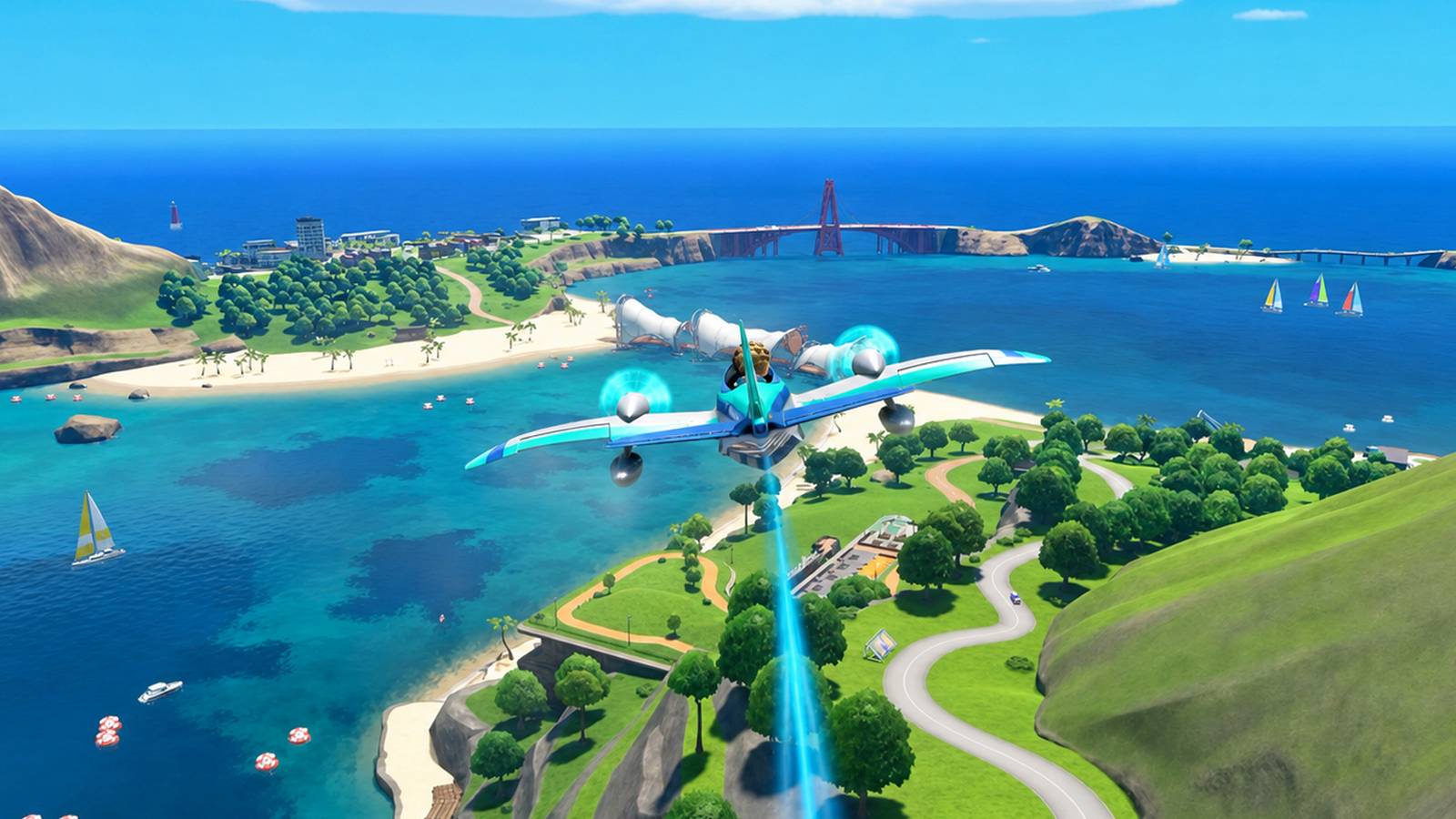




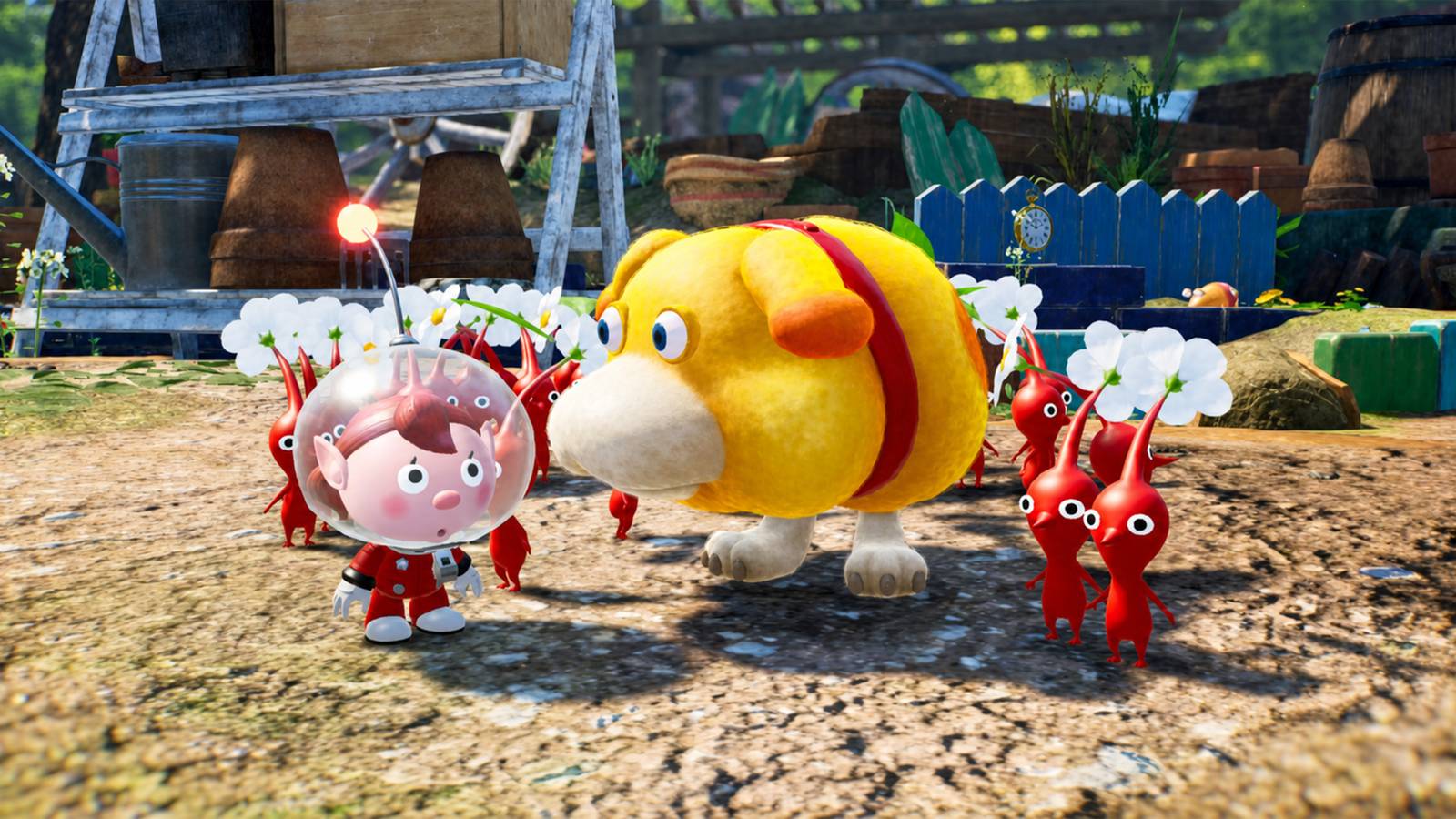
Everyone’s favorite colorful little Pikmin are back, now on the Nintendo Switch 2 with Pikmin 4 – Nintendo Switch 2 Edition + Dandori Academy. This Pikmin 4 port, set to release in November, is gearing up to be a good one, utilizing some of the Switch 2’s advanced tech that wasn’t available to use on the Switch, where the game first released.
Nintendo is notorious for its Switch 2 ports at this point, with titles like Cyberpunk 2077, Final Fantasy VII Remake, and Resident Evil Requiem all coming to the console this year. The usual situation takes place where these games receive a subtle makeover, changing control schemes while getting clever with optimization. Resolution is often bumped down, while still maintaining a pleasing look. With all this in mind, Nintendo-specific ports like Pikmin 4 are a pretty big standout. It is a newer title, and it breaks the mold for what a usual Switch 2-specific port is like.
What’s New With Pikmin 4 Nintendo Switch 2 Edition
-
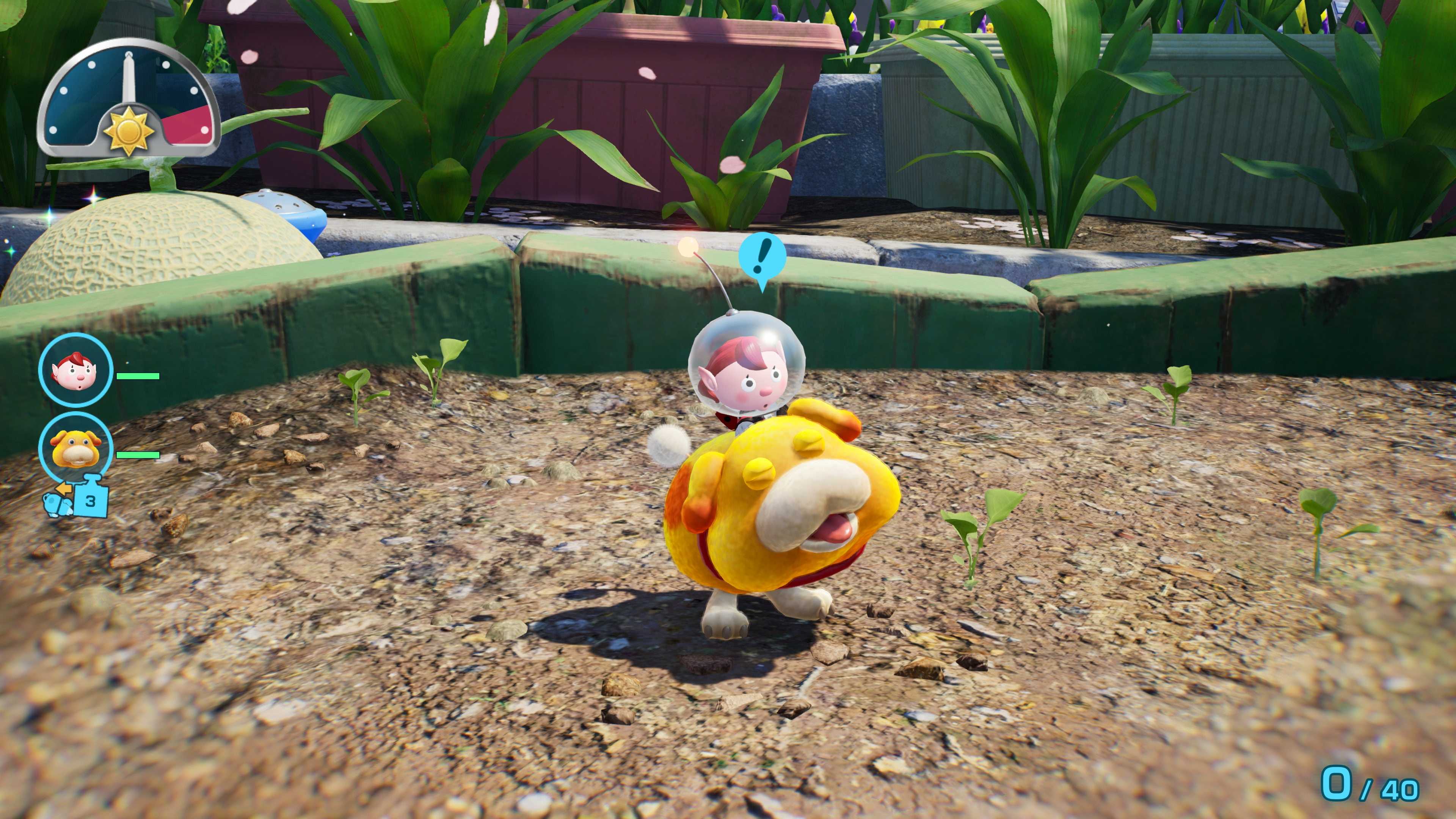 Image via Nintendo
 -
 Image via Nintendo
 -
 Image via Nintendo
Pikmin 4 was first released in 2023 for the Nintendo Switch, a continuation of Captain Olimar’s story. It is a fairly new title that is being ported, similar to Resident Evil Requiem. Players pilot a member of the Rescue Corps and, as usual, they must guide legions of Pikmin, explore a new wild and wonderful planet, find missing castaways, and collect treasures to power up your radar. In the Switch 2 version, the core gameplay is the same but slightly sharper, introducing a graphical upgrade that makes the game look more polished than its Switch counterpart. Obviously though, that wasn’t enough to sate excited fans. Not by a long shot.

Find all 10 pairs
Find all 10 pairs
A new Dandori Academy mode was included and relies on the Switch 2’s capacity for voice commands. Through this new mode, players are introduced to a new pup companion named Oatchi, whom they can command using the system’s built-in microphone. There are nine different voice commands to choose from, ranging from giving your new canine friend directions like picking up Pikmin to giving him praise.
A whopping 72 Dandori Academy stages will be released over time, with six dropping each month. Within each stage, players will take exams and collect treasure.
Exams are held each week on Friday, Saturday, and Sunday. Of course, players are encouraged to practice to their hearts’ content, but only one real attempt at the exam is allowed per week. Based on how well they do in exams, players will be given medals which they can use to unlock rewards. What’s more? Players can compete in Dandori Battles against others utilizing GameShare via local wireless or online via GameChat, offering even more ways to play.
-
 Image via Nintendo
 -
 Image via Nintendo
 -
 Image via Nintendo
While nothing was wrong with the core game, these editions are meant to squeeze some longevity out of the old title. Rather than just simply porting the game for the Switch 2 and bumping up the overall quality, Nintendo took things a step further by offering fans new and interactive ways to play so that, if they have already beaten the story in Pikmin 4, there’s still something to love. This is not a new concept, but it is a win for Nintendo, especially because it is a change that urges players to buy.
While it isn’t as common as it should be, many companies tend to package their ports with other goodies that are meant to get fans re-interested in a game that they’ve likely already beaten. In Nintendo’s case, The Legend of Zelda: Twilight Princess HD is a fairly good example. When Nintendo re-released the title for the Wii U, it got 1080p high-definition visuals, Amiibo support, and a new “Cave of Shadows” dungeon. The challenge battle dungeon was added to give fans extra Wolf Link content, keeping them busy with something that was endlessly replayable. Nintendo is not the only culprit of this move.
When Dead Rising was ported to the Wii, Capcom decided to update the Xbox 360 game via the Resident Evil 4 engine, introducing over-the-shoulder mechanics. The Wii game, now titled Dead Rising: Chop ‘Till You Drop, has the same story and characters as the original; however, the gameplay and control scheme were ultimately overhauled to keep fans interested. Similarly, Batman: Arkham City, originally released on the PlayStation 3 and Xbox 360, received an overhaul for its Wii U release. While it wasn’t as extensive as Dead Rising, Batman: Arkham City Armored Edition got exclusive features like new suits for Batman and Catwoman and B.A.T. Mode for a boost of strength in fights.
Additionally, the Wii U’s GamePad serves as a Batcomputer for checking maps, fiddling with gadgets, and hacking during gameplay, something that wasn’t possible in its original form. All these new-gen editions have one main component in common. When ported to a newer console, they add features utilizing the console’s new tech, whether that be a GamePad or voice controls, to keep players interested. Without editions made beyond graphic upgrades, what would be the point of buying an older title?
New Generation Editions Must Keep Justifying Themselves for Fans to Buy
-
 Image via Nintendo
 -
 Image via Nintendo
 -
 Image via Nintendo
This raises an interesting question about new-gen releases. What actually makes a new-generation edition worthwhile? It is now commonplace that next-gen upgrades have to increasingly justify themselves with new ways to interact, not merely higher resolution. Fan love can only take a re-release so far, so creating new ways for an older title to be played, in addition to graphic upgrades, draws attention. It’s like breathing life into a perfectly good something sat collection dust.
I’d argue that just being able to see older titles in crisp, clear HD is usually enough for me. When I am seeking out ports of older titles, a good bit of time has usually passed for me, meaning I probably haven’t played that game in a hot minute.
This is the case for The Legend of Zelda: Twilight Princess HD, which I gleefully watched gameplay of, since I never owned a Wii U. It was more than enough for me to see a 19-year-old game that meant so much to me as a kid come back in glorious graphic stylings. I did shed a few tears seeing all my favorites, from Midna to freakyUsurper King Zant, looking better than ever. Yes, that makes me feel old to write.

Older games re-released with enough time between an original playthrough solves the story fatigue issue, but what about Pikmin 4? The game came out around 2 years ago, so it’s likely the story is fresh in people’s minds. That is precisely why these new features mean so much to the re-release. It is a huge part of all of Nintendo’s promo material because they are essentially trying to sell something old, but not old enough for fans to forget the game entirely. For companies to successfully repurpose old titles, I believe that they need to actually be old titles.
I am talking early 2000s or 2010s games that haven’t been brought to a modern console yet. Pikmin 4 is the exception, since I think the added features are strong enough to drive sales. Once they have their sights set on what game to port, companies can add all the new bells and whistles that they want to make the title feel fresh again. Old games ported to new consoles seemingly only do well when these justifications are made because they give fans something more to explore. When you have that perfect equation of time plus new features added, that’s when these ported titles can really shine.


- Released
-
November 12, 2026
- ESRB
-
Everyone 10+ / Comic Mischief, Fantasy Violence
- Developer(s)
-
Nintendo EPD, Eighting
- Publisher(s)
-
Nintendo
- Multiplayer
-
Online Multiplayer, Local Multiplayer