
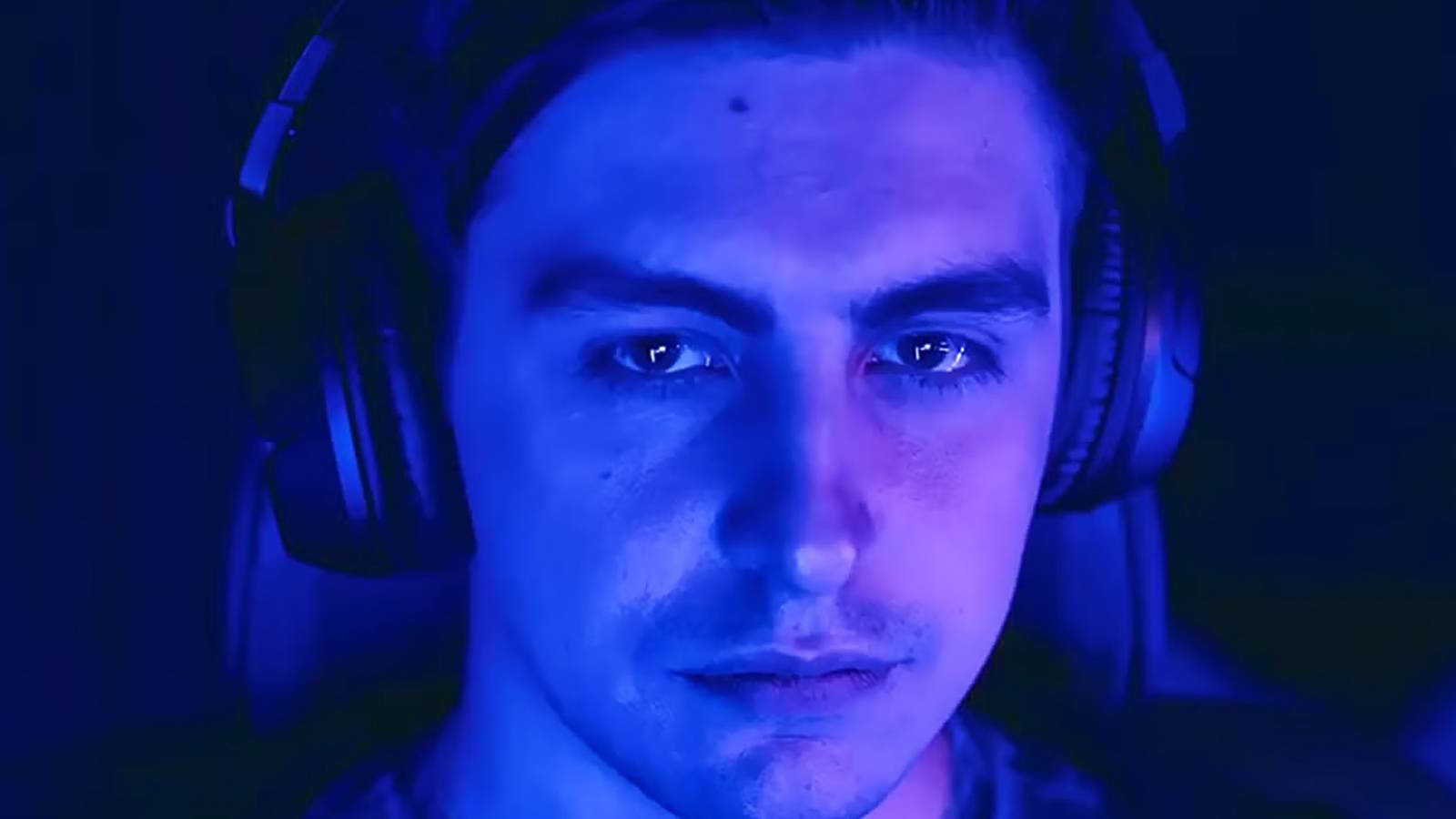



Michael “shroud” Grzesiek says quieter Twitch chats are making streaming feel “depressing,” particularly for creators whose broadcasts still draw hundreds, but not thousands, of viewers. His comments add another complaint to Twitch’s changing creator experience in 2026, but whether the underlying observations signal a change in viewership culture or something else is still unclear.
Grzesiek has spent years as one of Twitch’s highest-profile creators, to the point that Twitch once blocked one of Shroud’s attempted raids because his audience exceeded what the feature supported. Earlier in 2026, he also argued that getting noticed on Twitch now requires creators to put more work into YouTube videos, TikTok clips, and other off-platform content, describing this as a big change compared to how impactful and standalone Amazon’s service used to be on its own.
Shroud Says Twitch Chats Feel Less Social in 2026
A Change That Disproportionately Hurts Smaller Streamers
In a recent broadcast, Shroud compared channels with roughly 200 to 400 viewers today with similarly sized streams about a decade ago. He recalled chats at that level moving constantly in the past, whereas he now sees far more people watching without saying anything. Bigger Twitch creators can mask that difference simply because enough viewers are still typing, but Shroud said a quiet chat can wear on the person broadcasting given that it is somewhat at odds with the inherently social concept of streaming. “When you look at chat and nothing’s said, it’s very depressing to be honest,” the Canadian creator said, adding that such silence gradually “chips” at streamers.
Quiet Chats Aside, Twitch Still Appears To Be Doing Good Overall
Grzesiek’s observation has not been independently verified through concrete studies or publicly available data comparing chatters or messages per viewer for Twitch channels with 200 to 400 viewers over the ten-year period beginning in 2016. And while many of his more vocal viewers have agreed with his remarks—a somewhat self-selecting group given the subject matter—that response does not establish a platform-wide trend and should hence not be taken as evidence of Twitch losing momentum.
Streams Charts recorded more than 1.56 billion hours watched in August 2026, Twitch’s strongest month of the year, with average viewership above 2.14 million. September then cooled to more than 1.47 billion hours watched. Those figures say little about the quality of community interaction on the platform, but they provide no obvious indication of the broad audience collapse that a “dying Twitch” claim would imply.
A Quiet Twitch Chat Can Be Real, or Misleading
Twitch’s own analytics distinguish between watching and talking. The platform separately tracks unique viewers, unique chatters, and chat messages, while its documentation also distinguishes viewer count from the “users in chat” metrics. A legitimate viewer can watch without speaking or even connecting to chat, while appearing in chat does not by itself mean an account is counted as a viewer. In other words, while some fans have interpreted Shroud’s observations as potential evidence that smaller creators are increasingly turning to viewbotting, something like 300 displayed viewers alongside a slow-moving chat is not evidence of such a practice on its own. That inference is even less warranted given that Twitch has repeatedly escalated its anti-viewbotting policies and measures throughout the 2020s.
Sources: Twitch, Streams Charts