


AI is probably the most talked-about topic in the entire world right now, and in gaming, the technology is becoming increasingly intertwined with just about every aspect of the industry. Whether it’s used for designing the next Call of Duty, coding NPCs in Fallout, or ideas for a new soulslike, AI is here to stay, and one of the more interesting spaces that has recently evolved rapidly is modding. Video game mods have been around for decades, with some games being completely transformed by a couple of quick installs, but things are about to get a whole lot more interesting thanks to these newer, highly advanced AI models.
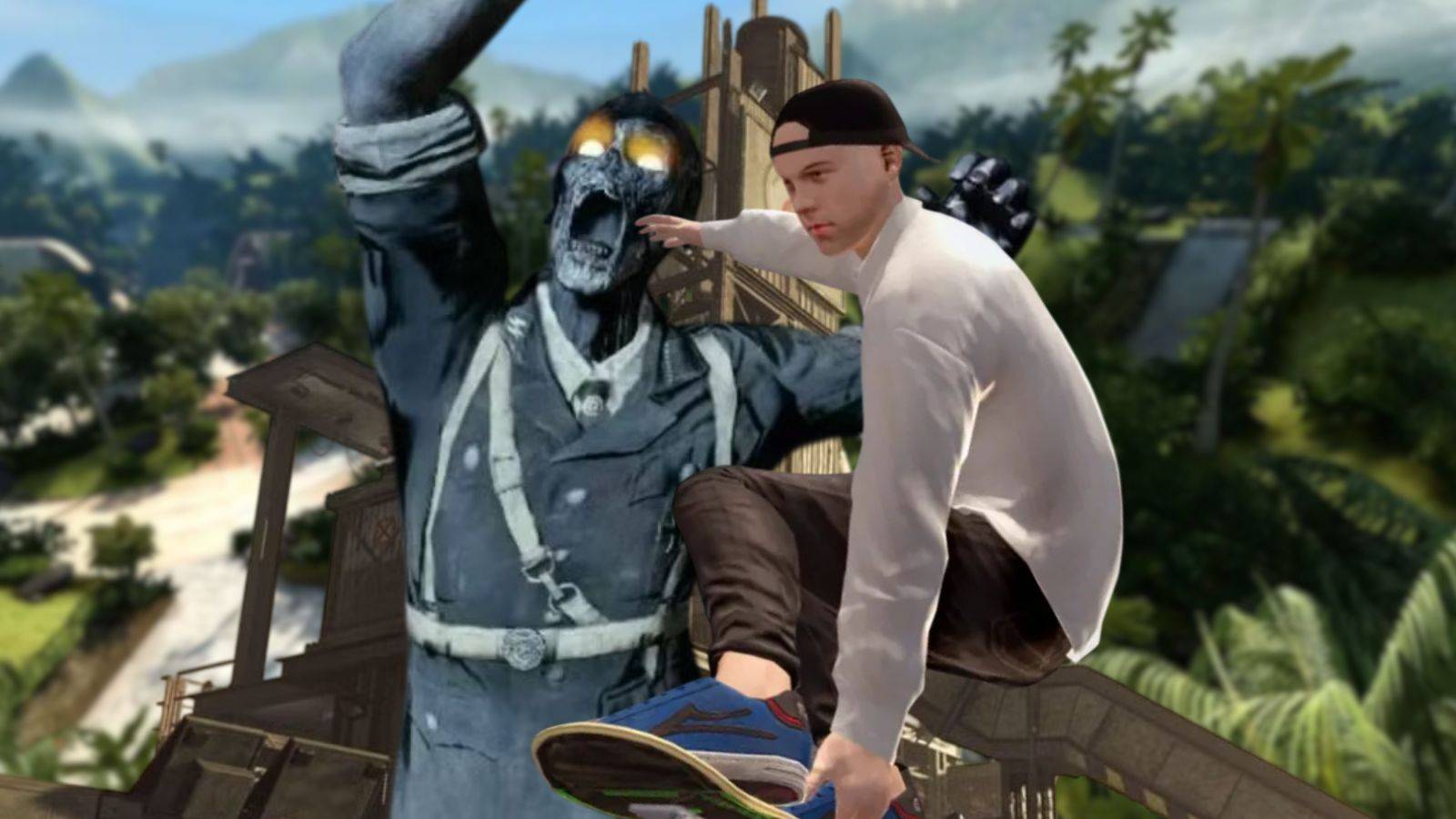
Anthropic just released Opus 5.5 into the wild, and within a few short days, we have seen some of the strangest Frankenstein creations the gaming world has ever seen. Anything from Call of Duty guns in Minecraft to Skate 3 being usable on iconic maps like Rust, it feels like Pandora’s box has been opened and the modding side of gaming has been delivered an astronomical curveball. Additionally, this same technology is already being applied to decompilation ports and additional means of emulation, allowing more older games to be preserved on modern hardware and playable for the first time on PC.
Skating Around in Call Of Duty Is Just the Beginning

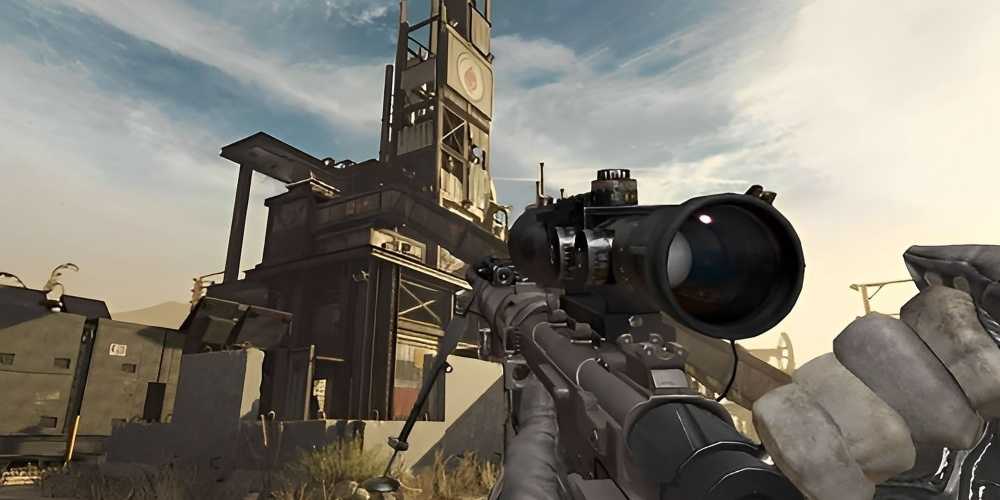
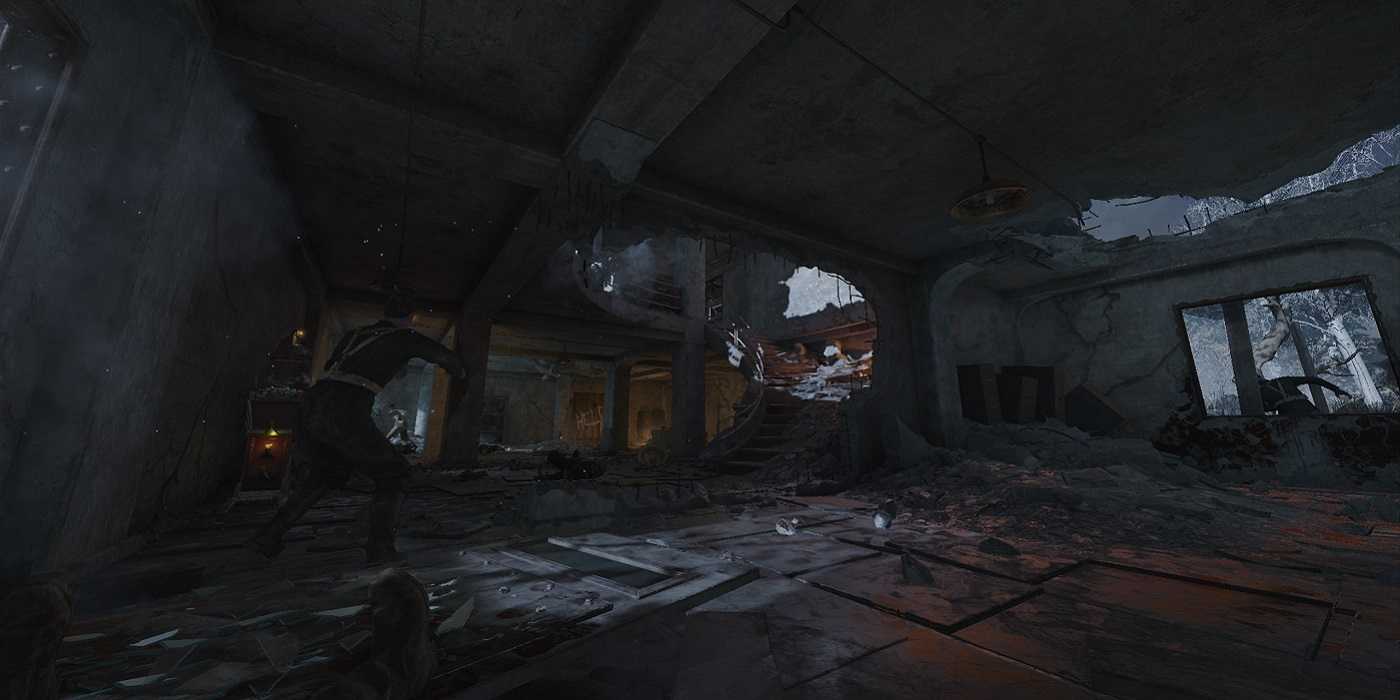
AI’s implementation in gaming has ramped up exponentially in a few short years. A while ago, the term simply referred to enemy behavior or world generation, but now, we are seeing AI applied in more places than ever before. One of the most prominent use cases is in upscaling, with DLSS 5 showing off an uncanny level of detail that will no doubt only get scarier in the coming months. Then there have been a handful of AI assets showing up in big-budget games, yet I think the biggest leap in the industry’s relationship with the technology has just been seen in the form of modding.
In the past, video game mods were only made possible by talented coders and artists who were willing to take the time to build an entirely new set of rules on top of an existing product. Depending on the game and the developer’s support for these projects, you could have just a handful of mods or literally thousands, ranging from QoL tweaks to extensive overhauls. Now, though, by using AI to rewrite the code of a game, you are able to rapidly merge logic and mechanics from other games, borrowing and swapping parts to create an amalgamation of completely different things.
Some of the AI-Powered Gaming Mashups Making the Rounds
From a technical perspective, these aren’t mods in the traditional sense. The people prompting the agents are not just merging several games into one and calling it a day; instead, they are asking the AI to rewrite the existing code from these games and iterating the result until it reaches the state seen in the viral clips. That means that while it may look like an effortless creation that was made through typing a single command, in order to achieve these crazy modded states, it may actually take days, weeks, or even months to reach that level, though things will only improve from here.
And, like anything related to AI, these projects are being received with a fair share of criticism. Firstly, to a lot of people, the mash-up games feel fairly soulless and more like a random set of mechanics merged together for a launch, rather than presenting something of actual substance. For me, though, the more curious discussion comes from how much the technology is playing with the original creator’s vision. Game devs have always had different stances on mods and whether they are okay with them, but this appears like a much bolder step that may be taking things a tad too far in terms of breaking down the initial creative visions of so many talented people.
Ports And Emulators For Everything
On the other side of the fence of these aggressive modded games is emulation and decompilation. Much to the dismay of millions of players, not every game is available on PC, and that’s why a lot of players turn to emulation and unofficial ports to allow them to replay, or experience for the first time, so many classic games across several generations of consoles. As people have gotten better at understanding how certain platforms function, we have seen far more games become available, to the point where we are frequently seeing current generation exclusives appear on PC every other week.
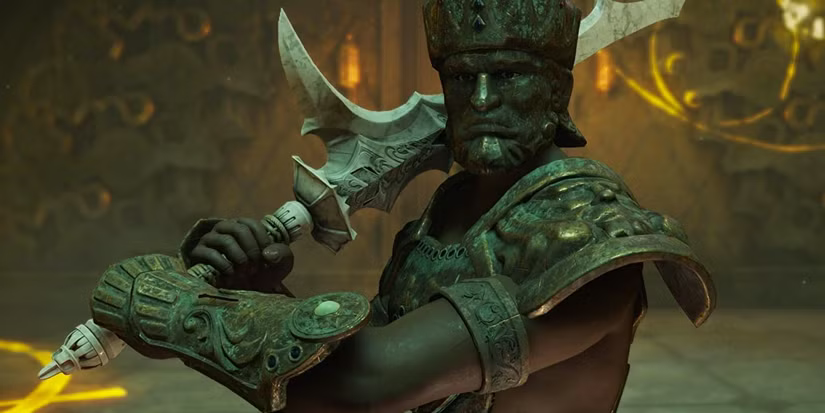
That’s where the AI comes in, as for decompilation projects that aim to port and preserve otherwise inaccessible games, fans are now able to leverage the technology to achieve that goal even faster. Before, decompiling meant writing code to effectively reverse-engineer the ones and zeros into something usable, which, as it turns out, is a perfect test for AI. What that means in practice is more platform-locked games are being unlocked and are now playable in a much better form than traditional emulation, giving even the most obscure titles a second lease on life.
-
 Image sourced via PlayStation Store
 -
-
 Image via Nintendo
As great as all that sounds, it still comes with some major caveats. Major game companies like Nintendo and PlayStation have already made it very clear that they would rather keep their games to themselves, and have been continuing to crack down on modding software and emulators, but as fast as they are to shut things down, the project developers seem to be even faster. Enormous strides have been taken in projects like KytyPS5, where we are now seeing Marvel’s Wolverine booting on PC, less than a month after launch, yet as good as these programs get, I have no doubt that they will remain just out of reach for your average person to come along and play with a single click.
And for the other mashup projects, they still require existing copies to extract the files from the first place, so we are still a long way off from seeing fully AI-generated games appear in the blink of an eye. At the same time, it is hard to deny just how impressive all of these mods, ports, emulators, and decompilations are, and I imagine we will find a middle ground between instantaneous creation and genuinely helpful tools that improve everyone’s gaming experience, from the developer all the way to the players at the end of the line.