

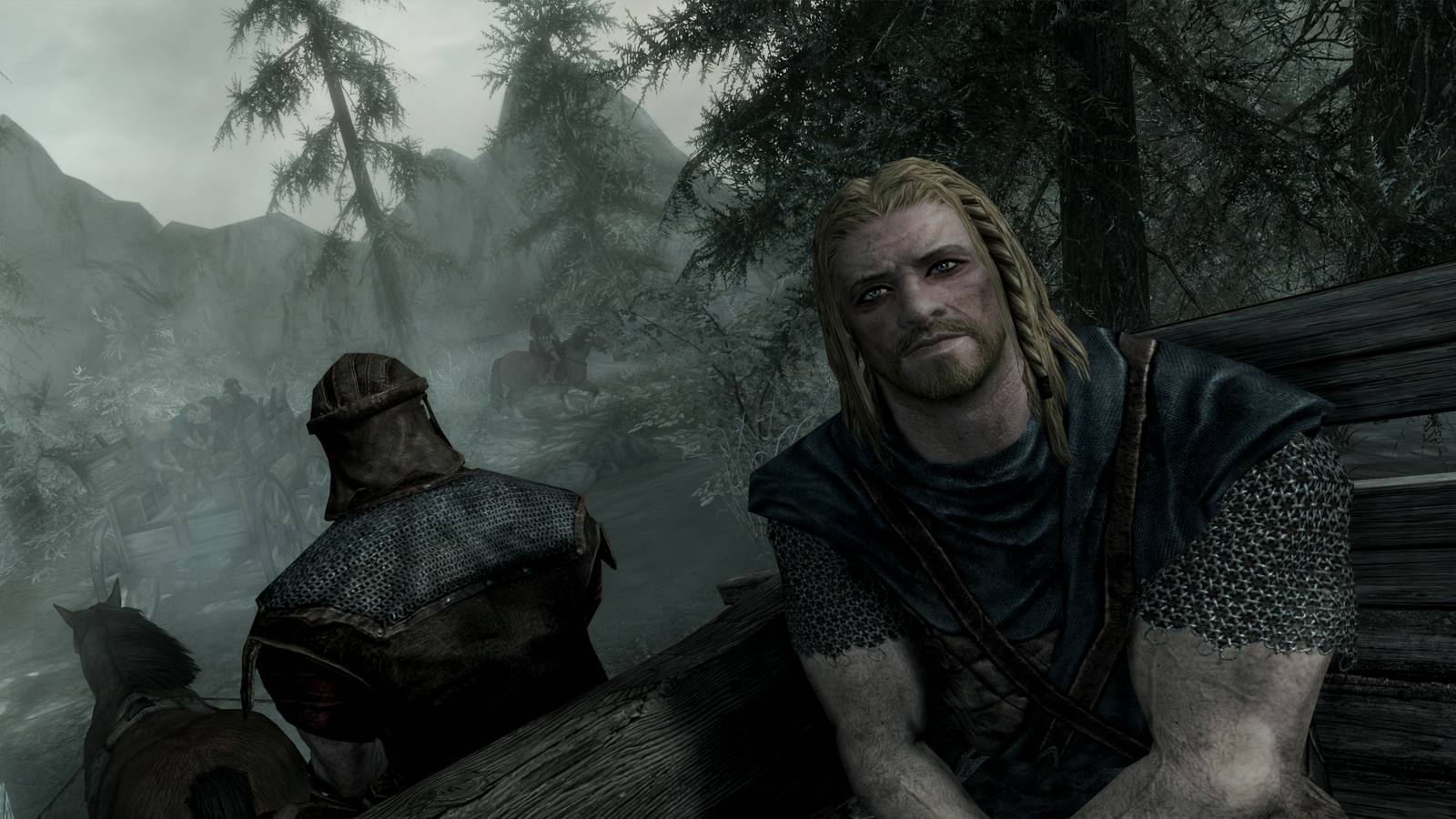




On November 11, 2026,The Elder Scrolls 5: Skyrimturns 15, and its opening remains one of gaming’s most recognizable introductions. Ralof saying, “Hey, you. You’re finally awake” has been repackaged into so many memes that even people who haven’t played the game know the cart ride to Helgen. It’s funny that a scene about being taken to an execution has become such a comforting sight. Beneath the jokes, though, is a brilliantly constructed opening that understands exactly how to pull someone into an unfamiliar world.
Bethesda has released ambitious RPGs sinceSkyrim, but I don’t think any of its introductions have made quite the same impression. The game begins by denying players almost every freedom they expect from an open-world adventure, then slowly gives that freedom back. Its storytelling works because the danger feels immediate, and the world feels bigger than the character stuck in the middle of it. Fifteen years later, the escape from Helgen remains a great example of how to introduce an RPG without explaining away the mystery that makes exploration exciting.
Skyrim’s Opening Makes Freedom Feel Earned
-
-
-
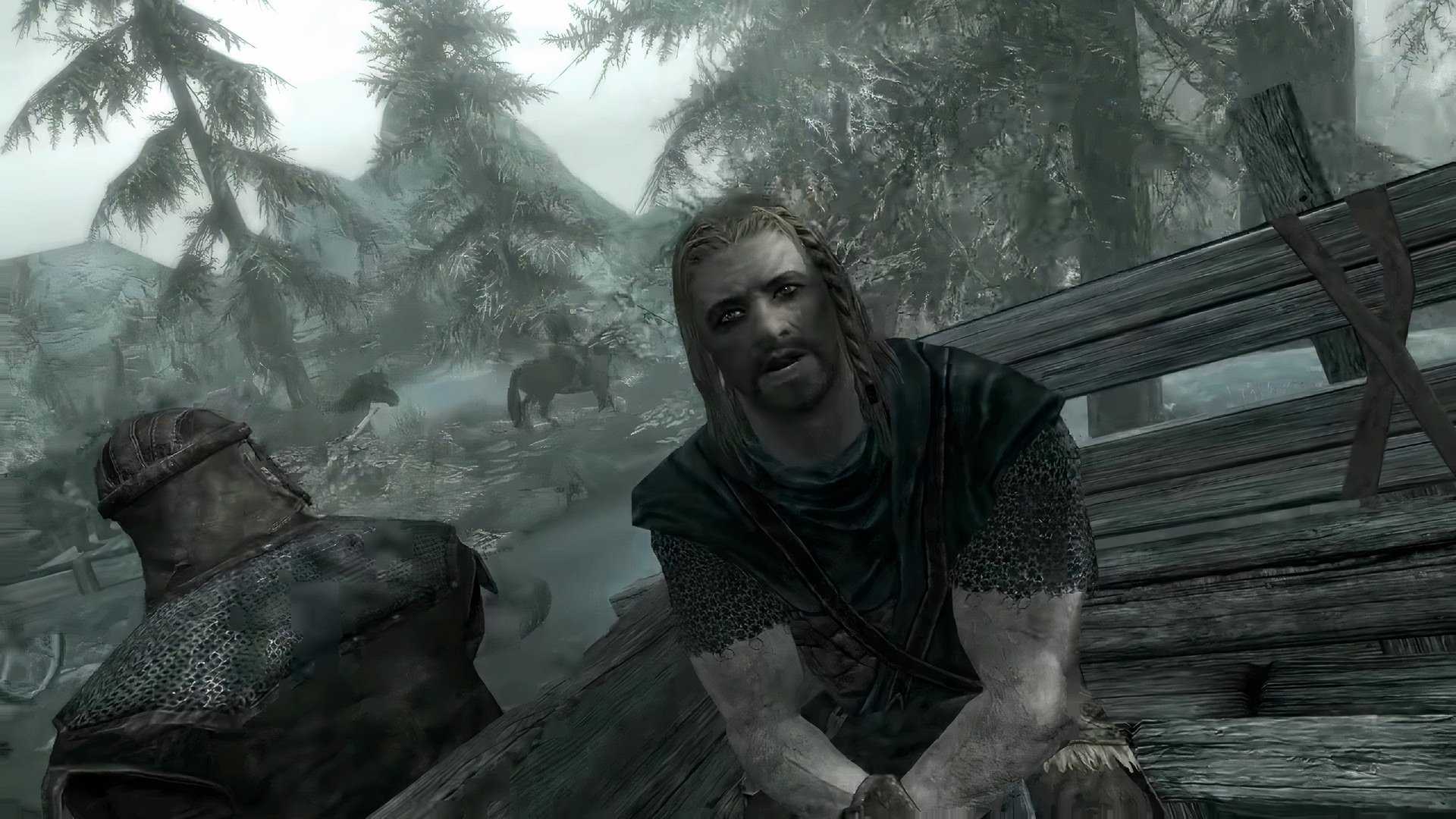

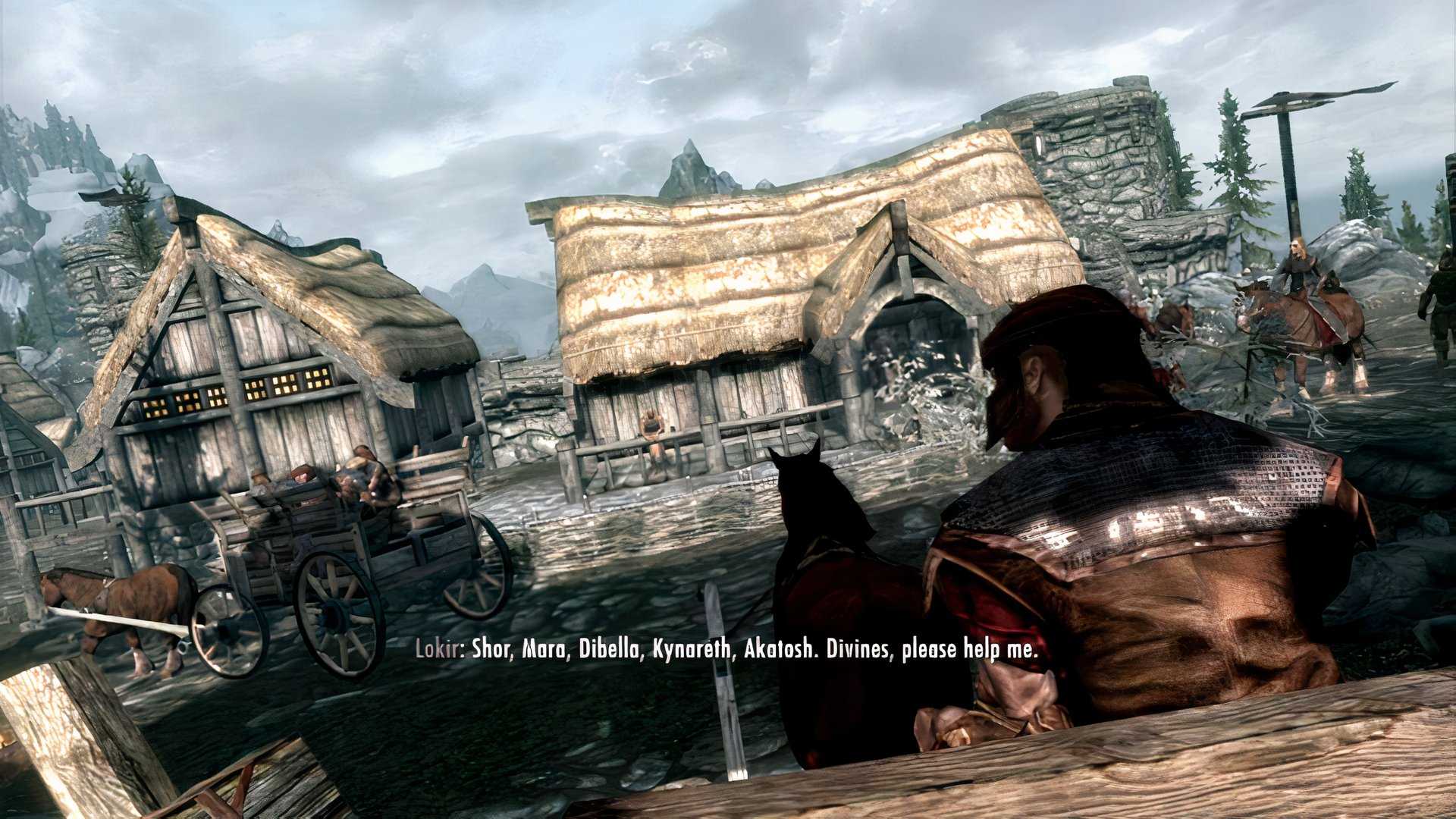
I keep coming back to how efficiently Skyrim introduces its world. The player wakes up bound in a cart, with no idea why they’ve been arrested or where they’re going. Ralof explains that the Imperials captured them alongside Ulfric Stormcloak, while Lokir desperately insists that he has nothing to do with the rebellion. Their disagreement introduces the civil war without a lecture on Tamriel’s history. Ralof sounds convinced of his cause, while Lokir is terrified of being mistaken for a rebel. The player hears their fear and resentment long before learning enough to decide which political faction deserves their support. More importantly, it gives each side a human face before the player has enough information to choose one.


Put the consoles in the correct order.
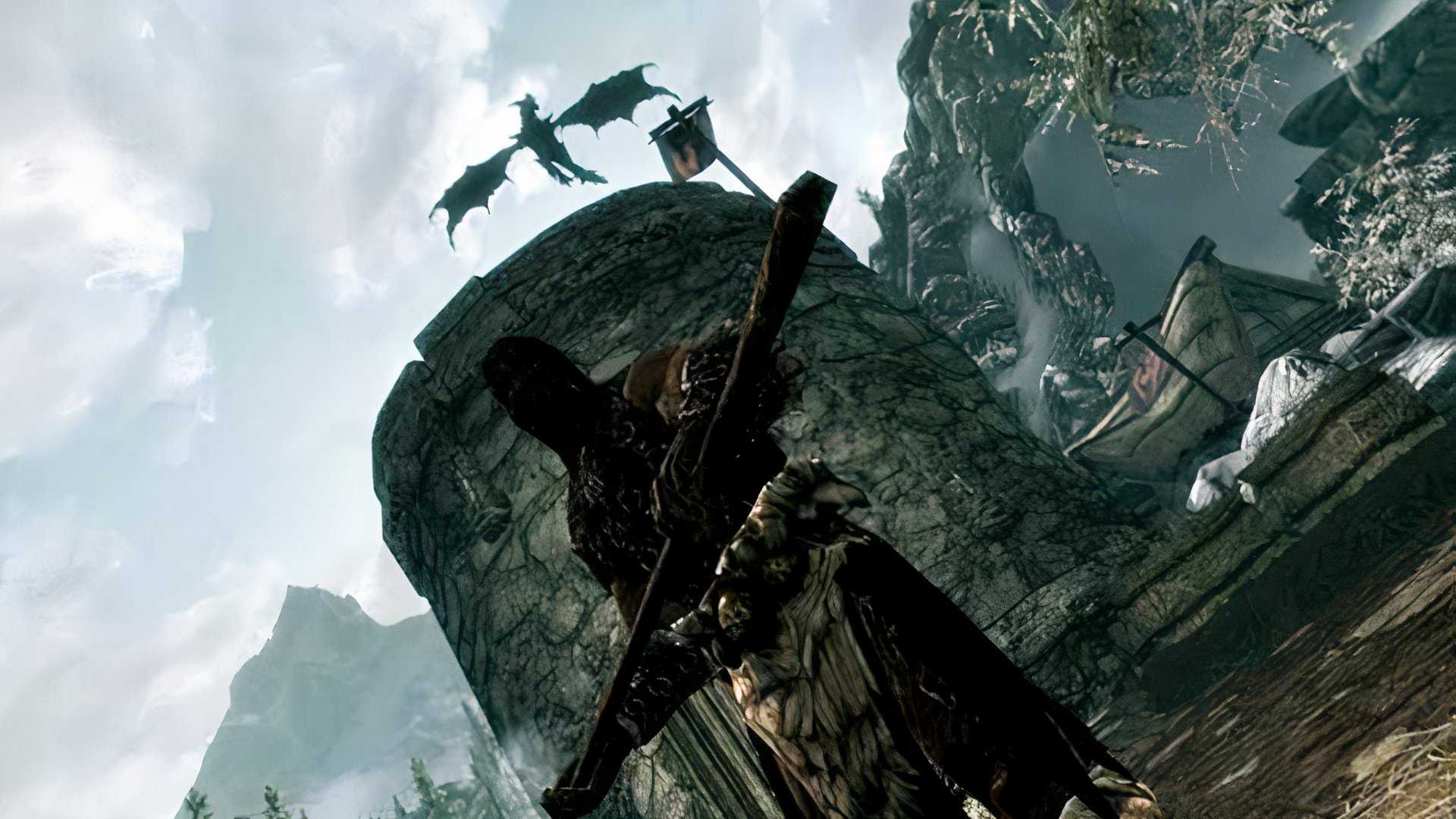
Once the cart reaches Helgen, the situation gets worse. The player’s name isn’t on the Imperial execution list, but the captain orders the execution anyway. For a moment, the character’s fate appears completely out of their hands. Then Alduin descends on the town, interrupting the execution and turning an orderly display of Imperial power into chaos.Director Todd Howard once described Skyrim‘s intended tone as “epic reality,” with believable surroundings making the fantasy more powerful when it arrives. Helgen follows that approach perfectly. The ensuing escape introduces combat and exploration while letting players decide whether to follow Ralof or Hadvar. By the time they emerge from the keep, the landscape feels like an invitation. Skyrim makes the freedom of its open world feel earned by taking it away first.
Skyrim makes the freedom of its open world feel earned by taking it away first.
Fallout 4 comes closest to matching Helgen’s spectacle. Its opening lets players glimpse suburban life just before nuclear war tears it apart, and the desperate rush to Vault 111 makes for an unforgettable scene. The cost is a protagonist with an established family, career, and central motivation. Whatever character I imagine creating, the story has already decided that finding Shaun is their defining concern. That emotional focus works for Fallout 4, but it sits awkwardly beside the freedom to spend dozens of hours doing anything else. Skyrim gives players a simpler starting point: someone who was in the wrong place at the wrong time. The character’s past is mostly theirs to invent, and the game doesn’t demand that they immediately care about a missing relative or fulfill a specific personal promise. Wandering into a cave or taking a job for a local guild feels like a natural part of that character’s life, rather than a distraction from an urgent family crisis.


Starfield takes a quieter route, starting with a mining job and a mysterious artifact that leads the player toward Constellation. The setup introduces the game’s central mystery, but it lacks the urgency of a public execution interrupted by a dragon. There’s a spaceship waiting fairly early, yet the freedom it represents doesn’t land with the same force as stepping out into Skyrim’s mountains. That’s also why the Helgen sequence has endured beyond the game itself. Ralof’s greeting became the basis of the “You’re finally awake” bait-and-switch meme, with unexpected videos and stories ending in that familiar cart. Memes alone don’t establish great writing, but they do show just how firmly Bethesda’s opening lodged itself in gaming culture. Fallout 4 has a stronger personal tragedy, and Starfield has its own sense of discovery; neither opening is as instantly recognizable.
Fifteen Years Later, Helgen Still Gets the Last Word
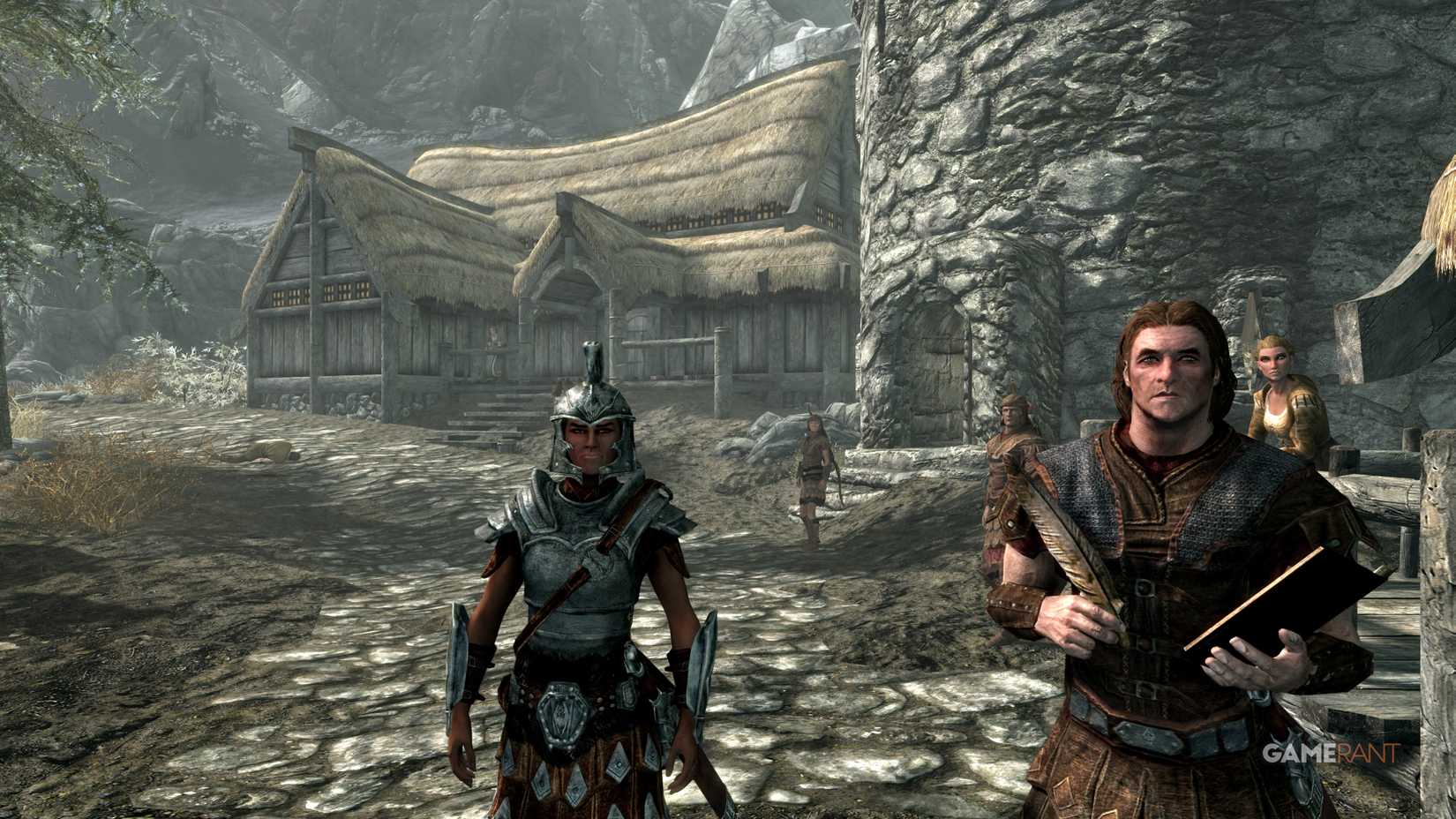
Now, the Skyrim opening isn’t perfect. The cart ride is slow on repeat playthroughs, and returning players have good reason to use alternate-start mods rather than sit through the same execution again. I understand that impulse, especially when the exciting part of a new character is deciding where to go next. But replayability and a powerful first impression aren’t always the same thing. The restrictions work on a first playthrough because they establish what the player stands to gain. Once the danger of Helgen is behind them, the freedom to follow the road toward Riverwood or wander into the wilderness feels genuinely exciting.
But, as Skyrim reaches its fifteenth anniversary, I still think Bethesda’s best opening is the one that trusts players to make the adventure their own. The cart ride is what everyone quotes, and Alduin’s attack is the moment people picture, but the scene’s payoff comes after both. It’s that first glimpse of an open landscape, when the game finally stops deciding where the player goes. For all the worlds Bethesda has built since 2011, nothing has topped the feeling of walking out of Helgen and realizing the story is now yours to shape.


- Released
-
November 11, 2011
- ESRB
-
M For Mature 17+ Due To Blood and Gore, Intense Violence, Sexual Themes, Use of Alcohol
- Developer(s)
-
Bethesda Game Studios
- Publisher(s)
-
Bethesda Softworks