




The Nintendo Switch 2‘s built-in microphone has primarily been associated with GameChat, but Nintendo is finally giving it a more interesting purpose. The November 5 release of The Legend of Zelda: Ocarina of Time introduces a new way to perform Link’s iconic melodies, allowing players to hum or play an actual instrument into the console. It’s a small addition, but it demonstrates how the Switch 2’s hardware changes the experience of playing a game without altering its core mechanics.
Nintendo is also bringing voice controls to Pikmin 4 – Nintendo Switch 2 Edition + Dandori Academy on November 12, allowing players to issue spoken commands to Oatchi. These releases build on the sound-controlled mini-games introduced in Super Mario Party Jamboree + Jamboree TV in 2025. Zelda and Pikmin are especially exciting examples because the new input methods fit naturally into their gameplay. I’m glad to see Nintendo experimenting with how players interact with its games rather than focusing exclusively on improved performance.
Ocarina of Time Gives the Switch 2’s Microphone a Perfect Purpose
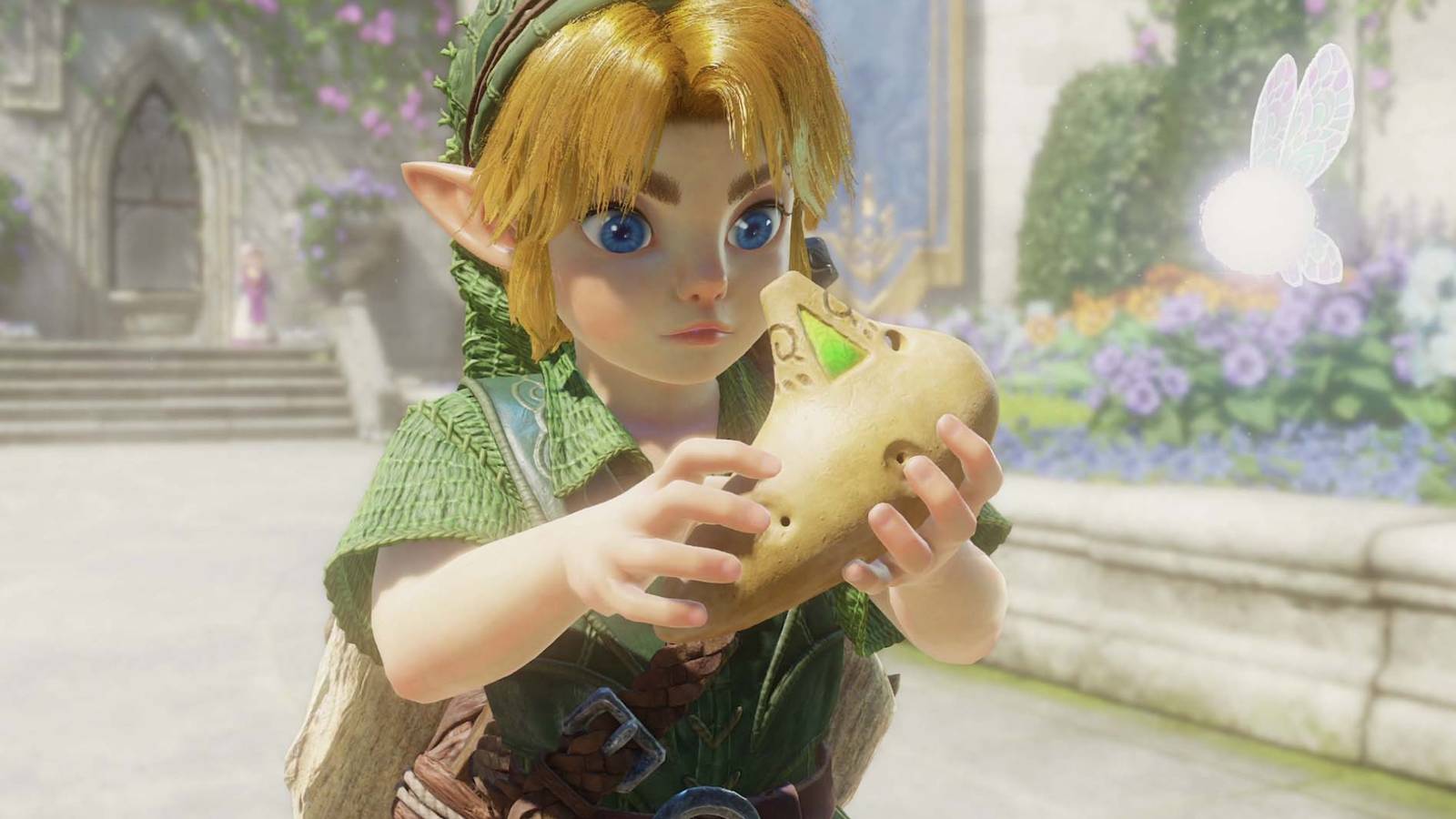
Music has always been central to The Legend of Zelda: Ocarina of Time. Link’s melodies allow him to manipulate time, summon Epona, and reach important locations throughout Hyrule. Previously, players performed these songs using combinations of buttons, but the Switch 2 remake introduces audio input as an alternative. Players can hum, whistle, sing, or use a real instrument to perform melodies Link has already learned, with a practice mode providing feedback on pitch and duration. I love this addition because it brings one of the game’s most memorable mechanics into the real world. Playing the Song of Time with a controller has always been satisfying, but performing the melody yourself creates a stronger connection to the adventure. It gives players a more direct role in something that has defined Ocarina of Time since 1998.


Put the consoles in the correct order.
The idea came from Zelda series producer Eiji Aonuma, who suggested incorporating the feature during development. In Nintendo’s November 3 Ask the Developer interview, Aonuma acknowledged that voice recognition doesn’t make progressing through the game easier. Instead, he explained, “Being able to interact with the world in such an intuitive way makes it feel much closer to you.” His explanation perfectly captures why the feature deserves attention. Players can participate in Hyrule rather than simply command Link from the outside. Singing into a console isn’t everyone’s preferred way to play, especially in public. Thankfully, traditional button controls remain available, making the new input method entirely optional. Players get a more immersive way to experience the adventure without sacrificing familiar controls.
Players can participate in Hyrule rather than simply command Link from the outside.
Nintendo’s interest in sound-based gameplay stretches back decades, and Ocarina of Time revisits an idea from Zelda‘s own history. In 2009’s The Legend of Zelda: Spirit Tracks, players blew into the Nintendo DS while moving the stylus across the touchscreen to play the Spirit Pipes. These musical performances were essential to progressing through the adventure, whereas the Switch 2 remake recognizes melodies through humming or actual instruments without making audio input mandatory. Nintendo’s earlier experiments extend to the original Japanese The Legend of Zelda, which allowed players to defeat Pols Voice enemies by making noise into the Famicom controller. Meanwhile, Nintendogs used spoken commands to interact with virtual pets, and Mario Party 6 introduced voice-controlled minigames. Nintendo has been exploring these unusual control methods for decades, and the Switch 2 gives it another opportunity to develop them.
The console’s built-in audio hardware also benefits from dedicated processing technology, including noise suppression and automatic gain control. Nintendo originally emphasized these capabilities when discussing GameChat, but recent releases demonstrate their broader potential. Pikmin 4 – Nintendo Switch 2 Edition + Dandori Academy is a perfect example, introducing nine spoken commands that let players direct Oatchi to gather Pikmin or transport treasure. Players can even praise their loyal companion, making interactions feel closer to communicating with an actual dog. Whereas Ocarina of Time lets players perform music themselves, Pikmin 4 makes issuing instructions to a companion feel more natural.
The Switch 2’s Microphone Should Become More Than a GameChat Feature


Nintendo’s latest experiments deserve a greater role in its future games, and Ocarina of Time provides an excellent example of how to accomplish that. Its new controls don’t make Link’s adventure faster or change the effects of his songs, but they make performing those melodies feel more personal. Better graphics and smoother controls are welcome, but I’m particularly interested in changes that offer different ways to experience familiar mechanics.
Humming a melody and hearing Link respond accomplishes exactly that, giving players a fresh way to experience one of Zelda‘s most recognizable features. With Ocarina of Time giving players a musical connection to Hyrule and Pikmin 4 letting them speak directly to Oatchi, Nintendo is demonstrating the potential of hardware primarily associated with chatting to friends. This overlooked feature has spent long enough in a secondary role, and I want to see more developers find similarly creative uses for it.

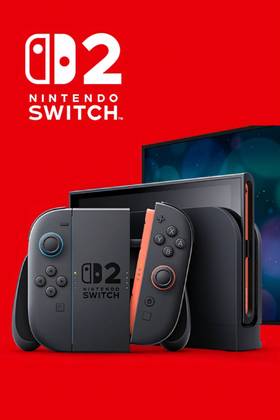
- Brand
-
Nintendo
- Original Release Date
-
June 5, 2025
- Original MSRP (USD)
-
$449.99
- Operating System
-
Proprietary
- Resolution
-
1080p (handheld) / 4K (docked)
- HDR Support
-
Yes