



I’ve been playing The Legend of Zelda for most of my life at this point, and if there’s one thing I’ve learned, it’s that ranking these games is almost impossible to do without somebody wanting to throw a Cucco at you. Even deciding what qualifies as the “best” Zelda game can change depending on what I’m looking for. Sometimes I want the freedom of Breath of the Wild. Other times, give me a traditional dungeon, a weird item, and a locked door I need to spend 20 minutes figuring out how to open.
So, I’m approaching this one a little differently. With the Ocarina of Time remake right around the corner, I’ve been thinking a lot about which Zelda games I would genuinely change the least if Nintendo handed me the keys. Historical importance matters, of course, but I’m much more interested in how completely each game accomplishes what it set out to do. Some of my favorite games in the series still have entire sections I’d happily tweak. The seven below are the ones where my list of complaints starts getting very short.
“Perfect” doesn’t mean literally flawless here. I’m looking at the Zelda games where nearly everything comes together so well that I struggle to find much I’d seriously want Nintendo to change.
7
The Legend of Zelda: Majora’s Mask
Its Biggest Problem Is Also One of Its Best Ideas
- Three-day cycle keeps Termina constantly moving.
- Masks tie directly into exploration and quests.
I completely understand why Majora’s Mask isn’t for everyone. Termina’s three-day cycle puts a timer over the entire experience, and for some players, that’s probably enough to make exploring feel more stressful than fun. I’ve certainly had moments where I was halfway through something, looked at the clock, and realized I needed to start thinking about whether I had enough time left to finish it.
Put the consoles in the correct order.
But I can’t imagine Majora’s Mask without that pressure, either. The repeating schedule gives Termina a strange sense of life that even newer Zelda games don’t always manage, because everyone has somewhere to be and something they’re doing before the moon eventually ruins everybody’s week. The masks fit naturally into that structure as well, especially once they start opening new ways to move through the world. I wouldn’t recommend this as someone’s first Zelda, but I also wouldn’t want Nintendo sanding away the very thing that makes it so weird.
6
The Legend of Zelda: The Wind Waker HD
Nintendo Already Fixed Most of What Needed Fixing
- Swift Sail fixes the original’s slow travel.
- The Triforce hunt is far less tedious.
I’m specifically putting The Wind Waker HD here rather than the original GameCube version, because Nintendo already did a surprising amount of the work for this list. I adore The Wind Waker, but I don’t miss slowly sailing across the Great Sea quite as much as nostalgia sometimes tries to convince me I do. The Swift Sail alone makes revisiting that world dramatically easier.
The HD version also cleans up the infamous Triforce hunt, which was always one of those sections where I could feel the game starting to run out of steam before the finish line. With those frustrations reduced, what remains is one of the most effortlessly charming games Nintendo has ever made. The art style still looks incredible, and sailing around the Great Sea can be ridiculously relaxing when I’m not spending an eternity waiting to reach the next island.
5
The Legend of Zelda: Tears of the Kingdom
Nintendo Somehow Made Hyrule Feel Like a Giant Toy Box
-
 Image via Nintendo
 -
 Image via Nintendo
 -
 Image via Nintendo
- Ultrahand gives players incredible freedom.
- Hyrule supports countless creative solutions.
I still don’t entirely understand how Nintendo got Tears of the Kingdom running on the original Switch. Ultrahand alone feels like the kind of mechanic an entire game could be built around, yet here it’s sitting alongside Fuse and all the other ridiculous things Link can do while players are simultaneously exploring the sky and whatever nightmare is waiting underneath Hyrule.
I’ll admit I don’t love everything about Tears of the Kingdom. Some of the Sage interactions could have been handled better, and returning to essentially the same Hyrule naturally made certain areas less surprising than they were in Breath of the Wild. Still, very few games have ever given me this much freedom without constantly breaking under the weight of their own ideas. If I wonder whether something stupid will work in TOTK, there’s a suspiciously good chance Nintendo already accounted for it.
4
The Legend of Zelda: Breath of the Wild
Its Simplicity Is Still One of Its Greatest Strengths
- The Great Plateau teaches through play.
- Exploration is driven almost entirely by curiosity.
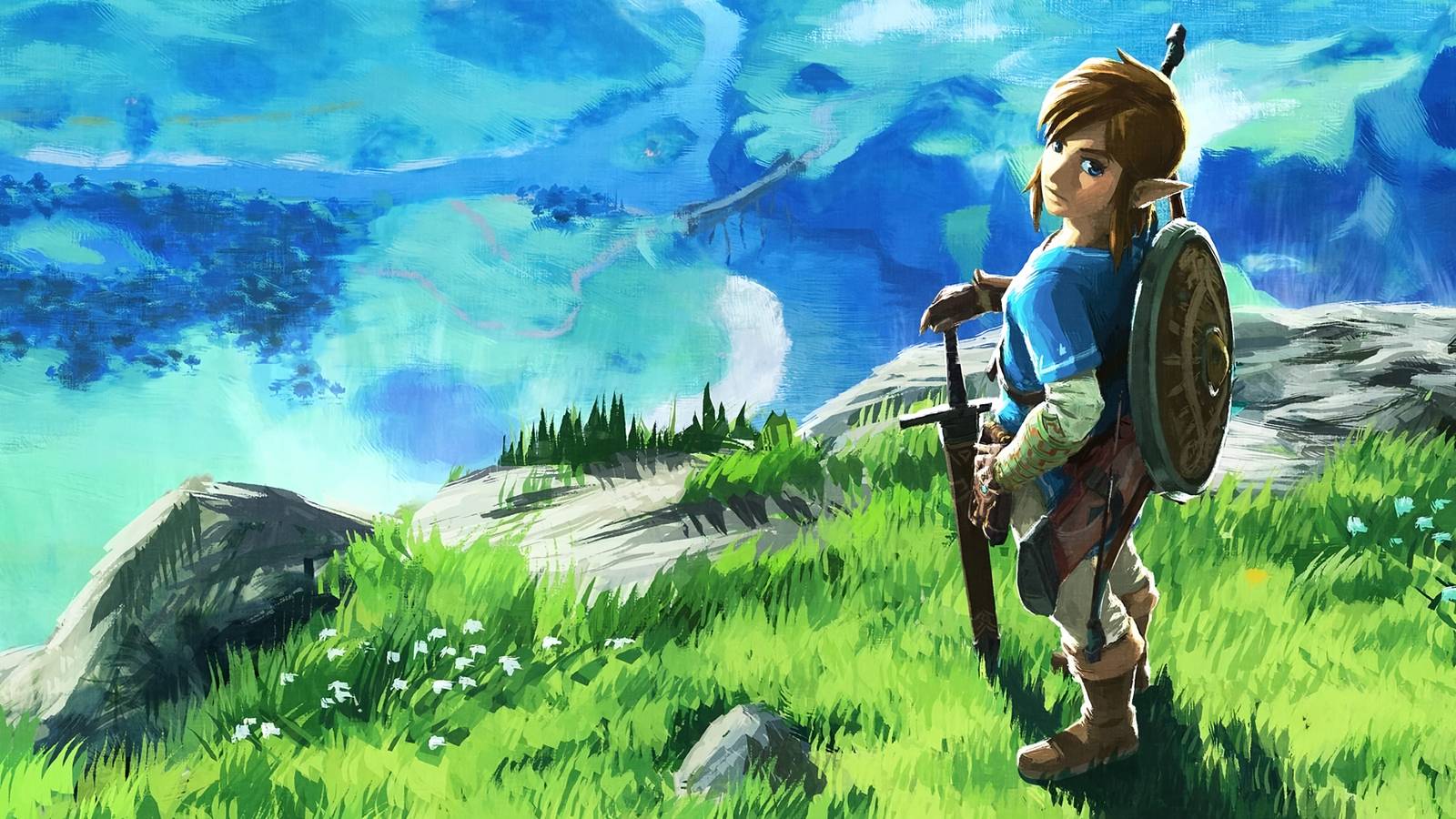
Breath of the Wild looks almost restrained next to Tears of the Kingdom now, which is funny considering how radical it felt when it launched. But I think I’ve actually grown to appreciate that simplicity more over time. The Great Plateau teaches players almost everything they need to know and then basically tells them to go figure the rest out.
From there, exploration takes over. I’d spot something strange on a mountain, start heading toward it, and then get distracted three more times before I ever arrived. I still have my complaints, with weapon durability being the obvious one, but BOTW understands curiosity better than almost any open-world game I’ve played. TOTK gives me more tools, while Breath of the Wild sometimes feels cleaner because there is simply less standing between me and whatever caught my eye.
3
The Legend of Zelda: A Link Between Worlds
Traditional Zelda Barely Gets More Efficient Than This
- Item renting opens up dungeon order.
- Wall merging constantly reshapes exploration.
A Link Between Worlds might be the easiest game here to overlook, and I think doing so would be a mistake. Nintendo took the familiar foundation of A Link to the Past and loosened it just enough that the entire adventure moves at an almost ridiculous pace. Renting items lets players tackle dungeons with far more freedom, while the wall-merging mechanic completely changes how I look at environments without ever becoming exhausting to use.

Guess the games from the emojis.
Guess the games from the emojis.
Easy (120s)Medium (90s)Hard (60s)
More than anything, A Link Between Worlds rarely wastes my time. Getting around is quick, its dungeons don’t overstay their welcome, and I never feel like I’m trudging through an obligatory section just to reach the good stuff again. There are bigger Zelda games and certainly more ambitious ones, but if I’m looking for one that simply gets on with being fun, this is awfully hard to beat.
2
The Legend of Zelda: Ocarina of Time
Nearly Three Decades Later, There’s Still Very Little I’d Change
- Its 3D structure still holds up remarkably well.
- Most flaws today simply come from age.
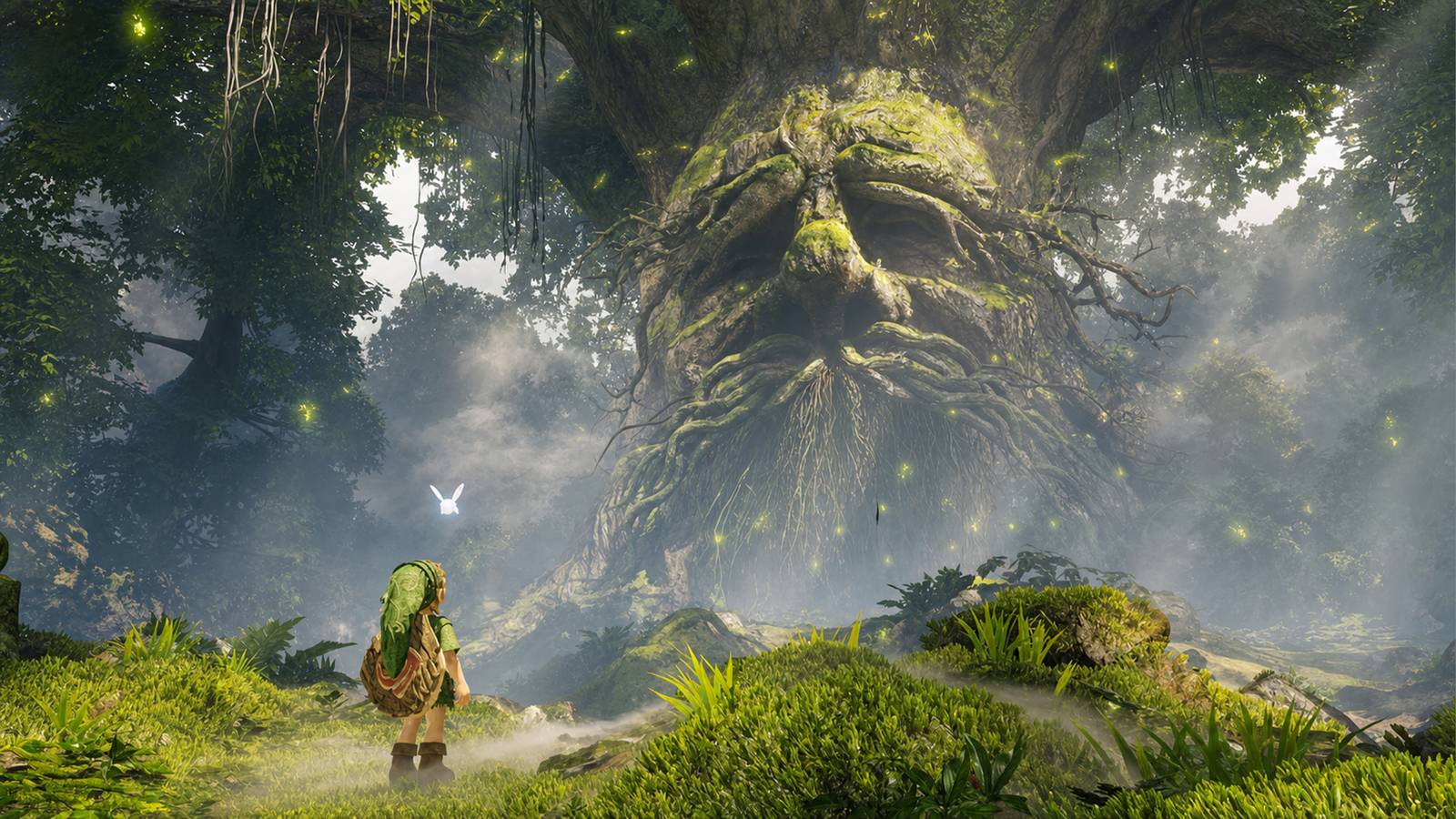
I have no problem admitting my bias here. Ocarina of Time is one of my favorite games ever made, and I can still go back to it after all these years without feeling like nostalgia is doing all the work. The jump from 2D Zelda into 3D could have gone wrong in about a thousand different ways, but somehow Nintendo landed on a structure that the series would continue building on for years afterward.
Age has caught up with parts of it, though. The camera is obviously limited, inventory management can be clunky, and moving through Hyrule Field isn’t quite as exciting now as it felt in 1998. Coincidentally, Nintendo is already addressing several of those issues with the upcoming remake, which makes me even more curious to see where Ocarina lands once that version is in our hands. The fact that we’re discussing how to modernize it almost 30 years later without disrupting what people love says plenty on its own.
1
The Legend of Zelda: A Link to the Past
I Honestly Don’t Know What Nintendo Would Need to Fix
- Light and Dark Worlds make exploration rewarding.
- There’s remarkably little worth changing.
If this were simply a ranking of the best or most important Zelda games, I could probably spend all day arguing with myself over the top three. But for “most perfect,” A Link to the Past is where I keep ending up. I can easily explain things I’d change about Ocarina of Time, and I can point to frustrations in Breath of the Wild without thinking very hard. When I try doing the same thing with A Link to the Past, the list gets awfully thin.
It moves quickly without feeling rushed, and its Light World/Dark World setup still makes exploration satisfying decades later. The difficulty generally knows when to push back without becoming tedious, while the dungeons rarely feel like they’re wasting time between their best ideas. Even now, I can pick it up and immediately disappear into Hyrule without needing to excuse some enormous section because “games were different back then.”
Maybe that’s what puts it over the top for me. A Link to the Past doesn’t need nostalgia to cover for it, and it doesn’t need a giant remake wishlist before I’d gladly play through it again. Nintendo has spent nearly 40 years reinventing Zelda, but I’m still not sure it has ever made another entry where I have so little interest in changing what is already there.