

The original Nintendo 64 version of The Legend of Zelda: Ocarina of Time is the highest-rated video game ever made. With the original game reaching such astronomical heights, Nintendo had an incredibly challenging task ahead of it when it decided to produce a full-blown remake for the Switch 2. The Legend of Zelda: Ocarina of Time on the Switch 2 succeeds in nearly every category, successfully bringing Link’s beloved adventure to modern standards.
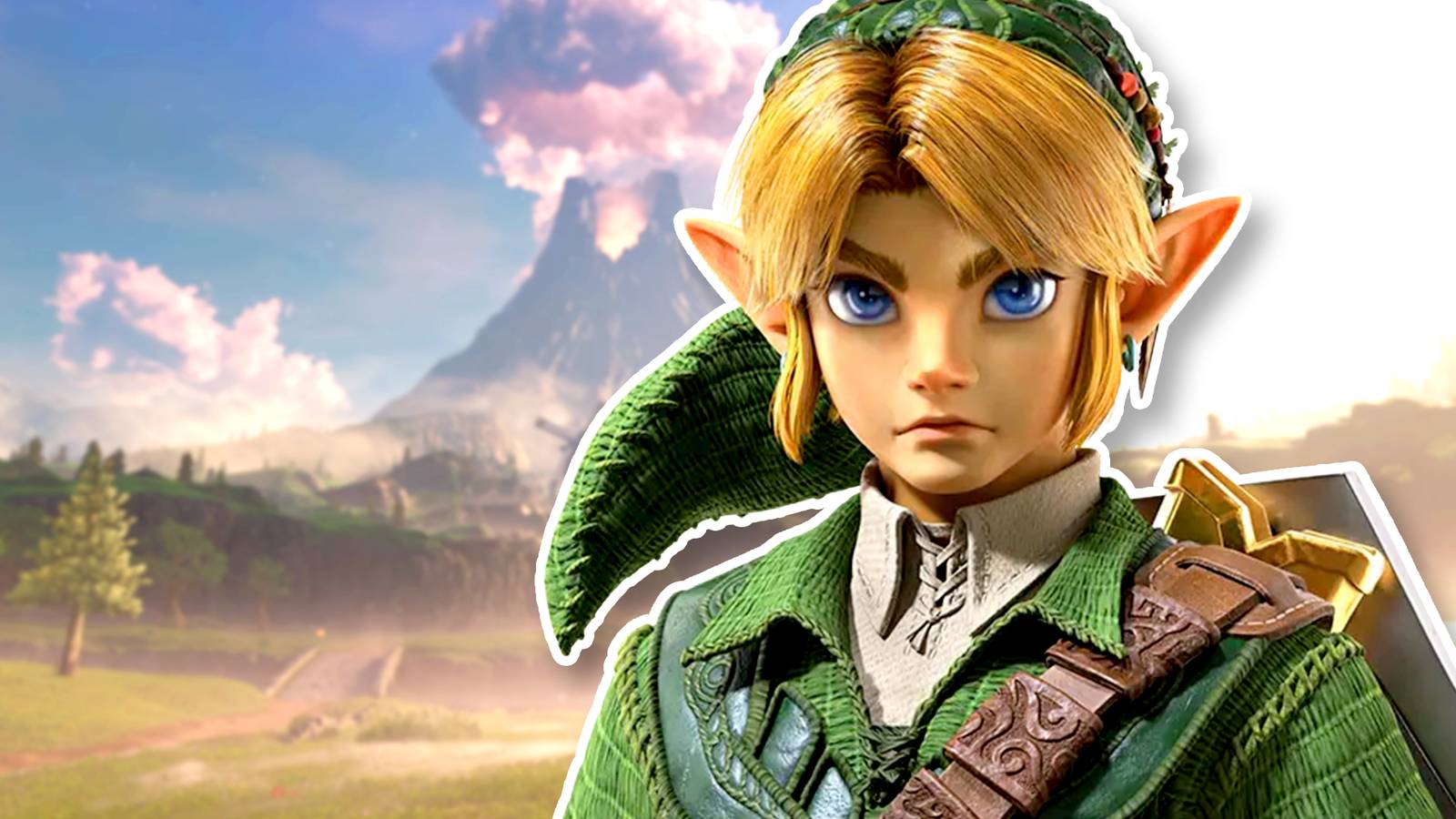
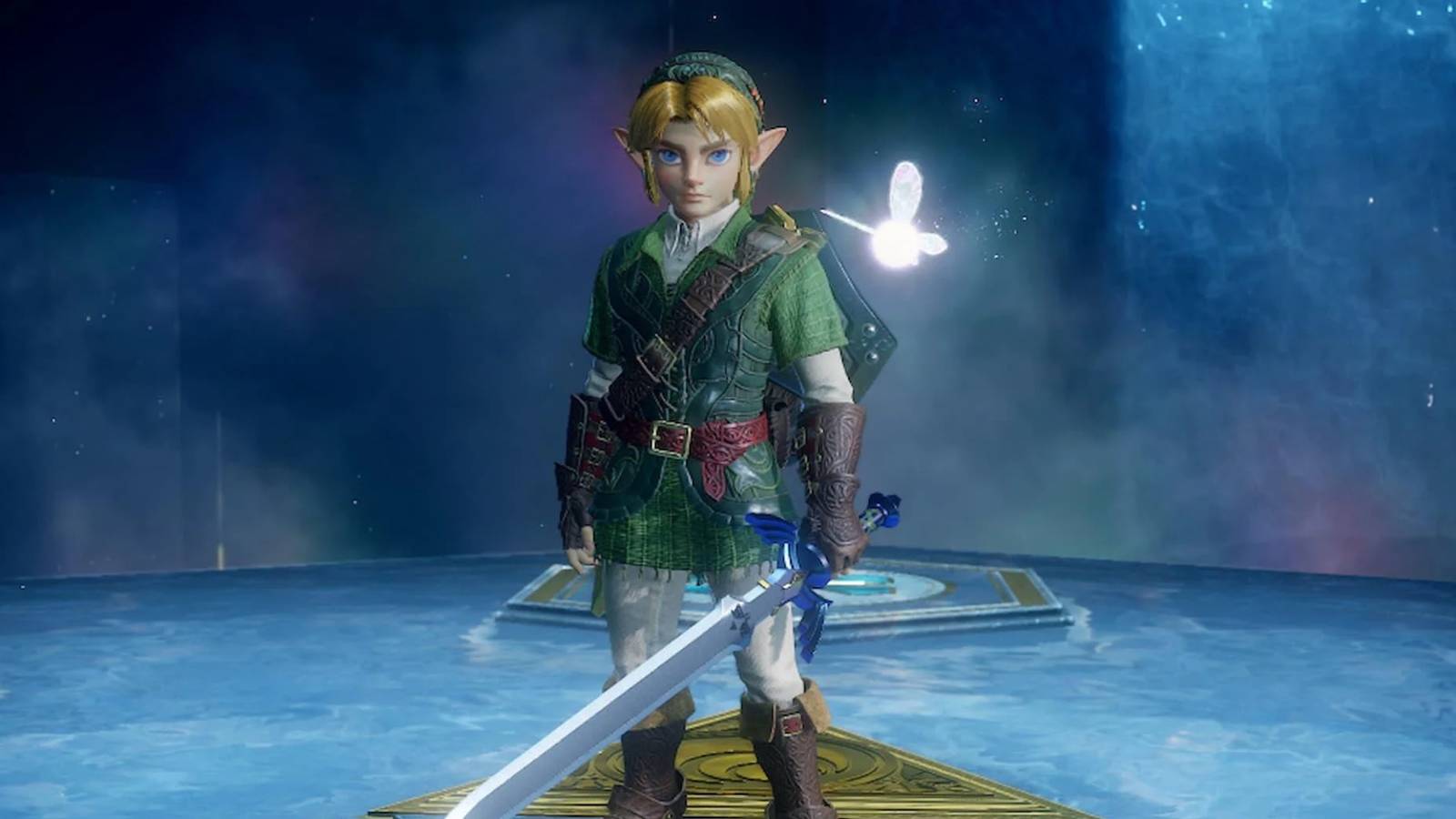
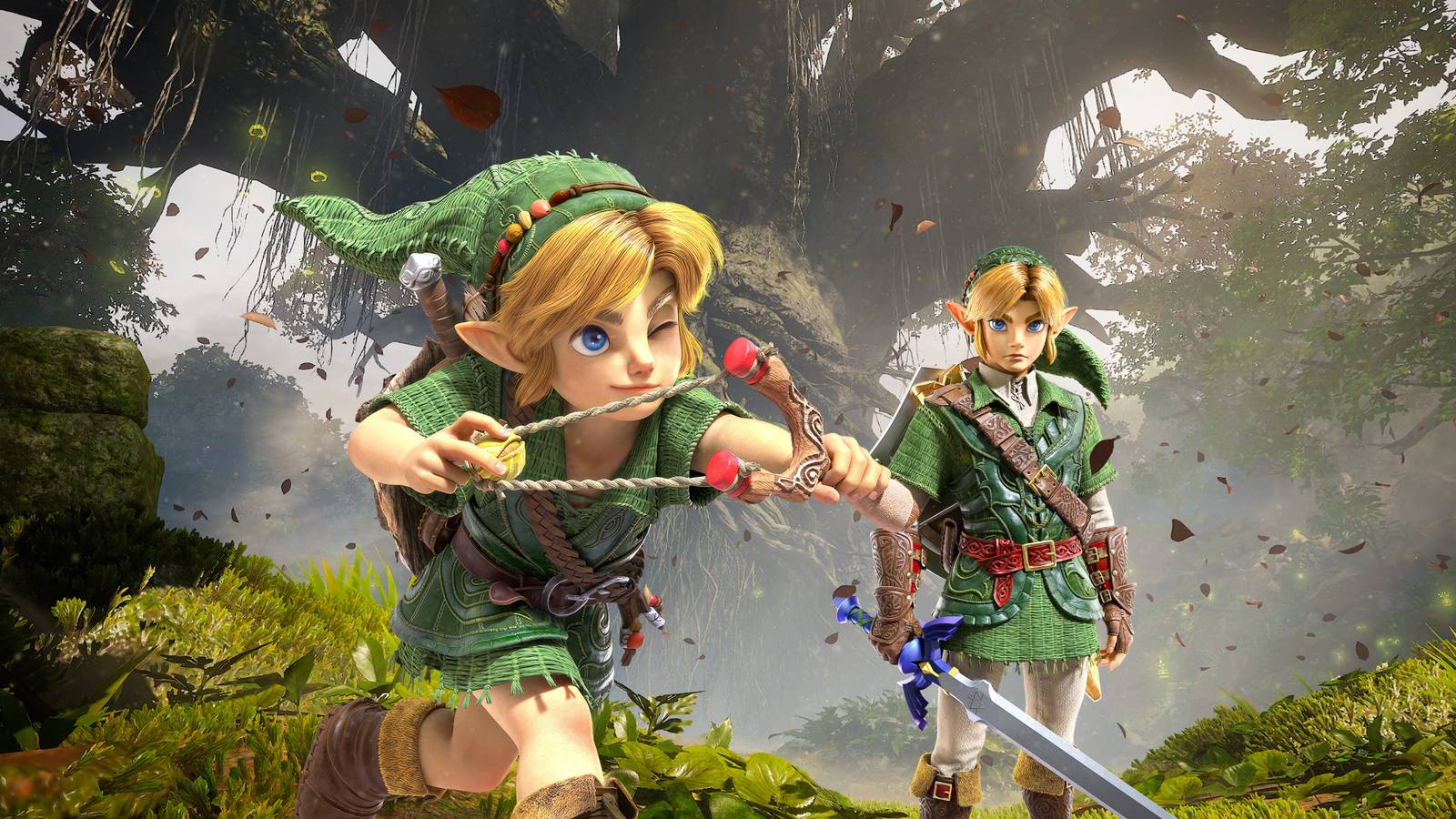
Ocarina of Time on the Switch 2 is nothing short of beautiful, with stunning visuals that bring Hyrule to life like never before. The game world is flat-out breathtaking, with a level of detail and visual fidelity that one wouldn’t necessarily expect to find on the Switch 2. Somehow, the Ocarina of Time remake presents these dramatically improved graphics while still staying true to the core of the original game’s art style and atmosphere. Sometimes with remakes, personality is lost when chasing better visuals, but Ocarina of Time on the Switch 2 has avoided that pitfall completely.
Ocarina of Time Remake is a Stunning Recreation of a Timeless Classic
Ocarina of Time remake’s jaw-dropping graphics pair well with its fantastic orchestral soundtrack. The music from the original is untouchable, so instead of throwing it away for something different, the Ocarina of Time remake breathes new life into its classic tracks. Ocarina of Time has never looked this good, and it has never sounded this good either.
Though that does bring up the first of two major downsides with the remake. While Ocarina of Time‘s music and sound effects are basically perfect, the voice acting leaves a lot to be desired. The decision was made to go with generic, over-the-top anime voices for most of the game’s characters, and while that’s fine in other games, it doesn’t fit the vibes of OoT. It’s distracting and clashes with the game’s atmosphere, with Link’s fairy companion Navi by far the worst offender.
Voice acting aside, the Ocarina of Time remake’s cutscenes are otherwise strong, recreating what we saw on the N64 with more cinematic flair. Ocarina of Time‘s story is well-paced, with the game free of the unnecessary bloat and excessive yapping that weigh down many stories in modern games.
Ocarina of Time‘s time travel gimmick helps elevate the narrative. The contrast of the bright, generally happy Hyrule through the eyes of young Link with the decimated, rotting land that adult Link has to deal with leaves an impression. Seeing what has happened to the citizens of Hyrule after years of living under Ganondorf’s thumb creates a genuine sense of despair, and makes Link’s ultimate triumph that much more satisfying. It’s one of the best stories in any Zelda game, and it gets its points across without boring the player with endless exposition and overlong cutscenes.
Link’s adventure is timeless, and that is especially evident from the impeccable gameplay. Like how the graphics were updated without losing the charm of the original, the same is true for the gameplay. The Ocarina of Time remake isn’t a 1:1 recreation, with smart Water Temple changes to make that section less frustrating and tweaks throughout to make the experience feel both familiar and fresh at the same time. The iconic Z-targeting combat and classic dungeon puzzles are all present and accounted for, but everything is undeniably smoother.
Ocarina of Time Makes Smart Changes Without Compromising the Core of the Game
One of the biggest changes is how players swap between items. Certain sections in the original game were incredibly tedious because they constantly required players to pop into the menu to swap, but the remake goes with a streamlined item menu similar to the more recent games in the series. This allows Link to instantly swap to whatever he needs, stripping away much of the unnecessary tedium that plagued the N64 original at times.
The addition of a jump button is another noteworthy change to the core gameplay. It might take veteran fans a while to get used to the lack of auto-jumping, but after clearing that hurdle, it’s hard to imagine playing OoT without it. Other quality-of-life changes, like the Threads of Time that keep track of current quests, are also very much appreciated, and should go a long way in ensuring players are never stuck for too long or miss out on the more interesting side quests.
Ocarina of Time is relatively short compared to Link’s open world adventures, and the side content is a mixed bag, just like the original. Finding all the gold Skulltulas isn’t always the most rewarding experience, but bonus tasks like hunting down the extra Heart Pieces and unlocking Epona are definitely worth the trouble.
One new addition in the remake is the Hall of Heroes, which keeps track of the monsters Link has defeated on his adventure and lets players rematch bosses. Hall of Heroes is a nice addition and offers fans something new, but those that have already completed the original game 100% may still be left feeling a little disappointed that there isn’t a bit more to find.
It doesn’t help that the Ocarina of Time remake is missing Master Quest. Master Quest is essentially a remixed version of the game that first appeared in the GameCube re-release and was later included as part of the 2011 3DS remake. The lack of Master Quest in the Switch 2 remake is easily the most baffling omission, as its inclusion would have settled any arguments about the remake being the definitive version of the game. There is some evidence in the game files to suggest that Master Quest will come back as DLC, but that is certainly not ideal.
The Ocarina of Time remake on the Switch 2 is not the most fully-featured version of the game, but it is still an absolutely incredible recreation of what some would say is Nintendo’s magnum opus. If you have already played Ocarina of Time thoroughly before, you may not be quite as blown away by the remake, but if this is your first time experiencing Ocarina of Time, it’s easily a 10/10 adventure. No matter which camp you fall in, the Ocarina of Time remake offers enough to make it a must-have for any Switch 2 owner.


- Released
-
November 5, 2026
- ESRB
-
Everyone 10+ / Animated Blood, Fantasy Violence
- Developer(s)
-
Nintendo
- Publisher(s)
-
Nintendo

- Makes clever changes without changing the core of the game
- Easily one of the most visually-stunning games made to date
- Incredible orchestral soundtrack
- Makes a classic adventure more accessible for modern audiences
- No Master Quest
- Anime-style voice acting is distracting
The Legend of Zelda: Ocarina of Time is now available for Nintendo Switch 2.