
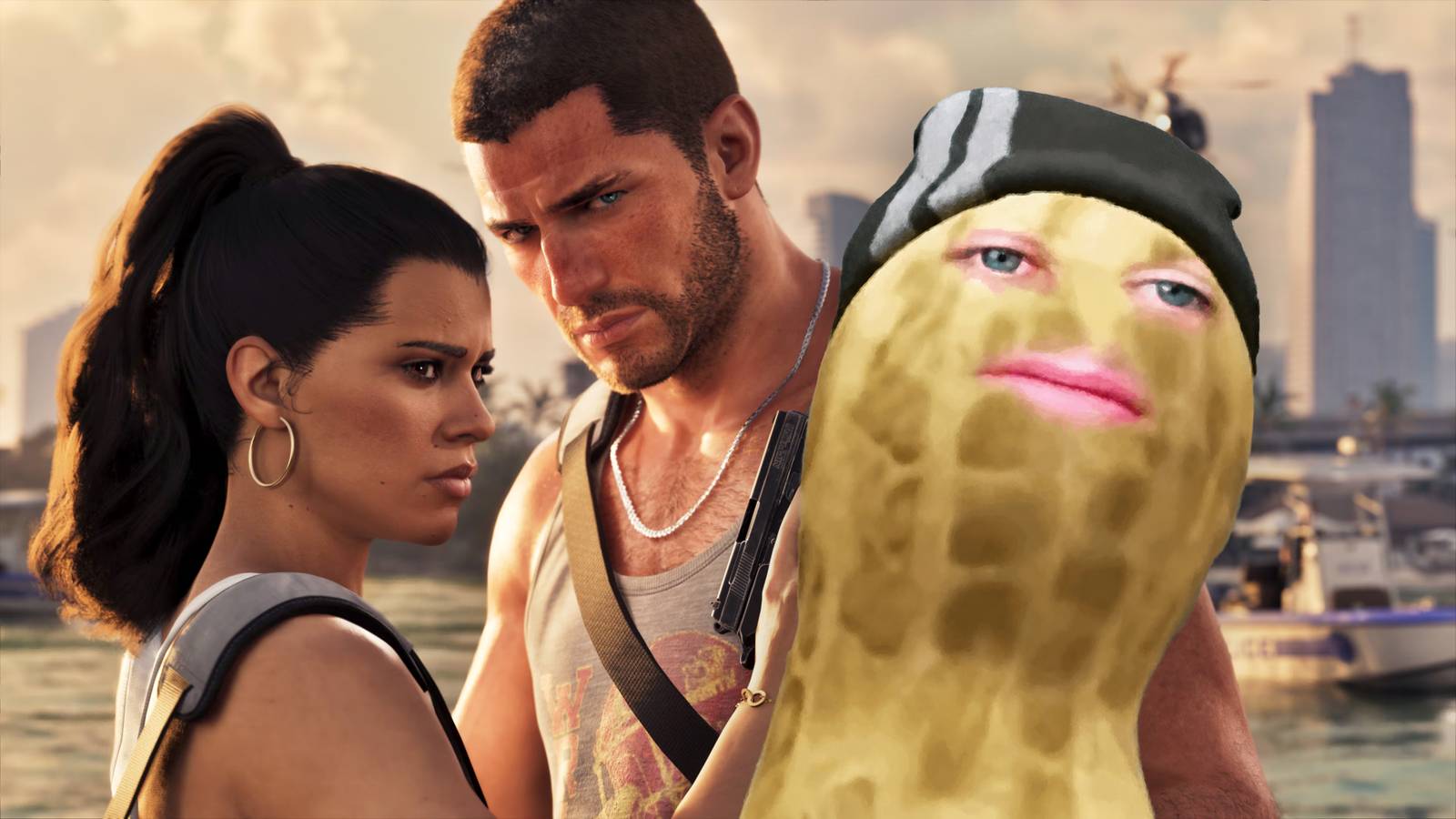



As much as I can understand some of the criticisms being leveled at Grand Theft Auto 6 right now, I don’t know that I’ve ever played another developer’s game that has made me feel quite the way I do when I’m wandering around Leonida. Interestingly enough, popular streamer TheBurntPeanut recently suggested in his review of GTA 6 that another company could have made the same game if given the time and money Rockstar supposedly had at its disposal, citing what he felt was an absence of the kind of creative vision that went into GTA 5. To be fair to Peanut, he also acknowledged several times throughout his review that he thinks GTA 6 is a great game. However, I’d argue that one of the things that makes GTA 6 so distinctly Rockstar is something the developer has been working toward since the release of Bully in 2006.
Having seen some of Peanut’s criticisms of GTA 6 throughout the last week, I actually think many of the things he takes issue with are a product of Rockstar having a rather specific vision for the game. It’s certainly a different vision from the one Rockstar had for GTA 5, and I can understand why someone who has spent the better part of the last 13 years playing that game might not be particularly fond of it. Nevertheless, much of what Rockstar has been trying to accomplish with GTA 6 can be traced back through several generations of the developer’s games, and I don’t think another company could necessarily compensate for that experience with a bigger budget.
GTA 6’s NPC Interactions Are the Product of 20 Years of Rockstar Games

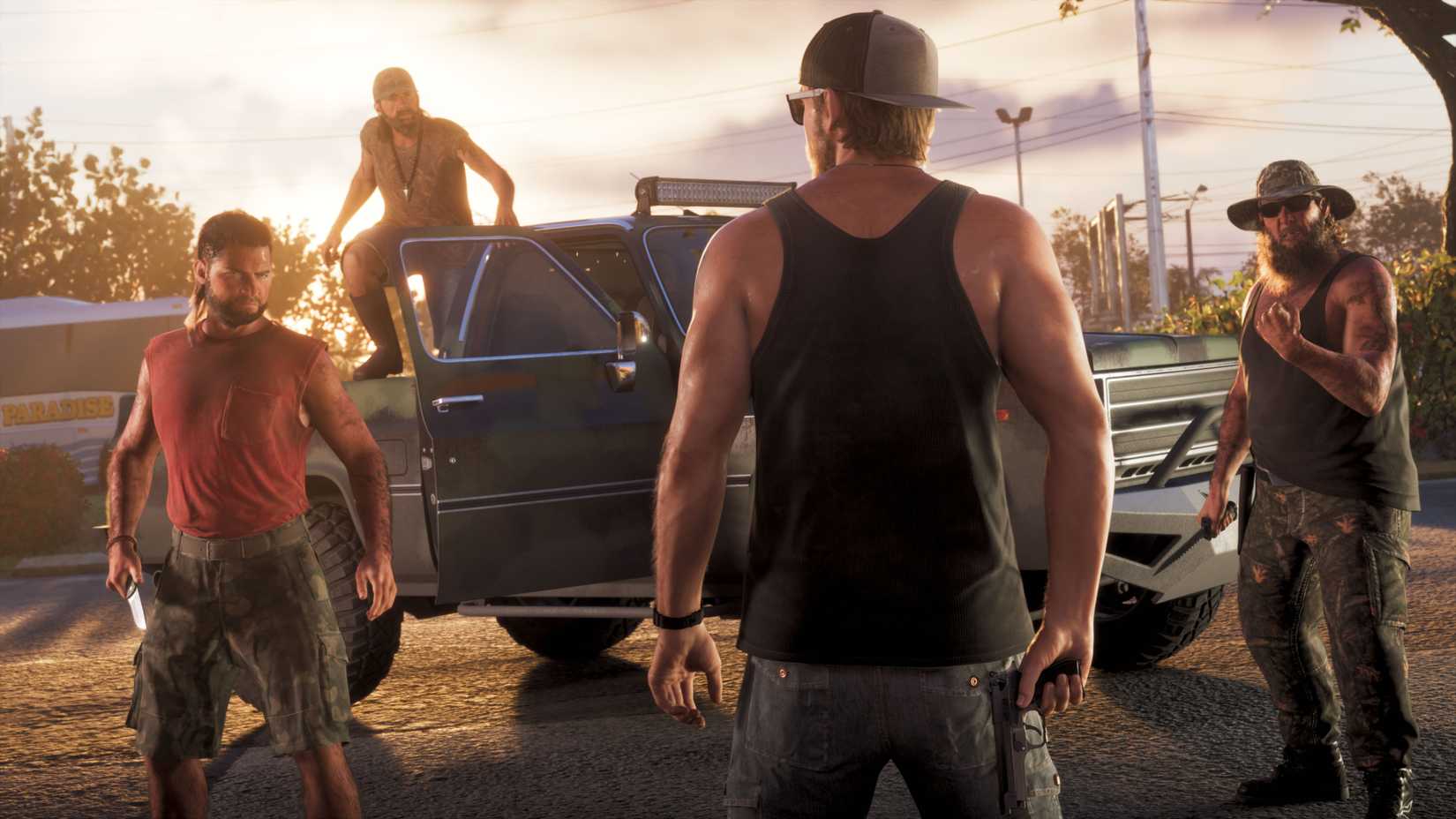
In 2006, when Rockstar released Bully, one of the more interesting things players could do as Jimmy Hopkins was interact with the other students at Bullworth Academy without necessarily getting into a fight with them. Players could be friendly or antagonistic toward other students and even apologize to them under certain circumstances, which gave them a little more control over how their encounters with those characters played out. Rockstar revisited that idea to a lesser extent in the original Red Dead Redemption before substantially expanding on it in Red Dead Redemption 2. While I’m sure plenty of developers were capable of giving players the option to greet or antagonize an NPC in 2018, I can’t think of many that gave those NPCs such a believable range of responses to the things players said to them.
CHECK IT
OUT
What’s particularly interesting about the system in Red Dead Redemption 2 is that, according to Bloomberg’s Jason Schreier, Rockstar’s VP of animation Mark Tennant had come up with a prototype for it as early as 2014 or 2015. Even then, Rockstar’s Rob Nelson saw the potential for it to fundamentally change the way players interacted with the worlds the developer created, despite some internal concerns about how much additional work implementing it would entail. In fact, Nelson revealed in an interview with IGN that, when Rockstar was working on those interactions in Red Dead Redemption 2, the team was already thinking about what it would be like to have a system like that in a modern, more densely populated world. In other words, one of the most impressive things about Vice City in 2026 was something Rockstar was envisioning more than a decade ago.
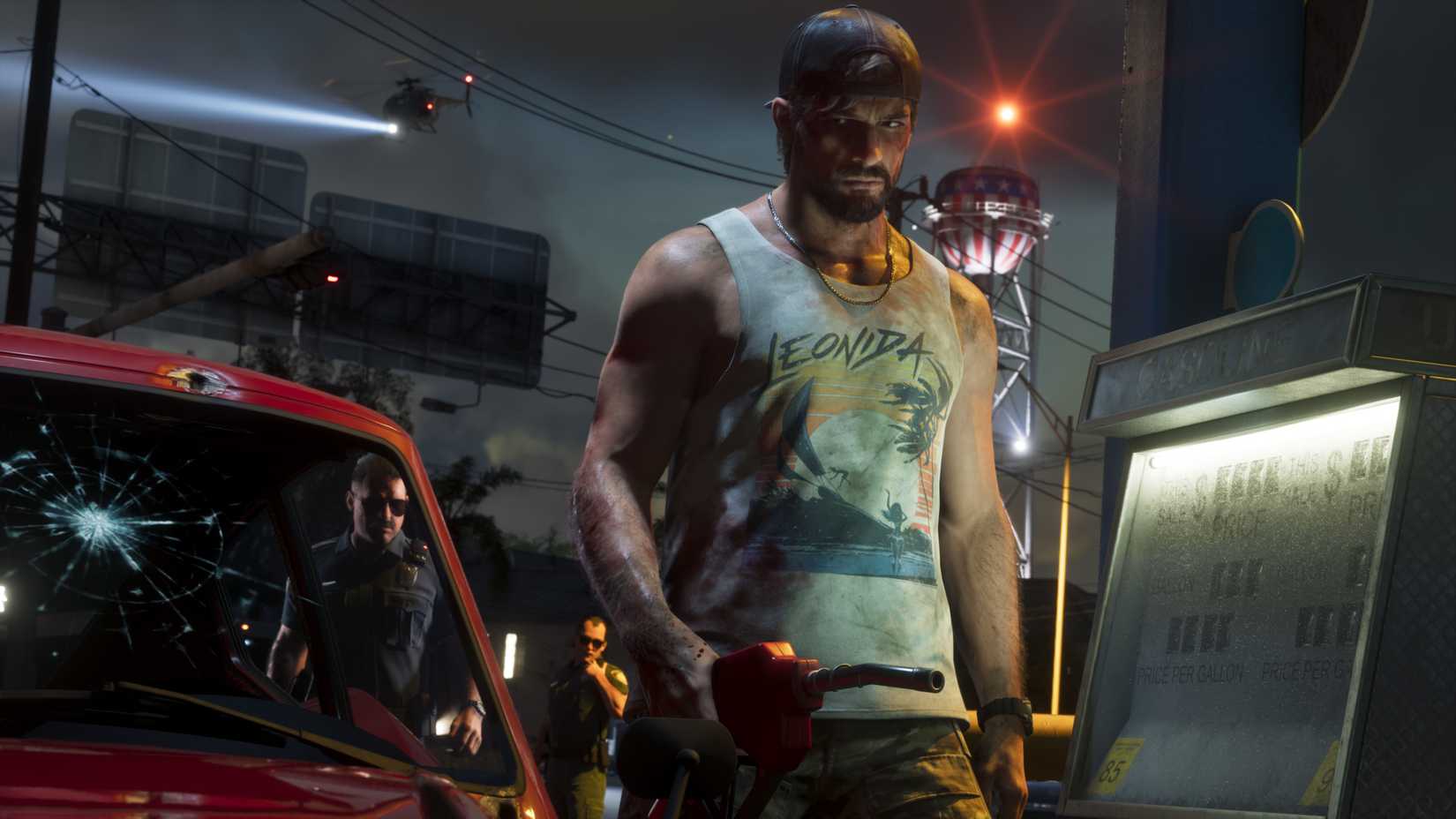
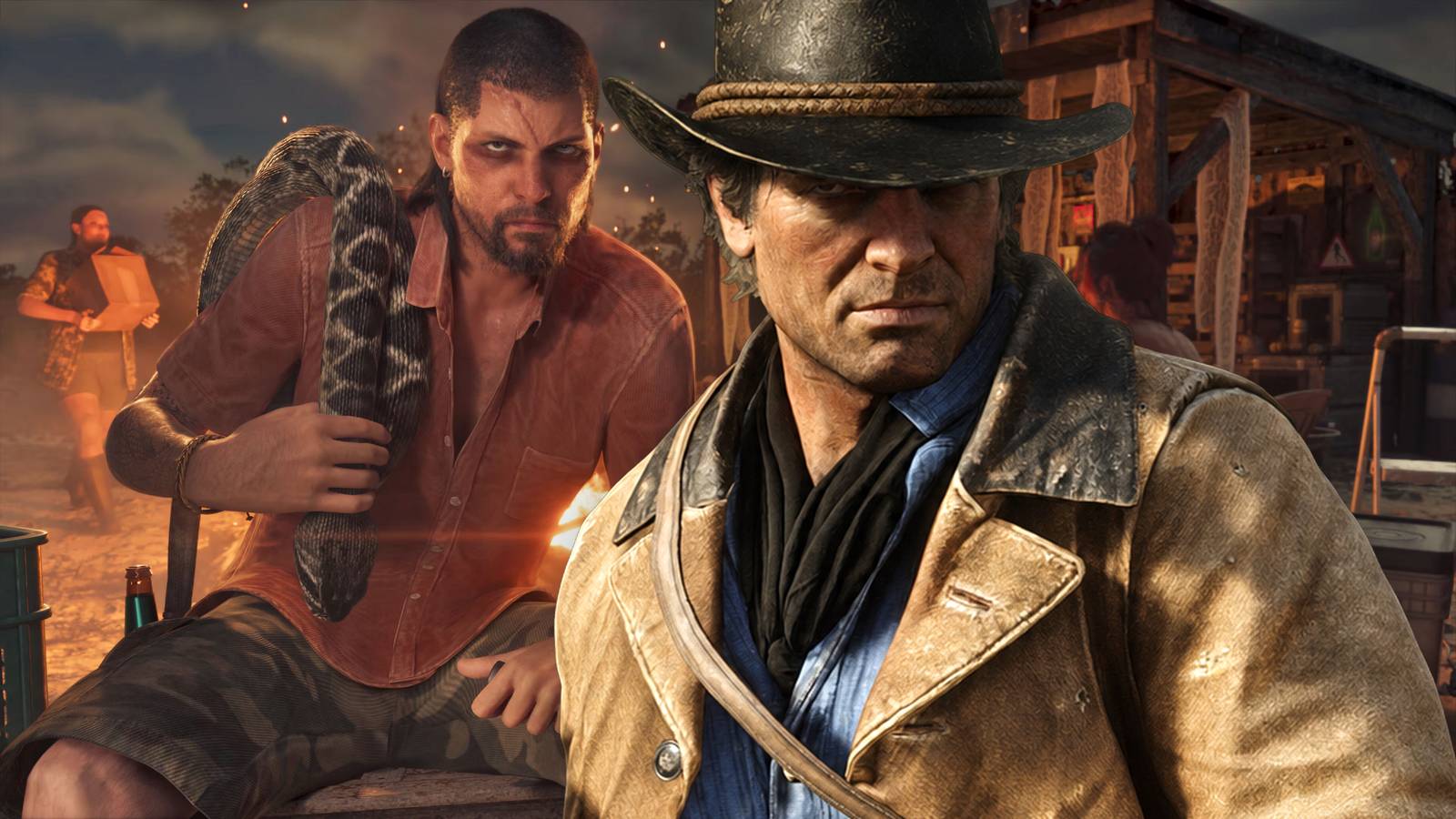
Even something as seemingly insignificant as being able to eavesdrop on a group of people in GTA 6 and having them eventually take issue with Jason or Lucia’s presence is indicative of what Rockstar learned while developing Red Dead Redemption 2. I always found it fascinating that Arthur Morgan could make someone visibly uncomfortable just by following them around for too long, and that’s a considerably more impressive thing to account for in a city as populated as Vice City. According to Nelson, Rockstar even assembled an entirely new team of writers, directors, and producers in Los Angeles to help create the sheer variety of dialogue necessary for those encounters. I would imagine a considerable portion of that dialogue will never even be heard by most players, but that willingness to account for things players might never do has arguably been one of Rockstar’s most recognizable qualities for years.
One of the things that makes GTA 6 so distinctly Rockstar is something the developer has been working toward since the release of Bully in 2006.
It’s also worth noting that Rockstar didn’t actually spend the entirety of the 13 years between the releases of GTA 5 and GTA 6 developing the latter, nor has the company confirmed the $2 billion budget Peanut referenced in his review. According to Take-Two, development on GTA 6 began in earnest in 2020, and Rockstar’s Jennifer Kolbe actually disputed reports of the game costing more than $1.5 billion (via Bloomberg). More importantly, though, I don’t think Rockstar could have made the GTA 6 we have today had it spent all 13 of those years making it instead of making Red Dead Redemption 2. There are some things Rockstar needed to accomplish in 2018 before it could accomplish what it has in 2026.
GTA 6 Having a Different Vision From GTA 5 Doesn’t Mean It Lacks One

During one of Peanut’s earlier GTA 6 streams, he expressed some frustration with how much of his first six hours had been spent running errands rather than doing some of the things he presumably spent much of his time doing in GTA 5. His frustration with the restrictions Rockstar placed on players early on in the game was also something fellow streamer HasanAbi responded to on X, arguing that those restrictions made the experience more immersive for him. I can appreciate both perspectives here, particularly since I’ve seen a similar divide among Rockstar fans over how much of what players do in Red Dead Redemption 2 is actually fun as opposed to simply being realistic. However, I also think the fact that people are having that same disagreement about GTA 6 says quite a bit about whose game it is.
I don’t necessarily think Rockstar was successful in every instance where it prioritized realism over some of the more immediate gratification its previous Grand Theft Auto games offered, and I can understand someone preferring GTA 5 as a result. However, when I consider what Rockstar wanted to do with NPCs as far back as the development of Red Dead Redemption 2, I have a hard time separating the work the developer did in 2018 from the experience it has created in Leonida. Another company could probably make a fantastic open-world crime game with the resources Rockstar has, but there’s a reason even some of the things people don’t like about GTA 6 are reminiscent of another Rockstar game.




- Released
-
November 19, 2026
- ESRB
-
Rating Pending – Likely Mature 17+