
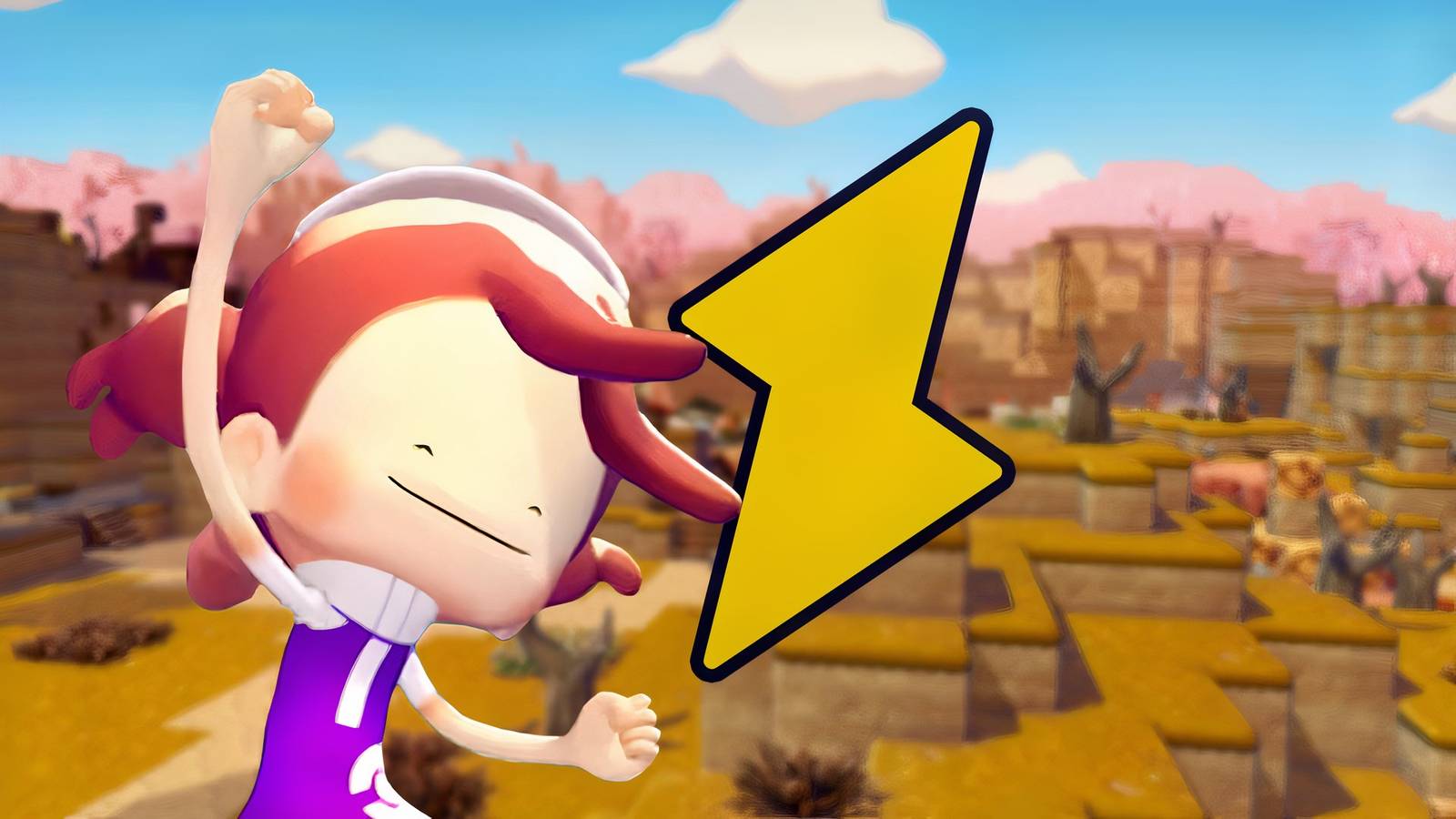


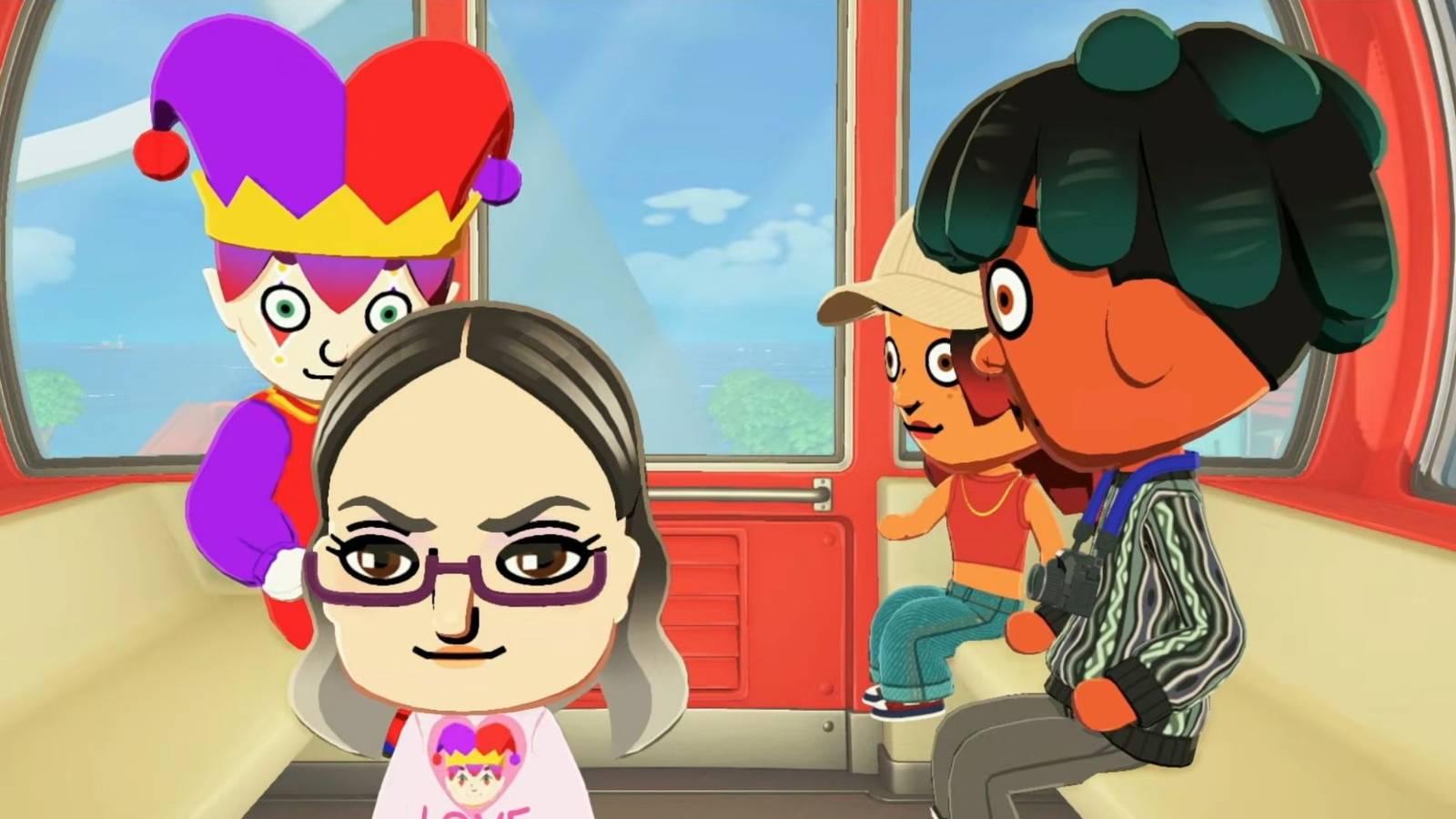
Tomodachi Life: Living the Dream won’t make use of the special 1080p Handheld Mode Boost on the Nintendo Switch 2, and for a very good reason: it doesn’t need to. Both generations of the Switch hybrid console will be able to run Tomodachi Life: Living the Dream, but Nintendo has added a special feature that should appeal to Switch 2 owners hoping for better visual appeal than what players on the original Switch are getting.
The release of Tomodachi Life: Living the Dream is set for April 16, giving Switch and Switch 2 owners a new take on the social simulation series. The third game in the Tomodachi line, and only the second released outside of Japan, Tomodachi Life: Living the Dream will bring players a lot of special features that the 2013 release on Nintendo 3DS didn’t have, including full island customization, item and clothing creation, and more expressive Miis, along with a bunch of tools and options for making them stand out from the crowd.
Tomodachi Life Fans Are Not Happy About the Image Sharing Restrictions That Will Be in the New Switch Game
Tomodachi Life: Living the Dream’s image sharing restrictions have fans upset amid excitement over features revealed at the Nintendo Direct.
Why Tomodachi Life: Living the Dream Doesn’t Support Switch 2 Handheld Mode Boost

But one feature the upcoming game won’t be making use of is the Switch 2’s Handheld Boost Mode, a special addition that was implemented in March and is designed to make older games appear in higher resolution when players are using their Switch 2 consoles in undocked mode. While the social sim game is one of the most highly anticipated first-party Nintendo titles of the year, Nintendo has now announced that Handheld Mode Boost is being left out of the finished product. Tomodachi Life: Living the Dream is not technically releasing a Switch 2 version, but Switch 2 owners will still be able to play the original Switch version, making it seem like a perfect candidate to show off the new Switch 2 feature just after it’s been activated.
Rather, the game is designed to automatically make use of the higher-resolution Switch 2 onboard screen, displaying the gameplay in 1080p on handheld as opposed to with the original Switch, on which it will still only offer a 720p resolution. Switch 2 owners have reported that Handheld Boost can make older Switch games look like remasters on the newest Nintendo console, but seeing as it’s not needed for the next Tomodachi game, whether it will even be required for any future games released specifically for the original Switch has yet to be seen.

Switch 2 owners can already get a chance to see how the 1080p resolution will make the game look through Tomodachi Life: Living The Dream‘s free Welcome Version demo, which is available through the Nintendo eShop. Like the finished game, players will not need to engage Handheld Mode Boost to see the 1080p resolution on Switch 2 screens, but the feature is still included as an option, even if it doesn’t change the resolution at all. However, it’s not recommended to play through the demo with the boost turned on, because it will disable the touchscreen features on the Switch 2. Once the full release arrives, Nintendo plans to disable the ability to turn on the boost entirely.

Fans of the social simulation series still have to wait a little bit longer for the next installment’s full release, but many are taking advantage of a special way to make the Tomodachi Life: Living the Dream demo last longer. Once players visit the Where & Wear clothing shop, the demo will technically still be playable, but all three custom Miis will stay inside their homes, refusing to interact with one another and only offering lines that instruct the player of things they’ll be able to do after the full release. To avoid reaching this point, demo players can create their third and final Mii, but they must avoid clicking on the problem bubble that appears over the first Mii’s head afterwards, as doing so will force players into the clothing shop and the beginning of the Welcome Version’s ending.


- Released
-
April 16, 2026
- ESRB
-
Everyone / Comic Mischief, Mild Fantasy Violence
- Developer(s)
-
Nintendo
- Publisher(s)
-
Nintendo