



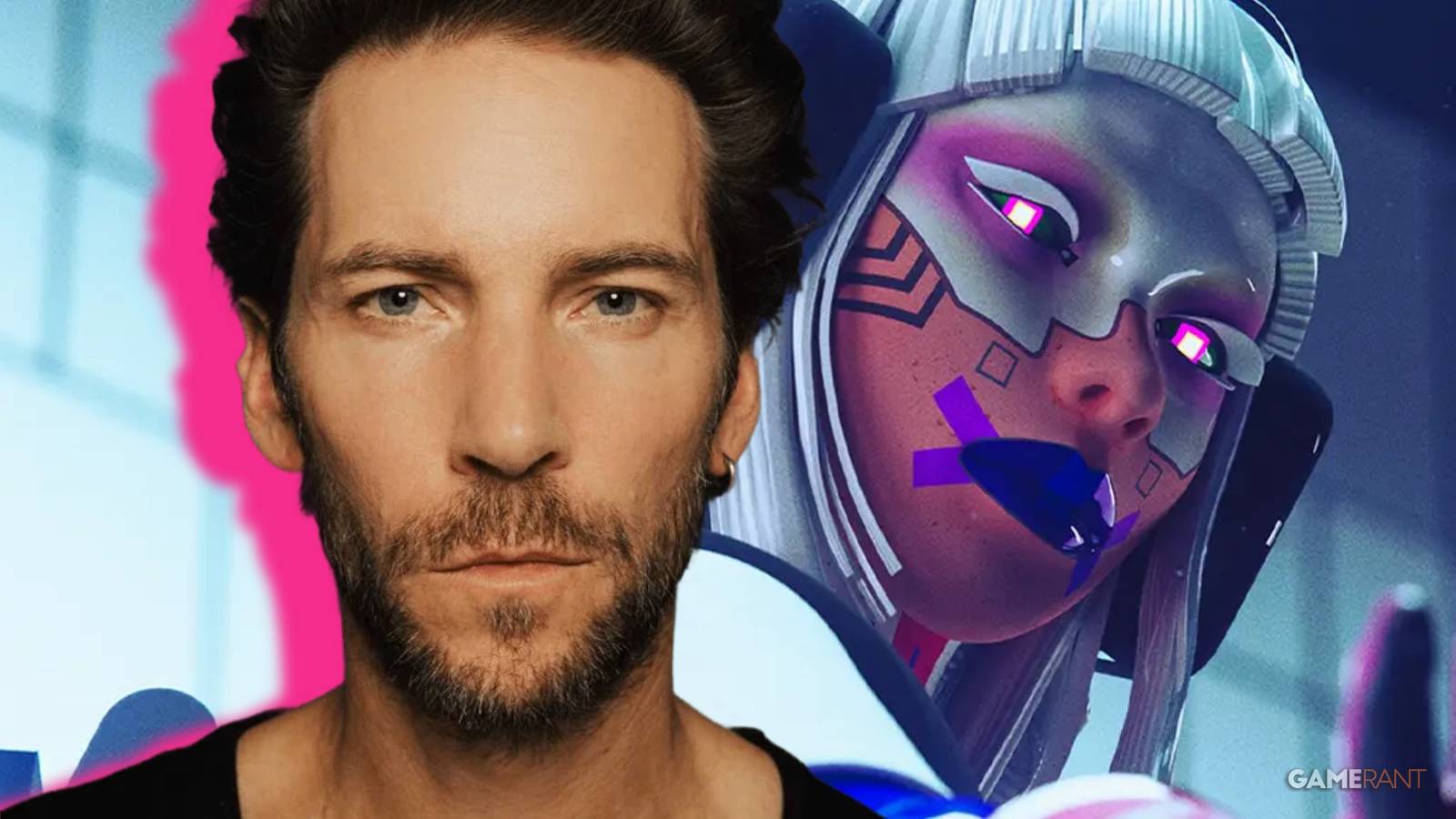
There has been an ongoing debate about whether live-service games like Marathon are hurting or helping the industry, and Troy Baker has a pretty level-headed take on the whole situation. Marathon is just one of the latest games to be put in the live-service spotlight, since it’s one of the most recent launches, but Sony’s push for more games like this instead of single-player narrative projects has many gamers feeling fatigued. I’ll admit that I’m one of the many who have become disenchanted with the live-service formula, but Troy Baker’s words have me rethinking some things.
The live-service discussion hit a new peak just recently with Bungie ending Destiny 2 and laying off a significant number of its developers. Destiny 2 has faced many problems over the years, with one of the main critiques being that its content was growing stale. Seeing Destiny 2 come to an end is incredibly sad, but it at least had a solid nine-year run that many live-service (and even non-live-service) games get to have. There are probably a variety of reasons why industry heavy hitters are still trying to keep live-service games alive, and Troy Baker believes that part of it has to do with companies wanting to keep employees on payroll for as long as possible.
Troy Baker’s Take on Gaming’s Live-Service Issue Is a Reminder That It’s a Symptom of a Much Larger Problem
As game development grows more expensive and original single-player games become a bigger risk to invest in, studios and executives have to find ways to keep employees long-term instead of on a game-by-game basis. Game development often requires a mix of full-time and contract employees working together, and it can be difficult to justify keeping people on board when there are lulls in project creation. Troy Baker had a fascinating point of view to share with Insider Gaming when it comes to the current state of the industry:
Where the industry is at… It’s trying to find ways to keep itself sustainable. I think it’s an erroneous conflation to think that everyone is these greedy fat-cats with Scrooge McDuck money bins, and they’re just swimming through their money. That’s not true. Everyone has a financial and a moral responsibility to keep the people on their payroll gainfully employed as much as possible, and trying actively to do that. If that means live-service games are how they’re trying to do that, then so be it. We’re seeing that model shift.

Find all 10 pairs
Find all 10 pairs
Regular Cover ArtClean Cover Art
When it comes to major companies like Sony or Xbox, it’s incredibly easy to point to greed as the sole reason for the live-service push. Of course, there are probably some situations where that is indeed the case, but this Troy Baker interview demonstrates how it’s not always that simple. Instead of seeing live-service games as a means to simply get more money out of gamers, Baker sees it more as a way to keep devs employed long-term.
Everyone has a financial and a moral responsibility to keep the people on their payroll gainfully employed as much as possible…
It isn’t easy making a massively successful live-service game, but it pays off in a huge way if the game is able to resonate with audiences. Games like Fortnite have been leading the live-service charge for nearly a decade now. However, the game has just recently begun to face its own struggles with player retention. Fans are losing interest in battle royale games, and while that isn’t the only kind of live-service game out there, it’s another clear showcase of how the tides seem to be turning against this model.
Baker’s words now make the downturn in live-service interest sound scary instead of something to be excited about. It puts into perspective just how many more gaming jobs will be lost if live-service titles continue to fall out of favor. The recent Xbox mass layoffs weren’t related to live-service projects, but the staggering number of employees that were let go continues a sad trend where major companies are cutting thousands of jobs. Unfortunately, many now see games industry layoffs as inevitable, and live-service could actually help keep jobs intact; at least for a bit longer.
The Games Industry Doesn’t Have to Choose a Side
Both single-player story-driven games and live-service titles can live in harmony and both be deeply beneficial to the industry. When studios shut down or games get canceled, it can be easy to point the finger at one central figure. It’s actually far more complicated, though. Even though executives can be the easiest to blame, the fact is that no one working in the games industry wants it to fail. Everyone is trying to succeed in one way or another, and there are some company leaders who think nurturing live-service projects is the key to that.
The Only Way Out Is Through
Every industry goes through highs and lows, and it can be hard to remain optimistic about gaming’s future. With rumors that the PS6 costs over $1,000 and news of Sony discontinuing disc production after 2028, I and many others are having a hard time shaking the feeling that the industry we have loved for so many years is slipping away. It’s important to remember that these are growing pains. The decisions made to steer the industry into the future may not always sound promising, but gaming companies want a healthy environment to work in just as much as customers do.
So, this era of gaming hopefully brings both companies and gamers into a much stronger and healthier era. The supply issues caused by the COVID-19 pandemic threw a massive wrench into what this console generation could have been, and the next chapter could be a chance for newfound excitement. Sony’s live-service plans have struggled to take off, but upcoming projects like Horizon Hunters Gathering and Fairgame$ will hopefully help keep its developers around for years to come, while major single-player games have just as much space to thrive.
It’s impossible to predict the industry’s future, but Troy Baker makes a good point. Live-service doesn’t always have a foundation based on greed. The model offers devs the chance to potentially have years worth of work to look forward to, and that’s a pretty big upside in an industry that has been sailing in uneasy waters as of late.

- Released
-
March 5, 2026
- ESRB
-
Teen / Animated Blood, Language, Violence, In-Game Purchases, Users Interact