




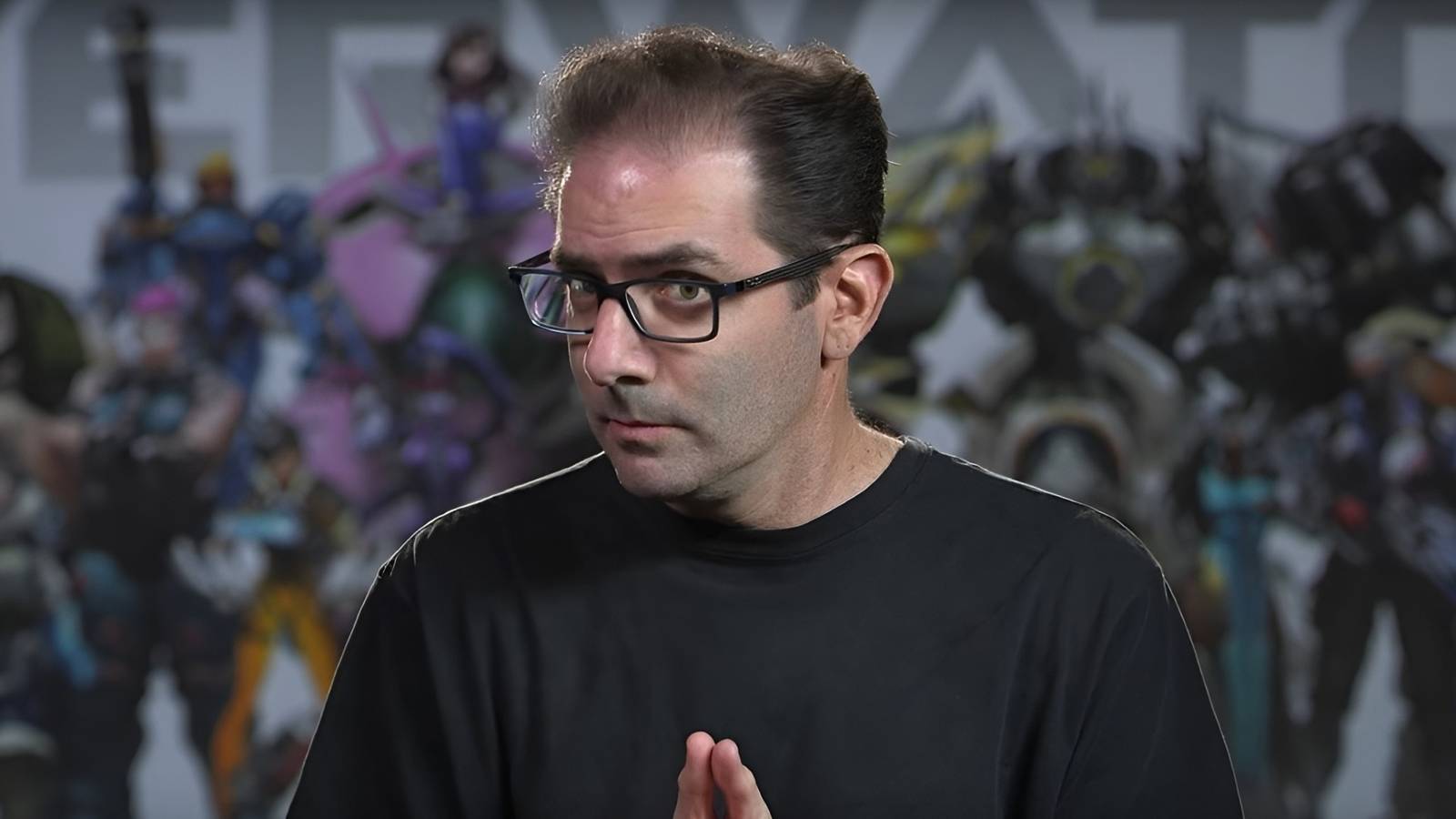
Ex-Overwatch Director Jeff Kaplan has revealed he left Blizzard after being threatened with layoffs. News of Kaplan’s departure from the company shook the gaming world back in 2021, and a lot has changed since then, including Microsoft’s acquisition of the company and the debut of a second Overwatch game. Now, five years later, the former Blizzard dev has shed light on why he decided to resign after so long.
While Overwatch 2 faltered a bit at launch, it managed to grow beyond the shadow of its predecessor over time. Blizzard’s genre-defining hero shooter has had a particularly strong showing in 2026, thanks to a large Overwatch rebranding effort that dropped the “2” from its title, added new heroes, and reworked its approach to seasonal content. So far, the strategy seems to have paid off, but that’s not to say everything has always been easy for the series, and Kaplan has now offered a behind-the-scenes look at some of the conflict at Blizzard before the second Overwatch came out.
It’s Official: Overwatch Has Beaten Marvel Rivals
Blizzard’s original breakthrough hero shooter returns to the throne as it officially surpasses its Marvel-themed competition.
Former Overwatch Director Jeff Kaplan Left Blizzard Over Layoff Threats
In a recent interview with Lex Fridman, Kaplan explained how a tense conversation with the company’s CFO at the time would ultimately lead to his departure from Overwatch and Blizzard in 2021. Kaplan says he was called into the CFO’s office and told that Overwatch needed to make a certain amount of money in 2020, then continue to hit a given revenue target for every subsequent year, or else Blizzard would lay off 1,000 people. Beyond the layoffs, the CFO reportedly told Kaplan these firings would be on him, and that threat “broke” the Overwatch Director and drove him to hand in his resignation. According to Kaplan, that CFO is no longer at Blizzard, but the damage was done.
Drag weapons to fill the grid
Drag weapons to fill the grid
EasyMediumHard
Kaplan would not be the last employee at Blizzard to push back against the threat of layoffs. In 2025, Overwatch developers formed a union after several years of controversies at the studio and, most prominently, Microsoft’s mass layoffs in 2024. Nearly 2,000 Blizzard devs were let go during Microsoft’s buyout of the company, and layoffs like this are unfortunately common throughout the gaming industry, not just at Blizzard. Kaplan points out that the increasing involvement of investors puts more pressure on teams to deliver positive financial returns. While Kaplan mainly explained how this investor pressure affected development and content goals, it’s easy to see how it may also raise the threat of firings if a game is not performing to the level some may expect.
While the layoff ultimatum may have been the straw that broke the camel’s back, Kaplan talked at length about the failure of the Overwatch League. Blizzard ultimately shut down Overwatch League in 2023, and now Kaplan explains how the competition was a massive resource drain, which hindered the development of the second Overwatch. While the League started with “the best intention,” the team “over-marketed” it, drawing more investor attention, which, in turn, made it increasingly hard to justify its rising spending in comparison to its returns. It may not have been what drove Kaplan away from Blizzard, but the turmoil doesn’t seem to have helped.

Kaplan says he “believed in Overwatch 2” and believed in the League, but between the missteps in development and the ultimatum from the CFO, things reached a point where the designer no longer wanted to be part of the company. The ex-Overwatch Director leaves behind a legacy of significant contributions to Blizzard over his 19-year tenure, and now he has turned his eyes toward The Legend of California, the debut game from his new indie studio, Kintsugiyama. Overwatch has largely recovered from recent valleys, too, even if it’s not the iteration of the game Kaplan says he envisioned.

- Released
-
August 10, 2023
- ESRB
-
Teen / Violence, Blood, Mild Language, Use of Tobacco, Users Interact, In-Game Purchases (Includes Random Items)