



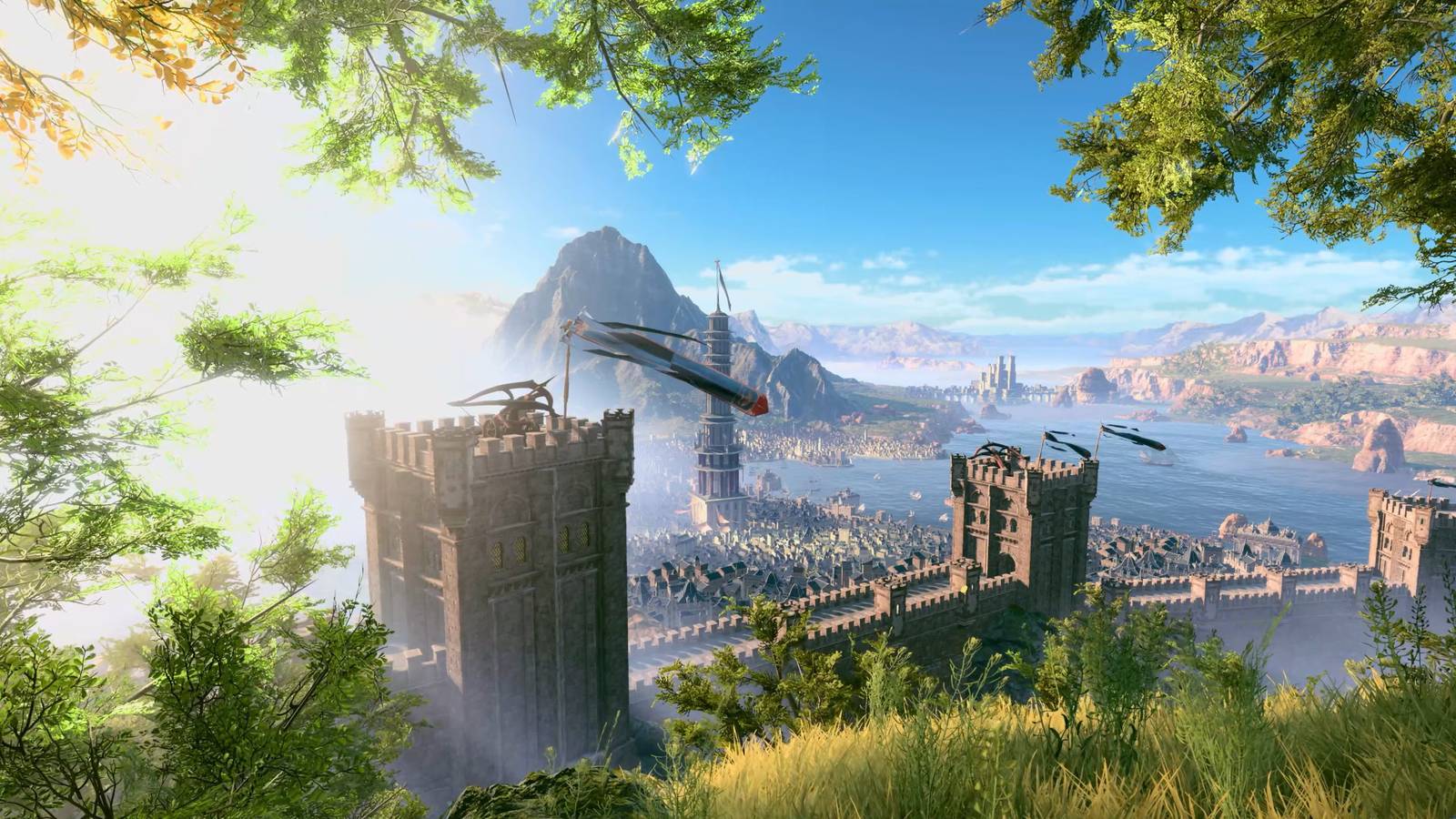
Baldur’s Gate 3 is the kind of game that feels almost impossible in scope. It’s a game that trusts players to make decisions that matter and then actually follows through on them. Every time I boot it up, I’m reminded of how rare that is. This is a game that hands over its story and says, “Go ahead. Break it. Shape it. Make it yours.”
For the most part, the design philosophy behind my favorite game works wonderfully. Baldur’s Gate 3 thrives in the space between player agency and narrative control, giving players an almost overwhelming amount of freedom while still delivering something cohesive and bewildering. But the balance isn’t always perfect. In trying to account for everything a player could do, and having said player grow accustomed to that promise, the game sometimes struggles to give equal weight to everything it should.
What Baldur’s Gate 3 Fans Should Know Before Playing Dungeons and Dragons for the First Time
Baldur’s Gate 3 fans have a head start in D&D, but the transition isn’t seamless, with differences in rules, roleplay, and mindset.
What Baldur’s Gate 3 Excels At: Player Agency and Narrative Control
Player Reactivity is Where Baldur’s Gate 3’s Narrative Is at Its Best
Gamers know that even the best RPGs funnel them into choices. The gentle nudge toward an implicit story path ranges from subtle but restrictive to outright confining. Baldur’s Gate 3 broke the mold by offering the player something quite novel: respect. You’ve probably heard that Baldur’s Gate 3 offers the player uncharted freedom to approach dilemmas creatively, and that’s correct. However, the most important aspect of this newfound freedom is respect—respect for the player’s thought process, whims, and expectations for their journey.
Scratch & Peek

Identify the cover art while scratching off as little foil as
possible.

Identify the cover art while scratching off as little foil as possible.
EasyMediumHardPermadeath
- When you kill an important NPC in BG3 prematurely, the game responds in kind with a failsafe or alternative routes to account for your actions.
- Resolving encounters in BG3 through stealth or persuasion without combat is a preferred route for many players, including boss battles.
- Entire quest lines can be abandoned, rewired, and solved creatively.
- Companion approval or disapproval can not only shape your camp experience, but can also influence outcomes for plot lines, quests, and romances.
Environmental and Systemic Freedom Reinforce Player Agency in BG3

In RPGs like Mass Effect, a player follows the breadcrumbs toward a fixed goal. They accept a mission, land on a planet, and shoot their way to the objective. Meanwhile, Baldur’s Gate 3‘s design philosophy undertakes a “yes, and” approach. Instead of laying the bait, it encourages the player to explore freely. Whether this exploration leads the player to encounter the consequences is a surprise.
- Non-linear quest designs mean that some players may bump into a Zhentarim’s hideout before knowing about the smuggled object they’re looking for—just like in the real world. With multiple solutions, naturally, come multiple entry points. They’re never blocked off from exploration except for the rare, point-of-no-return areas that usually progress the story forward. The game will also warn you against approaching these areas prematurely, which is a considerate touch.
- Physics-based problem-solving still shocks even the most seasoned of players. Knocking down a statue at an opportune moment, risking precious action economy to shove an enemy toward their doom, or playing with the terrain are all part of the experience.
- Have a weird idea like poisoning a bubbling pot or placing explosives next to what’s clearly a BBEG you haven’t talked to? The game will likely respond in kind.

Video Game Romances Better Than Astarion’s From Baldur’s Gate 3
BG3’s Astarion is everybody’s favorite elf vampire, but is he actually the best romantic partner in gaming?
Did Baldur’s Gate 3 Get Some Things Wrong?
Narrative Control Slips in Baldur’s Gate 3’s Act 3, Making Player Agency Feel Constricted
The narrative urgency of Baldur’s Gate 3‘s Act 3 hits the player all at once, but the content that should span two acts gets shoved into a box that refuses to breathe. What comes of it is an Act that feels both urgent yet flexible, stressful but leisurely, and fleeting yet ever-present. These dichotomies do not serve the game’s tone. In fact, it supports the argument that the tight narrative ship goes from smooth sailing to crashing.
-
BG3‘s Act 3 is an overstimulated player’s nightmare:
- Too many BG3 quest lines get unlocked at the same time.
- With so many quests unlocked, which ones do you prioritize?
-
Urgency vs. reality in BG3:
- The world is on fire. The narrative tells you that the end is nigh. The city feels, if you look closely, on the brink of collapse.
- The same game will give you 25 quests within the span of two hours. Then, the realization sets in: time is, indeed, not running out.
- Player freedom turns into narrative sprawl/
Companion Arcs Can Feel Narratively Uneven

Part of Baldur’s Gate 3‘s magic is that its companions feel alive. They respond to decisions and evolve based on how the player engages with them. However, that same flexibility can make their arcs feel uneven. Of course, the player can simply miss critical content, but the truth of the matter is that not every companion was given the same narrative room to breathe.
Character arcs, like Shadowheart’s and Astarion’s, were designed to hit emotional beats at carefully placed moments in the journey. The payoff feels deeply personal, no matter how it resolves. Then, the story requests the player to have similar reactions to Gale or Wyll. These BG3 companions have all the right ingredients on paper. In execution, though, they feel rushed or incomplete.

Baldur’s Gate 3: Best Quest Order In Act 3
Act 3 is the final act of Baldur’s Gate 3, and this is the recommended order to complete all of the Act 3 related quests in.
While characters like Astarion have tasks to progress his story in every Act, the affected characters feel sidelined for entire Acts. Inevitably, key moments in arcs can come and go without impact.
- Narrative imbalance highlights one of BG3‘s quieter issues: when a game is built to accommodate so many player-driven outcomes, not every story will get equal attention.
Baldur’s Gate 3 Is a Balancing Act That Works Beautifully
Even with some inconsistencies, Baldur’s Gate 3′s balancing act is a stunning success. If anything, its flaws are a natural result of aiming higher than most RPGs attempt. It would have been easier to streamline companion stories, to limit player choice, and to ensure that every arc landed with consistent precision. Yet, that’s not the game Larian Studios wanted to make. I’m glad it isn’t.
For every uneven arc or pacing hiccup, there are dozens of moments where the game feels alive. These are moments when a decision spirals into the unexpected, when a companion reacts in a way that makes a player gasp, when the story bends just enough to remind me that this game is mine. This playthrough is mind. I’ll take a slightly uneven story that feels like it belongs to me over a perfectly polished one that doesn’t—every single time.

Baldur’s Gate 3

9/10
- Released
-
August 3, 2023
- ESRB
-
Mature 17+ / Blood and Gore, Partial Nudity, Sexual Content, Strong Language, Violence