


After the release of LEGO Batman: Legacy of The Dark Knight in May 2026, I’ve been thinking about what this arrival could mean for the future of LEGO games, and whether it signals the beginning of a brand-new era for the series.
That doesn’t make the classic LEGO game experience any less special. There is something irreplaceable about playing local co-op with friends or family, sharing a bag of chips, and arguing over who gets to play as your favorite character. Looking back at the history of LEGO games, though, it’s surprising just how many great adventures have gradually faded from the spotlight. Some were ambitious, some tried something completely different, and others simply arrived at the wrong time. Yet all of them deserve another look.
GameRant may earn an affiliate commission from links on this page.
LEGO Rock Raiders
A LEGO Mining Adventure
When I look back at the history of LEGO games, Rock Raiders stands out as one of the series’ most unusual experiments. Released long before LEGO games settled into the action-adventure formula they are known for today, it combined exploration, resource management, base building, and strategy into an experience that felt completely different fromLEGO Star Wars.
There was something genuinely satisfying about building up your base, managing your Rock Raiders, and venturing into dangerous underground environments in search of resources. It may not have the name recognition of some of LEGO’s later games, but its willingness to try something so different makes it one of the franchise’s most fascinating forgotten entries.
LEGO City Undercover
LEGO’s Original Open World

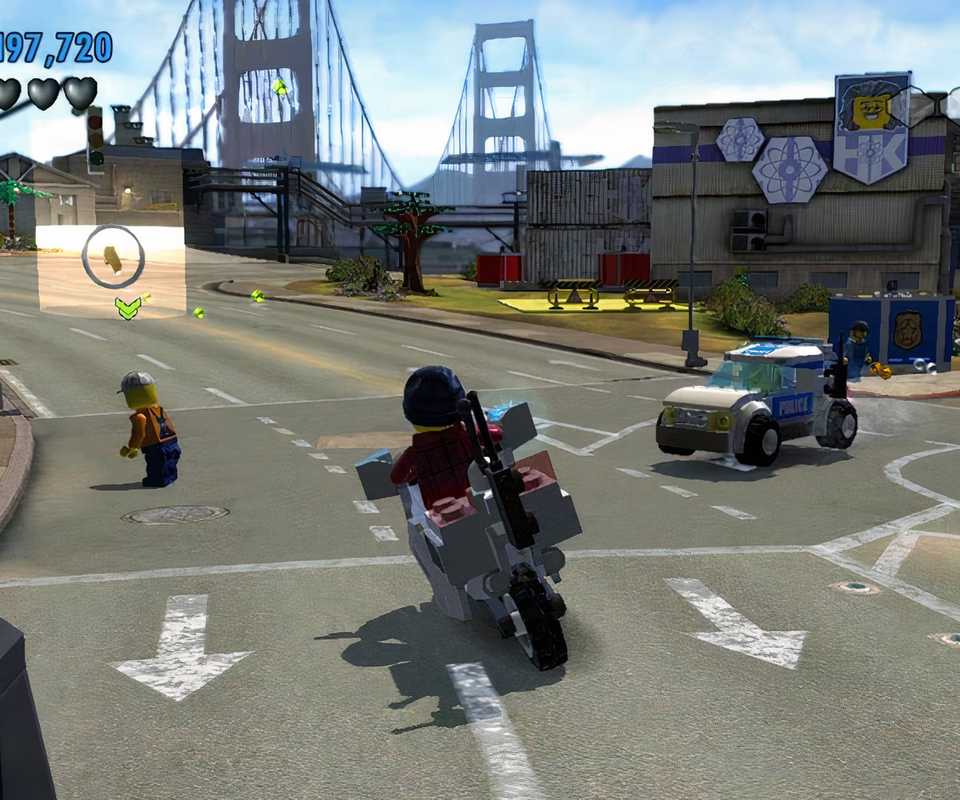
LEGO City Undercover is another game I think deserves far more attention when looking back at LEGO’s history. Rather than adapting a famous movie or established franchise, it created an entirely original LEGO world, filling it with a huge city to explore, memorable characters, vehicles, disguises, collectibles, and the kind of goofy humor that made the classic games so charming.
Playing as Chase McCain also gave the game its own identity, with his disguises opening up new areas and abilities as you explored the city. With LEGO continuously exploring bigger, more ambitious worlds, City Undercover was an early example ofhow much potential the formula had beyond licensed franchises. A Switch 2 version seems unlikely, but it would be great.
LEGO Dimensions
LEGO’s Ultimate Crossover
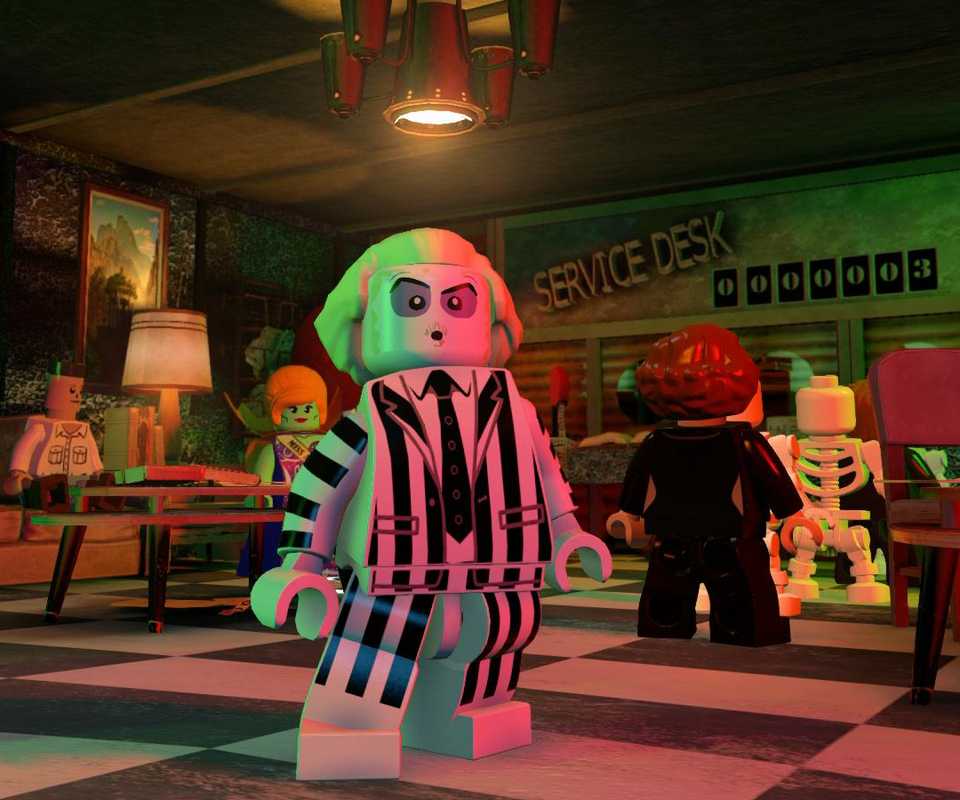
LEGO Dimensions is one of the LEGO games I have particularly fond memories of. I used to play it with my brother, and the toys-to-life concept made the game feel different from anything else in the series, as we could physically build the LEGO characters and vehicles and then place them on the Toy Pad to bring them to the game.
Its enormous crossover roster also meant we could jump between worlds from The Lord of the Rings, Doctor Who, The Simpsons, Scooby-Doo, and many more. Looking back, it feels like one of the most ambitious (and expensive) LEGO projects ever made, which makes it a shame that the physical expansion line was eventually discontinued. One day, we might hopefully see the return of LEGO Dimensions.


Find the odd one out before the timer hits zero.
LEGO Battles
LEGO Goes to War


LEGO Battles is another game I think should become part of the conversation again, especially because it arrived at a time when medieval games were having a real moment in the 2000s. Released for the Nintendo DS in 2009, it took LEGO’s familiar worlds and turned them into a real-time strategy game. You could command armies, gather resources, and battle across different LEGO themes.
The medieval-inspired Castle campaign fit particularly well with the era’s fascination with castles, knights, and fantasy adventures, while the Pirates and Space campaigns gave the game plenty of variety. Overall, it was such a different take on what a LEGO game could be, and I think that’s part of what makes it so easy to appreciate today.
The LEGO Ninjago Movie Video Game
LEGO’s Most Unexpected Combat
The LEGO Ninjago Movie Video Game turned out to be far more dynamic than most people expected, and honestly, I loved it. At first, it seemed like another one of the many LEGO movie tie-ins, but once I started playing, the combat immediately stood out to me.
The fighting felt faster and more involved, while the different abilities and upgrades gave me a reason to experiment with the characters rather than simply swapping between them when a puzzle required it. I also relished having larger areas to explore, with plenty of collectibles and challenges tucked away. Looking back at it now, I’m surprised by how little I hear people talk about it, because it feels like one of those LEGO games that deserves to be remembered.
Special mention to LEGO Ninjago: Shadow of Ronin, a handheld game that’s also largely forgotten. It isn’t as good as the home console entry, and falls short of perfection by quite a bit, but it is pretty fun.
LEGO Alpha Team
A LEGO Puzzle Adventure

LEGO Alpha Team is one of those games that nobody seems to talk about anymore, which is strange considering how much personality it had. Released in 2000, it took LEGO’s original Alpha Team characters and turned them into a puzzle-focused adventure filled with gadgets, traps, and environmental challenges.
What I like about it is how different it feels from the LEGO games that would eventually become the norm. Rather than simply smashing through everything in sight, you could actually think about how to get through each level and make use of different characters and their abilities. It has the unmistakable early-2000s LEGO charm, and looking back, that’s exactly what makes it so memorable.
LEGO The Hobbit
Middle-earth in LEGO Bricks
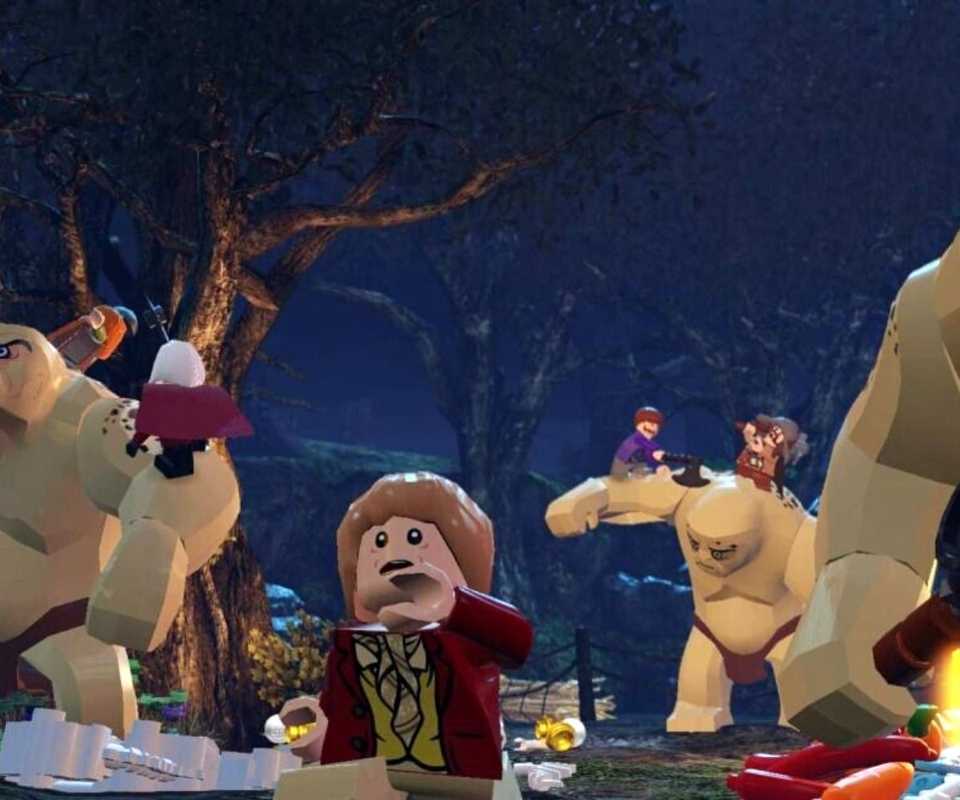
LEGO The Hobbit holds a lot of nostalgia and honestly deserves far more appreciation than it gets. I remember loading it up and being genuinely amazed by how good Middle-earth looked in LEGO form, especially when moving from the bright, peaceful Shire into the darker and more dramatic locations from the movies.
The game lets you spend ages wandering around, smashing objects, collecting studs, and taking in all the little details packed into the environment. Seeing such a huge fantasy world recreated out of LEGO bricks felt satisfying and magical, and it captured that same sense of adventure that made LEGO Lord of the Rings so memorable for me. It’s a shame that LEGO: The Hobbit doesn’t seem to get nearly the same affection, particularly because the unfinished story meant we never got to see the full Hobbit trilogy adapted.