








Roguelikes have become one of the most popular genres around, but it is far from easy to stand out from the crowd. There are a lot of deck-builders, bullet-hells, shooters, and more that follow similar roguelike formulas and progression loops, yet occasionally, you get a really interesting concept that makes each run all the more rewarding to play.
To achieve that level of satisfaction and engagement, these games offer you cool routes forward that can be accessed either outside of the runs or at some point in the middle of one, transforming how the experience plays out every time you load it up. It doesn’t matter if it’s building a castle or slowly delving deeper underground; they show that roguelikes can be far more engaging for those willing to grind out dozens of extra runs.
Mewgenics
As Crazy As It Sounds
Details:
- Breeding cats and constructing a house over time
- Successful runs directly impact future ones
Mewgenics comes from the crazy mind of Edmund McMillen, and you can see a lot of his whimsical ideas in virtually every aspect of the game, from the design to the progression. At a basic level, you choose up to four cats to take on a wild adventure through sewers, deserts, and even to the moon, and once you return, you can then use any surviving ones to breed even stronger ones.
What makes the progression so unique is how many different paths forward there are, as strong living cats can provide great starting points for breeding, while weaker ones can be thrown into a fighting room, used as guinea pigs for mutations, or tossed away entirely, which still gives you a tangible reward. There’s a reason it is one of the highest rated games of 2026, and after 200 hours, I am still itching for more.
Cult of the Lamb
A Cult Won’t Run Itself
Details:
- Combines roguelike combat with settlement management
- Progression systems tie into each other
Cult of the Lamb breaks the norms of the roguelike space by splitting the experience between dungeon crawling and managing a growing cult. Every crusade into the game’s randomly generated areas provides resources, followers, and materials that can be brought back to the settlement, where they unlock everything from buildings to decorations, altering how you deal with the cult and the adventures that follow.
The clever part is how these systems constantly reinforce each other. Stronger followers and better facilities make your future runs easier, and in turn, those further crusades bring with them more resources, creating a nice loop of progress that extends far beyond numbers on a character sheet, whilst also giving you a tangible sense of improvement due to the growth of the cult itself.
Binding of Isaac: Rebirth
Much More Than Just A Basement

Details:
- Individual character unlocks and conditions
- Extensive progress forward
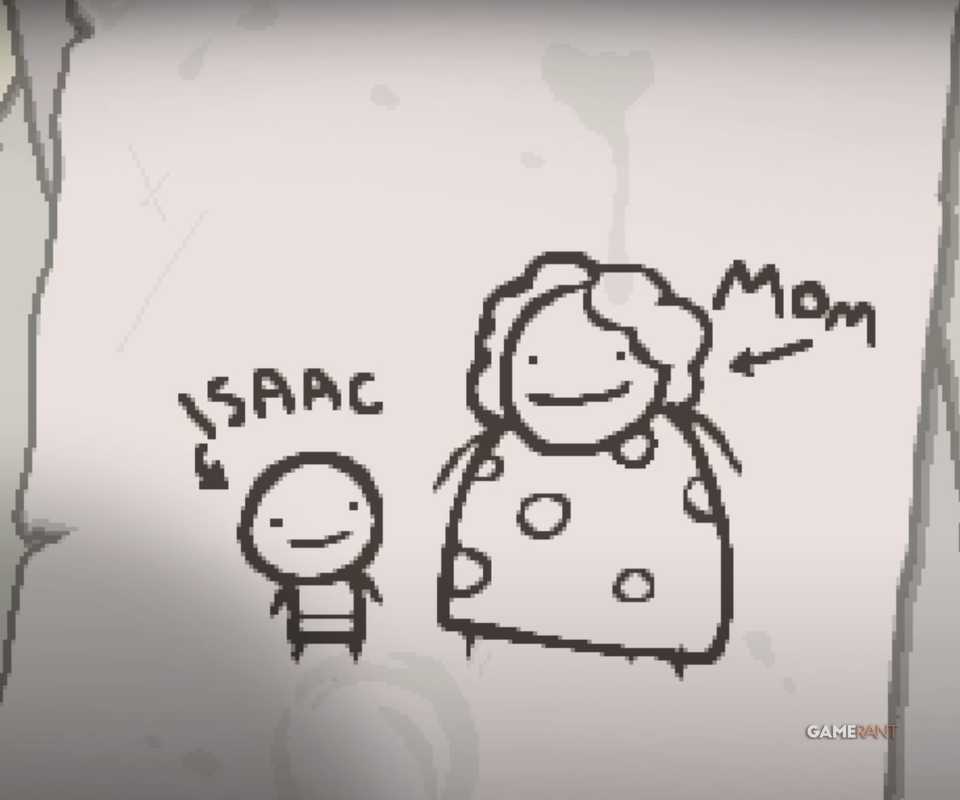
The Binding of Isaac: Rebirth is for many the peak of what a roguelike can be. Every run starts with nothing but the basic stats and abilities of the character chosen, and from there, you can basically dive as far into the depths below as your skill and luck allow, until reaching one final battle.
However, your progress is directly tied to which bosses you have beaten with which characters, as well as which items you have used, and with over 1000 different unlocks to find, it feels like every run is full to the brim with achievements and additional steps of progression. And, with 22 distinct endings thanks to the DLC packs, I would say it can take the average player upwards of 100 runs to see even a small percentage of the content on offer.
Returnal
Every Death Brings Meaning

Details:
- Story unraveled through death
- Previous areas become more accessible over time
Shooters and roguelikes cross paths quite often, but the best of the bunch has to be Returnal. Playing as Selene, an astronaut who crashes on an alien planet, you find yourself stuck in a perpetual loop of death and suffering that seems to have no escape aside from repetition.
Failure is a common part of any roguelike, but Returnal ensures that death feels both permanent yet meaningful at the same time by adding little story snippets and meaningful progression leaps to keep you moving forward in every single run. And, unlike a lot of other games in the genre, once you make it far enough, you can actually jump ahead to the next section, or go back later like I did and explore with some newfound abilities that open up the procedural maps even more.
Loop Hero
The World Evolves With You
Details:
- Environment opens up rather than just upgrading your stats
- Each expedition provides resources for permanent improvements
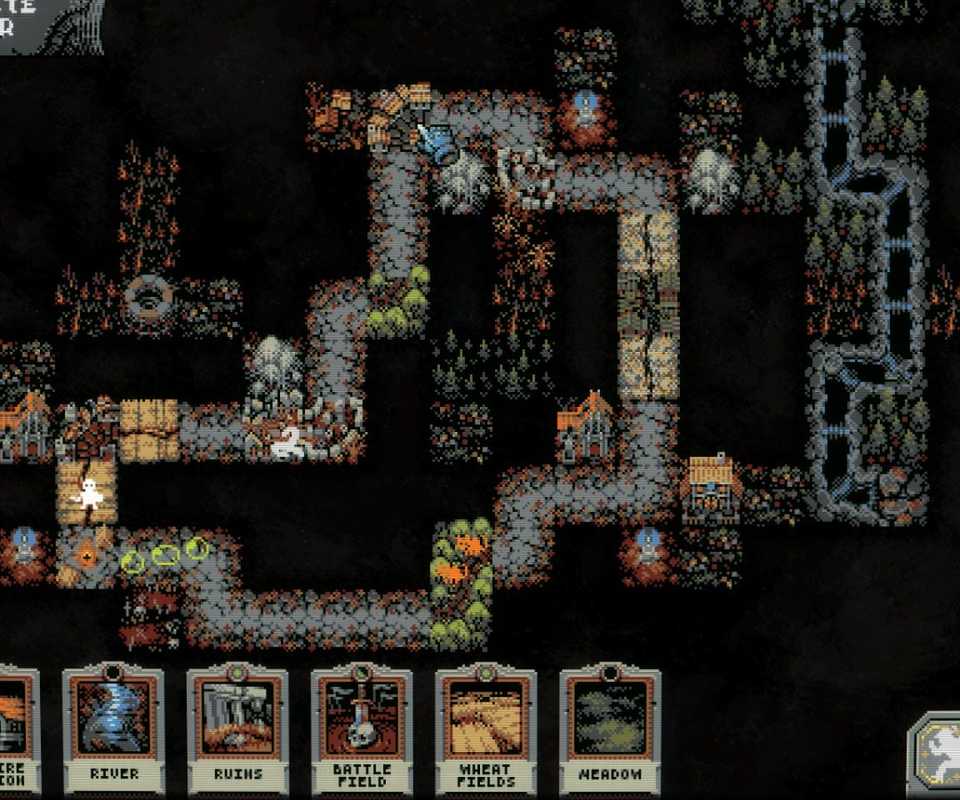
Loop Hero completely rethinks what progression means in a roguelike. Instead of putting you in the shoes of a hero, you are constructing the environment by placing different cards that create enemies, resources, and buildings, turning the world itself into your character’s progression system.
Failure is also deliberately productive, where resources collected during expeditions can be taken back to the camp to unlock new classes and systems that permanently expand your options next time around. It’s clean and rewarding and feels like a true reinvention of a genre that had otherwise remained the same for so long
Blue Prince
A House That Changes With You

Details:
- Room selection creates a constantly changing structure to explore
- Knowledge and discoveries are the most important factors
Blue Prince is far from your typical roguelike, trading health points and damage for knowledge and understanding. The mysterious estate changes its layout through a room-drafting system, forcing you to make decisions about which rooms to add and how to connect them, and the resulting house can become an elaborate puzzle that is always different from one run to the next.
Crucially, not all progression comes from conventional upgrades. Learning how rooms work and understanding the estate’s underlying systems and secrets can be just as valuable as anything physically unlocked, so if you are someone like me who really values knowledge-based mechanics, then Blue Prince may be exactly what you’ve been looking for.
Inscryption
Mystery After Mystery

Details:
- New mechanics introduced all the time
- Deck-building, exploration, and narrative progression all intertwined.
Inscryption’s progression is deliberately difficult to predict, and at times, even unnerving. What initially appears to be a relatively straightforward deck-building roguelike gradually introduces new mechanics and rules that completely change the experience into an entirely different genre, expanding not your arsenal but the game itself.
The creativity is particularly effective when you realize how connected the cards are to the wider world and story. You aren’t merely collecting increasingly powerful options or unlocking new combinations, but learning how the game actually works, and just when you think you have moved to the next step, another curveball gets thrown your way that completely subverts your expectations whilst keeping you excited to see more.
Rogue Legacy 2
Lineage With A Purpose
Details:
- Failed runs translate into external progress
- Control over how to progress and where
Rogue Legacy 2 takes everything that made the original game’s progression so fun and takes it even further. A typical run has you entering the castle, exploring rooms, taking out enemies, and hopefully finding some nice loot along the way, but eventually, it all has to come to an end.
Upon dying, you keep things like blueprints and gold, which can then be used to upgrade individual class stats and unlock different archetypes that you can choose to play as in future runs. The best feature in my opinion, though, is the ability to lock the castle and keep the same layout as before, which means that if you get to a boss but can’t quite take it down, then you are more than welcome to shell out some coins in order to have an easier route to it next time, making progress feel both random and controlled at the same time.