



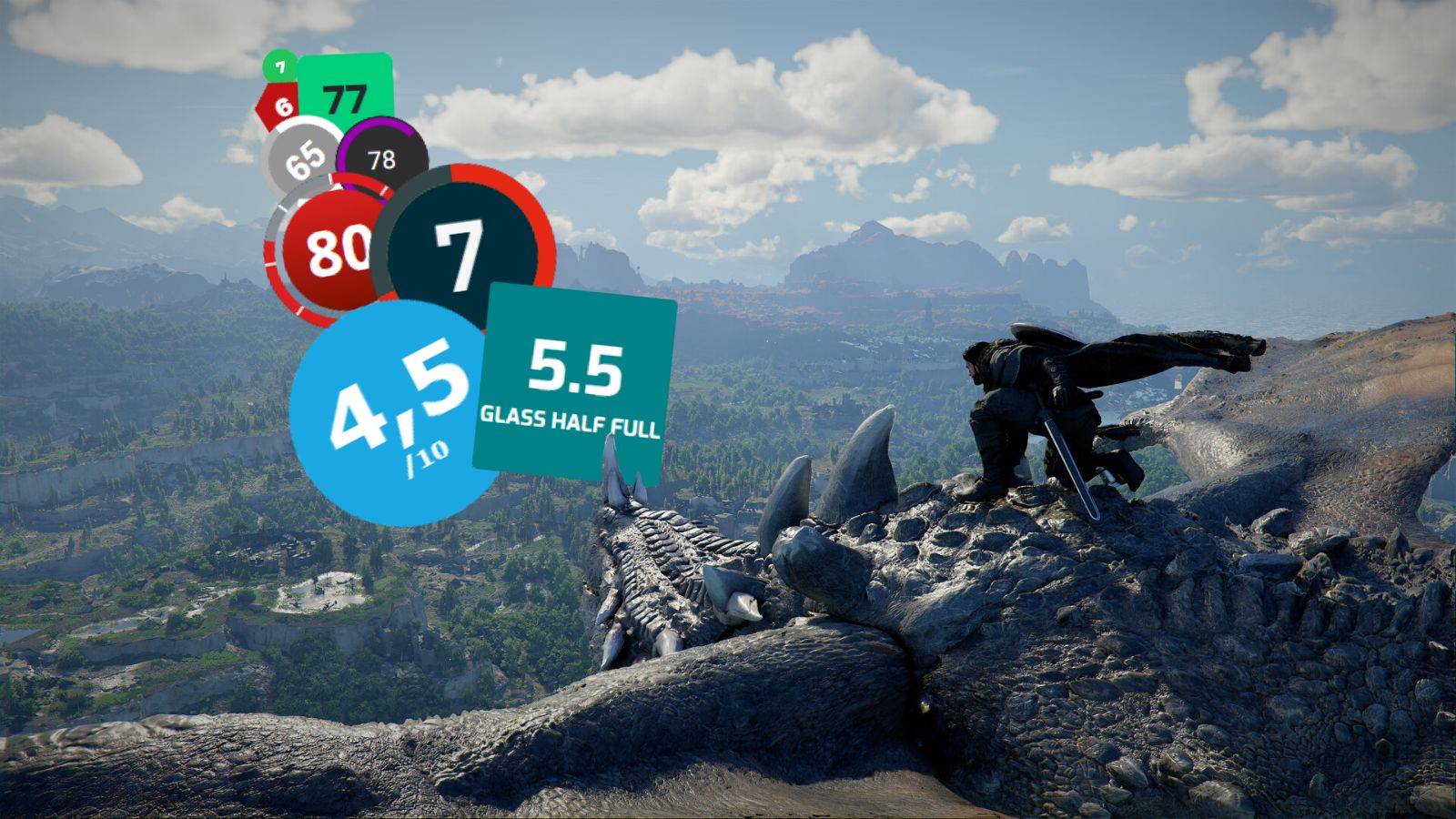
The modern gaming landscape has plenty of problems that have made certain games struggle to stick the landing at launch, and one of the biggest is the gap between the product’s perception at launch and its intended version. In the case of Crimson Desert, early reviewers were playing on a copy that was riddled with issues related to the story, major game mechanics, and a multitude of other systems that have since been updated and fixed, but those initial scores remain set in stone until the end of time.
It is far from the first game to suffer from this issue, as there have been several other releases in recent times that were met with mixed reviews due to performance problems or other more pressing matters that were only fixed after launch. However, given how much hype there was around Crimson Desert, and how ambitious the game is, now that Pearl Abyss has effectively eradicated all of the problems reviewers had, it begs the question as to whether those 7/10 scores would be a lot higher if the devs had waited just a couple more months to iron things out and deliver a more polished experience.
Crimson Desert’s Review Copies Were Its Biggest Enemy
-
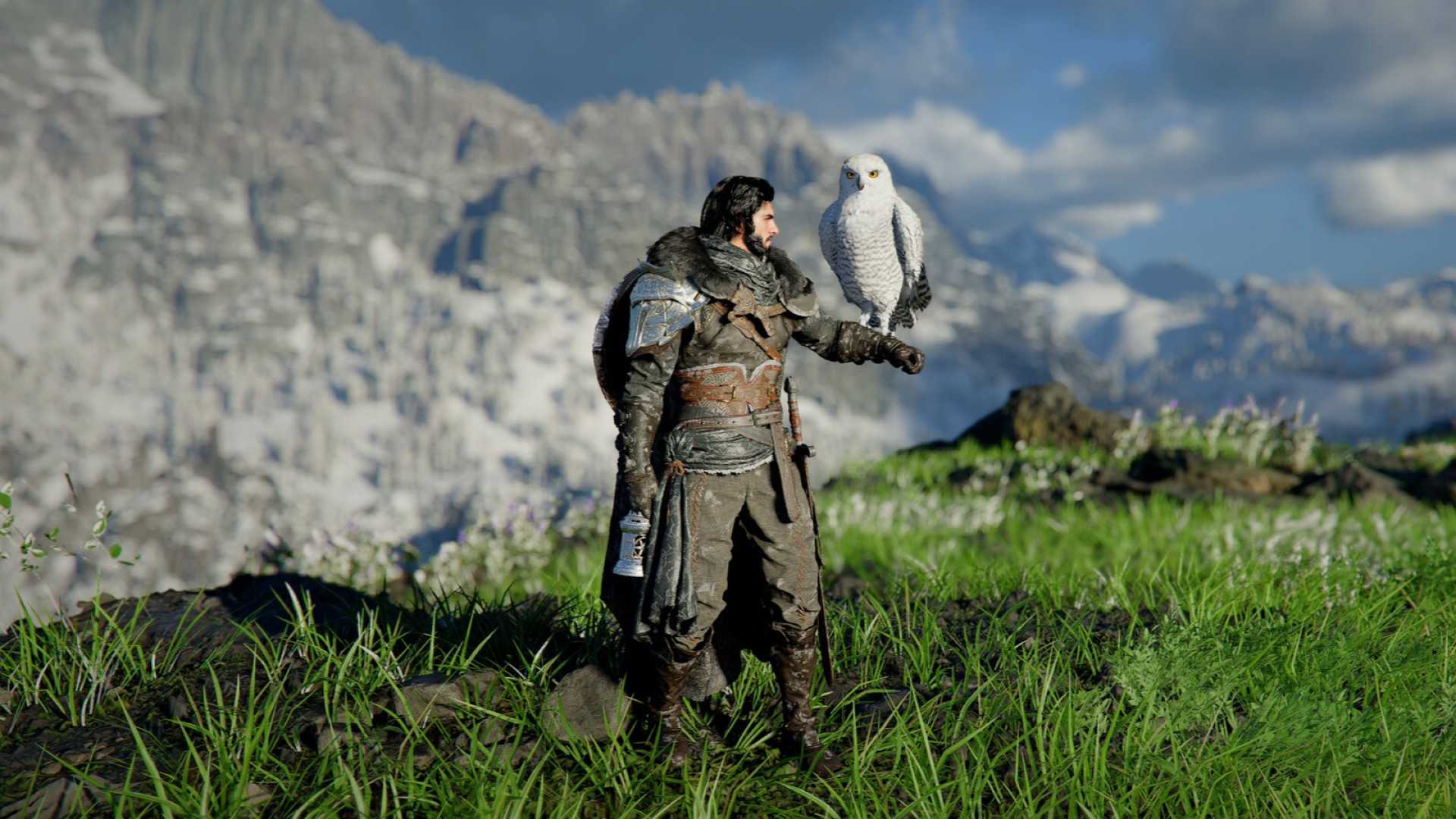 Image via Pearl Abyss
 -
-
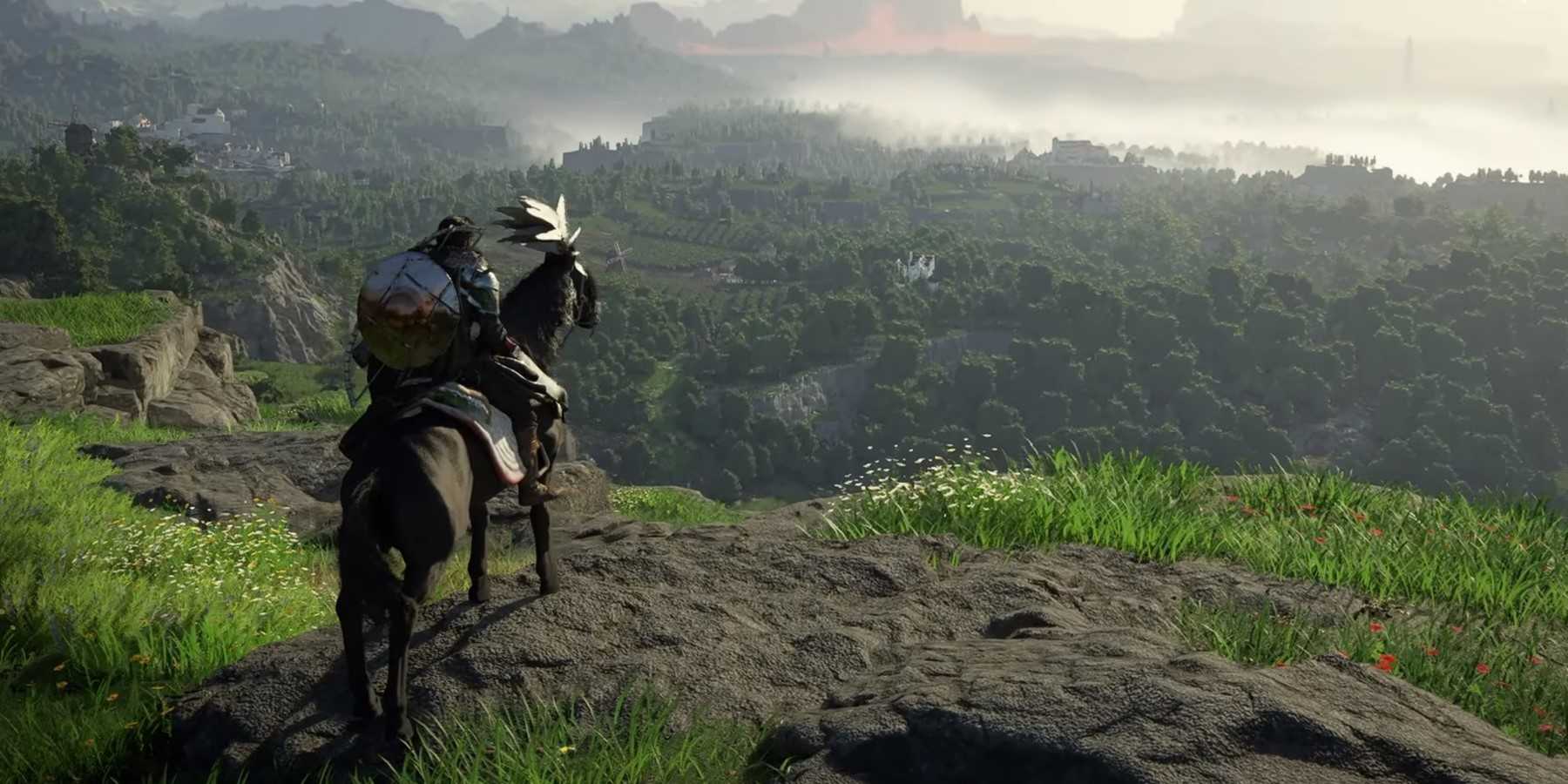
 Image via Pearl Abyss
If you go back a decade or two, the concept of patches and updates was very different from how they are viewed today. In the past, you could simply put in your disc and play the game in its most complete form, and any post-launch updates, if they occurred at all, were normally intended to iron out more major, game-breaking bugs as opposed to changing things on a larger scale. Nowadays, updates are a necessary evil that give developers some extra breathing room after launch to finish and fix the game, which, depending on how extensive they are, can potentially come at a cost to the initial perception of the game and its review scores.
That’s exactly what happened with Crimson Desert, a game that had about as much hype as any other big release in 2026 and had a lot of people expecting it to be a real frontrunner for Game of the Year. But when the pre-launch review scores came in, it was obvious that despite the ambition and scope, there were a lot of systemic and mechanical problems that the developers were unable to solve before letting reviewers try it out for themselves.
Early reviewers were playing on a copy that was riddled with issues related to the story, major game mechanics, and a multitude of other systems that have since been updated and fixed.
As a result, what could have been a 10/10 open-world RPG with more innovation than any other game in the genre ended up as a 7/10 that didn’t seem to blow away too many people, despite how many copies it managed to sell. Since then, Pearl Abyss has been working hard to address the narrative criticisms with new cutscenes and story moments, and added a whole host of additional pieces of content in the enhanced version, ranging from mounts to additional customization options, all things that they are well aware were absent from the reviewer’s copies (via PCGamer).
-
 Image via Pearl Abyss
 -
-
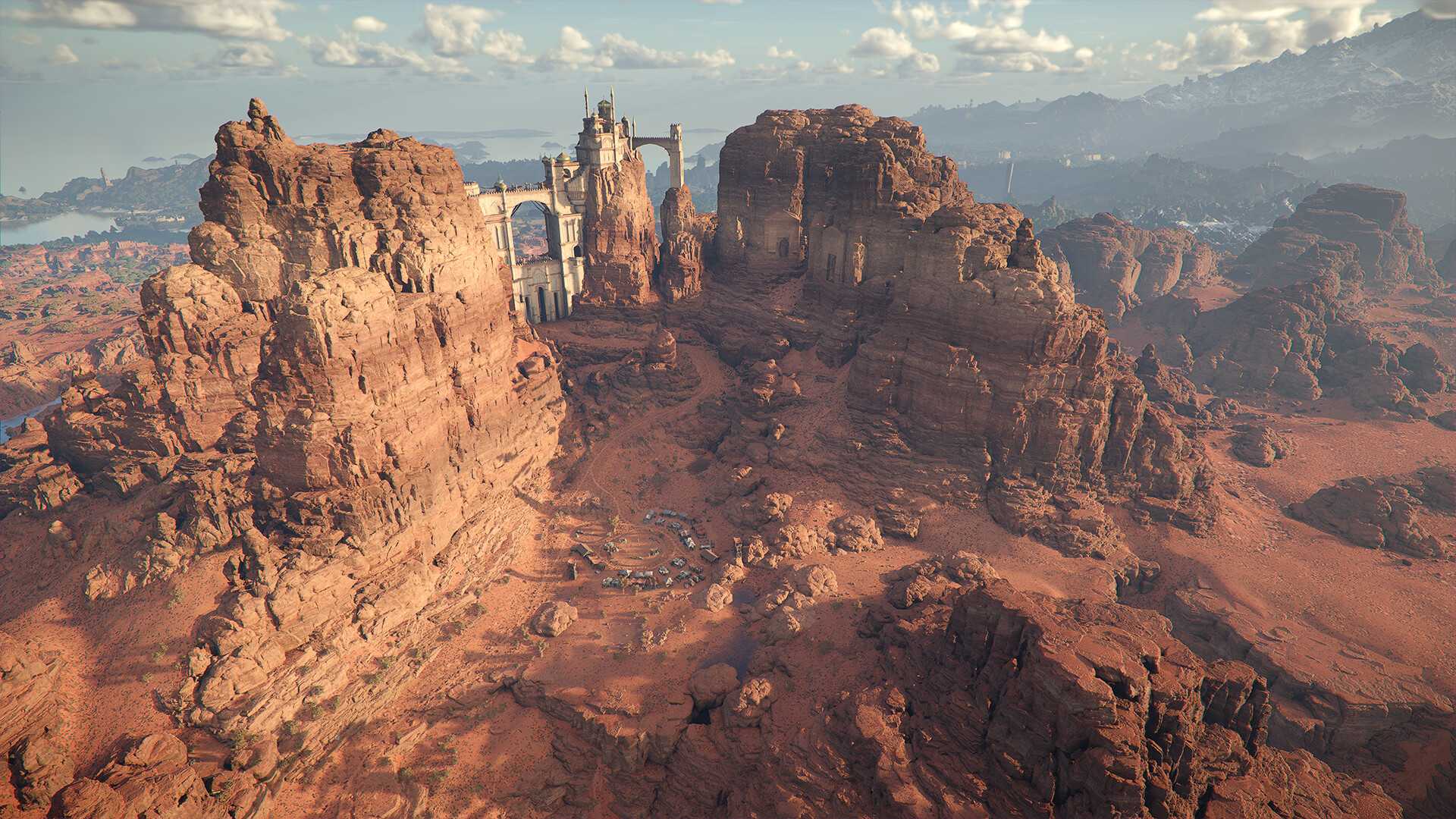
 Image via Pearl Abyss
By making these changes, many of which were requested by players themselves, the player perception has certainly improved in the months after launch, with the first month of Steam reviews sitting at around 74% positive, while the current overall score is 86%. And a lot of reviewers who have gone back to give the game a second chance have also come around, with GameRant’s own Josh Cotts, who reviewed Crimson Desert at launch, stating:
If I were to review it today, it would be hard not to give it a perfect score. Every issue I had with it at launch has been fixed, and it has even improved in other areas as well.
I think the big takeaway from Crimson Desert’s road to improvement is that this sentiment is far from exclusive to it. The most infamous example of a game that got better after being pushed out too fast is Cyberpunk 2077, which was widely considered to be a pretty catastrophic failure on release, but is now put among the best RPGs ever made. So, if developers want to have the highest chance of success when their thousands of hours of work reaches the mainstream, then they need to consider whether the product is ready or if further testing is required to avoid that awkward launch period of mixed reviews.
Pearl Abyss Has Already Applied Their Lesson to Crimson Desert’s DLC
Not every developer is willing to fix their mistakes and improve how they develop their games, but Pearl Abyss has clearly taken the reviews and perception to heart. Just under six months after Crimson Desert released, the first DLC has already been announced, yet instead of pushing it out to its original release date of the 15th of October, the devs have chosen to delay it slightly to the end of the month, to iron out some rougher edges, and perhaps in fear of following in their own fateful footsteps.
-
 Image via Pearl Abyss
 -
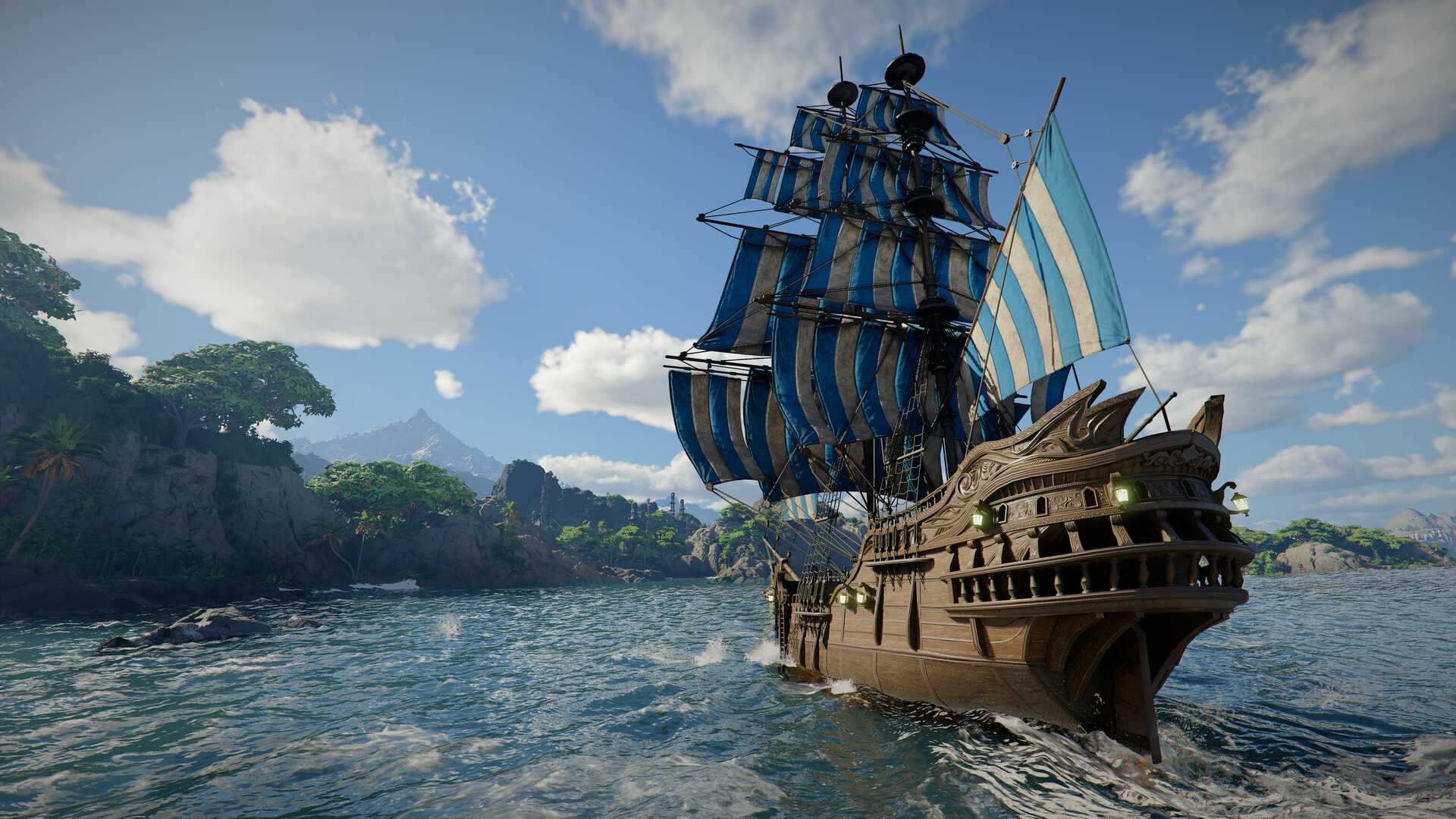
 Image via Pearl Abyss
 -
In doing so, I believe that many fans will actually be quite happy, as while I can only speak for myself, I would much prefer to play a product that the devs consider to be finished, rather than stumbling through a problematic mess that requires patches and updates to actually be playable. Thankfully, Pearl Abyss is more than happy to take the criticisms on the chin and focus on delivering their vision in the most accurate way possible, which bodes well for any future content drops, DLCs, and potential sequels down the line.
Unfortunately, though, as we near the end of the year and the awards season starts rolling in, I can’t help but feel as though Crimson Desert may miss out on a lot of categories that it would otherwise shine in, and maybe even win. At launch, it was very hard to make a case that the game was worthy of Game of the Year, and now, after months of updates that may have brought it up to that level, a lot of players may have forgotten it in a sea of other exceptional games, or simply put it much further down their list due to their perception being skewed by their experience at launch. It is a shame that it will probably lose out on a lot of wins, but I hope that it becomes a great lesson in game development that can maybe make the release of future games a whole lot stronger.

Crimson Desert
- Released
-
March 19, 2026
- ESRB
-
Mature 17+ / Blood, Drug Reference, Intense Violence, Strong Language
- Developer(s)
-
Pearl Abyss
- Publisher(s)
-
Pearl Abyss