





There are a million reasons to love an open-world RPG, but pacing usually isn’t one of them. As maps expanded to absurd widths, these games became defined by their square mileage and icon density, as they sought to deliver that ultimate 100-hour experience. Although not necessarily a bad thing, open-world RPGs often sacrifice their narrative momentum with tonal whiplash, gated story progression, travel fatigue, and never-ending checklists.
As much as I love spending dozens of hours on mini-games and distractions, scale without discipline can result in bloated messes that overstay their welcome long before the credits roll. Honestly, I’d say only a handful of open-world RPGs have anywhere near perfect pacing, as they really don’t waste a second of your time.
I’m being strict with the definition of “RPG,” so no Breath of the Wild.
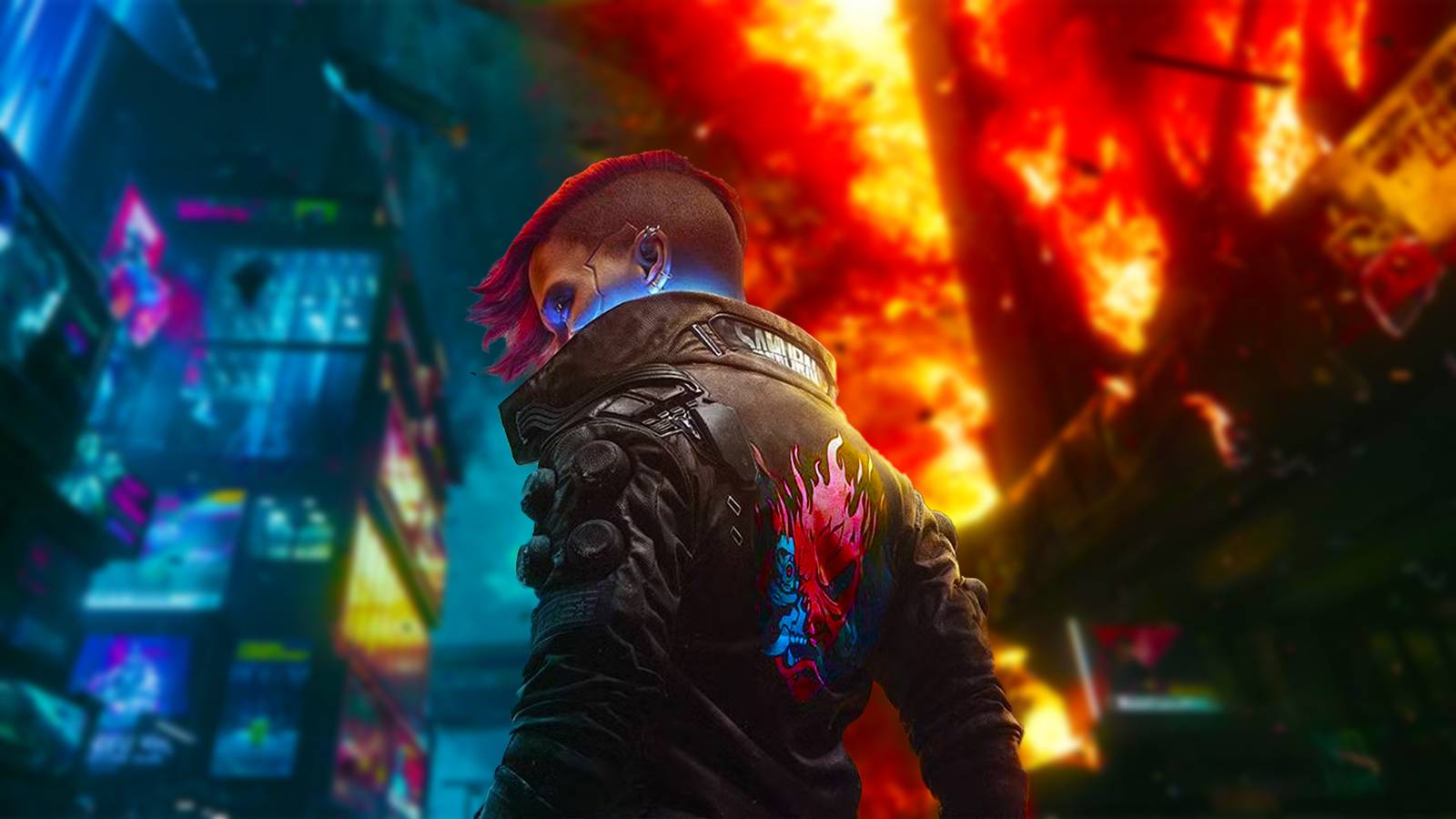
Cyberpunk 2077 Is Tight, Tense, And Captivating
CD Projekt Red Knows How To Keep Things Moving Along
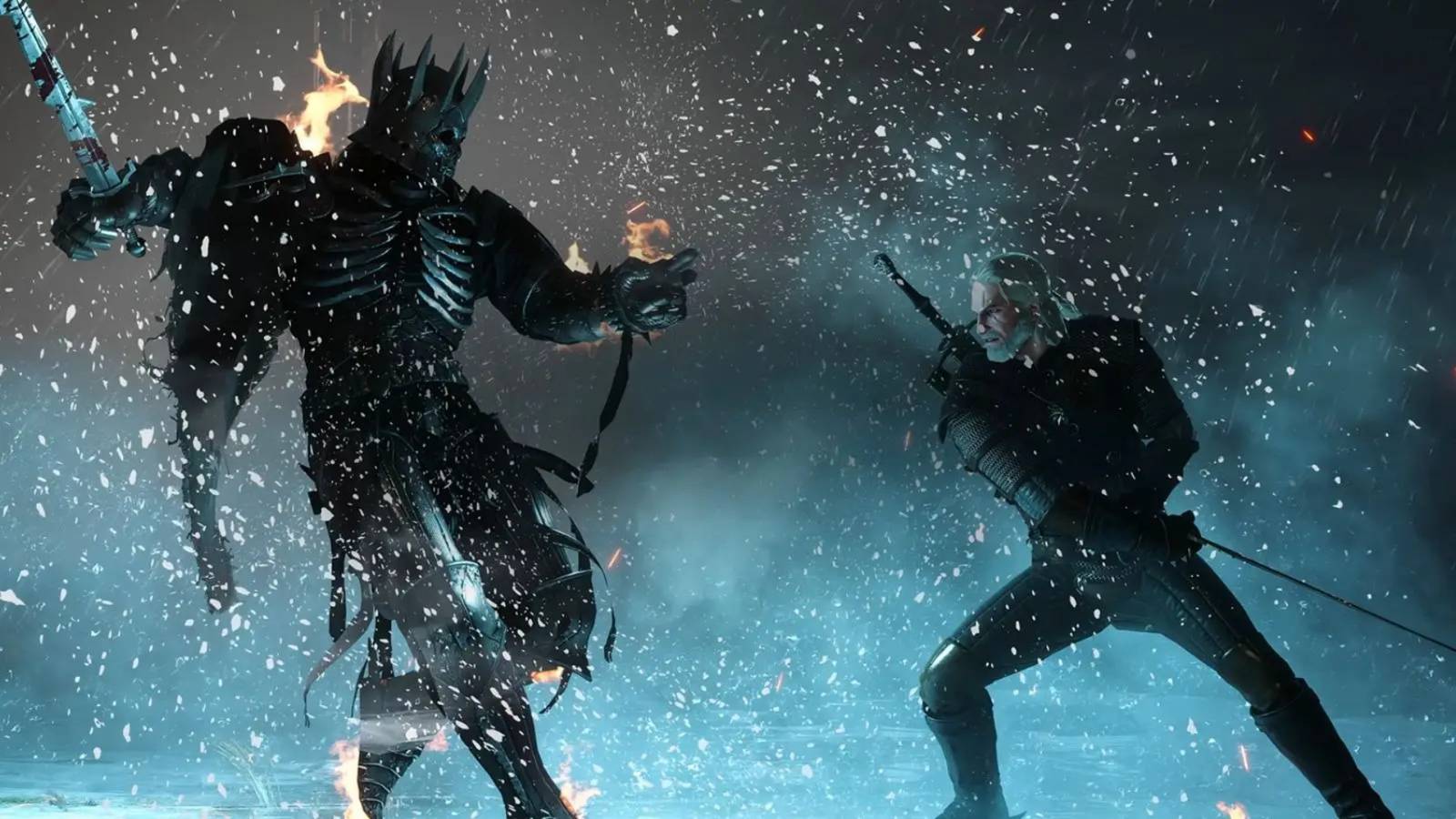
Credit where credit’s due, CD Projekt Red is arguably the best at crafting enormous open-world RPGs that somehow maintain perfect momentum. With its region-based story progression and consistently high-quality writing, The Witcher 3 is absurdly well-paced, even though the main campaign takes around 50 hours;Cyberpunk 2077 is even tighter.
We have all played open-world games with “end of the world” scenarios and frivolous side quests that entirely ignore those stakes. C2077 almost entirely dodges this trap by combining a fairly short compulsory route with side content that fits V’s journey and place in Night City. More importantly, the latter opens up relatively gradually, all the while being so compact that taking on gigs rarely takes you out of your way. You don’t even waste time turning in fixer jobs or scanner hustles, as you can complete them wherever you are.
Act 2 serves as the meat of the campaign, and you must finish three main questlines that last a handful of missions each. None of them overstay their welcome, and you aren’t locked into completing one in its entirety. They also tie directly into the endings and the romance/loyalty side quest, making them feel even more worthwhile.
Cat Quest Might Be The Most Purrfectly Paced Open-World RPG Ever
Look, I Can’t Avoid A Pun When It Works So Well
Hey, nobody said an open-world RPG needs to last an eternity. The Cat Quest games are bite-sized adventures and masterclasses in pacing, particularly the first entry. Stripping away basically every second of dead air or fluff, Gentlebros crafted a charming-as-heck action RPG that condenses exploration, dungeon crawling, loot optimization, and character progression into roughly 8 hours.
In a genius move, Cat Quest turns its overworld map into its main playing space, as you hack and slash your way across Felingard by literally walking over town names, regional borders, and quest dialogue. Obviously, this wouldn’t work in 99% of open-world games, but Cat Quest‘s whimsical vibes, cartoon aesthetic, and purrtastic puns fit the presentation perfectly. When you step off the overworld and enter a dungeon, these trips last only a handful of minutes and never remotely threaten to stretch on too long.
Fallout: New Vegas Makes Sure You’re Ready For The Strip
An Open-World RPG That Restricts You Without Putting Up An Invisible Wall
For the most part, Bethesda’s open-world RPGs cannot be called “perfectly paced” since their stories are often an afterthought. I mean, you can spend years playing Skyrim and never finish its short main quest. So it isn’t surprising that the exception, Fallout: New Vegas, was developed by Obsidian, a studio that tends to emphasize storytelling a bit more than Bethesda.
There is such a thing as too much freedom, as a complete lack of direction or pressure can lead to aimless and pointless wandering in search of a reason to exist in the game’s world. New Vegas solves this issue without resorting to gated content, instead using organic spikes to guide players through the Mojave Wasteland.
The moment Doc Mitchell patches up your head and opens the front door in Goodsprings, you can look northeast and see the neon glow of the New Vegas Strip shimmering tantalizingly on the horizon. It looks like a straight, ten-minute jog through the desert, and you might be tempted to just make a beeline for the strip. However, you will almost instantly find yourself overwhelmed by Cazadores and Deathclaws, forcing you to accept that you aren’t ready.
You aren’t told that your level is too weak or to turn back; no, you act, you die, and you learn. New Vegas does this throughout its early hours, funneling you through the southern horseshoe into scenarios that gradually escalate until they prepare you to enter Freeside.
Kingdom Come: Deliverance Makes Every Step Feel Important
You Start As A Weak Nobody And End As A Competent Somebody

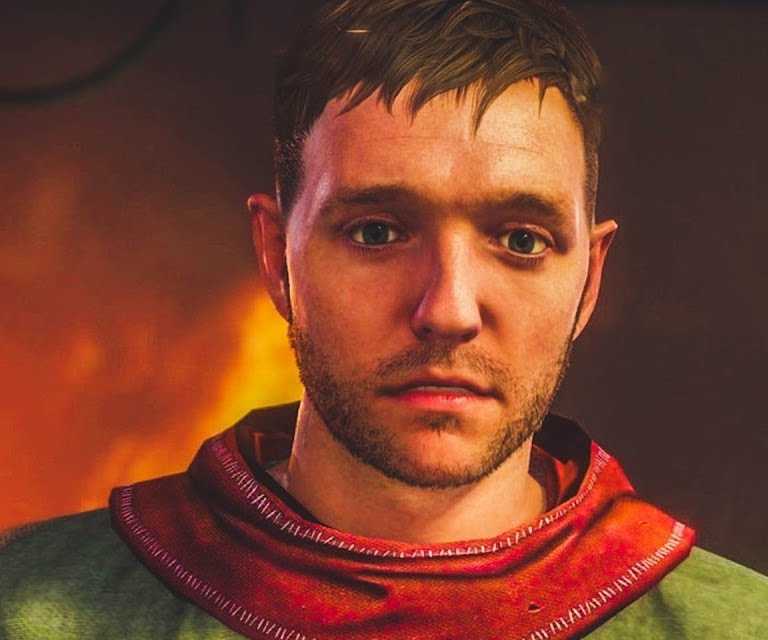
Kingdom Come: Deliverance 2 surpasses its predecessor in nearly every way, except pacing. Because it’s much harder and more willing to make players feel utterly incompetent, Kingdom Come: Deliverance creates a satisfying progression curve that makes each minor step feel massive. Pacing isn’t just about, well, “pace”; for some stories, slow and methodical fits far better than a quick sprint, and KCD is definitely one of these games.
Henry starts as a blacksmith’s son who cannot swing a sword without needing to catch a breather. He isn’t a soldier, and he doesn’t act like one. The prologue ends with his village’s annihilation, thrusting him into a journey of revenge that refuses to calm his fury quickly or easily. By the time you begin combat training with Captain Bernard, you will realize that you should not rush to get into a fight, as that would just mark your end.
Once Henry enters the service of Sir Radzig, the main questline locks into a grounded, procedural murder mystery spanning Neuhof, the woods of Uzhit, and the bandit camp at Pribyslavitz. KCD doesn’t let you (or Henry) lose focus by introducing hundreds of guild quests.
Gothic

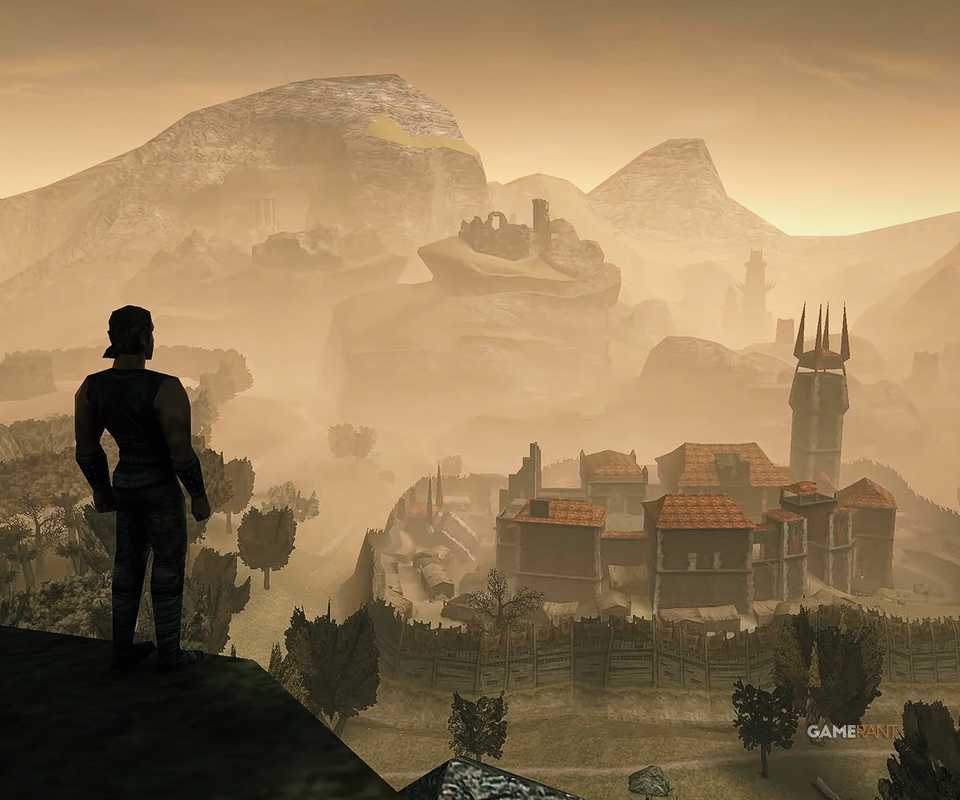
Well, we might as well end things with KCD‘s spiritual ancestor, at least in terms of world and progression philosophy. While kicking things off with a frustrating few hours that can put off newcomers, Gothic wants you to overcome these growing pains. Dropped into a world with zero level scaling, you live at the bottom, with NPCs treating you like absolute trash. Why? Because you are.
The Valley of Mines is tiny compared to modern open-world games, and that is a positive, not a negative. The game never forces you to waste time traveling across emptiness or to rely on a minimap for guidance. You must learn the terrain inside out, and every square meter has a purpose. When the world opens up, which happens very early on, you can go where you want, when you want; however, nobody and nothing cares about you at all, and they act that way.
Besides becoming strong enough to visit new areas, Gothic also uses your social standing to monitor your progression, and you are told to join a faction to aid in your survival. Before you can pursue any world-saving heroics, you have to run errands, navigate camp politics, get shaken down for protection, and earn the respect of named NPCs. Nothing comes easy.