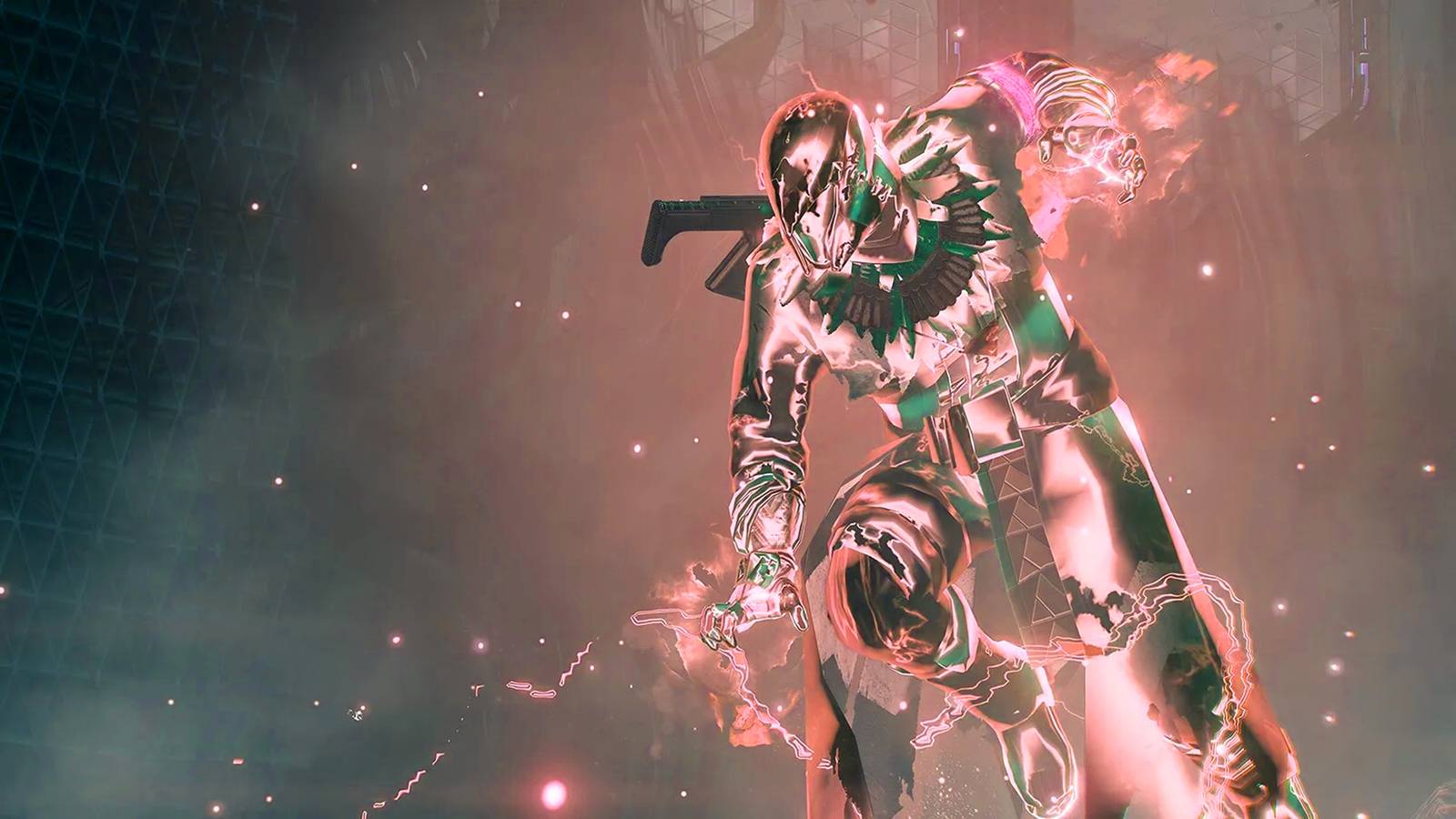




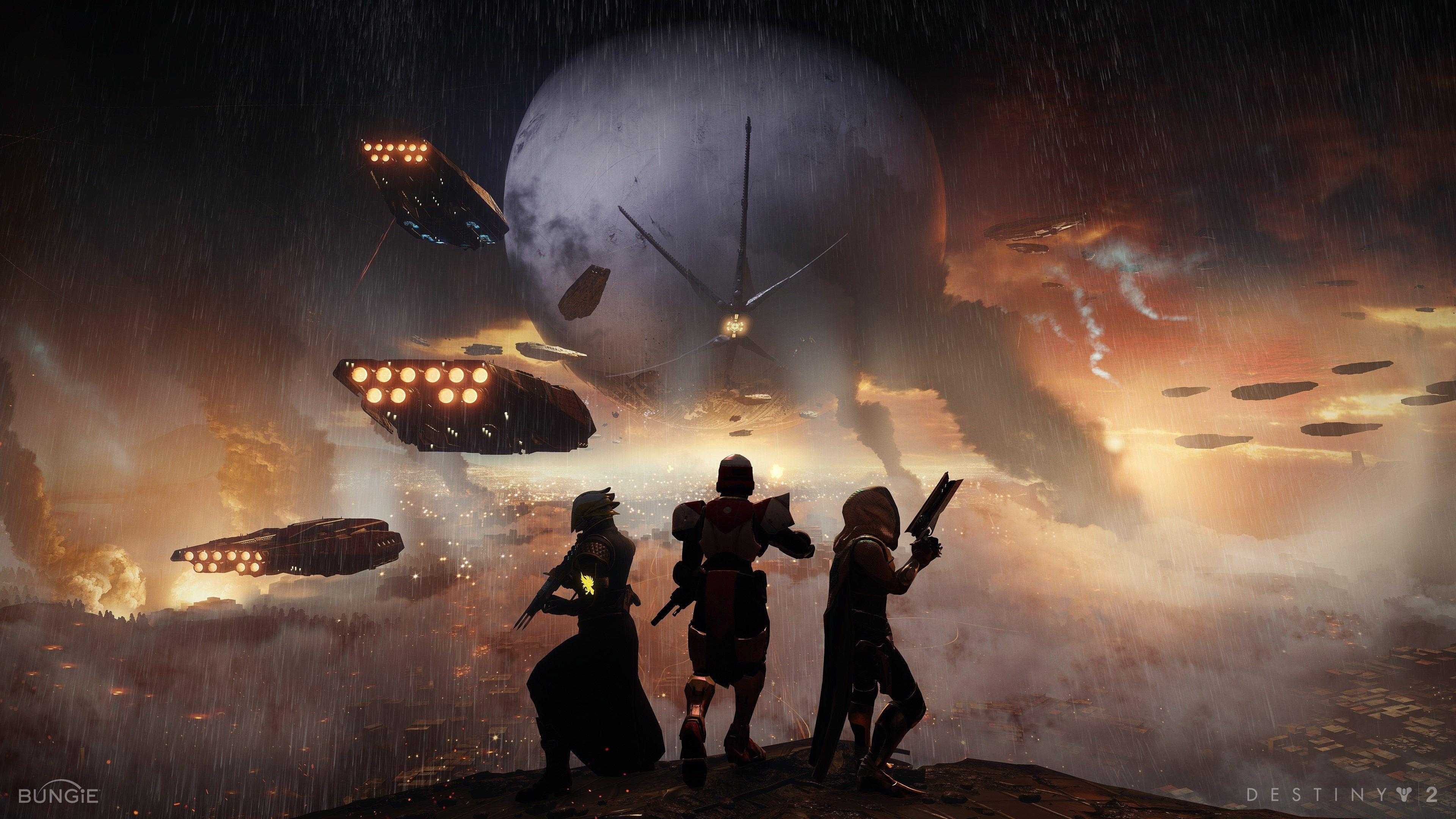
When Bungie announced back in May that Destiny 2 was coming to the end of its live-service support, I couldn’t help but feel like a pretty significant part of my gaming history was coming to an end. I’ve played Destiny 2 off and on for years, sometimes stepping away for extended periods before eventually finding myself drawn back into its world, and I even wrote about what the announcement meant to me at the time. But as difficult as it was to accept that Bungie was moving on, I also understood that whatever came next for Destiny was going to take years to develop, especially since the studio had only just announced its intentions to begin incubating new projects. Unfortunately, Bungie’s recent decision to bring much of Destiny 2‘s vaulted content back has made the road to that eventual successor look considerably longer than I initially expected.
Now, obviously, I don’t think anyone was expecting Destiny 3 to launch anytime soon, if at all, especially considering Bungie only released Destiny 2‘s supposed final content update in June. However, the studio’s October 29 community update revealed that its plans to restore the game’s missing campaigns and activities won’t be completed until early 2028 at the soonest, assuming development goes according to plan. That’s more than a year away, and Bungie has made it clear that restoring the original experience is only the beginning of its larger vision for the franchise. Considering how early that vision apparently is, I’m beginning to wonder just how long Destiny 2 will need to keep players entertained before Bungie has something genuinely new to show them.
Destiny 2’s Comeback Has a 2028 Catch
-
-
-
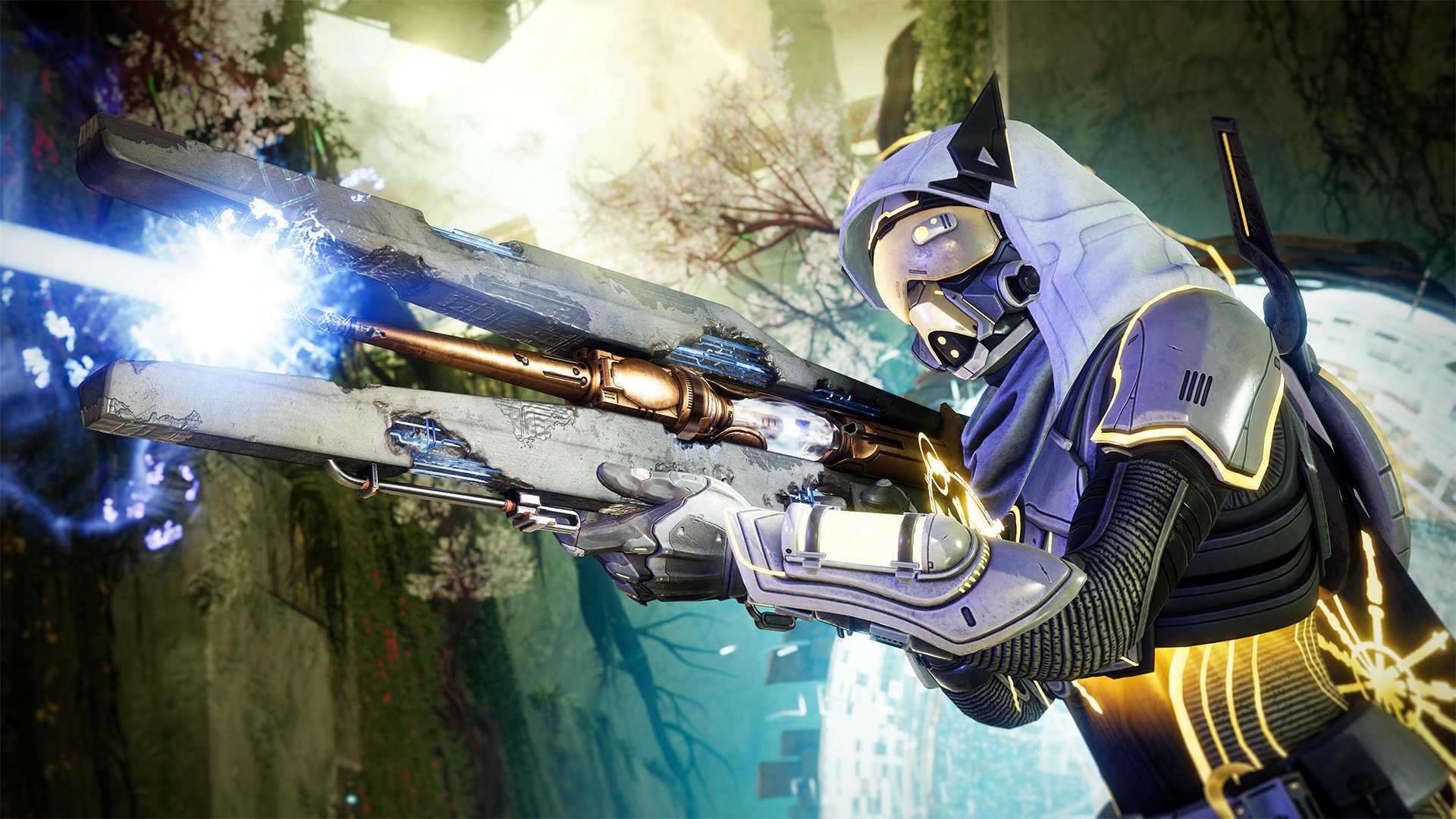


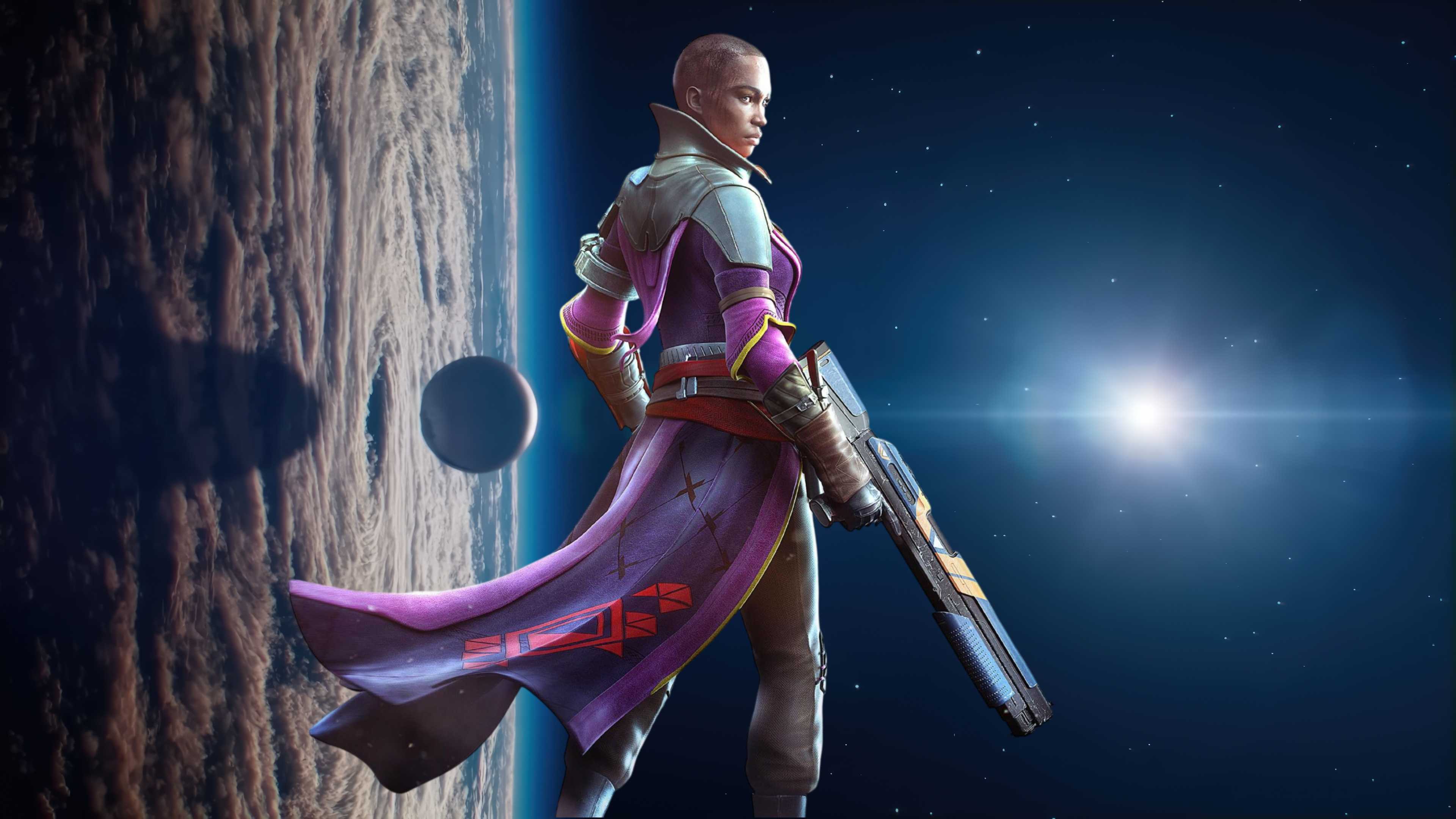
For those who haven’t followed Bungie’s plans to restore Destiny 2, the studio is currently working to bring back the Red War, Curse of Osiris, Warmind, and Forsaken campaigns, all of which were removed from the game years ago. The restoration will also include associated Strikes, Raids, and Raid Lairs, along with the Menagerie activity from Season of Opulence, complete with reprised rewards. It’s an enormous amount of content, and considering how much of Destiny 2‘s original story has been inaccessible since Bungie introduced the Destiny Content Vault in 2020, I can understand why the studio is making its return a priority. As someone who experienced those early campaigns when they were still available, I’d certainly welcome the opportunity to revisit them.


Put the consoles in the correct order.
Unfortunately, bringing all that content back is going to take quite a bit of work, which Bungie previously explained in its September announcement. According to the developer, changes made to Destiny 2 since Beyond Light mean that older activities require substantial updates to lighting, enemy encounters, and other underlying systems before they can function properly again. The October update revealed that the project is expected to remain in pre-production until January or February 2027, followed by approximately 12 months of full production to complete the porting process. That puts the estimated finish line in early 2028, although it’s worth mentioning that Bungie hasn’t confirmed when all that restored content will actually be released.

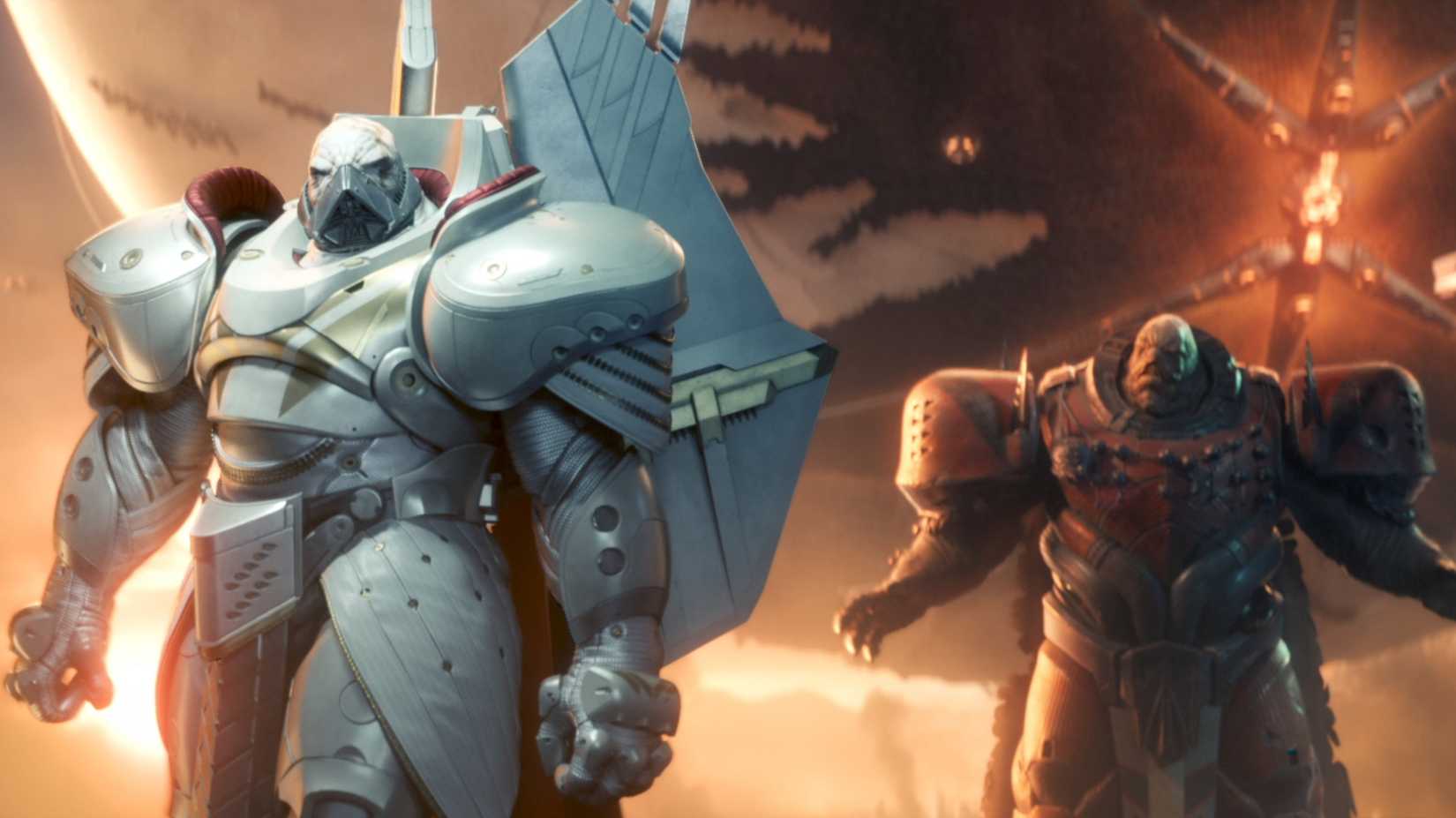
What interests me most about the announcement, however, is Bungie’s reasoning for prioritizing the restoration in the first place. Head of product Josh Deane acknowledged that removing essential parts of Destiny 2 damaged the relationship between Bungie and its community, arguing that the franchise needs to regain that trust before it can confidently move forward. I actually agree with him there, especially considering how difficult it is to recommend a story-driven game to someone when several of its most important chapters are missing entirely. But fixing that mistake is apparently going to occupy a substantial part of Destiny‘s immediate future, and I imagine Bungie understands that bringing back old content won’t automatically convince everyone to stick around until something new arrives.
I’m beginning to wonder just how long Destiny 2 will need to keep players entertained before Bungie has something genuinely new to show them.
Bungie also outlined several other projects in its October update, including a planned Destiny 2 Celebration, something called Destiny Legacy, and another initiative the studio isn’t ready to discuss. Those projects are being developed as part of a broader plan for the franchise, but Deane acknowledged that Bungie is still in the process of incubating and validating its more ambitious ideas before committing larger teams to them. None of that means a sequel can’t be developed alongside the restoration, of course, and Bungie hasn’t indicated that work on a future Destiny game has to wait until 2028. However, with no sequel announced and the studio still determining what its next major projects should look like, I wouldn’t expect the franchise’s next chapter to be anywhere close to ready by the time Destiny 2‘s missing content has been restored.
Destiny 2’s Future Depends on How Long Its Past Can Keep Players Around
As excited as I am about the possibility of revisiting some of Destiny 2‘s earliest campaigns, I also have to admit that I’m a little concerned about how much Bungie is relying on nostalgia to carry the game through this transition. I’ve returned to Destiny 2 more times than I can count over the years, but usually because there was something I hadn’t experienced yet. Revisiting the Red War and Forsaken will certainly be enjoyable, especially after being unable to play them properly for so long, but I can’t imagine that excitement lasting indefinitely. And with some additional content, including free-roam destinations and seasonal activities, still being considered rather than guaranteed, the restoration might not even bring back everything longtime players remember.
Still, I don’t want to overlook how significant this decision could be for Destiny‘s future, particularly if Bungie genuinely intends to make its universe whole again before introducing the next major installment. A sequel was always going to be years away after the studio effectively brought Destiny 2‘s ongoing development to an end, but the unvaulting initiative has given us a much clearer idea of what those intervening years are going to look like. Bungie is essentially betting that restoring the experiences players fell in love with will give them enough reason to return while the studio works toward whatever comes next, and I sincerely hope that bet pays off. Destiny 2 has been part of my gaming life for far too long for me to want anything other than a successful comeback, but if its future is going to depend so heavily on revisiting the past, Bungie has quite a bit to prove before I’m convinced this new beginning will last.


- Released
-
August 28, 2017
- ESRB
-
T For TEEN for Blood, Language, and Violence