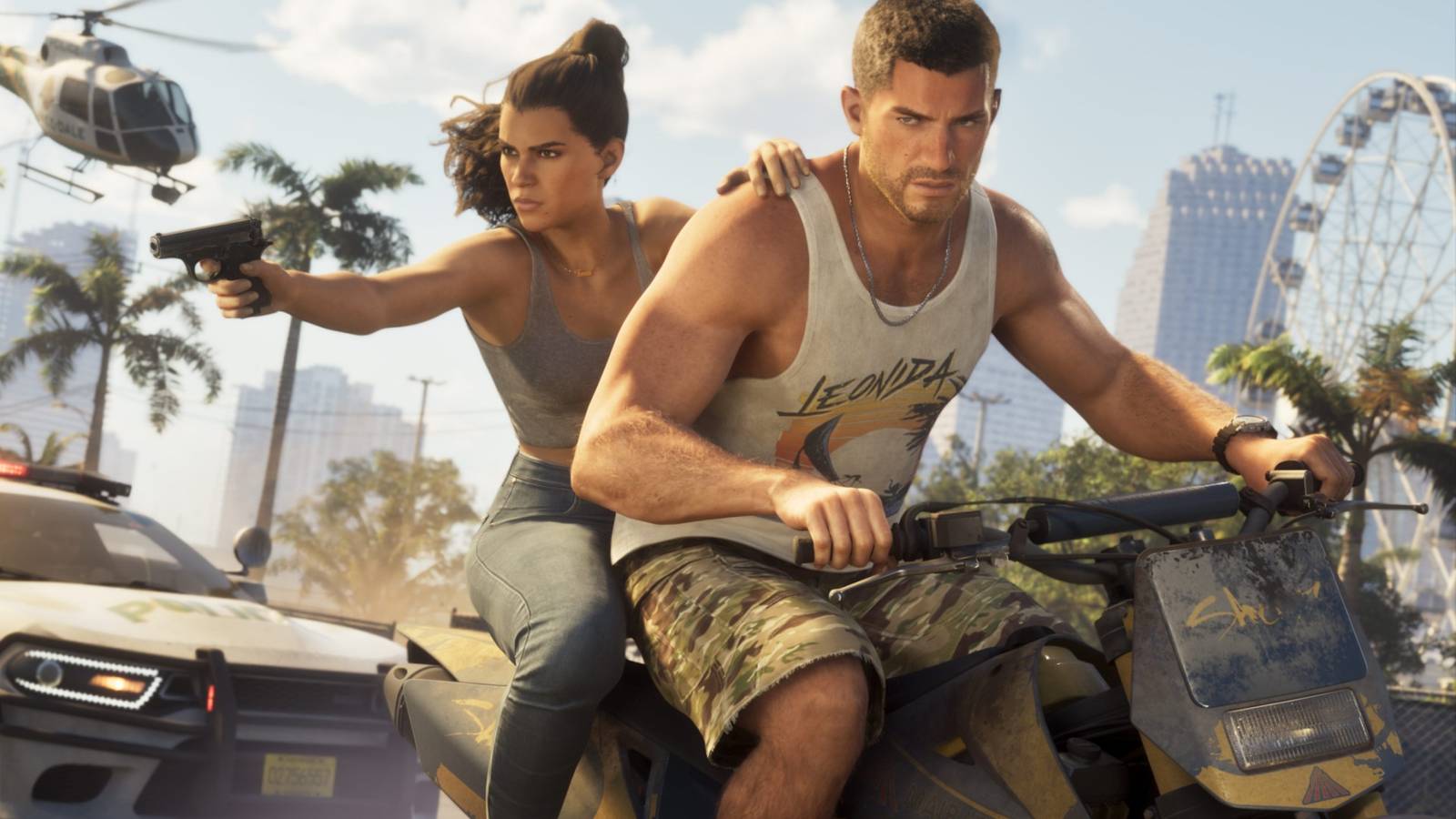






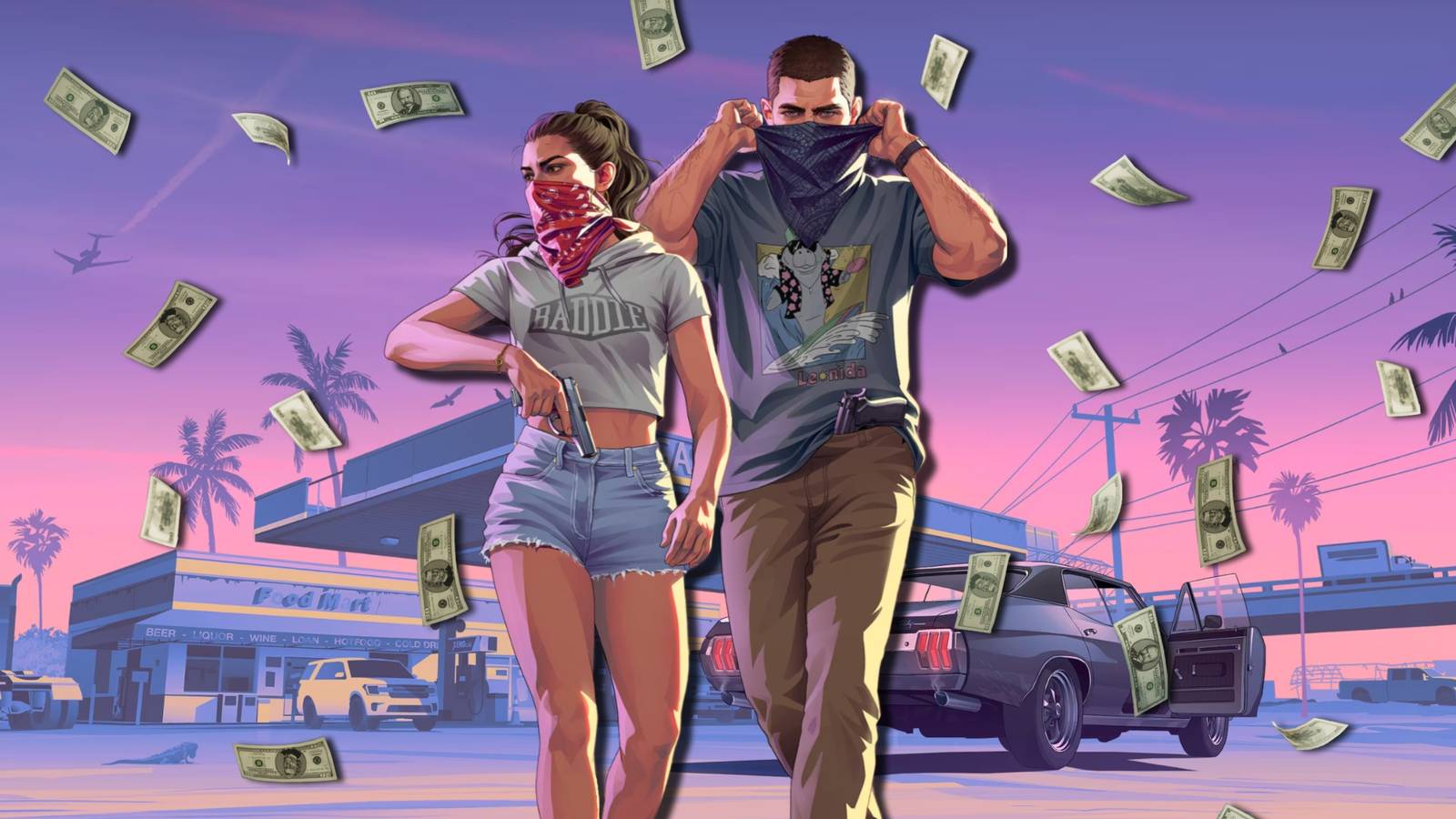
Of all the kinetic ways in which one could describe getting rich in a Rockstar game, it’s pretty wild that Grand Theft Auto 6 is leaning toward ideas like frugality. Indeed, the next Rockstar release seems to want players to think about money more carefully: cash can be lost, fences aren’t a given, and players might not be able to progress on the main quest until they get their money up. It’s a pretty fussy set of rules, considering Grand Theft Auto 6 could have just made everyone rich and moved on like GTA 5 was inclined to—but I like this change, frankly, and you should too.
See, not nearly enough open-world titles are treating their in-game economies with respect, and most of the time, it’s due to one of two tired problems: money is either no object by the halfway point, or it’s the only salve to meaningless busywork. Few series have bothered figuring out why that’s a problem worth solving, and that’s a shame, because it’s hugely gameplay-affecting and a critical factor in determining whether an open-world feels real or static. Thankfully, GTA 6 seems to be attacking that head-on; it doesn’t look entirely perfect, mind, but it sure does look a lot better than most.
GTA 6 Has Three Money Moves and One Real Risk
-
-

-


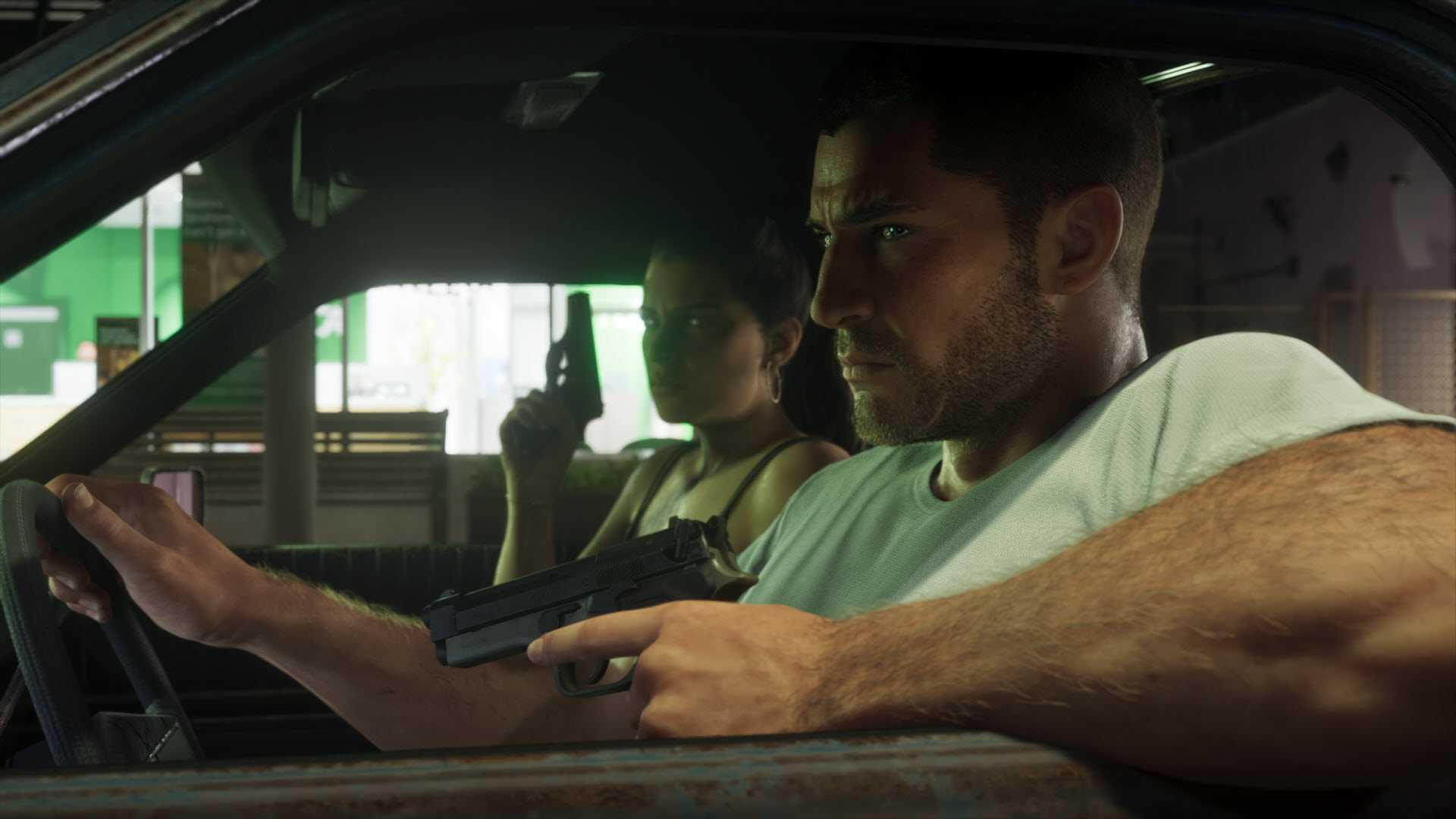
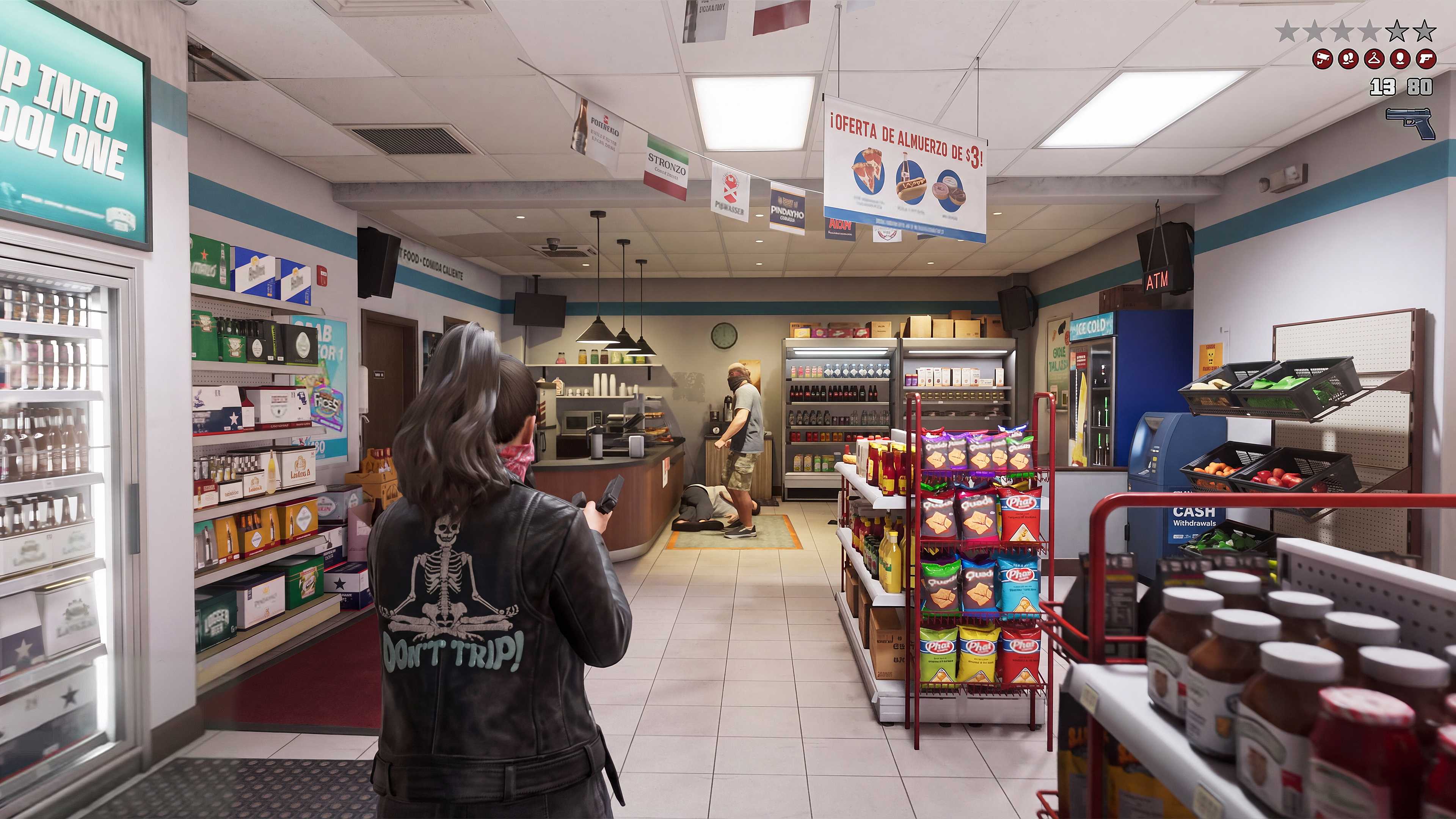
The changes coming to Rockstar’s latest title are simple enough to explain, but the impact shouldn’t be understated. Per Vice, TGG, and French outlet TroisCouleurs, GTA 6 splits money into bank funds, physical cash, and duffel bag loot, and each category behaves differently. Bank funds are managed through an in-game app and are safe no matter what happens to Jason or Lucia; physical cash isn’t, so should the player get wasted before depositing it into an ATM, that pocket change will vanish.
Then there’s the duffel bag, where most of the player’s stolen goods sit before they are given the chance to fence them. GTA 6‘s fences unlock through story progress, though, and they aren’t a one-stop shop, either; different fences specialize in different goods—cars, drugs, jewelry—the key is finding someone willing to take that specific sort of trouble off your hands. That may seem a subtle change, but it’s the kind of thing that makes pending loot feel like an active liability, which is infinitely more exciting than a sure thing.
GTA’s Latest Cars and Costs


That same design philosophy also extends to GTA 6‘s vehicles, as another in-game app allows Jason and Lucia to scan cars and learn what it’ll take to smash and grab them. The app details the vehicle’s security level, the tool needed to steal it, its tracker tier, and what it’s actually worth to register or resell. Stolen street vehicles can be registered as personal property for a fee, though the game won’t let players register anything too high-end early on—one more small tax on ambition.
Layered Systems and Measured Thinking

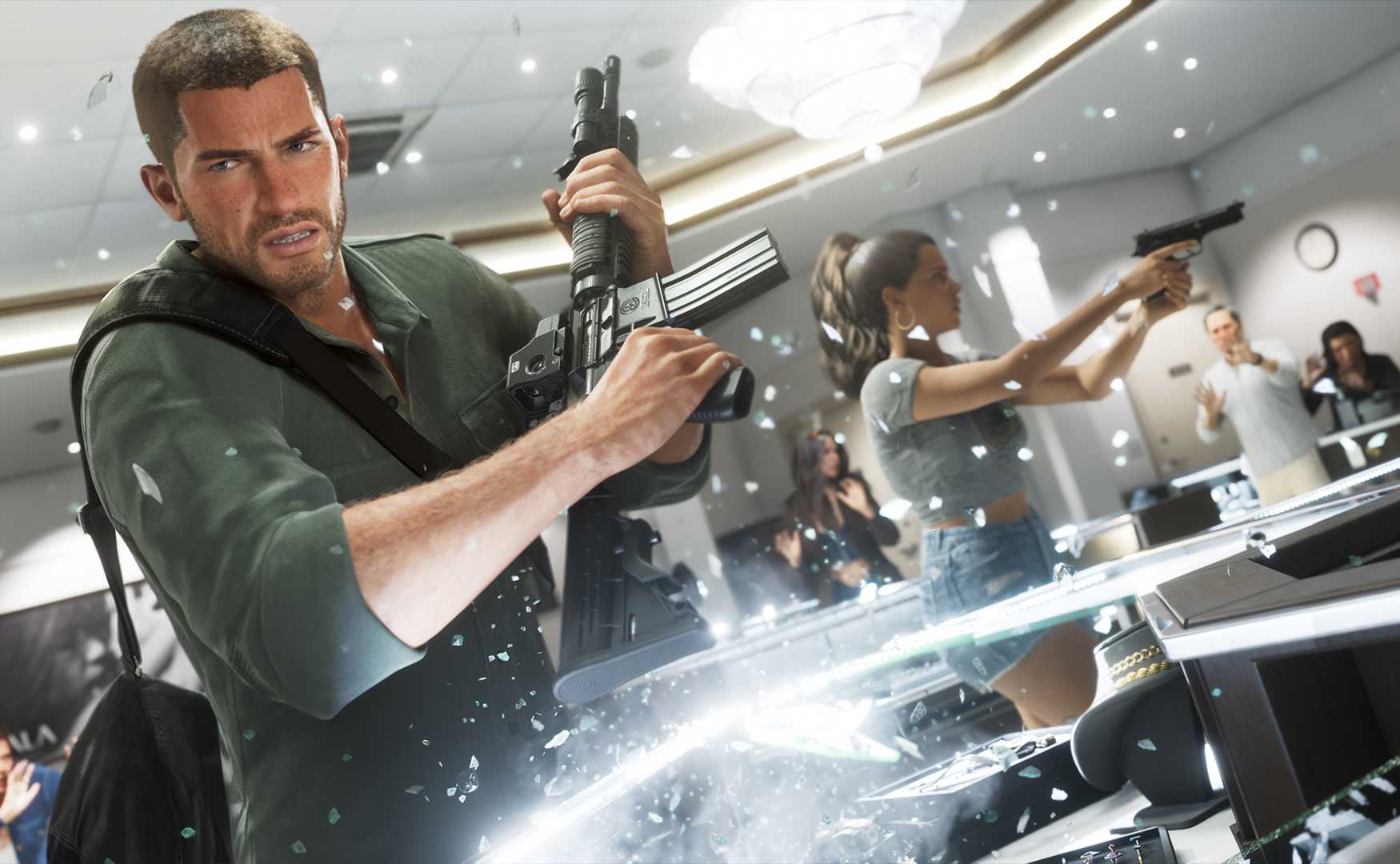
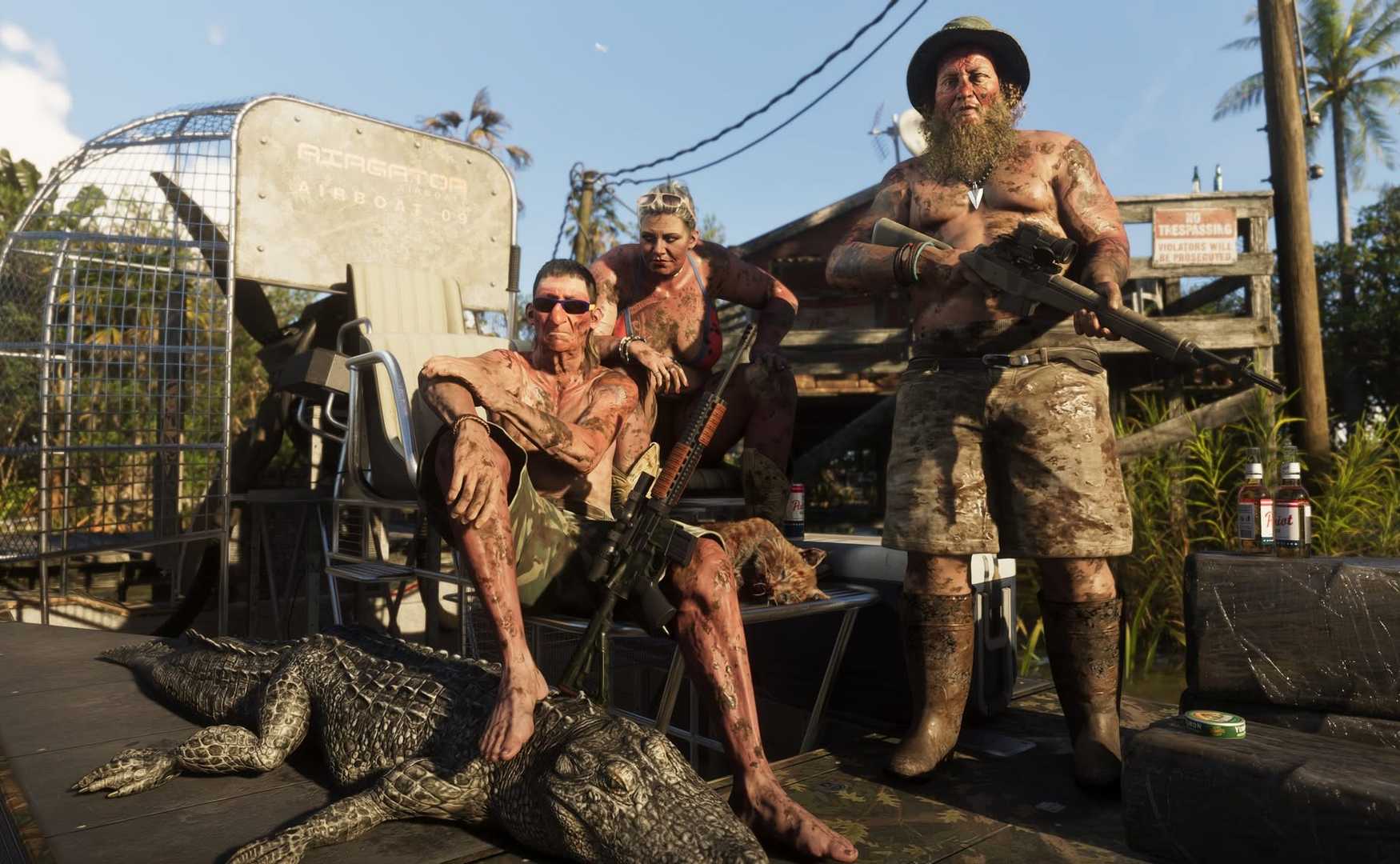
None of GTA 6‘s latest strides in the zone of in-game income would matter much if they existed in a vacuum, which is usually where open-world economies go wrong in one of two ways. The first is the economy-as-afterthought problem: games that never really consider how currency interacts with the rest of their systems, so the whole thing ends up either trivially exploitable or arbitrarily harsh, without much design intent behind either outcome. The second is subtler—an economy that is considered, but only ever assigned menial jobs, whether that be in buying cosmetics and guns, or grinding rewards while staying totally disconnected from the story and world around it.
GTA 6 mostly avoids both traps by making Jason and Lucia’s cash part of a larger web of interconnected systems. Rockstar North’s Rob Nelson has talked about this directly (via GamesRadar)—”the way the whole thing works together”—and that’s already visible in the details that have come out since the GTA 6 Extended Look. For one, bigger robbery targets show up on the map with an estimated payout attached, which is a subtler detail, sure, but one that respects the player’s time and money alike.
Cash and Criminality

On an even larger scale, money in GTA 6 will likely be mutually influenced and influenceable through the game’s Criminal Profiles. Criminal Profiles act to measure a player’s restraint—in something like pulling off a robbery without unnecessary violence—and change Jason and Lucia’s reputation, either toward a more “Professional” status or something bloodier. Separating the two characters during a getaway can already strip a wanted star away, which is a wrinkle worth revisiting in an earlier look at Jason and Lucia’s dynamic, so tying the risk of losing cash to how players handle a heist together flows in much the same way.
Rockstar Is Looking to Slow Things Down
-

-
-


Of course, some of these changes probably won’t feel great in the moment, especially if one is losing a big score to something as mercurial as a terrible NPC driver or armed civilian, but I think that’s sort of the point. Money can temporarily gate story progression in GTA 6, and Rockstar has framed that as a way to nudge players toward robberies and side activities while giving bigger story beats room to breathe. Even beyond GTA 6‘s clear focus on player-driven decision-making, I think a lot of that has to do with past mistakes in Grand Theft Auto 5.


Balance the critic averages
Balance the critic averages
Easy (6)Medium (8)Hard (10)
It’s no secret that GTA 5 handed players millions of dollars near the end of its campaign without giving them much to actually put it toward; Rockstar has even owned up to that before. In fact, that’s actually a pretty textbook example of the sort of “too much money, nothing to do with it” problem I’ve already mentioned. So, while rebuilding upon consequence and a sense of scarcity might feel strange to those who are used to GTA 5‘s post-campaign extravagance, I think it’s the right move toward self-correction on Rockstar’s part.
Intentional Pedantry Might Only Work to a Point
Ultimately, I get that these changes might not be for everyone, especially those who adored GTA 5‘s way, because though I’m firmly in the opposite camp, some of this stuff seems a bit much—even for me. Purchasing a gym membership to work out, going hunting to make some cash, having to buy snacks—that sounds like busywork to me; decidedly unfun stuff. Rockstar has already shown it’s willing to cut its losses, though: developers reportedly scrapped a grocery-shopping requirement once it crossed from systemic into annoying, and as wild as that is, it’s also reassuring, at least.
Put together, GTA 6‘s money moves look like they will amount to something most open-world games never bother building: an economy that’s actually making the in-game world go around. It’s impressively split into pieces to be spent, saved, laundered, gated, or taxed upon death, and each piece looks wired into how the story, the characters, and the world around them behave. Though it would certainly help, other open-world titles don’t need Rockstar’s budget to learn from that; they just need to start treating their currency like it’s supposed to mean something more.




- Released
-
November 19, 2026
- ESRB
-
Rating Pending – Likely Mature 17+