

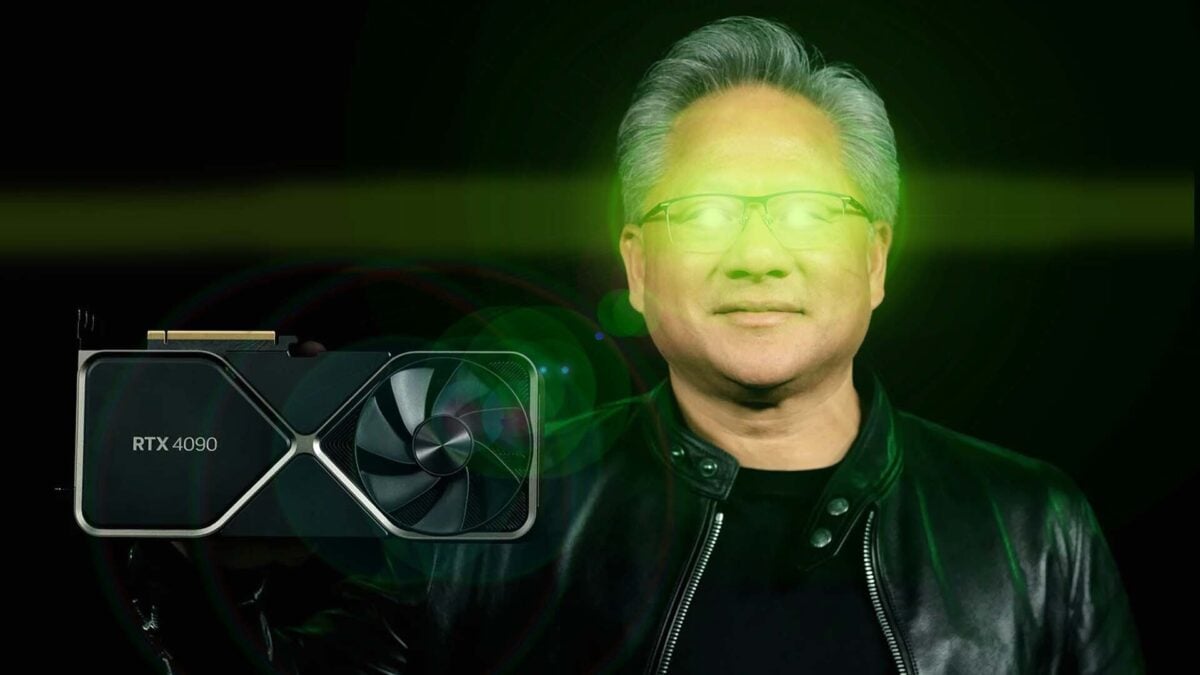




Jensen Huang founded Nvidia back in 1993 and called each of the company’s major shots along the way, from gaming graphics to its latest pivot to AI. He’s now resigned as CEO following reports of multiple affairs, including with an alleged Chinese spy.
“Board of Directors announced today that Jensen Huang has resigned as President, Chief Executive Officer, and a member of the Board, effective immediately,” reads a new press release from the tech giant on November 12. Colette Kress, Nvidia’s current chief financial officer, has been named as interim CEO to replace Huang while the board of directors initiates a search for a permanent replacement. Investor Harvey Jones has been appointed chair of the board following Huang’s departure.
“The Board has full confidence in Colette and the leadership team, and we expect the company’s operations, customer commitments and product roadmap to continue without interruption,” Jones said in a statement. Kress said she’ll build on the “extraordinary” foundation left by Huang and focus on serving the company’s customers.
“Jensen’s contributions to Nvidia are profound,” the press release stated. “Nvidia is one of the most consequential technology companies in the world. The Board and the company thank Jensen for his immeasurable contributions to the company and the industry.”
Huang’s resignation comes after a report in The New York Times of a second extramarital affair, this time with Nvidia’s VP of healthcare technology. Earlier in the week, the 63-year-old executive admitted to a separate romantic relationship with an alleged Chinese spy. Nvidia’s stock price has shed hundreds of billions in the intervening days, and the company faces at least one lawsuit from shareholders.
Once a humble graphics card company lobbying video game console makers for contracts to supply them with chips, Nvidia has become the epicenter for the current boom in AI tech, rising to a multi-trillion dollar market cap in just a couple of years as it shifted from servicing the PC gaming market to an insatiable demand for new data center build out.