


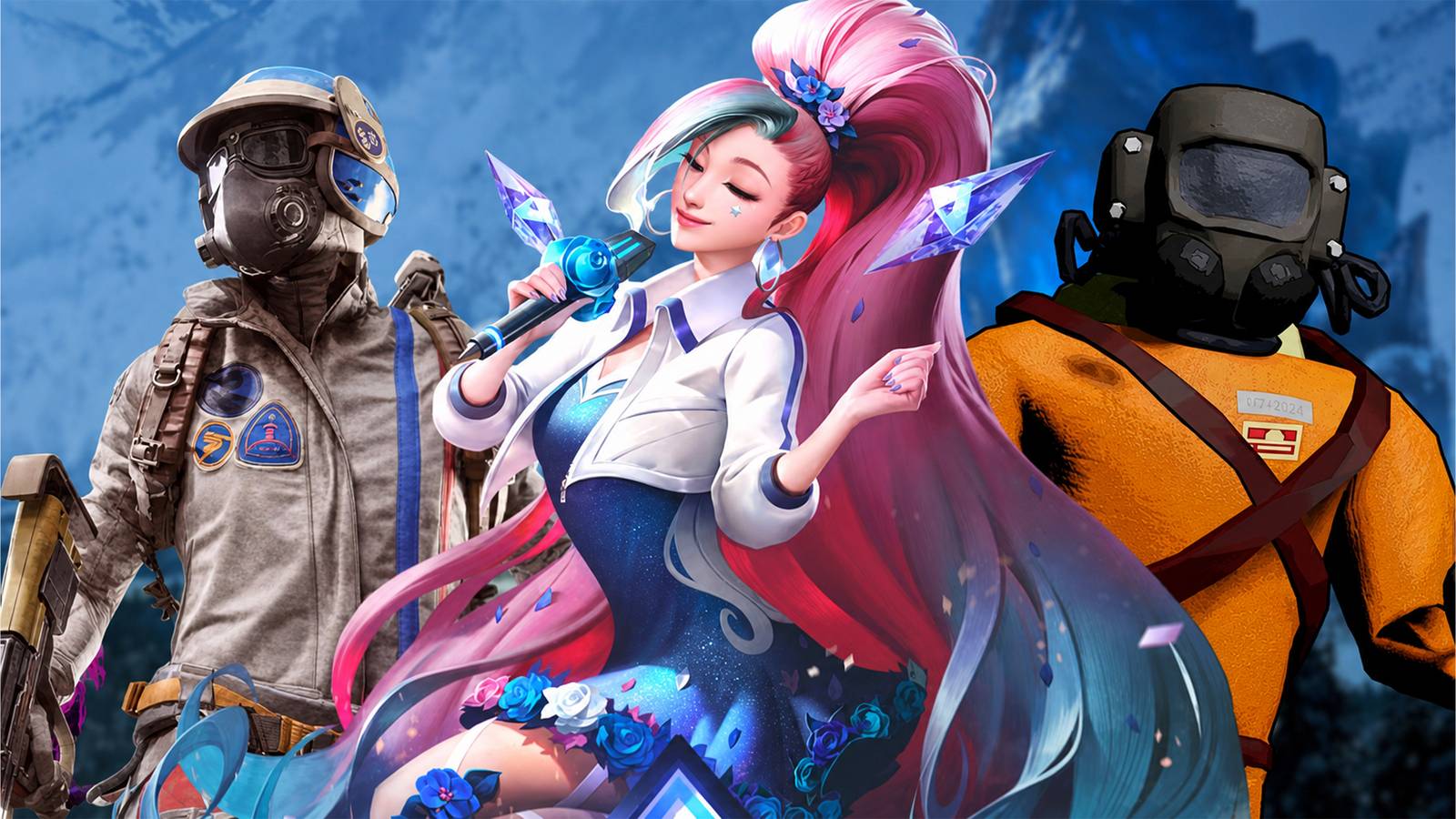




Voice chat has become a staple part of virtually every modern multiplayer game, from shooters to MOBAs, but there is one game that has been missing the feature for over a decade and is finally taking the plunge. League of Legends is going to be joining the vocal club, with a slow rollout across NA and Oceania, which should hopefully spread to the rest of the world over the coming months, and the devs have already mentioned a multitude of features and requirements to help combat toxicity and to make the whole experience better for everyone involved.
However, as great as the news is, it raises some vital questions about multiplayer voice chat as a whole and about how our relationship with speech in gaming has evolved. League of Legends is a very complex game that requires extensive coordination and moderation to filter out bad actors, and as a result, we have to wonder whether voice chat is even a good fit for something with so many variables. There is a huge amount of data and existing voice chat evidence that shows the good, the bad, and the ugly of the feature, so it comes down to how much you are willing to sacrifice and deal with as an individual in order to potentially have some funny and rewarding encounters with the rest of the player base.
League of Legends’s Voice Chat Has A Lot Of Hurdles To Get Through
Video games are an incredible medium that allows people to connect and share the joy of something in real time, but because of the competitive stakes in a game like League of Legends, a lot of the fun factor can quickly be replaced by an unrelenting desire to win. That means that it is common to find people who are quite happy to throw around all kinds of nasty words and be brutally honest in the middle of the game, and while you can convey a lot of that over text chat, you feel far more emotion when those words can be physically heard.
Competitive games have had toxicity since the dawn of time, and it has been interesting to see how different developers handle verbal and written abuse. Valve’s games, for instance, have much more aggressive communities full of people who have no issue with being mean or speaking their mind to strangers, and while there are punishments from reports like in-game mutes and potential bans, the system is way less focused on automatically detecting those moments. And the reason why getting voice chat right is crucial to having a more well-rounded competitive environment is that in solo-queue, you don’t have five people on both teams talking in Discord, so having an in-game voice function solves that communication gap at the same time as introducing potential complications.
It comes down to how much you are willing to sacrifice and deal with as an individual in order to potentially have some funny and rewarding encounters with the rest of the player base.
Another aspect to consider is how different voices are perceived by online communities. Someone might hear a tone or a speech pattern and begin making assumptions or even insulting the person for no other reason than how their voice sounds, and that is a large reason why female players or people whose second language is the one being spoken often feel hesitant to switch on the mics due to previous experiences and how others have been treated. This exact issue has been combated with ARC Raiders and soon-to-be League of Legends, with a voice changer that lets players hide their true voice, whilst still getting to talk to their teammates and coordinate plays like anyone else. In an ideal world, everyone should be able to speak however and whenever they choose, but unfortunately, we simply do not exist in that universe.
-
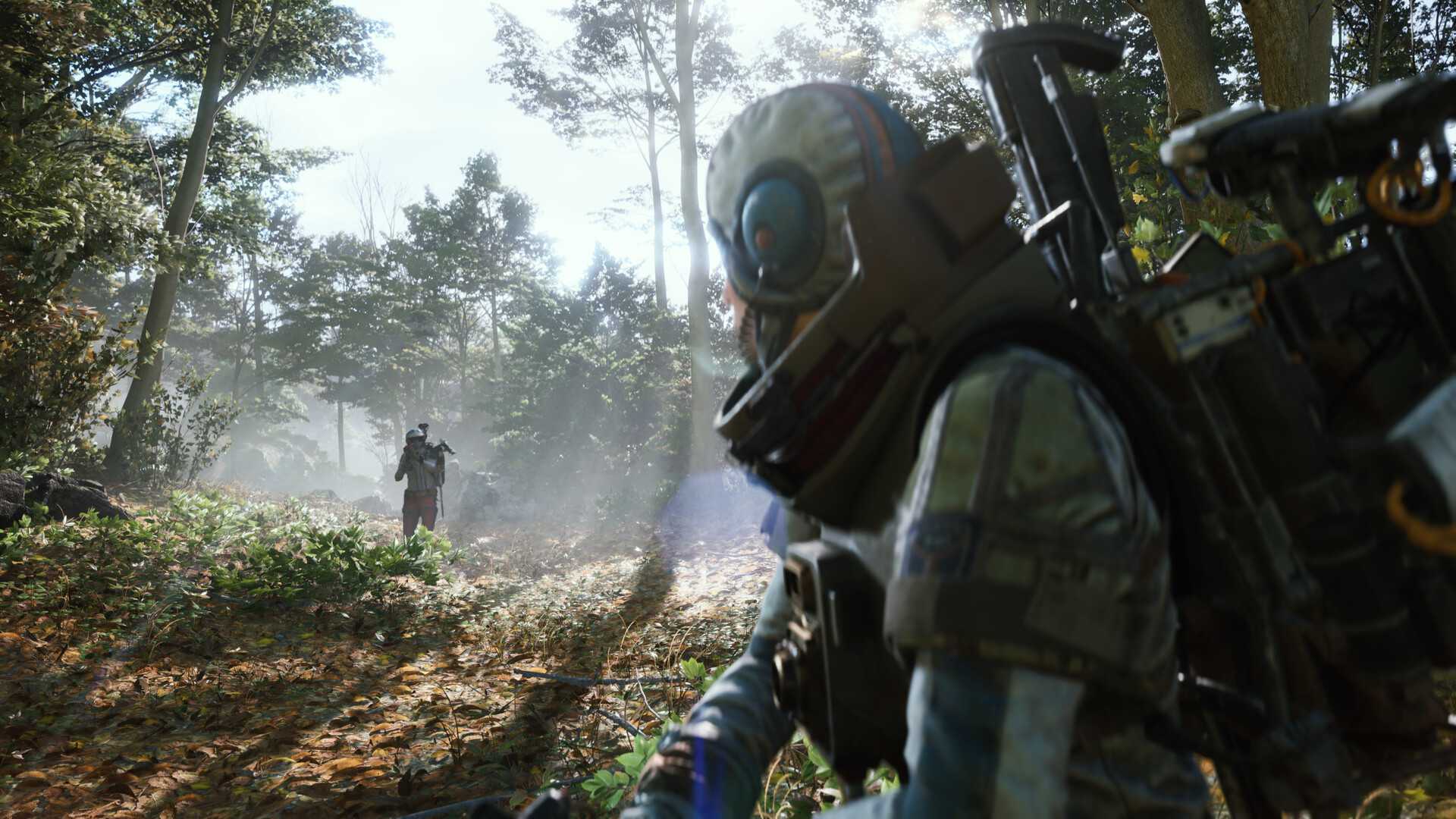 Image via Embark Studios
 -
-
On top of the toxicity, having a voice chat function in a competitive or at least PvP game can also come with some additional consequences that can potentially be harmful to both players and the devs. We have already seen that games like Marvel Rivals and Overwatch track and record voice logs in order to detect poor behavior, but I and many others would argue that this feels like an overly invasive way to deal with the issue. Suddenly, your voice, words, and interactions with others are being kept in a database that can potentially be hacked or used for nefarious purposes, and so there comes an extra layer of trust that you need to place on the developers to keep your data safe.

Then you need to think about game balance, as any kind of updates and changes can bring about a positive reception by the player base, while others may be hated. Take League of Legends, for example, where the game has been fundamentally balanced around pings and text communication. Now, of course, there is nothing stopping people from talking on Discord or using their voice like in pro play, but by adding voice chat into the solo queue environment, I think a lot of characters are quickly going to fall down the win rate ladder, due to the additional information that is otherwise not present. This problem exists in so many other competitive games and is a hurdle that the Riot devs may not be prepared for when it hits the live servers.
Voice Chat Has Become A Multiplayer Must-Have
When you think about voice comms in games, in the past, you may have gravitated towards high-stakes PvP action. Yet, if you ask someone today, they are more likely to bring up proximity chat in friendslop games and more light-hearted uses of the technology. The past few years have brought with them dozens of games, including R.E.P.O, Peak, and Lethal Company, all of which use voice chat in a more comedic sense that also doubles as a way to elevate the fun or horror of the game. It’s no secret that this style of game is among the most popular in the modern day, and I do believe that a big reason for that is how accessible they are and how well they integrate communication directly into the gameplay.
The level of coordination is a lot lower, and in a lot of lobbies, you will actually find people just having a nice chat about their day or adventuring through the world at their own pace, unstressed by taking down enemy players or dealing with constant abuse from their own team. Despite using voice as the main way to communicate and talk to others, the social experience in R.E.P.O. is a stark contrast from the one in something like Counter-Strike 2, because the stakes are lower and the goal is to have fun as a group as opposed to chasing a higher number on your profile.
The point is that voice chat isn’t an exclusively bad tool that only comes with negatives, and I think that when a lot of people hear about speaking to others in games or seeing that League of Legends is adding it as a feature, they instantly go to the worst possible outcome. As someone who has played a lot of League, I can say that some of my best memories and most enjoyable moments were in voice chat with others, whether that be a full-stack of five or just a duo, and I also think that many people are forgetting that the game has far more to offer than just constant nail-biting action.
You have for-fun modes like ARAM and more casual queues that are perfect for relaxing game nights or newer players, and these additional options are present across the gaming world, even in Riot’s other premier multiplayer title, Valorant. There, you can queue into the less stressful modes and speak to randoms while shooting down enemies, never once feeling pressured to perform a certain way or to try your absolute hardest to win the match. My main stance on voice in gaming is that it should exist for everyone to use in and outside of competitive queues, but it should still hold people to a high standard of etiquette to ensure there are no screaming fights at the end of every fight. Speaking brings us together and is one of the best ways we can express our personalities, and so as much as I can appreciate the concerns and obvious downsides, I will always be open to more ways to socialize with others.

League of Legends

- Released
-
October 27, 2009
- ESRB
-
T for Teen: Blood, Fantasy Violence, Mild Suggestive Themes, Use of Alcohol and Tobacco