






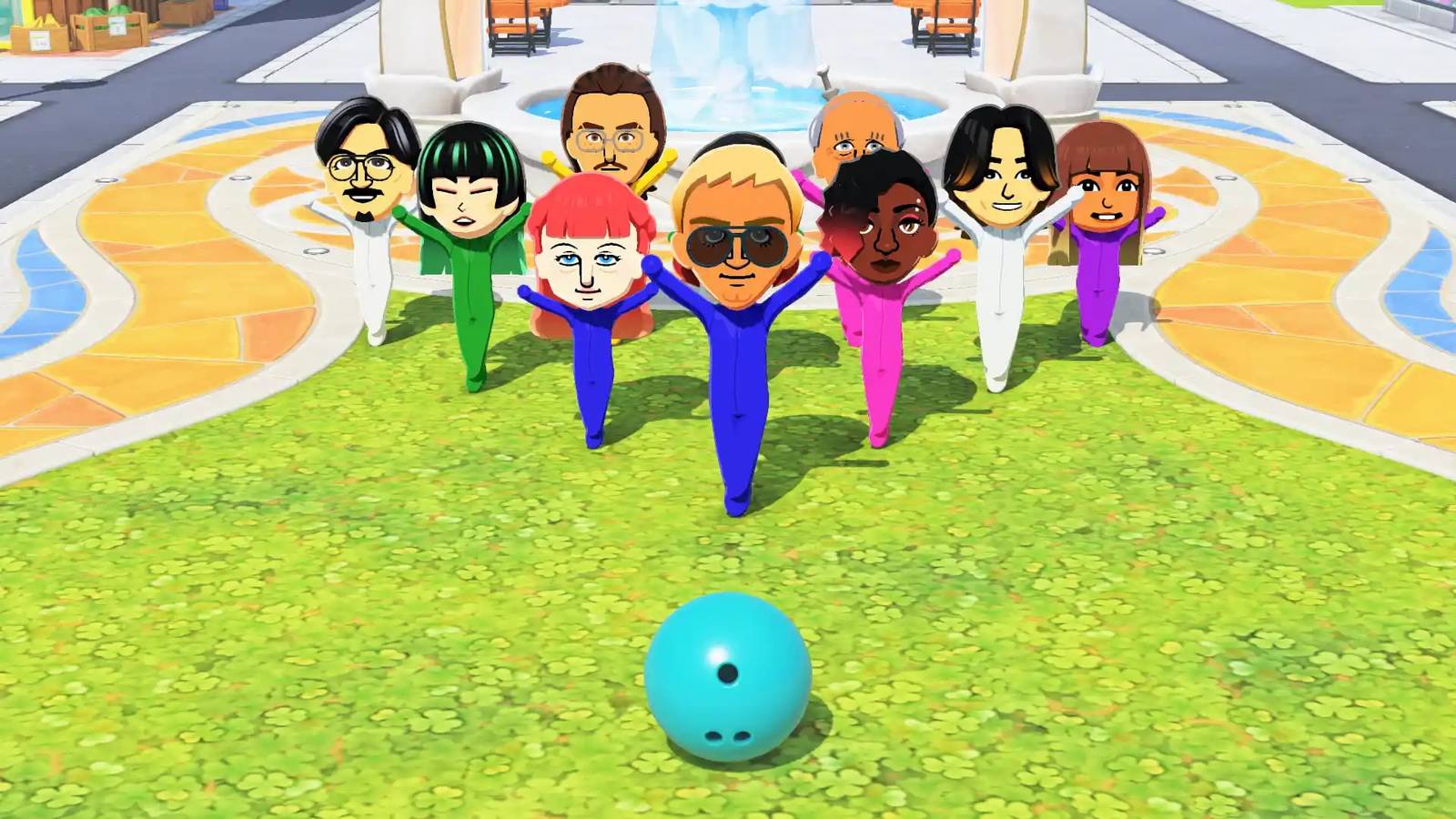
Players trying out Tomodachi Life: Living the Dream‘s early demo have quickly discovered that the new simulation game does not contain a profanity filter. The return of the cult classic life simulation game putting players in charge of their islands populated by Miis was a big surprise when Nintendo first revealed the sequel during the March 2025 Nintendo Direct. Tomodachi Life: Living the Dream looks to provide a significant boost to the Mii creation engine, with greater customization than ever before, alongside the ability for players to customize the layout and shape of their in-game islands.
Tomodachi Life fans got an early chance to try out the game starting on March 25 with the launch of a demo for Tomodachi Life: Living the Dream. The demo includes limited content from the full release with players able to create three different Miis for their demo island, alongside two in-game shops, the Fresh Market food store and the Where and Wear clothing shop. The early trial version will also allow players to transfer their demo Miis alongside the hamster costume to the full version of the game, releasing on April 16. However, fans have also found a curious quirk in Living the Dream‘s demo.
Tomodachi Life: Living the Dream Has No Profanity Filter
Tomodachi Life: Living the Dream reportedly does not feature a profanity filter within the game, according to demo players. Fans have found that the game does not block inappropriate language like many other Nintendo games, meaning that players can use profanity in their Living the Dream game. Everything from the name of the player’s island to individual likes of in-game Miis are not subject to Nintendo’s typical restrictions regarding in-game language. The lack of language restrictions also comes as the game does not include any online functionality, meaning Nintendo may feel less need to regulate players’ activity in their offline games.
Balance the critic averages

Balance the critic averages
Easy (6)Medium (8)Hard (10)
The exclusion of a profanity filter in Tomodachi Life: Living the Dream could explain one of Nintendo’s most controversial decisions with the game. Nintendo confirmed in January that it is placing significant restrictions on image-sharing in Living the Dream, officially stating that “out-of-context scenes” within the game could be misconstrued and misrepresent the “spirit of the game.” The removal of a language filter from Tomodachi Life also gives fans the freedom to include profanity and more inappropriate situations and conversations in the game, which Nintendo likely intends to keep away from its younger audience.
Nintendo has given fans plenty of reasons to be excited about Tomodachi Life: Living the Dream, with the game featuring some big improvements from its predecessor. Nintendo officially confirmed it will be making a number of changes geared towards inclusivity in Living the Dream, adding everything from non-binary and aromantic Miis to same-sex relationships within the game. Living the Dream also gives players more agency over their in-game Miis, allowing fans to introduce their Miis to one another and introducing a face paint system to further customize the characters.

Tomodachi Life: Living the Dream looks to be a unique new life simulation experience that builds on Nintendo’s past games. Living the Dream will follow in the footsteps of games like Animal Crossing: New Horizons, which became one of the best-selling Switch games of all time. The game also joins the recent release of another highly-anticipated first-party life simulation game, with Omega Force and The Pokemon Company’s Pokemon Pokopia already seeing huge success just weeks after its debut. Fans of Tomodachi Life: Living the Dream won’t have to wait much longer to experience everything the game has to offer, with the demo giving an early taste of what’s to come.


- Released
-
April 16, 2026
- ESRB
-
Everyone / Comic Mischief, Mild Fantasy Violence
- Developer(s)
-
Nintendo
- Publisher(s)
-
Nintendo