



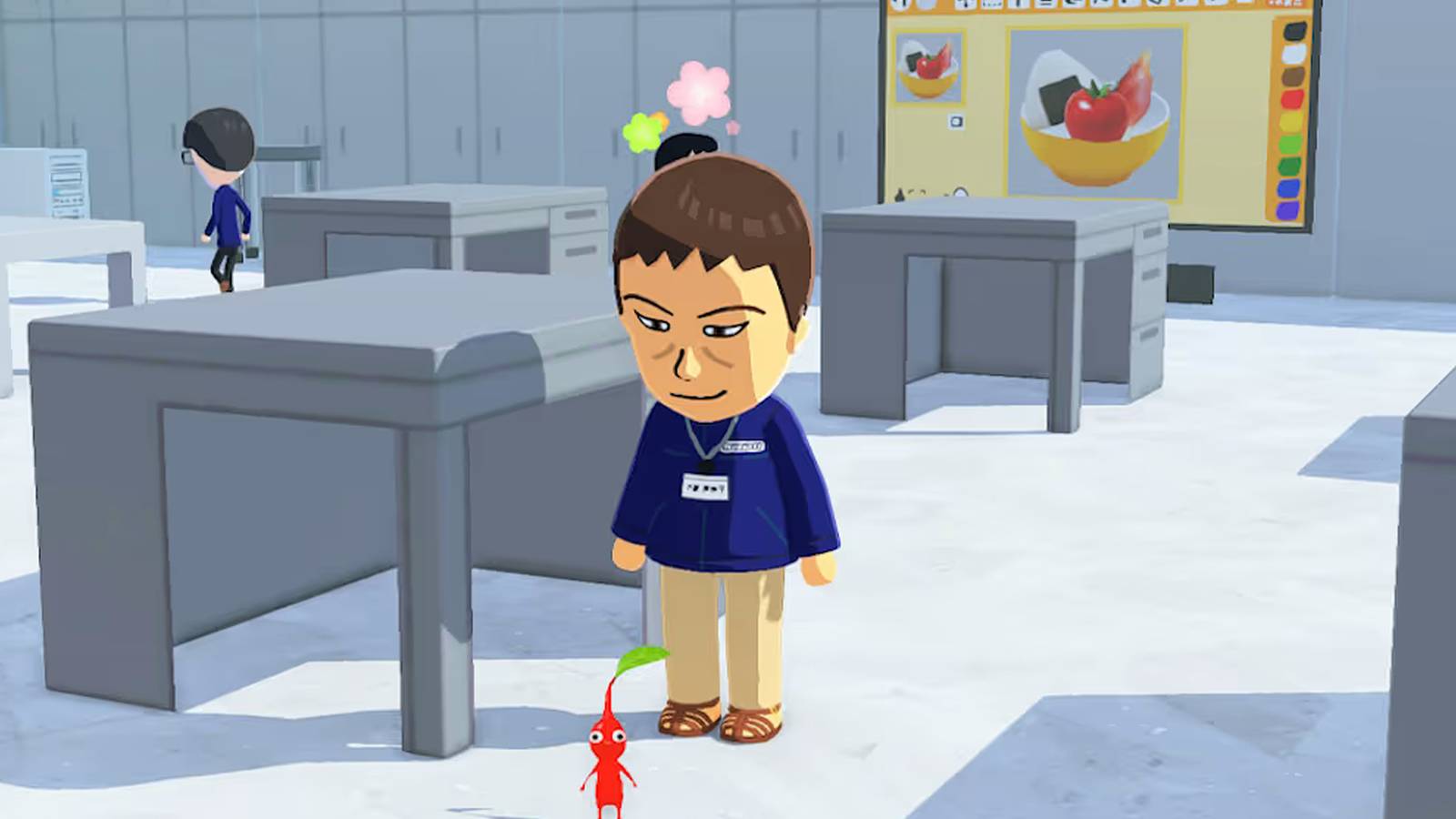
Ahead of its April 16th release, a developer interview for Tomodachi Life: Living the Dream revealed a lot about the quirky life simulator, including how long it took to make. The Nintendo Switch game will be the first new Tomodachi Life title in over a decade, following Tomodachi Life on the Nintendo 3DS. Like its predecessors on the Nintendo DS and 3DS, Tomodachi Life: Living the Dream is a life simulator game where the player watches over an island of Mii characters of their own creation. While the player creates the Miis and can dress them up, Miis have a level of autonomy that can send the player’s plans hilariously off the rails.
While the series’ first game, Tomodachi Collection on the Nintendo DS, was never released outside of Japan, the 3DS entry Tomodachi Life has sold over 6 million copies worldwide. According to Nintendo’s released sales numbers, this makes it one of the best-selling 3DS games of all time — and many fans would argue, one of the best 3DS games in general. Fans wondered for over 10 years why Nintendo never made a third game, so the announcement of Tomodachi Life: Living the Dream was received with open arms. It remained a mystery why it took so long, though; that is, until a recent interview confirmed the reason.
No, Tomodachi Life: Living the Dream Isn’t Just “Animal Crossing With Miis”
Tomodachi Life: Living the Dream is Nintendo’s next big life simulator, but what distinguishes it from its older brother Animal Crossing?
Developers Reveal Why Tomodachi Life: Living the Dream Took So Long
In the latest Ask the Developer interview on the Nintendo website, part of the Tomodachi Life: Living the Dream development team answered questions about the game. The interview included director Ryutaro Takahashi, programming directors Takaomi Ueno and Naonori Ohnishi, art director Daisuke Kageyama, and sound director Toru Minegishi. The interview is loaded with fun development stories that shine a light on the team’s creative process, but a particularly juicy tidbit revealed that Living the Dream started development in 2017.
Takahashi: I believe development started around 2017, after things had settled down on Miitomo. The producer, Sakamoto-san, and I both have a special attachment to Tomodachi Life and have been playing the previous game on Nintendo 3DS for many years […] So, we talked about our desire to create a new Tomodachi Life game.
This shows that there were plans for the game as early as 2017, which also would explain why it’s coming to the original Nintendo Switch nearly a year after the Nintendo Switch 2’s release: it’s been in development since the original Switch came out. Fans were still disappointed that Living the Dream lacks the Handheld Mode Boost on Switch 2, though. As for what caused such a long development, it looks like it was simply because the team had so many ideas that they were having so much fun implementing.
A big focus during development was on the game’s “user-generated content” (abbreviated as UGC in the interview), a feature that allows players to create in-game content — things like Mii creation, island customization, and so on. Takahashi says that they initially anticipated spending only around a year to a year and a half on the game’s UGC elements, but kept coming up with new ideas for it. In the end, the team took around “six or seven years” to develop Living the Dream’s UGC features. However, Living the Dream doesn’t have online content sharing.

Find all 10 pairs
Find all 10 pairs
Regular Cover ArtClean Cover Art
Tomodachi Life: Living the Dream Almost Cut a Beloved Feature
While 9 years in development is a long time, there was naturally still some deadline-related pressure in the process. Takahashi and Ueno reflect on how, at one point, Living the Dream was going to cut the “Mii News” feature, a beloved feature from the first two games, due to time constraints. But one of the younger designers, who was a fan of the series, objected and actually took the initiative to reach out to other people and managed to find a way to keep it in. The interviewees noted how the team had some passionate fans of the previous games on the project, and highlighted how their enthusiasm and passion helped make Living the Dream what it is.

While not everyone behind a product will have a sentimental attachment to it – in fact, sometimes it’s better for non-fans to work on something in order to avoid bias – it’s reassuring to hear that so much of Living the Dream’s team loved the previous games. A series as outright strange as this needs people who appreciate that kind of humor in order to help it thrive. Fans of Tomodachi Life know that the silliness is what defines the series, so they were able to stand up for the goofier elements instead of trying to appeal to the lowest common denominator. Tomodachi Life: Living the Dream is shaping up to be a labor of love that will hopefully make up for the 13-year wait between entries.


- Released
-
April 16, 2026
- ESRB
-
Everyone / Comic Mischief, Mild Fantasy Violence
- Developer(s)
-
Nintendo
- Publisher(s)
-
Nintendo