


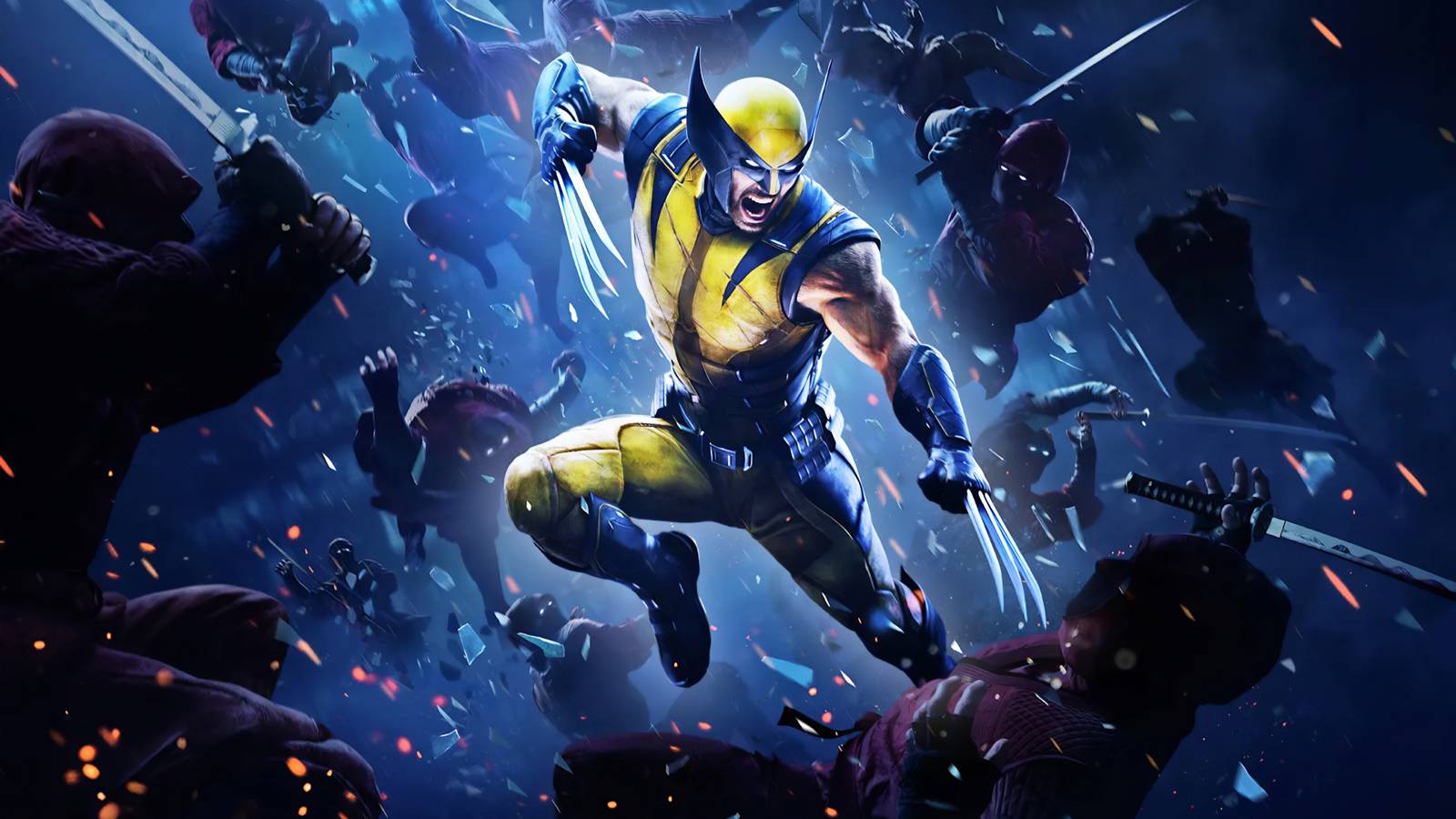
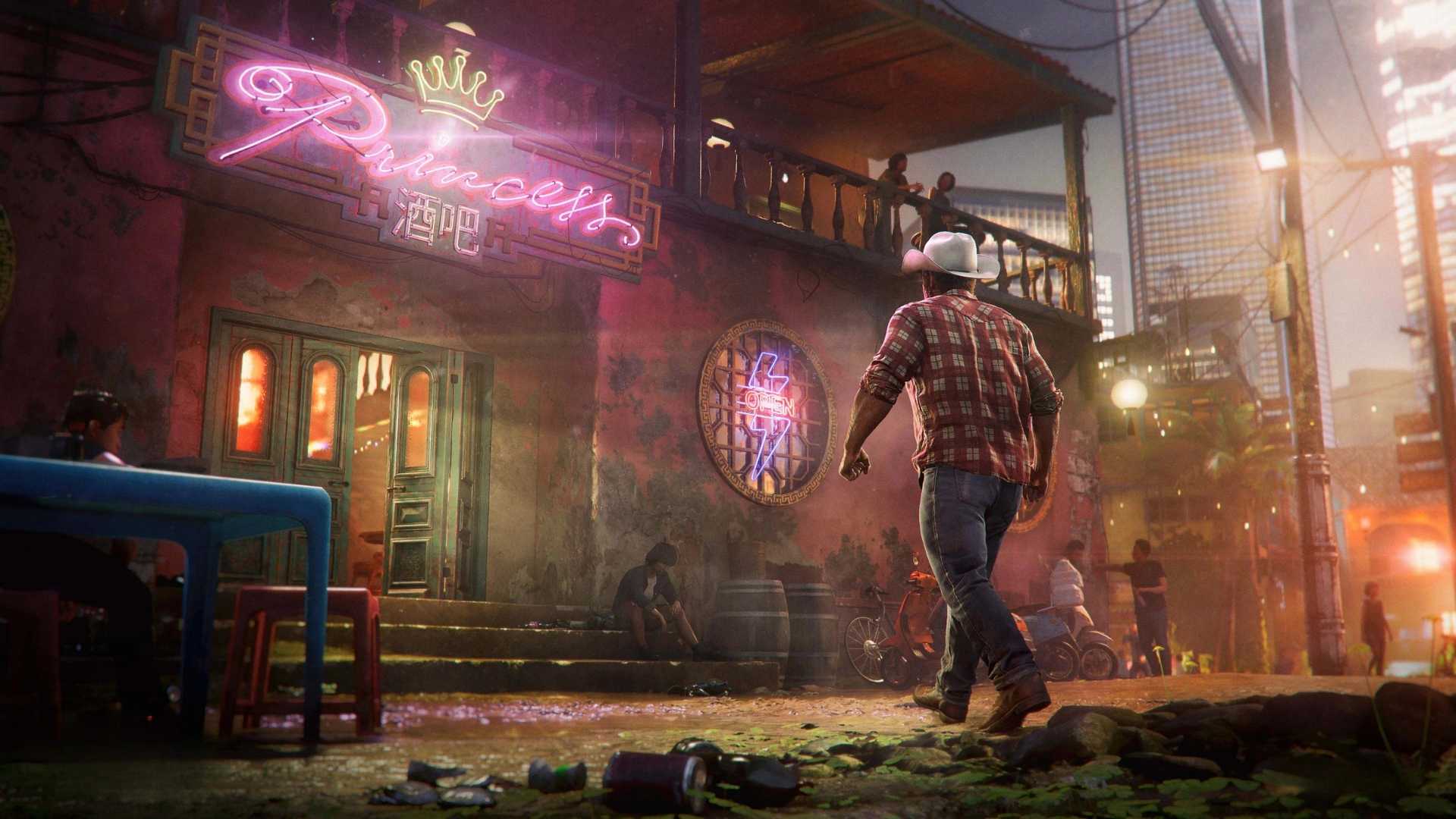
The final previews for Marvel’s Wolverine have arrived ahead of its September 15 release, and if I’m honest, I’m of two minds about what I’m seeing. On the one hand, the game seems to have hurdled a difficulty concern I’ve had since its 2021 reveal: given that Logan is a character who could survive just about anything, I worried that a hero who can’t really die would be a difficult thing to build an interesting combat system around. On the other hand, though, it seems that depending on who you are, clearing that bar came at the cost of Marvel’s Wolverine settling in pretty familiar gameplay territory.
Thankfully, players can (and seemingly will) die in Marvel’s Wolverine, thanks to a three-tiered Rage resource that defines gameplay by execution in every sense of the word. The system ties Logan’s survivability and brutality toward enemies together, so what keeps him upright helps put enemies down. The thing is that, though Wolverine‘s loop already seems delectably violent and dripping with style; I’m still a bit worried that what players end up doing to fill that meter might get a bit stale by the time the credits roll.
Wolverine’s Difficulty and Gameplay Feel In Practical Terms
-
-
 Image via PlayStation
 -
 Image via PlayStation
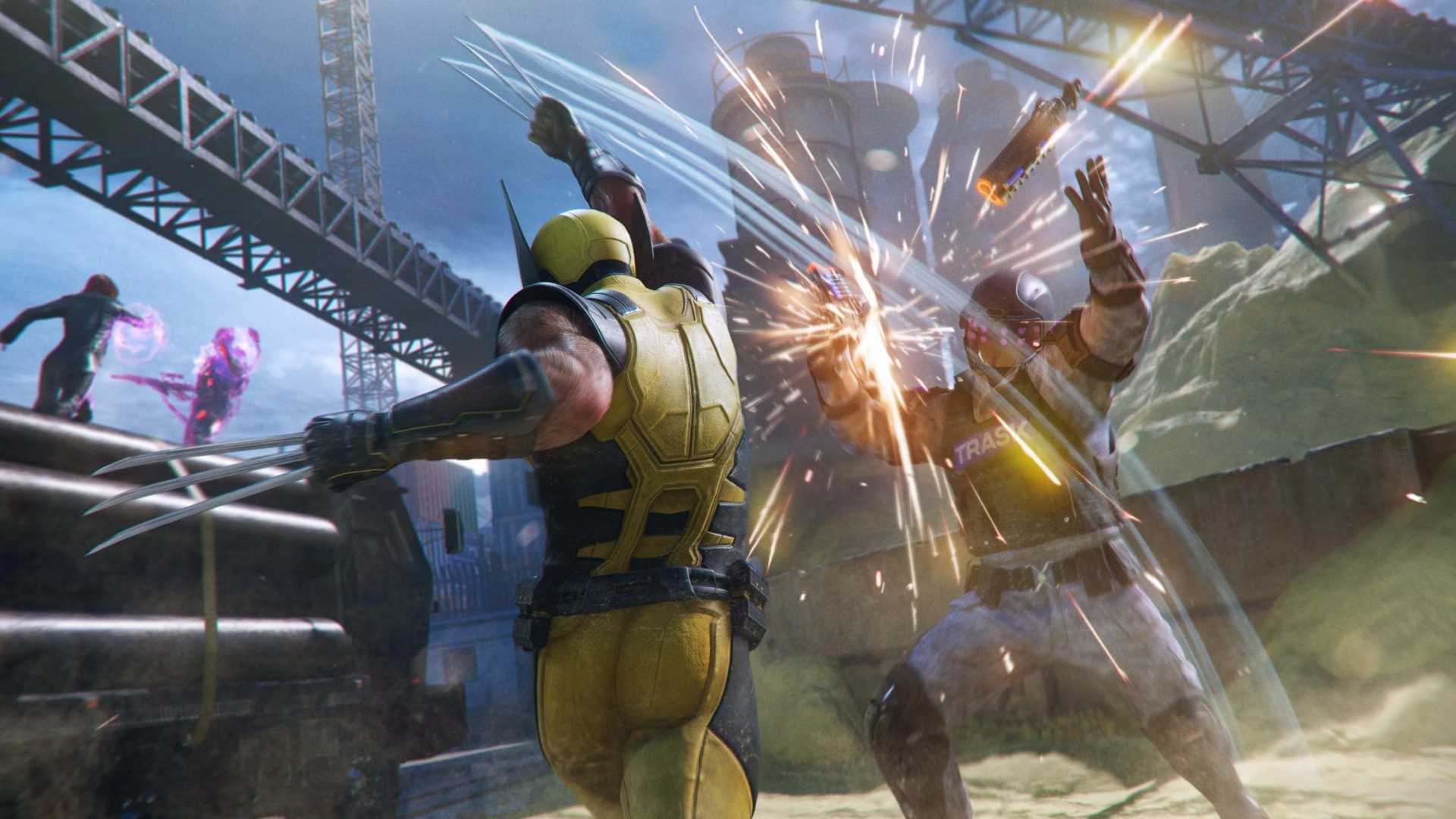
The solution to Wolverine‘s healing factor problem in gameplay is elegantly simple—across three tiers, Logan’s Rage builds as he deals damage, and it drains whenever he stops. The first bar is the baseline; the second unlocks stronger combo finishers and a Last Stand ability. Though it can get even crazier in the third leg, that Last Stand feature is where the healing factor truly becomes a mechanic: if it is activated, Logan can trade a bar of rage for a return from the dead.
Who’s That Character?

Identify the silhouettes before time runs out.
It’s all very thematically fitting, as beyond the various ways a full rage bar changes the look, sound, and feel of Wolverine‘s gameplay, the player who goes down without a bar in reserve will have to return to the last checkpoint. It’s neat that the system rewards violence, and that the safety net only exists for players who earned it by staying aggressive. And considering where Logan is mentally at the top of the narrative—it’s clear that it’s a very considered design.
Wolverine creative director Marcus Smith has previously stated that despite previous experiments with different health systems, the Rage system came about through what Insomniac considered a pivotal gameplay question: “How do we make a game that actually has stakes?”
How Wolverine Is Making Difficulty Matter

What’s more, it actually seems to be a critical part of the gameplay loop; CGM’s Brendan Frye wrote: “It saved me more than a few times during my play session.” Of course, that may seem obvious, but there’s a world in which Insomniac played it too safe, and I’m glad it isn’t this one. Plus, Wolverine will launch with adjustable difficulty settings, so it seems even more likely that players will get to face solid tension throughout, rather than having to search for it.
Wolverine Previews Are Warmer on Feel Than Variety
-
-
 Image via Insomniac Games
 -
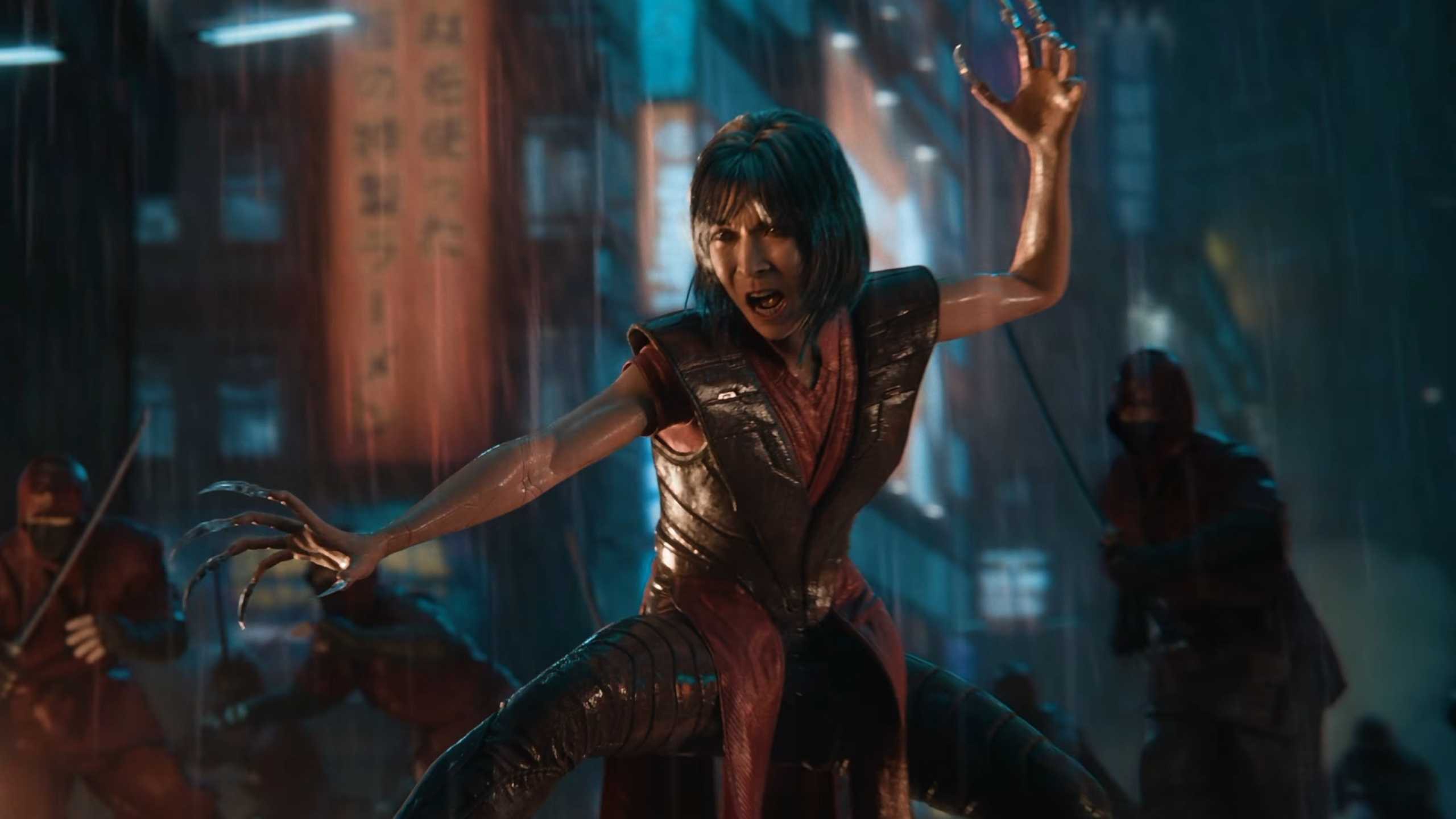
Where things get complicated comes down to gameplay variety, rather than difficulty or game feel. Though the latter two elements of the preview experience were generally praised, several outlets were already sensing where Wolverine’s limits might be. That’s not to diminish the healthy number of optional activities, like traversal-based time trials or combat gauntlets, the game seems to have, but the optional nature of those aspects already speaks for itself.
A sterling example comes from IGN’s Mitchell Saltzman, who found that though the combat was fundamentally sound and satisfying, he could already see himself missing the improvisational options that gave Spider-Man’s encounters flavor. “Wolverine mostly just angrily stabs things,” he stated, “and while he is the best there is at what he does, I did wish that what [he] does offered a bit more variety.” For a loop built so narrowly, the ceiling on expression may matter more than the floor on difficulty.
To the game’s credit, GameSpot’s Tamoor Hussain described the transition from the pre-Rage precise parries into the two-button berserker frenzy of the final tier as “a satisfying combat loop that, smartly, is in lockstep with Logan’s escalating on-screen emotions.” Yet even still, he acknowledged that familiar territory is the name of the game here, as well as the fact that there might be a tangible limit to how effective that loop is across a full campaign. To be clear, most of these write-ups are overwhelmingly positive, but most share certain sentiments about familiarity—and even difficulty, in some cases—that are hard to ignore, like this bit from GamesRadar+’s Dustin Bailey describing an early Sentinel prototype fight:
“It’s familiar stuff if you’ve, uh, ever played a video game before, but it’s a great little challenge. In fact, it’s the only time I die outside of a later optional challenge room—and it sneaks in a few unique mechanics, like an ability to call in a sniper shot from Mystique with a tap of the R1 button, which stuns the giant machine so I can get a few extra licks in.”
Wolverine’s Greatest Villain: the Weight of Comparison
-
 Image via PlayStation
 -
-
 Image via Insomniac Games
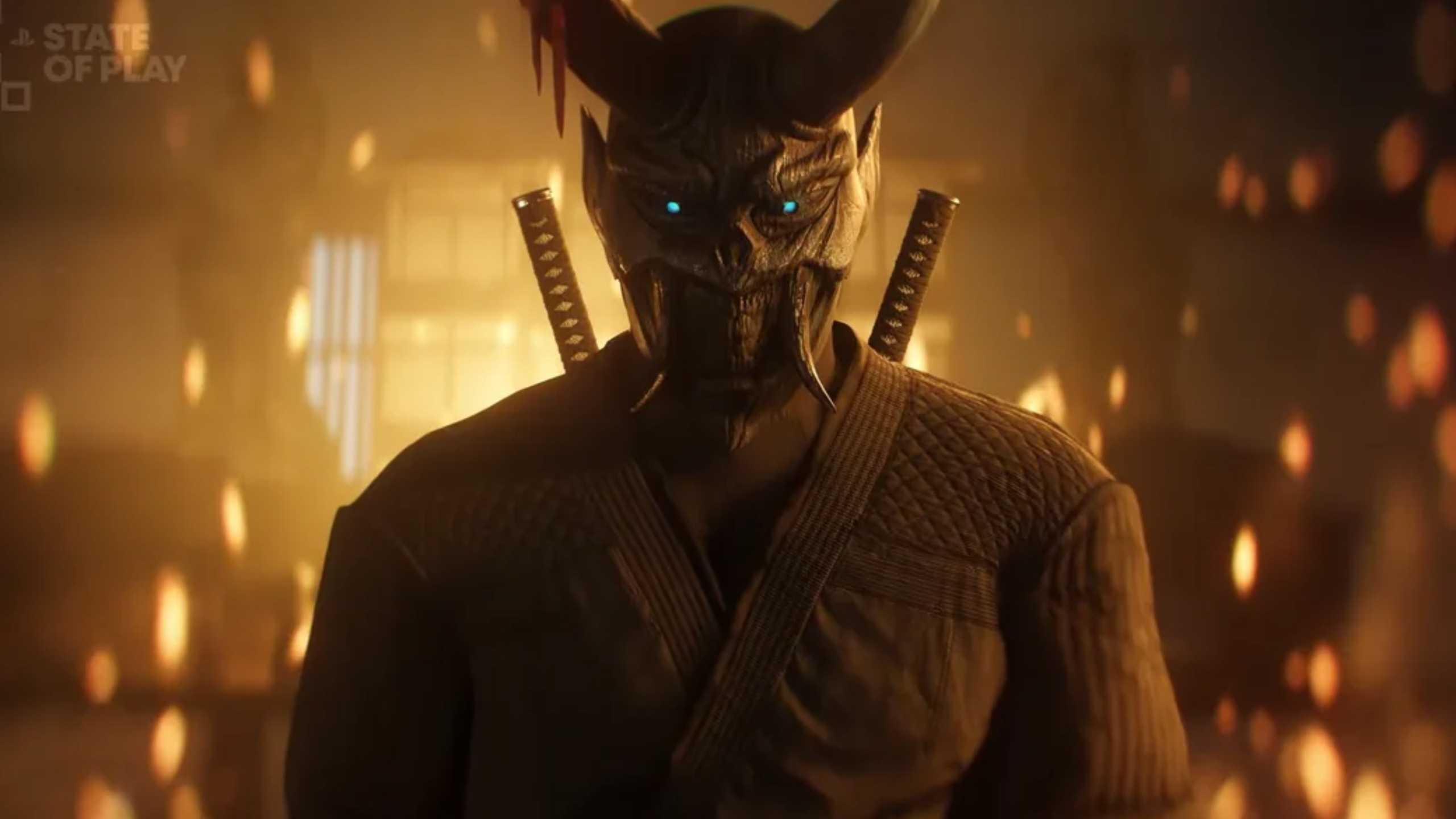
None of this outright diminishes the pressure or presentation that seems to be working so clearly in Marvel’s Wolverine—but it will matter to some players that every hands-on account thus far has described a sense of familiarity and reached for the same set of reference points. IGN likened Logan’s gap-closing leap to Spider-Man‘s web zip; GamesRadar+ compared it to Web Strike and the automatic leaps between opponents found in the Arkham games; and GameSpot also traced the structure back to Rocksteady’s freeflow template. CGM’s preview opens by noting that anyone who has played an Insomniac third-person action game will recognize the shared DNA immediately—and while that is to be expected, it’s also a reality some will struggle with.
It’s neat that the [Rage] system rewards violence, and that the safety net only exists for players who earned it by staying aggressive.
Especially when considering Wolverine is the latest entry in a greater landscape of PlayStation titles, where the introspective, narrative-driven third-person title still reigns supreme. Sure, it’s an admittedly tired complaint, but there’s something to be said about how interchangeable it all can seem. This isn’t some inherent mark against this title or any other—I’m genuinely excited to play as Logan—but eventually, the fact that such a description works for God of War, The Last of Us, Ghost of Tsushima or Horizon just as readily as it does Wolverine might shift the scales much more.
Ultimately, the “Logan is technically unkillable” problem seems structurally solved, and that is what I’m looking forward to beyond anything else. Familiarity certainly has its hiccups, but Insomniac built a system in which the healing factor is actually interesting, losing is possible, and the answer to being overwhelmed is to fight harder rather than retreat. For now, that is enough for me; whether I’ll feel that same way is something I intend to find out when Marvel’s Wolverine drops September 15.


- Released
-
September 15, 2026
- ESRB
-
Mature 17+ / Blood and Gore, Drug Reference, Intense Violence, Partial Nudity, Strong Language, In-Game Purchases
- Publisher(s)
-
Sony Interactive Entertainment