




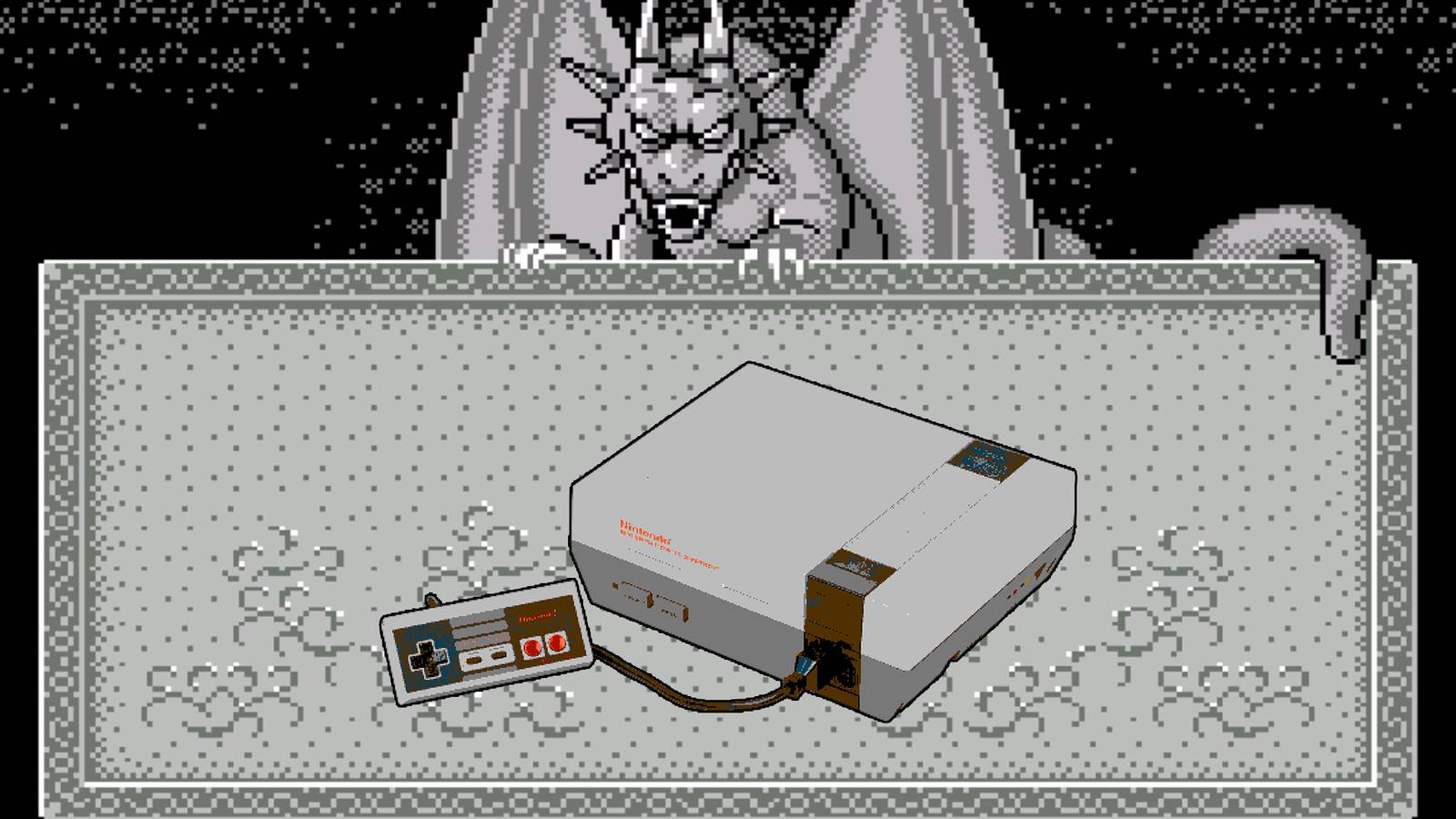
As vital as it was in saving the gaming industry, the Nintendo Entertainment System‘s legacy has been reduced to a couple of classics, and that was also the case during its initial run. Everyone had Super Mario Bros, The Legend of Zelda, Metroid, and Kirby’s Adventure, but plenty of generally fantastic NES games slipped through the cracks, and I’m not talking retroactively. Quite a few titles that were massive in Japan failed to strike a chord in North America or Europe, and that’s assuming they were brought over in the first place.
I love looking back at these older systems in search of forgotten games that prove to be hidden gems, but what about the titles that were never really remembered in the first place? These NES titles might have impressed critics, but they didn’t incentivize players to pick them over the 600+ other games released in North America.
Just to avoid any confusion, I’m specifically talking about NES games that commercially flopped in North America (NTSC region). Obviously, some folks played these releases, but they came and went without leaving much of an impact (at the time).
For the “near-perfect” part, I’m talking primarily within the context of their era, rather than how well they have aged. That said, the latter is a nice bonus.
Dragon Quest 3 Was Massive; Dragon Warrior 3 Was A Massive Flop
A Legendary JRPG That Temporarily Killed The Series Outside Japan
Arguably the most important turn-based RPG of the ’80s, Dragon Quest 3‘s influence on the Japanese scene is so long-lasting that (Square) Enix has released 4 remakes over the decades, and I won’t be surprised if a few more pop up in the future. I mean, we haven’t gotten a full 3D remake yet, have we?
Launching in February 1988 in Japan, DQ3 instantly blew the competition out of the water in terms of ambition, innovation, accessibility, and even narrative impact, thanks to an awesome early story twist. Unfortunately, DQ3 didn’t arrive in North America until March 1992, when it released as Dragon Warrior 3. The 4-year localization delay completely robbed this groundbreaking JRPG of its impact, and Enix essentially sent it out to die in a post-SNES world that had already produced Final Fantasy 4.
After Dragon Quest 4 also failed outside Japan, Enix stepped away from North American releases altogether, opting not to localize Dragon Quest 5 or 6. Thankfully, the series found an international audience during the PS2 era, mainly thanks to Dragon Quest 8, and the rest is history.
Speaking frankly, I don’t think you should play DQ3 or DW3 on the NES. Don’t get me wrong, the RPG was near-perfect for its era, but every newer version is far more enjoyable. The HD-2D remake is the most accessible nowadays, but my personal favorite is the SNES remake (although you need a fan translation). Even the Game Boy Color remake is way better than the NES original.
Little Samson Came Out Too Late In The NES’s Life
A Brilliant Action-Platformer That Lets You Play As A Dragon And A Mouse

Few things hurt a game’s chances of success more than a late-generation release.
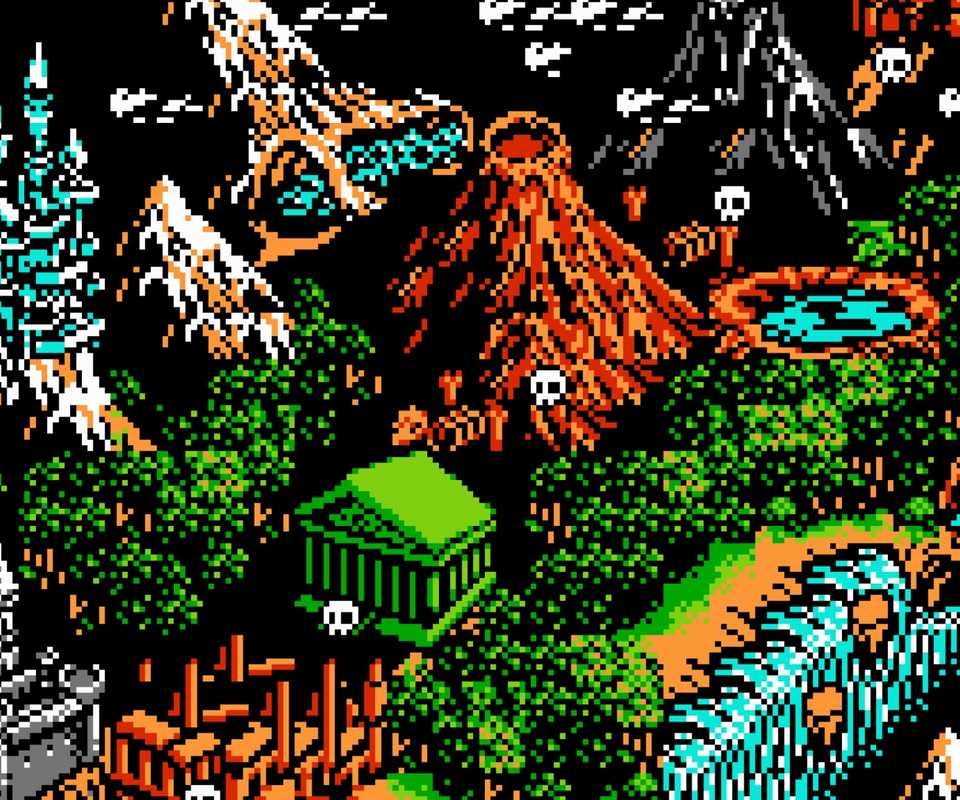
Little Samson sits comfortably among the finest 8-bit action-platformers ever, and it might be remembered as such if it didn’t come out more than a year after the SNES’s North American debut (and multiple years after the Sega Genesis exploded in popularity). While a couple of late-arrival NES titles overcame their terrible launch windows, Little Samson was not one of these exceptions, despite pushing the console to its absolute brink.
Takeru’s game features 4 colorful playable characters with their own health bars, jumps, attacks, hitboxes, and novel designs, and you can swap among them nearly instantaneously. The pixel animation, sprite work, and parallax backgrounds were, and still are, gorgeous, comparing favorably even to some early 16-bit releases. The platforming and level design maintain the presentation’s high quality, and the game still has a pick-up-and-play appeal.
Shatterhand Looks Like Generic Action, But It’s Great Generic Action
A NES Game That Plays As Tightly As Ninja Gaiden Or Mega Man 2
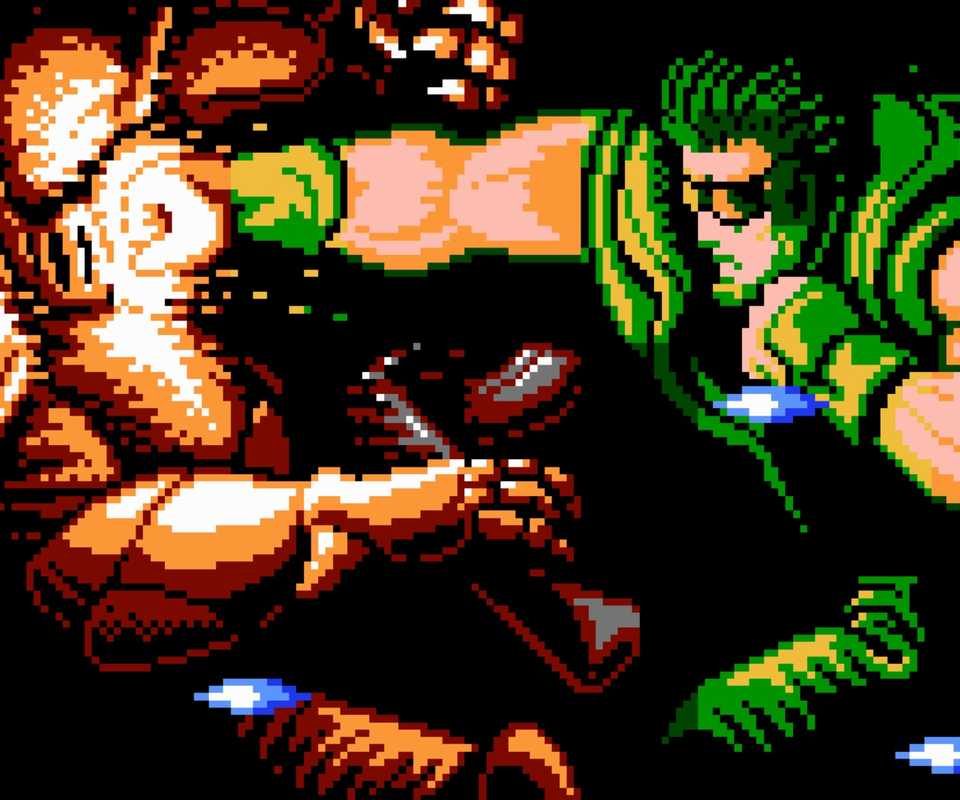
First things first – Shatterhand might be simultaneously the corniest and coolest title for a game ever, and the fact it didn’t fly off the shelves feels wrong. From the developer that gave the world Shadow of the Ninja, this 1991 masterpiece excelled at melee combat, helpingset it apart from the many run-and-gun platformers that dominated the NES era. The protagonist, Steve Hermann, punches like a beast, to the point of even knocking back missiles.
Similar to Mega Man 2, Shatterhand lets you decide the order in which you take on the 5 main stages, which share a similar motif but look different enough to have distinct vibes. The stages are pretty great too. While most linear corridors, players can climb fences, adding a vertical element to combat.
Why did this flop? Well, the cover art was pretty generic. Also, the original Japanese game, Solbrain, was based on a superhero TV show, something that wouldn’t translate to North America. Consequently, Jaleco gave the main character a pretty generic action movie-style, which didn’t help him or the game stand out.


Click on the game with the higher OpenCritic rating.
Panic Restaurant Is A Delicious NES Treat
An Eccentric Trip Through A 6-Course Meal
No, that’s not Chef Mario, but rather Chef Cookie. When his restaurant falls into the hands of his rival, Cookie must battle his way through six courses, all of which are filled with deadly sentient food and cutlery. Yeah, Panic Restaurant is unapologetically weird, and I 100% mean that as a compliment.
Quirky action-platformers were overrepresented on the NES, so the fact that a 1992 food-themed game by an unknown studio flew under the radar hardly comes as a surprise. However, Panic Restaurant doesn’t seem to have benefited from any retroactive interest, which is a shame, as there’s a lot to enjoy here. The platforming feels good, Cookie unlocks fun secondary weapons, the backgrounds are colorful, and the enemies look and move differently than most. Also, the stage select map is a menu. Like, that’s just cute.
But It Didn’t Defy Expectations
-
-

-


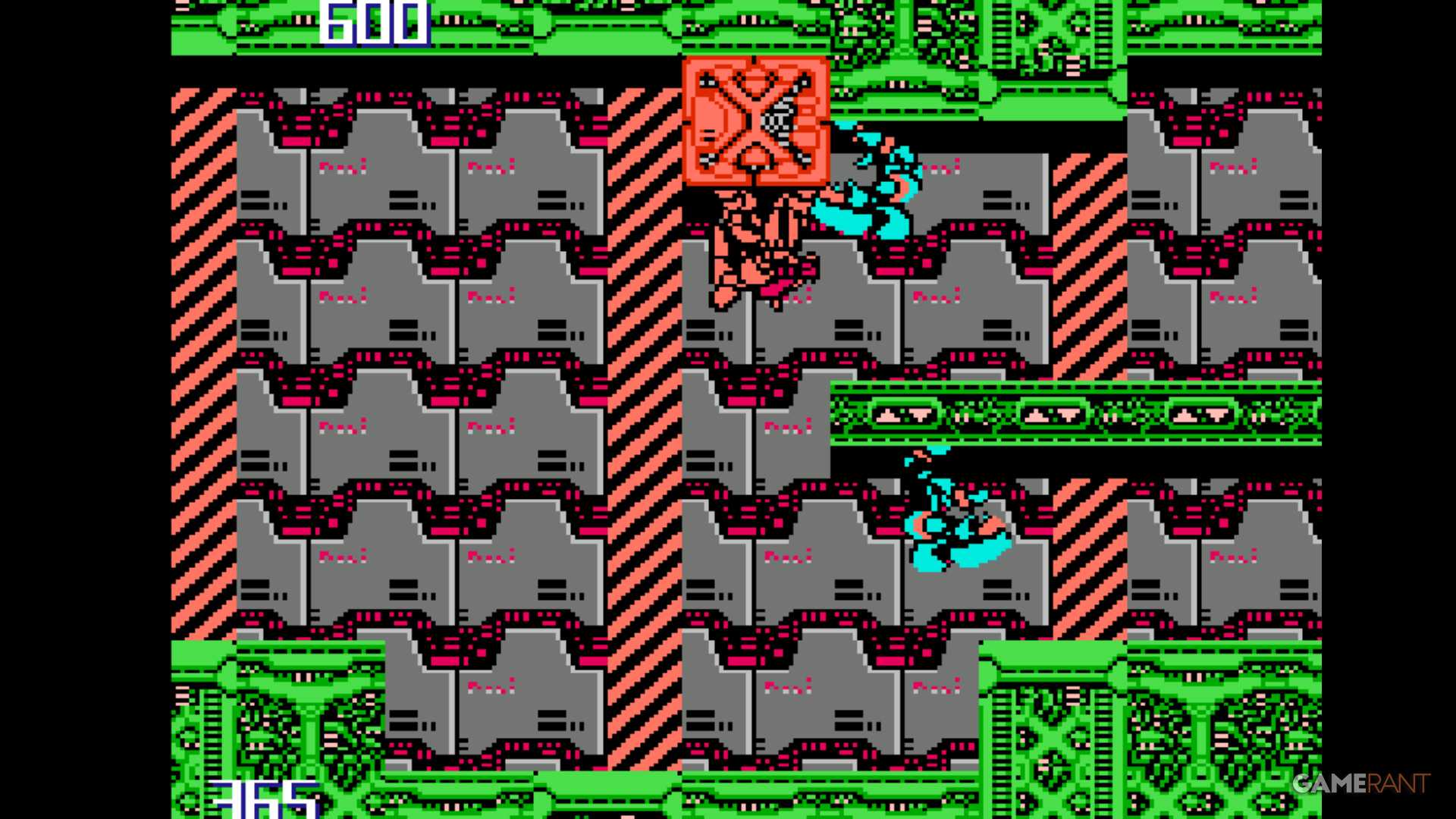
Sometimes, a NES game only needed one gimmick to justify its existence, and Metal Storm found a brilliant one: gravity. With the click of a button, players invert the gravitational pull of both their character and enemies, and the transition is seamless. Modern games would probably layer a billion other mechanics on top of this concept, but Metal Storm mostly just finds fun ways to play with it.
As you can swap directions an unlimited number of times, you can invert gravity in the middle of a flip, and you need to do so to get past certain enemies. In quite a few places, Metal Storm begins to resemble a puzzle that challenges players to find the only route to survive a seemingly impossible obstacle.
Unlike other games in this article, Metal Storm came out in North America a year before it did in Japan, a release strategy that didn’t help much in the long run. By the time of its February 1991 debut, the world already saw the NES as old news, with its upcoming successor hogging the news cycle.
Sweet Home, Final Fantasy, Mother, And The Many NES Masterpieces That Never Left Japan
Well, Nobody In North America Played Any Of These Games
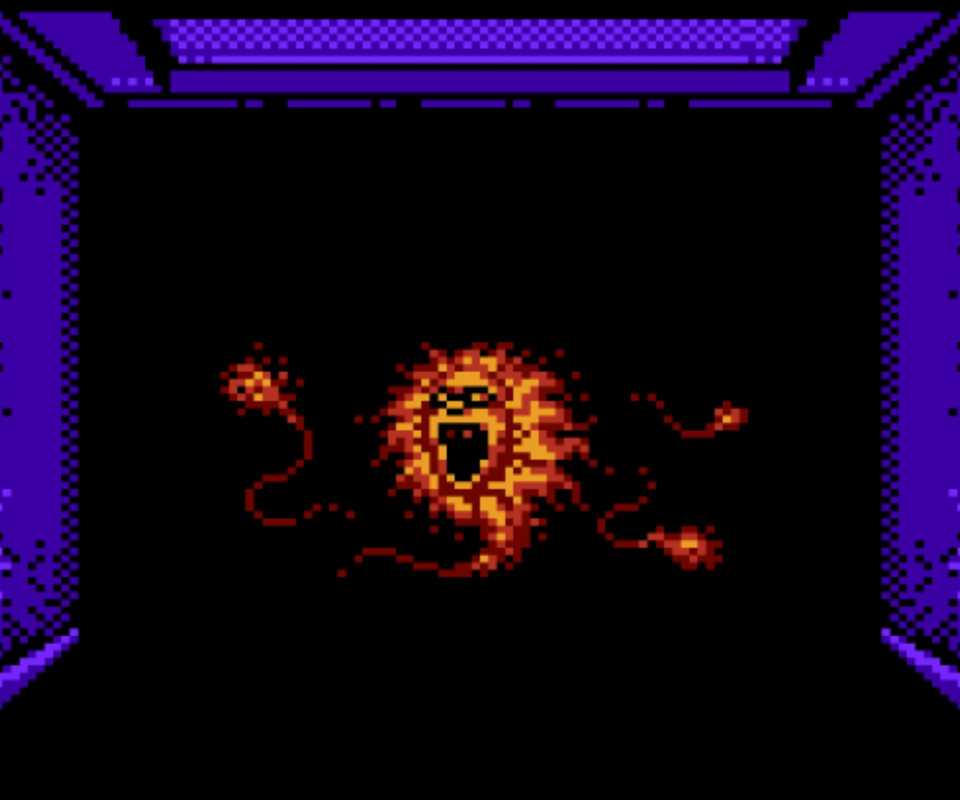
I didn’t want this article to just list a bunch of NES classics that never left Japan, even though they technically fit the “nobody played” in North America theme perfectly. It’s just the laziest direction to take this topic.
However, I’m going to quickly list a bunch of incredible NES games that, for one reason or another, were never released in the NTSC region.
- Final Fantasy 3
- Fire Emblem: Shadow Dragon and the Blade of Light & Gaiden
- Ganbare Goemon! Karakuri Dōchū
- Gimmick!
- Holy Diver
- Joy Mech Fight
- Moon Crystal
- Mother
- Sweet Home